The Culinary Evolution of Seasonal Fruit: The Rise of Baked Peaches as a Gourmet Staple

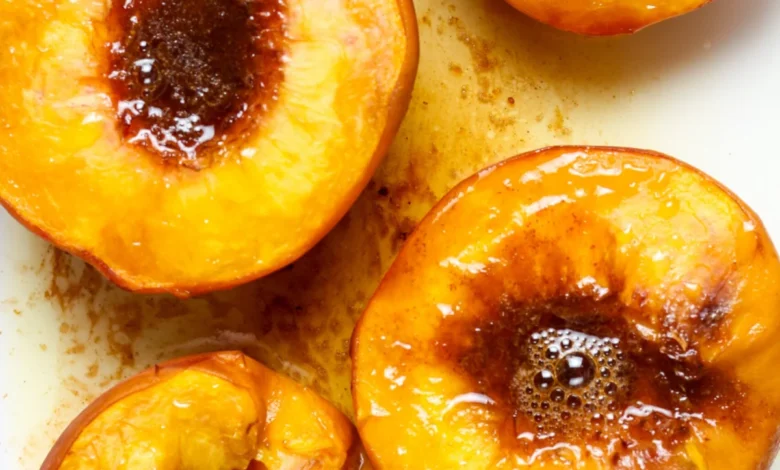
The transformation of raw, seasonal produce into sophisticated desserts has become a hallmark of modern home cooking, with baked peaches emerging as a primary example of this culinary trend. While peaches have been a staple of summer agriculture for centuries, recent shifts in consumer behavior—driven by a desire for simple, ingredient-focused, and "real-food" preparation methods—have elevated this humble fruit to the forefront of gourmet, home-prepared desserts. By applying controlled heat to the natural sugars of the peach, home cooks are achieving a depth of flavor and texture that rivals complex, multi-component patisserie.
Historical Context and Botanical Significance
The peach (Prunus persica) traces its origins to Northwest China, where it was domesticated thousands of years ago. As it spread across the Silk Road to Persia—from which the species name "persica" is derived—and eventually to Europe and the Americas, the fruit became synonymous with summer harvests. In the United States, major production hubs in states like Georgia, South Carolina, and California have long dictated the seasonal availability of the fruit, typically spanning from late May to early September.
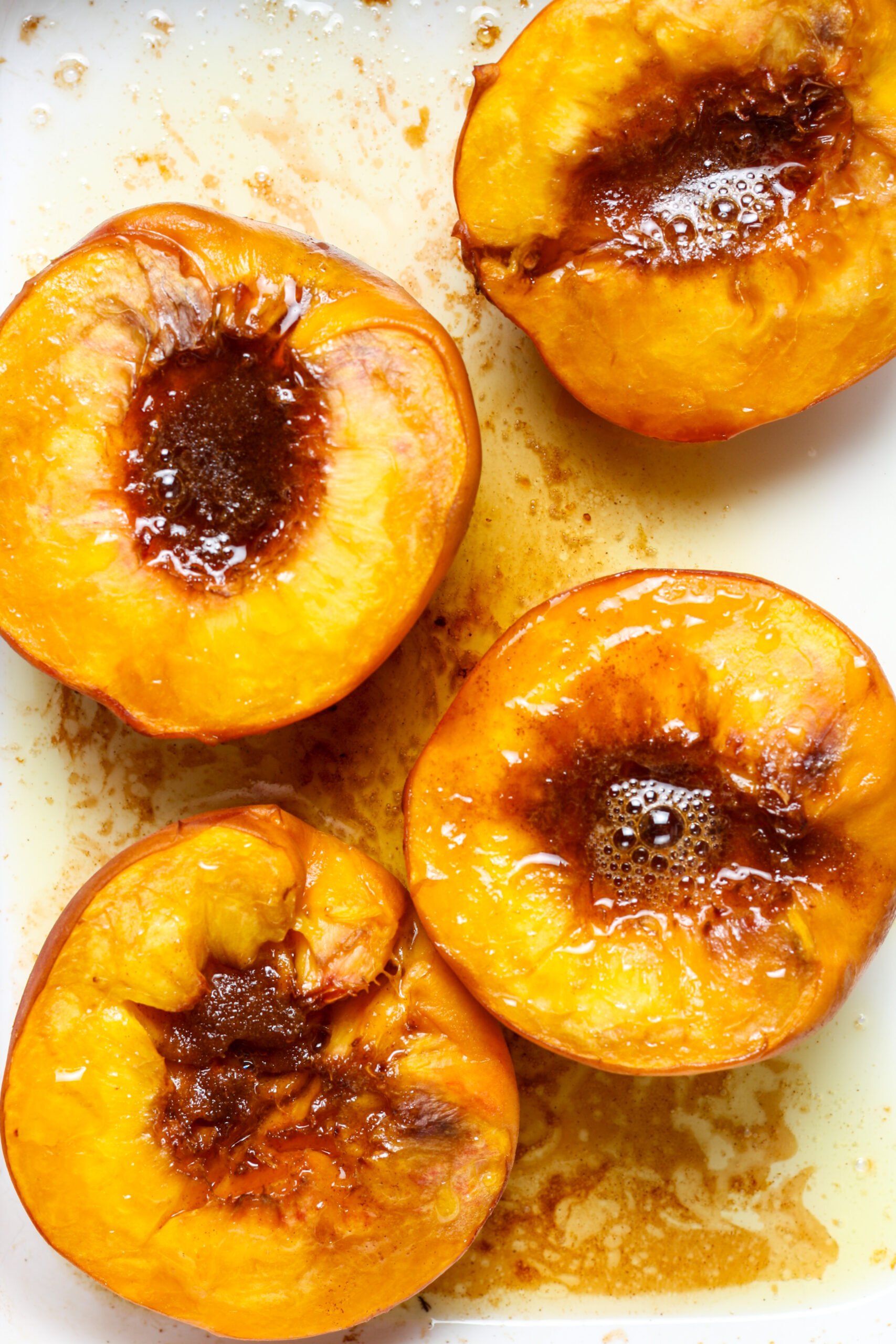
Historically, the preparation of peaches has been dominated by canning, preserving, and raw consumption. However, the current trend of oven-roasting or baking stone fruit reflects a broader gastronomic shift toward "warm desserts." This preparation method relies on the Maillard reaction—a chemical reaction between amino acids and reducing sugars that gives browned food its distinctive flavor. When a peach is halved, pitted, and subjected to moderate heat, the natural fructose and sucrose undergo caramelization, resulting in a complex, deep-flavor profile that is inherently superior to raw fruit.
The Mechanics of Caramelization and Texture Modification
From a culinary science perspective, the baking process alters the cellular structure of the peach. As the fruit reaches an internal temperature of approximately 160 to 180 degrees Fahrenheit, the pectin—the structural "glue" in the cell walls—begins to break down. This transition from a firm, crisp state to a soft, succulent texture is what culinary experts refer to as the "melting point" of fruit.
The addition of fats and sugars further accelerates this process. Incorporating butter, which contains milk solids that contribute a nutty flavor profile when heated, and cinnamon, which acts as an aromatic enhancer, creates a compound effect. The integration of coconut sugar, a popular alternative to refined white sugar due to its lower glycemic index and notes of caramel, provides a balanced sweetness that does not overpower the delicate floral notes of the peach flesh.
Chronology of Preparation: A Standardized Approach
The methodology for preparing this dessert has become standardized among modern home chefs, prioritizing efficiency without sacrificing quality. The process typically follows a five-stage chronology:
- Selection and Preparation: The acquisition of "freestone" peaches is recommended for optimal results. These varieties are characterized by a pit that separates easily from the flesh, ensuring that the integrity of the halved fruit remains intact during the cleaning process.
- Thermal Conditioning: The oven is preheated to 350 degrees Fahrenheit. This temperature is sufficient to caramelize the sugars without causing the fruit to lose its shape or turn into an undesirable puree.
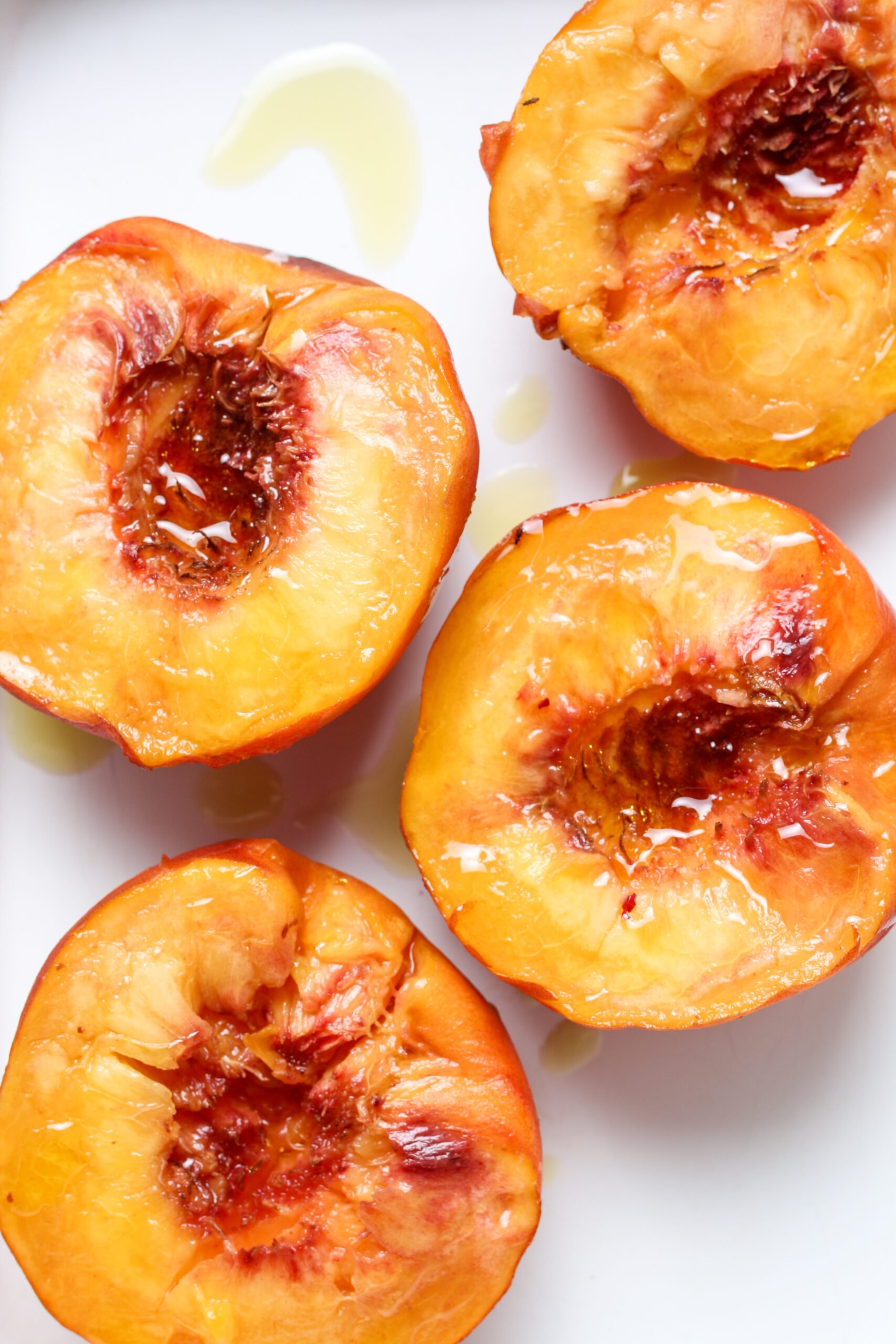
- Initial Moisture Management: A light coating of olive oil is applied to the cut surfaces. This serves two purposes: it prevents the fruit from drying out during the initial 15-minute bake and facilitates a subtle browning effect on the surface edges.
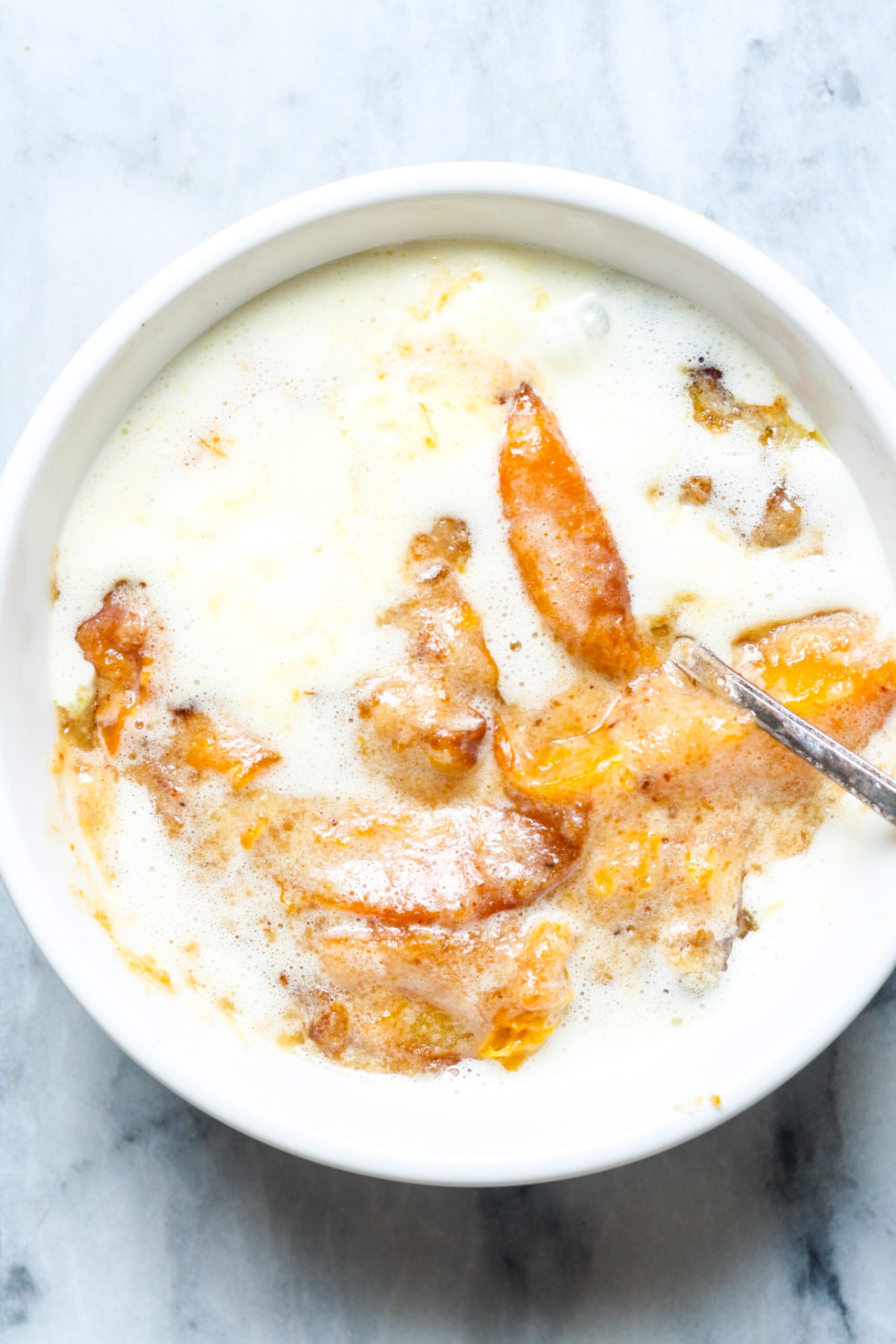
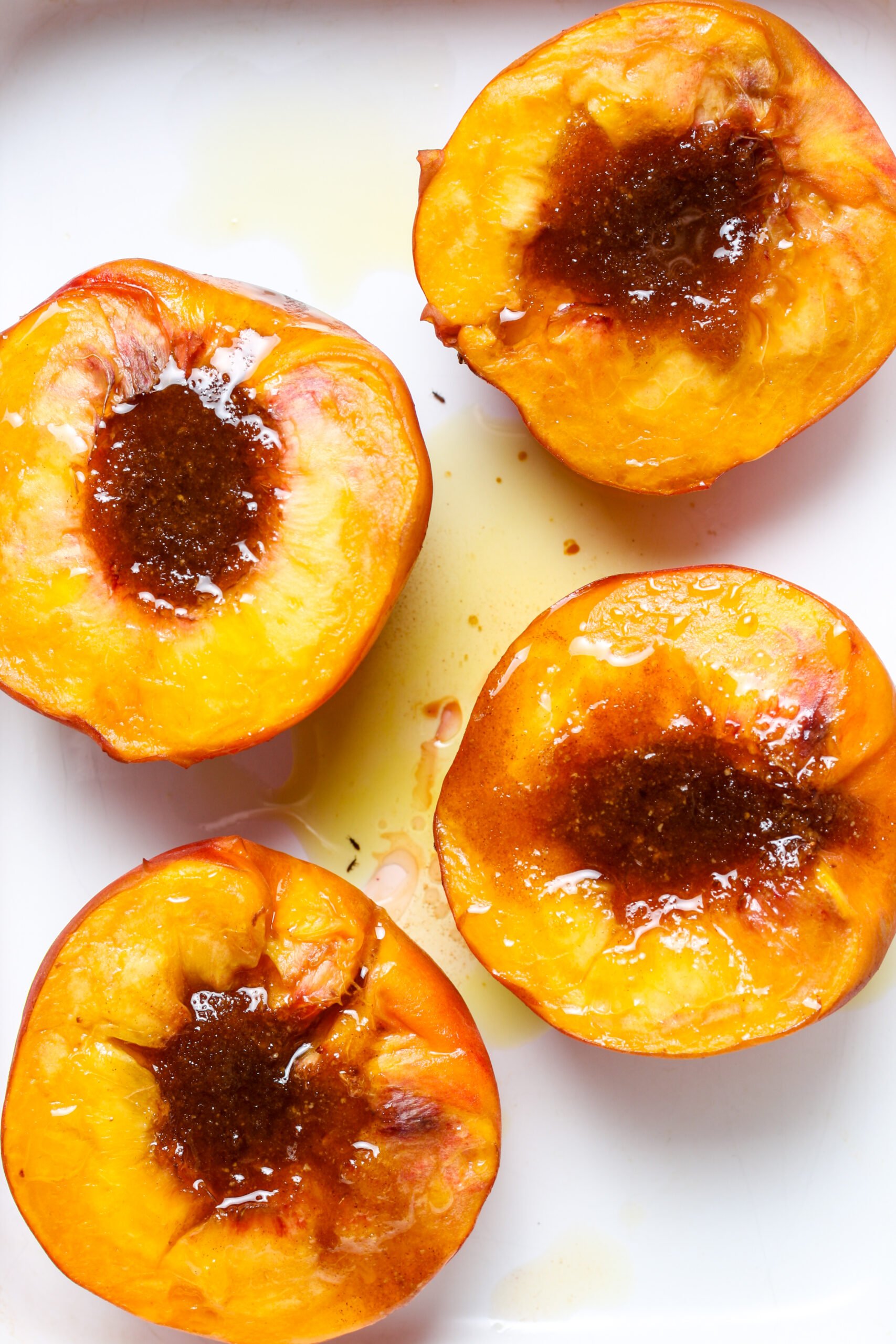
- The Infusion Phase: After the initial baking interval, the cavity of the peach is filled with a mixture of butter, cinnamon, and sugar. This allows the ingredients to meld with the fruit’s natural juices, creating a syrupy reduction that accumulates in the center of the cavity.
- Final Tempering: A secondary bake of 10 to 12 minutes ensures that the filling is fully incorporated. The final result is a dish that transitions from a temperature-controlled oven to the table, often served with a temperature-contrasting element such as chilled vanilla ice cream.
Economic and Nutritional Implications
The popularity of this preparation method is supported by the economic viability of the ingredients. As inflation impacts the cost of pre-packaged, processed desserts, consumers are increasingly turning to whole-food alternatives. A basket of seasonal peaches represents a low-cost, high-yield ingredient set. Furthermore, by controlling the sugar content and fat sources, individuals can curate a dessert that adheres to various dietary preferences, such as gluten-free or refined-sugar-free diets.
Nutritionally, peaches are a significant source of vitamins A and C, potassium, and dietary fiber. While the addition of sugar and butter increases the caloric density of the final product, the foundational ingredient remains a nutrient-dense fruit. The pairing with high-quality, artisanal vanilla ice cream or a cultured, protein-rich dairy product like Greek yogurt transforms the dessert into a more balanced treat, offering a mix of healthy fats, proteins, and simple carbohydrates.
Professional Observations and Culinary Trends
Leading culinary professionals and food stylists have noted that the "rustic" nature of baked peaches aligns with current aesthetics in food media. The emphasis is no longer on elaborate, structured cakes, but on the raw beauty of ingredients. The visual appeal of the bubbling, golden-brown fruit, often photographed in ceramic baking dishes, has become a staple of seasonal recipe content.
Industry analysts suggest that this trend is part of a larger movement toward "permissible indulgence." By focusing on fruit-forward desserts, home cooks feel they are making a conscious choice to consume less processed additives while still fulfilling the social and sensory requirements of a dessert course.
Expert Recommendations for Optimal Results
For those seeking to perfect this preparation, experts emphasize several critical factors:
- Ripeness Assessment: A peach should be firm enough to hold its shape but yield slightly to gentle pressure. Overripe fruit will disintegrate during the baking process, while under-ripe fruit will remain woody and lack the necessary sugar concentration for effective caramelization.
- Containment: The use of a rimmed baking dish is essential to capture the liquid released by the fruit. These juices are not mere waste; they are the concentrated essence of the peach and serve as an excellent sauce for the final plating.
- Variety Selection: While standard yellow peaches are the most common, white peaches can be used for a more delicate, floral flavor profile. However, white peaches tend to have higher acidity and lower sugar content, which may require a slight adjustment in the added sweetener.
Future Outlook and Broader Culinary Impact
As the agricultural sector continues to innovate with cross-pollination and sustainable farming practices, the availability of high-quality stone fruit is likely to remain stable. The resurgence of interest in simple, oven-baked preparations ensures that the culinary techniques applied to the peach will likely be adapted to other seasonal fruits, such as plums, nectarines, and late-season apples.
The impact of this trend is a democratization of gourmet techniques. By simplifying the process of baking fruit, the barrier to entry for creating a high-quality dessert is lowered, encouraging a more widespread appreciation for seasonal eating. As consumers continue to seek transparency in their food sources and a return to fundamental cooking practices, the simple, elegant baked peach will likely remain a fixture of the seasonal culinary calendar for years to come.