The Dynamic Lexicon: How Portmanteaus and Neologisms Reflect Evolving Culture and Communication

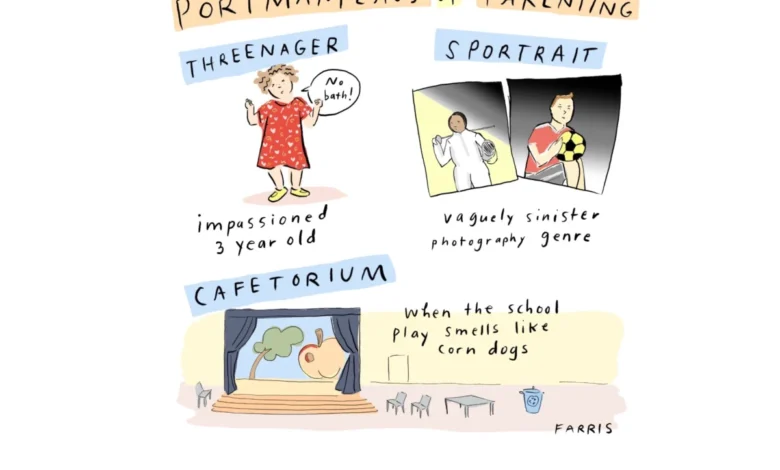
The landscape of modern language is a vibrant, ever-shifting terrain, continuously sculpted by the ingenuity of its speakers. A recent surge in public discourse, exemplified by online forums and community observations, highlights the pervasive and often humorous creation of portmanteaus and neologisms. These linguistic innovations, ranging from personal household terms to widely recognized cultural markers, offer a fascinating glimpse into contemporary life, reflecting shared experiences, anxieties, and cultural touchstones. From "Sportraits" capturing athletic intensity to "hangxiety" defining post-indulgence dread, and even specialized terms for parenting milestones or medical professionalism, the coining of new words is a testament to language’s adaptive capacity.
The Anatomy of a Portmanteau and Neologism
At its core, a portmanteau is a linguistic blend of two or more words and their meanings into one new word, such as "smog" (smoke + fog) or "brunch" (breakfast + lunch). The term itself was coined by Lewis Carroll in his 1871 novel Through the Looking-Glass, where Humpty Dumpty explains to Alice that words like "slithy" (lithe + slimy) are like a "portmanteau" — a suitcase with two compartments, holding two meanings. Neologisms, on the other hand, are newly coined terms, words, or phrases that may or may not be portmanteaus, but are not yet fully accepted into mainstream language. They often arise to describe new concepts, technologies, or nuances of human experience for which existing vocabulary feels inadequate.
The appeal of portmanteaus lies in their descriptive efficiency and often their inherent wit. They condense complex ideas or common experiences into a single, memorable unit. This linguistic economy is particularly valuable in fast-paced communication environments, from social media to casual conversation. Their creation is not merely a linguistic exercise but a cultural barometer, signaling shifts in societal norms, humor, and shared understanding.
Observations from the Cultural Tapestry: A Spectrum of New Words
Recent community feedback underscores the widespread adoption and appreciation of these linguistic blends. One notable example, "Sportraits," describes the distinctive, often intense, portraits taken of athletes. This term, observed particularly during graduation season where large banners feature high school and college seniors, perfectly encapsulates the fusion of sports and portraiture, highlighting a specific visual cultural phenomenon. The perceived lack of smiles and the "tough" demeanor in these images, as one observer noted, adds a layer of cultural commentary on expectations within sports photography.
Beyond the public sphere, portmanteaus flourish within the intimacy of households. The term "chalmonds" (chocolate-dusted almonds) exemplifies how families create their own lexicon for everyday items, so ingrained that speakers might "forget that they aren’t the real thing." Another household, for instance, humorously refers to caramel and chocolate-covered macadamia nuts as "Blobs," integrating this neologism into their daily routines and even using it as a reward system, demonstrating the deep personal and functional utility of these invented words. This phenomenon of creating private linguistic shorthand speaks to the human need for shared identity and internal humor within close-knit groups.
Navigating Life’s Stages: From Parenting to Professionalism
The creation of new words often addresses specific life stages or professional contexts, where existing language might fall short in describing unique challenges or joys. "Snacktivity," for example, describes a "crafty mess that’s mostly frosting," a term undoubtedly familiar to parents navigating children’s creative endeavors. This blends "snack" and "activity," capturing the dual nature of an often messy, food-involved creative play.
The demanding journey of pregnancy also inspires unique linguistic expressions. One candid account shared the term "hornauseous," a blend of "horny" and "nauseous," to describe the paradoxical hormonal surges experienced during pregnancy. This frank and humorous portmanteau highlights the often-unspoken realities of physiological changes and the coping mechanisms, including linguistic ones, employed by individuals and couples.
The medical profession, with its intense learning curve and unique experiences, is another fertile ground for specialized language. While "see one, do one, teach one" is a long-standing adage guiding clinical competency, the broader trend of coining terms extends to the emotional and practical aspects of the profession. This context is particularly relevant to the work of authors like Grace, whose book Mom Milestones has resonated with new mothers and whose upcoming book is anticipated by those in or entering the medical profession. Such works often serve to validate and articulate experiences that might otherwise remain unaddressed, potentially incorporating or inspiring new terminology that speaks directly to these communities. The enthusiastic reception of Grace’s books underscores the demand for language that precisely captures the nuances of significant life transitions and professional journeys.
The Socio-Emotional Landscape: Anxiety and Avoidance
Portmanteaus also provide concise labels for complex emotional or behavioral states that have become increasingly prevalent in modern society. "Hangxiety," a blend of "hangover" and "anxiety," perfectly captures the specific brand of dread and panic experienced after excessive alcohol consumption. This term has rapidly gained traction, reflecting a growing awareness and discussion around mental well-being and the physiological aftermath of social indulgence. Its popularization indicates a collective recognition of a distinct emotional state previously lacking a dedicated descriptor. One user’s vivid account of a "hangxiety attack" subsiding only after dark chocolate and dinner underscores the real impact and shared understanding of this neologism.
Similarly, "procrasticlean" (procrastinate + clean) describes the common act of avoiding an important task by engaging in another, less critical, but still productive activity like cleaning. This term speaks to universal human tendencies towards avoidance and the often-ironic ways individuals manage their to-do lists. The humor in such terms helps normalize these behaviors, fostering a sense of shared experience. The distinction between actively "procrasticleaning" and simply "avoiding, period," as one commentator put it, further refines the understanding of this behavioral phenomenon.
Even broader societal anxieties find expression in new linguistic forms. The French term "facho-anxiété" (fascist anxiety), inspired by "eco-anxiety," points to a global concern regarding political extremism and its psychological toll. This neologism reflects a societal need to articulate and collectively process anxieties stemming from significant sociopolitical developments, demonstrating language’s power to encapsulate complex collective emotions.
The Playfulness of Language: Humor, Pop Culture, and Community
The playful aspect of language is evident in many newly coined words. "Shenaniganizing," for instance, describes the act of "actively working on the plans for some shenanigans," capturing the precursor to mischievous acts. This imaginative verbalization adds a layer of anticipation and humor to the planning of lighthearted mischief, particularly among groups. The idea that "things get too quiet because of the plotting in the other room" perfectly illustrates the context in which "shenaniganizing" comes to life.
Pop culture, especially celebrity culture, has long been a rich source of portmanteaus. "Brangelina" (Brad Pitt + Angelina Jolie) and "Bennifer" (Ben Affleck + Jennifer Lopez) are prime examples of how the media and public condense celebrity couples into catchy, memorable terms. These blends not only simplify reporting but also reflect the public’s engagement with and categorization of cultural figures. "Choppleganger," though less widely known than its celebrity counterparts, likely refers to a "chopped" or altered doppelganger, showcasing the creative spirit in describing visual resemblances or manipulations.
Even institutional settings adopt such linguistic shortcuts. The "Cafegymatorium" — a room used for lunch, gym classes, and as an auditorium — is an official, plaque-bearing term at one school, highlighting how practical necessity and descriptive utility can formalize a portmanteau within a specific community. Similarly, "Tracklete" for an athlete competing in track and field, demonstrates a simple yet effective way to specify a type of athlete.
The Broader Implications: Language as a Living System
The ongoing creation and adoption of portmanteaus and neologisms underscore several fundamental aspects of language:
- Dynamic Nature: Language is not static; it constantly evolves to meet the communicative needs of its users. New words arise to fill lexical gaps, describe novel concepts, or express nuances that older words cannot.
- Cultural Reflection: The types of words coined often reflect dominant cultural concerns, technological advancements, social trends, and shared humor. The prevalence of terms related to anxiety, productivity, or specific community experiences speaks volumes about contemporary life.
- Cognitive Efficiency: Portmanteaus offer a cognitive shortcut, packaging two concepts into one word, which can make communication more efficient and memorable.
- Community Building: Shared neologisms can foster a sense of belonging and inside jokes within families, professional groups, or online communities. They create a common lexicon that strengthens group identity.
- Democratization of Language: In the digital age, the power to coin and popularize new words is increasingly decentralized. Social media platforms and online forums act as incubators for new terms, allowing them to spread rapidly and gain traction without needing official sanction from lexicographers.
While not all neologisms gain widespread acceptance or enter dictionaries, their continuous emergence is a vital sign of linguistic health and human creativity. Lexicographers, who serve as the gatekeepers of formal language, often monitor these trends, eventually adding terms that demonstrate sustained usage and clear meaning to official lexicons. The process of lexicalization—where a new word becomes part of a language’s established vocabulary—is a slow but continuous one, driven by the collective usage of speakers.
In conclusion, the vibrant ecosystem of portmanteaus and neologisms observed in recent discourse is far more than mere linguistic curiosity. It is a powerful indicator of how humans adapt language to articulate their evolving experiences, emotions, and cultural landscapes. From the specific demands of parenting and professional life to the universal anxieties of modern existence and the playful spirit of communication, these new words serve as essential tools, enriching our ability to understand and connect with one another in an ever-changing world. They remind us that language is a living, breathing entity, perpetually shaped by the collective imagination and shared realities of its users.
Related posts: