Navigating Teen Nutrition: A Comprehensive Guide to 30+ Protein Snacks and Dietary Requirements for Growing Adolescents


The phenomenon known colloquially as the "second dinner"—often consumed late at night or shortly after a full evening meal—is a familiar reality for households with teenagers. Driven by rapid physiological transformations, hormonal shifts, and accelerated skeletal development, adolescents experience a constant state of biological demand. To keep pace with these high-energy requirements, their bodies need adequate fuel, with protein playing a critical role in providing sustained satiety and supporting overall growth.
In recent years, internet culture and fitness trends popularized on social media platforms have promoted extreme protein consumption, often referred to as "protein-maxxing." However, pediatric nutritionists and registered dietitians emphasize that the average teenager’s nutritional reality differs significantly from viral online fitness advice. Most adolescents already consume sufficient protein for basic biological functions through a standard, varied diet. The primary objective for parents is not to artificially inflate protein intake, but rather to provide nutrient-dense, satisfying snacks that fuel physical activity, support growth spurts, and stave off frequent hunger.
Understanding Adolescent Protein Requirements
To evaluate whether teenagers are receiving adequate nutrition, health professionals reference the Recommended Dietary Allowances (RDA) established by health authorities. These baseline figures represent the minimum daily intake necessary to prevent deficiencies and support basic physiological needs during adolescence.

According to government nutritional surveys, most teenagers comfortably exceed these baseline minimums. Statistical data indicates that teenage boys consume an average of approximately 86 grams of protein per day, while teenage girls average around 62 grams. Both figures sit comfortably above the baseline RDA thresholds for their respective age and developmental brackets.
The primary exception to this trend involves adolescents—particularly teenage girls—who restrict their total caloric intake for weight management or aesthetic reasons. Caloric restriction frequently leads to a corresponding drop in protein and essential micronutrient intake. Pediatricians and registered dietitians recommend professional consultation for families navigating restrictive eating patterns to ensure adolescent development is not compromised.
The Role of Whole Foods Versus Supplements
When stocking a kitchen for hungry teenagers, nutritional experts advocate prioritizing whole foods over processed protein powders, shakes, and bars. Whole foods—such as Greek yogurt, eggs, cheese, legumes, and nuts—offer a comprehensive nutritional package that includes vital micronutrients like calcium, iron, and fiber, which are essential for adolescent bone density and metabolic health.
While protein powders and specialized supplements offer convenience, dietitians advise caution. Many commercial powders contain lengthy ingredient lists, proprietary herbal blends, or non-nutritive, artificial sweeteners like stevia. For teens who choose to incorporate protein powders into smoothies or post-workout drinks, professionals recommend selecting brands with minimal, transparent ingredient lists and utilizing less than the standard serving size recommended on the product label. This approach prevents excessive protein intake while offering economic value.

Nutritional Breakdown: Categorizing Protein Snacks
To assist parents in providing balanced options, nutritionists organize snacks by their protein content, ensuring teens receive adequate nourishment without over-relying on concentrated supplements.
Snacks Containing 5 to 9 Grams of Protein
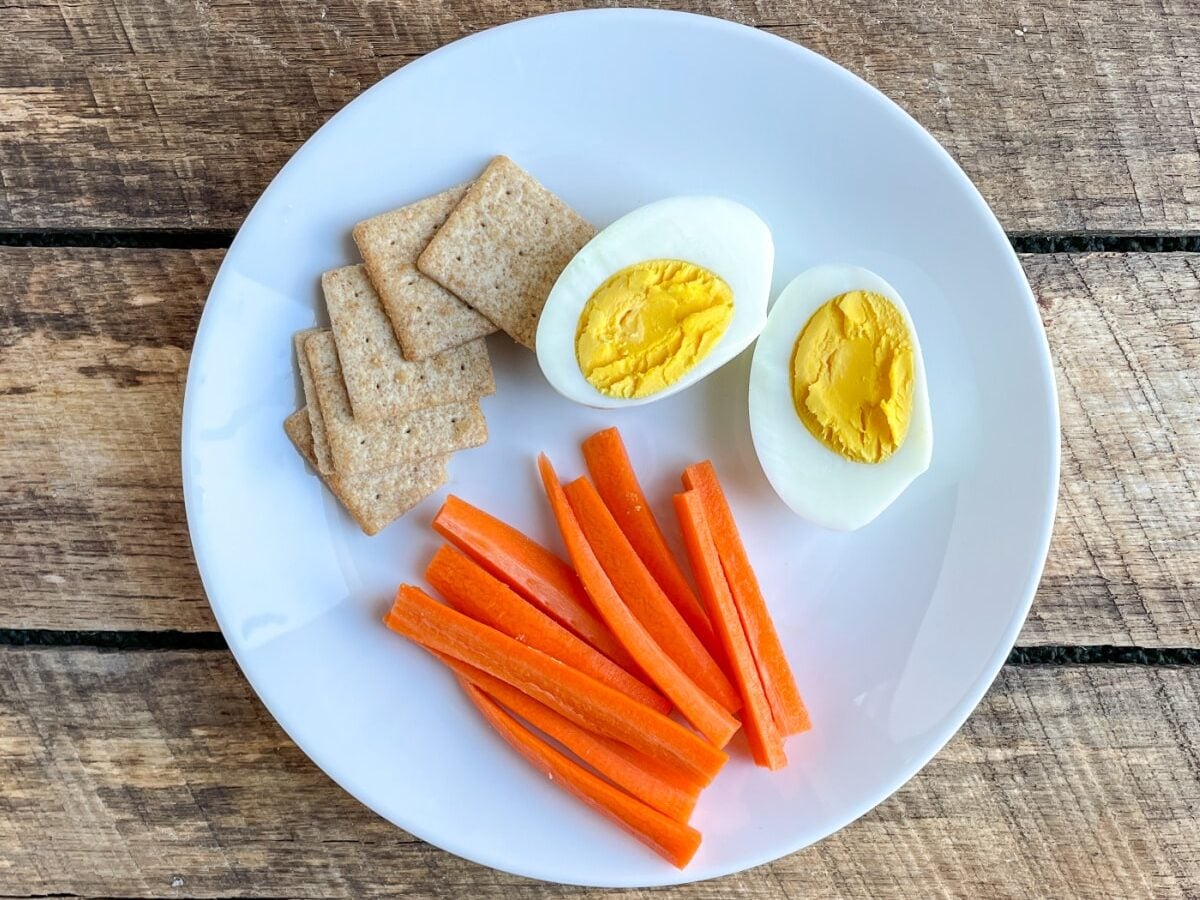
These lighter options are ideal for an immediate after-school bridge between lunch and dinner. Examples include hard-boiled eggs, small servings of string cheese, a handful of almonds, or a cup of low-fat milk. These foods provide a modest protein boost alongside healthy fats and calcium.
Snacks Containing 10 to 15 Grams of Protein
Bridging the gap toward more substantial nourishment, options in this range include single-serve Greek yogurt cups, cottage cheese with fruit, edamame, and peanut butter spread on whole-grain toast. These choices help stabilize blood sugar levels and maintain satiety during active afternoons.
High-Protein Snacks Containing 15 to 20 Grams of Protein
Ideal for teen athletes or those experiencing intense growth spurts, this category includes tuna or salmon pouches paired with whole-grain crackers, specialized protein waffles, or dairy-based smoothie bowls. When these options incorporate protein powder, careful portion management ensures the nutrient profile remains balanced.
High-Protein Snacks Containing 20 to 30 Grams of Protein
Representing the upper threshold of what the human body can efficiently utilize in a single sitting for muscle synthesis, these robust snacks include high-protein dairy products, layered bean dips with whole-grain tortilla chips, and substantial homemade protein pancakes stored for quick reheating.
Frequently Asked Questions: Protein and Teenagers
Do most teenagers get enough protein?
Yes. Nutritional surveys consistently demonstrate that the vast majority of teenagers exceed minimum daily requirements simply by eating a standard, varied diet. Protein deficiency is exceptionally rare among healthy adolescents in developed nations.
Do teen athletes require additional protein?
Adolescents engaged in rigorous athletic training have elevated physiological demands. Sports nutrition guidelines generally suggest an intake of approximately 0.8 to 0.9 grams of protein per pound of body weight for active teens. For example, a 130-pound athlete requires roughly 104 to 117 grams daily. Experts recommend distributing this intake evenly across meals and snacks rather than consuming large quantities at once, pairing protein with carbohydrates following intense workouts.
Does consuming excess protein build additional muscle?
Contrary to popular fitness mythology, muscle growth is stimulated by mechanical tension—primarily resistance exercise and physical training—rather than excessive protein consumption. Any protein consumed in amounts exceeding the body’s metabolic and structural needs is not converted directly into muscle mass; instead, it is utilized for energy or stored as fat. Furthermore, scientific literature indicates the human body can utilize approximately 25 grams of protein at one time for muscle protein synthesis, rendering massive single-dose protein loads inefficient.

Is protein powder safe for adolescent consumption?
While generally safe in moderation, protein powders are rarely necessary. Whole food sources provide superior nutritional value. Parents should scrutinize labels for heavy metal testing, third-party certifications, and artificial additives. Utilizing a fraction of a standard scoop is often sufficient to achieve nutritional goals while minimizing exposure to highly processed additives.
Can adolescents consume too much protein?
Yes. Overconsumption of protein, particularly when combined with dietary supplements, can lead to mild dehydration and places unnecessary processing demands on the kidneys. Additionally, excess caloric intake from any macronutrient can contribute to unwanted weight gain.
How can plant-based or vegetarian teens meet their needs?
Adolescents following vegetarian or vegan diets can easily achieve their protein requirements through plant-based staples. Dairy products, eggs, lentils, beans, tofu, tempeh, edamame, whole grains, and nutrient-dense vegetables provide ample amino acids when consumed in varied combinations throughout the day.
Best Practices for Kitchen Management
Dietary experts emphasize that accessibility dictates adolescent eating habits. To encourage healthy choices, parents are advised to maintain a kitchen stocked with visible, grab-and-go items positioned front and center in refrigerators and pantries. Pre-portioned Greek yogurt, individual cheese sticks, ready-to-eat hard-boiled eggs, canned tuna pouches, and frozen edamame remove logistical barriers, ensuring that when hunger strikes, adolescents have immediate access to balanced, wholesome nutrition.