The Unspoken Sisterhood: How a Simple Act of Maternal Kindness in New York City Highlights the Invisible Safety Net of Modern Motherhood

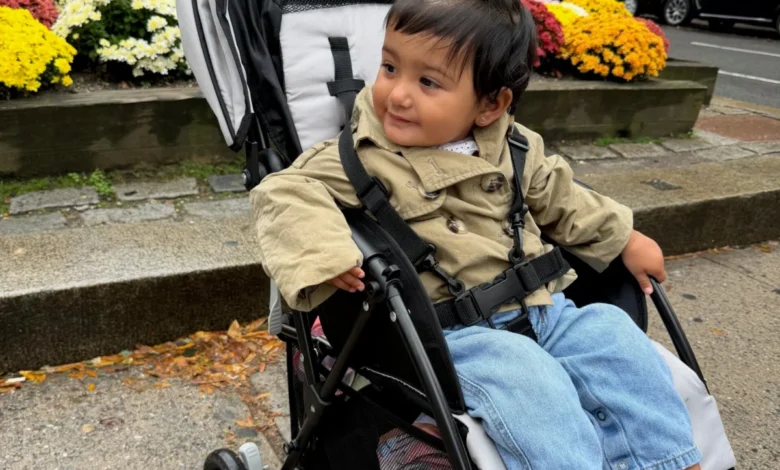
Balancing professional responsibilities with the unpredictable demands of early childhood care remains one of the defining challenges of modern parenting. A recent high-profile business trip to New York City by a working mother and her one-year-old daughter, Evelynn, has brought this delicate equilibrium into sharp focus. What began as a routine logistical hurdle in an unfamiliar urban environment ultimately evolved into a widely discussed testament to the informal, compassionate safety net sustained daily by mothers worldwide. The incident, which has since resonated deeply within digital parenting communities, underscores both the systemic vulnerabilities faced by traveling parents and the profound cultural significance of maternal solidarity in public spaces.
The Logistics of Traveling Parenthood: Background and Chronology
The events unfolded earlier this month during a tightly scheduled professional excursion to Manhattan. The traveler, accompanied by her one-year-old toddler, had arranged for local support—specifically friends named Angela and Ally—to provide childcare during primary working hours. For the mother, the itinerary promised a mix of high-profile professional engagements: a team luncheon at the renowned Brooklyn restaurant Sailor, coverage of civil ceremonies at New York City Hall, and brief interludes for personal wellness.
However, the psychological weight of balancing career ambitions with maternal duties manifested early. On the second morning of the trip, following a peaceful dawn stroll through a Manhattan park, a sudden crisis emerged. Upon reaching into the diaper bag for a pacifier to soothe the toddler, the mother realized the essential item had been inadvertently left behind at the hotel.
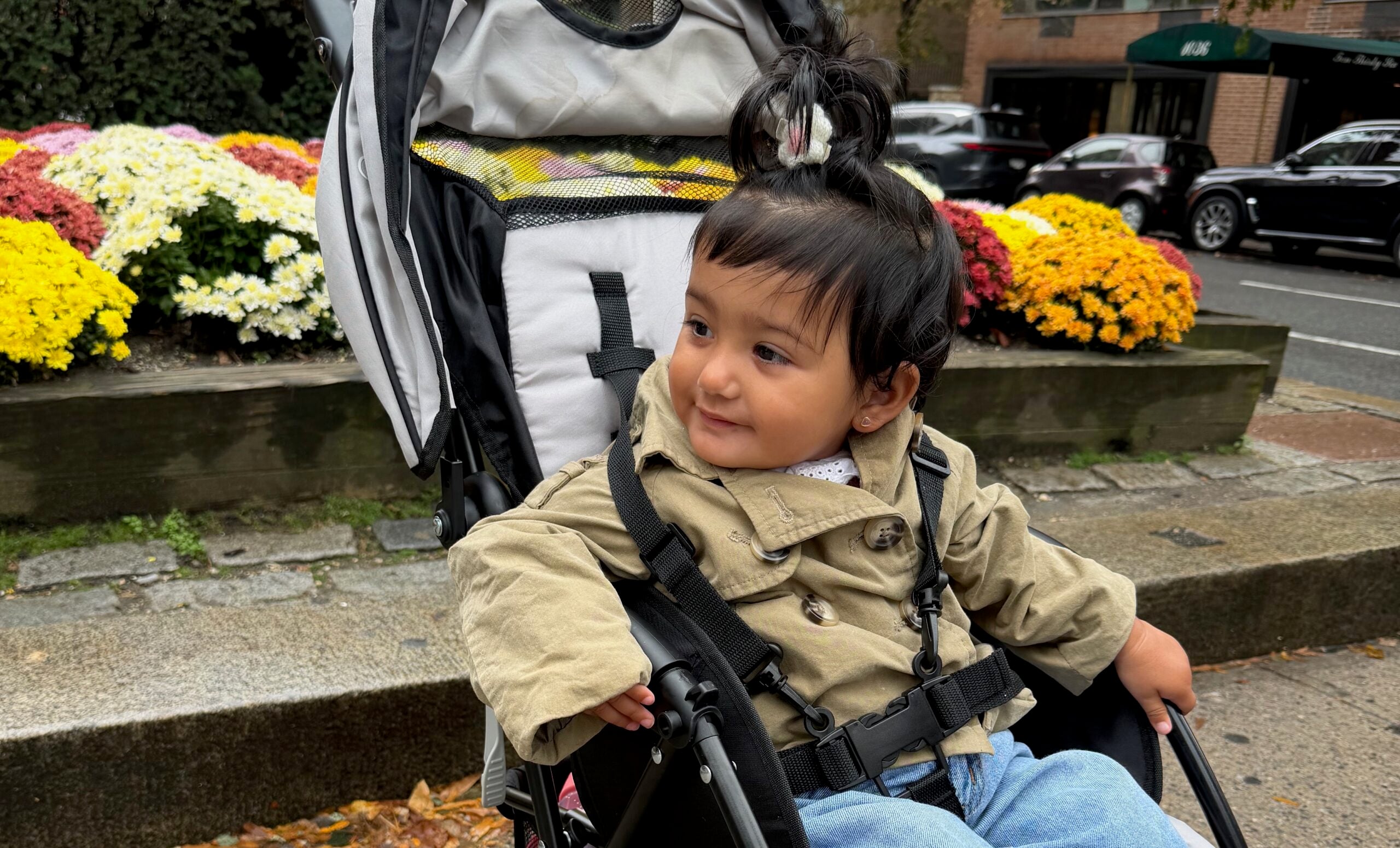
Faced with the imminent prospect of an inconsolable infant in a bustling metropolitan setting, the mother’s anxiety spiked. Recognizing the urgency, she quickly located a nearby neighborhood pharmacy. Upon navigating to the establishment’s baby care aisle, she discovered that standard pacifiers were either out of stock or absent from the immediate shelves, compounding her distress.
The Intervention: A Moment of Unprompted Generosity
At the height of her panic, the mother turned to a fellow shopper—an anonymous woman navigating the same aisle with her own infant safely secured in a stroller. Seeking simple guidance on store inventory, the traveling mother asked if the establishment carried the needed item.
Rather than offering a perfunctory response, the stranger immediately shifted from a casual observer to an active participant in crisis resolution. After a joint search of the surrounding shelves yielded no results, the stranger offered a practical, immediate solution. Reaching into her personal tote bag, she produced a clean, spare pacifier, alleviating the situation instantly.
This brief interaction highlights a recurring phenomenon documented by sociologists and family psychologists: the spontaneous mutual aid networks that exist among primary caregivers in public domains. For the traveling mother, the gesture prompted an emotional response, crystallized by the realization that the most reliable support systems during moments of public parental vulnerability frequently come from complete strangers who share the lived experience of raising small children.
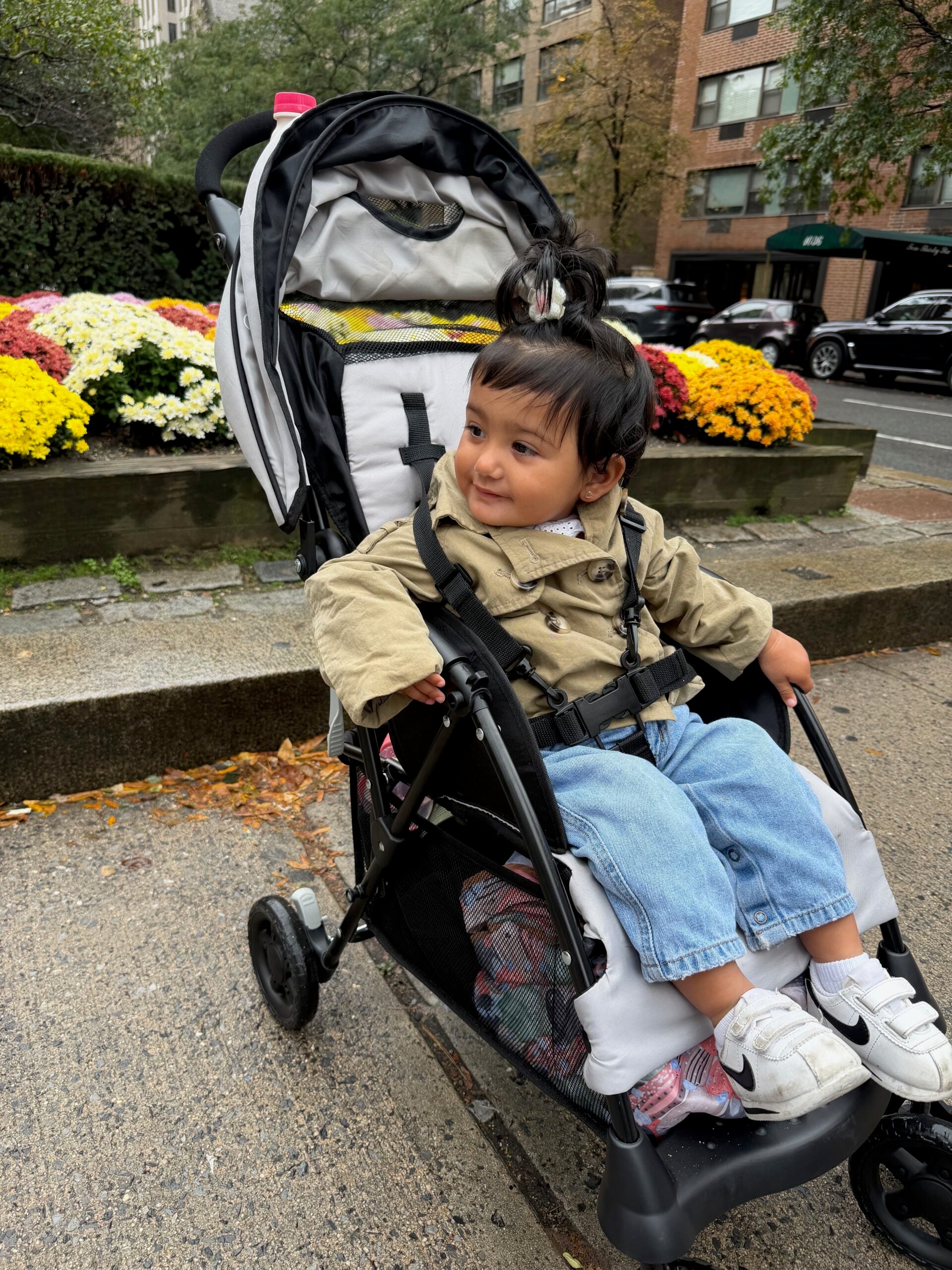
Broader Implications: The Structural and Social Realities of Modern Motherhood
The viral resonance of this Manhattan encounter opens a broader conversation regarding the infrastructure of support available to parents, particularly mothers navigating professional and personal spheres simultaneously. According to data from the U.S. Bureau of Labor Statistics, the vast majority of mothers with young children are active participants in the workforce, often requiring complex coordination between professional travel, childcare logistics, and domestic responsibilities.
Despite these economic realities, public infrastructure—ranging from transit systems to commercial establishments—frequently lacks intuitive accommodations for parents facing minor yet critical supply deficits. Public health experts note that early childhood soothing tools, such as pacifiers or specialized feeding equipment, are not merely accessories but functional necessities that regulate infant stress responses in overstimulating environments like New York City.
Furthermore, cultural commentators have drawn parallels between this recent incident and long-standing observations within the parenting community. Veteran parenting essayist Abbey Nova, reflecting on similar episodes of travel fatigue and logistical failure, has frequently emphasized that the unwritten code of motherhood relies heavily on redundancy—where one mother’s preparedness compensates for another’s momentary oversight. Nova’s past accounts of overwhelmed travelers receiving unprompted assistance with heavy luggage and toddlers point to a pervasive cultural ethos: an instinctive recognition of shared vulnerability among women traversing public spaces with dependents.
Economic and Social Impact Analysis
From a sociological perspective, interactions of this nature carry measurable psychological benefits for working parents. Occupational stress among traveling parents is heavily exacerbated by the fear of public disruption or perceived inadequacy in professional settings. When informal safety nets—such as the intervention by the anonymous pharmacy patron—successfully mitigate these disruptions, employee retention, travel compliance, and mental well-being among working parents show marked improvement.

Corporate policies regarding business travel for primary caregivers have increasingly come under scrutiny. While progressive organizations offer expanded childcare subsidies and flexible travel scheduling, the day-to-day micro-logistics of managing an infant in transit remain largely the individual responsibility of the parent. Incidents like the Manhattan pharmacy encounter underscore the degree to which working parents continue to rely on community-level goodwill to bridge the gap between institutional support and the realities of daily life.
Conclusion and Public Response
The narrative of Evelynn’s smooth transition through her New York trip, enabled in part by an anonymous act of kindness, has sparked widespread dialogue across parenting platforms and digital forums. As public discourse continues to examine the intersection of modern career demands and family life, stories of interpersonal solidarity serve as a reminder of the informal networks sustaining contemporary households.
Ultimately, the event transcends a simple anecdote about a misplaced infant accessory. It stands as an empirical reflection of the empathy, shared burdens, and unspoken alliances that characterize the collective experience of modern parenthood in densely populated urban centers.