The Ultimate Guide to Freezer-Ready, High-Protein Mozzarella-Stuffed Meatballs Created by Culinary Expert Sara Judkins


In the modern culinary landscape, the intersection of nutritional density and weeknight convenience has become the holy grail for busy households. Recognizing this demand, culinary creator Sara Judkins, widely known through her platform Hungry Nutrition, has introduced a breakthrough recipe that addresses the perennial challenge of providing wholesome, protein-rich meals without spending hours in the kitchen. The newly released recipe for high-protein, freezer-to-oven meatballs combines extra-lean ground beef, savory sausage, eggs, and hidden spinach, offering a versatile culinary solution designed to transition seamlessly from a freezer stash to a family dinner table.
The genesis of this recipe stems from a common pain point identified by family nutritionists and home cooks alike: the exhaustion associated with daily meal preparation and the difficulty of incorporating adequate vegetables into children’s diets. As modern families navigate increasingly hectic schedules balancing remote work, school, and extracurricular activities, the reliance on processed convenience foods has historically climbed. Judkins’ formulation counters this trend by pre-emptively shifting the labor of cooking to a designated meal-prep window, allowing parents to bypass raw meat handling and complex cleanup on chaotic weeknights.
Nutritional Profile and Macro-Driven Design
From a nutritional standpoint, the formulation of these meatballs is meticulously balanced to meet the macro-nutrient requirements of active families and fitness enthusiasts. By anchoring the recipe with extra-lean ground beef, the dish delivers a substantial amount of high-biological-value protein while keeping saturated fats manageable. To counteract the dryness often associated with very lean beef cuts, the recipe incorporates standard pork sausage, which acts as a natural fat and moisture binder.
According to culinary nutrition experts, combining different protein sources not only enhances the amino acid profile of a meal but significantly elevates the moisture retention and texture of ground meat dishes. Furthermore, the inclusion of whole eggs serves a dual purpose: they act as a structural binding agent to prevent the meatballs from crumbling during baking, and they introduce essential micronutrients, including choline and vitamin D.
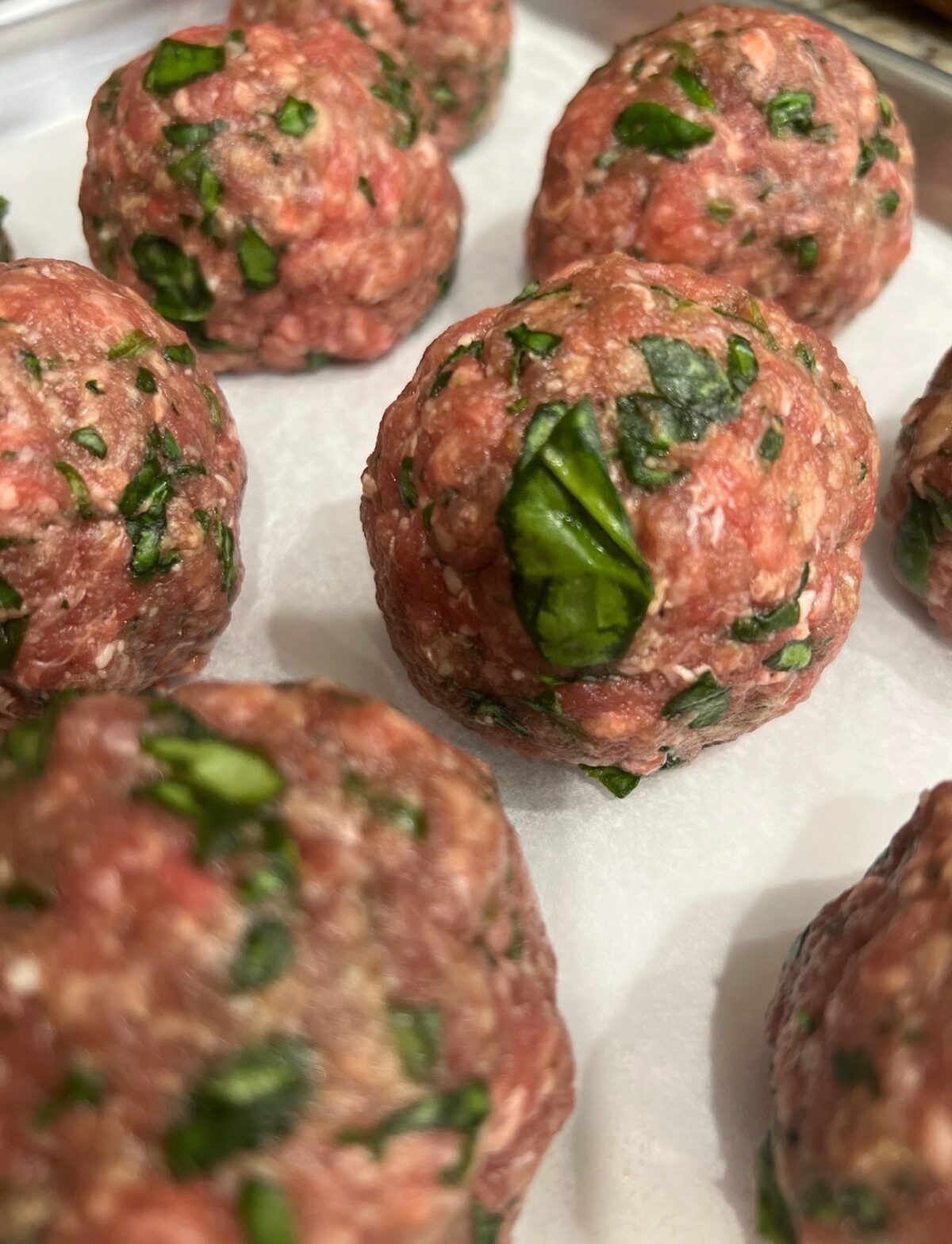
The integration of fresh spinach directly addresses a persistent hurdle in child nutrition—vegetable aversion. By finely chopping or pureeing the spinach before incorporation, the vegetable surrenders its distinct texture, blending seamlessly into the dark matrix of the seasoned meat. This culinary technique effectively leverages visual deception to ensure that children consume vital iron, folate, and vitamins A and C without sensory resistance.
Chronology and Preparation Workflow
The defining characteristic of Judkins’ recipe is its strategic reliance on freezer preservation technology. Traditional meatball recipes often require immediate cooking or complicated multi-stage browning processes that generate significant kitchen cleanup. This protocol, however, establishes a linear, stress-free chronology designed for advance preparation:
- The Sourcing and Blending Phase (Day Zero): Home cooks combine extra-lean ground beef, sausage, finely chopped spinach, eggs, and Italian seasonings in a large mixing vessel. The directive emphasizes gentle handling; overworking the ground meat can develop the proteins too tightly, resulting in a dense, rubbery texture rather than a tender bite.
- The Stuffed Core Integration: For a heightened sensory experience, cooks portion the meat mixture around a central cube of low-moisture mozzarella cheese. The choice of low-moisture cheese is deliberate, as fresh mozzarella releases excessive water content that can compromise the structural integrity of the meatball during the baking cycle.
- The Flash-Freeze Protocol: Formed meatballs are arranged on a parchment-lined baking sheet, ensuring adequate spacing. They are placed in the freezer until firm, a step that prevents individual pieces from freezing into a solid, unmanageable mass.
- Long-Term Storage: Once frozen solid, the meatballs are transferred into airtight freezer bags or vacuum-sealed containers, where they maintain optimal quality for up to several months.
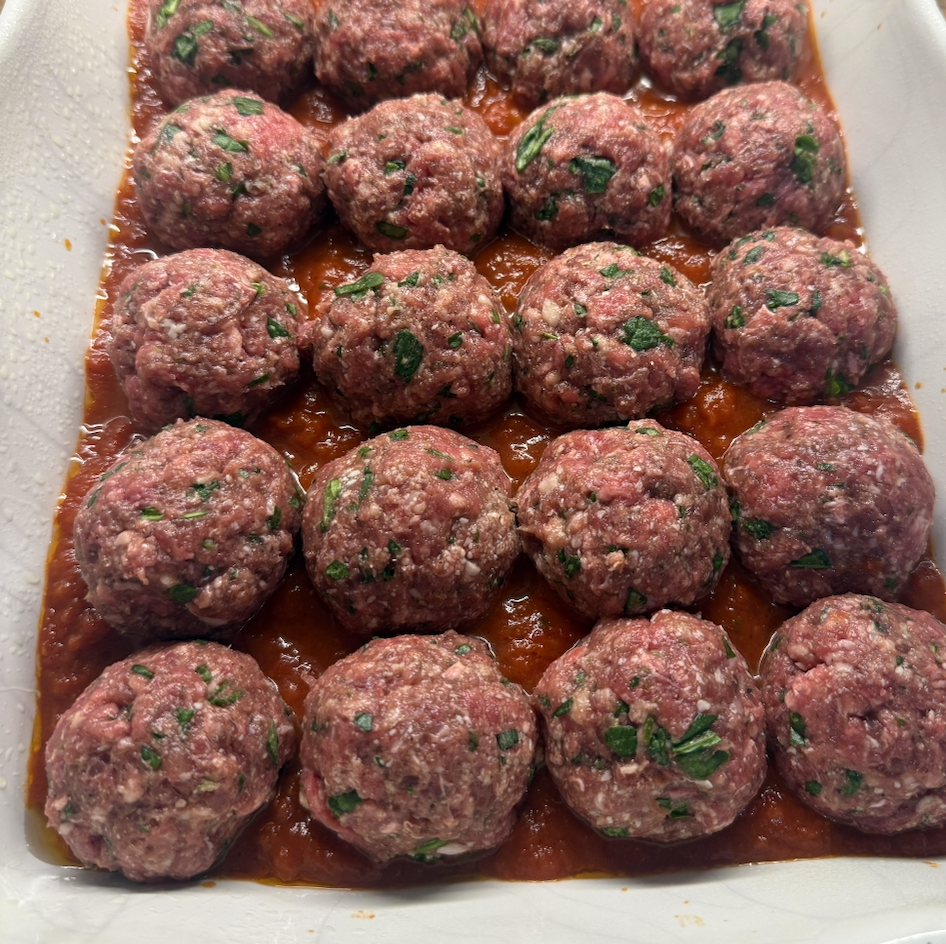
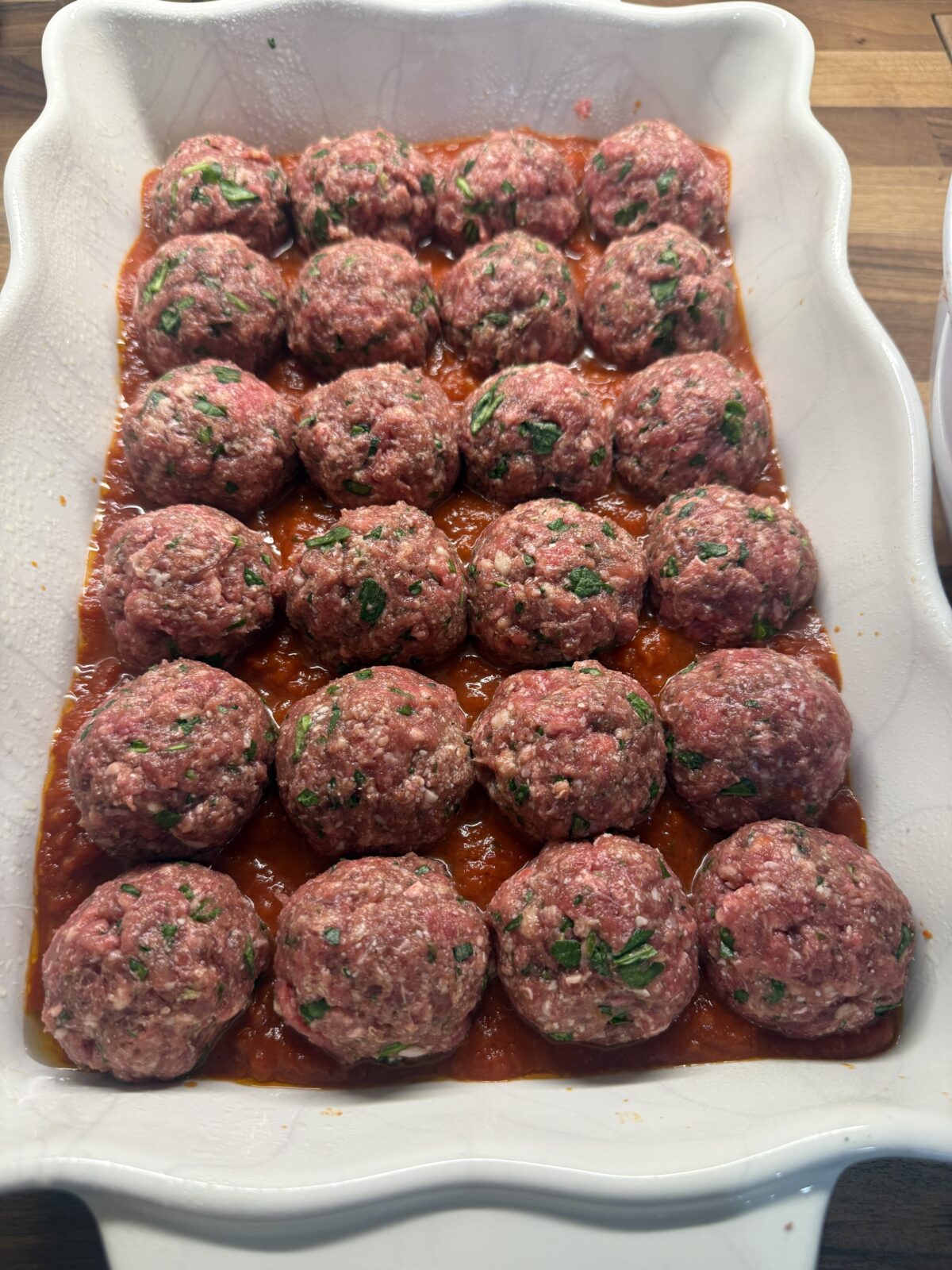
- The Freezer-to-Oven Execution: When dinner time arrives, the frozen meatballs require no thawing. They are placed directly into a baking dish, submerged in marinara sauce, and transferred straight to a preheated oven.
Culinary Variations and Dietary Adaptability
To accommodate diverse dietary preferences and pantry availabilities, the recipe features an extensive matrix of culinary substitutions. While standard pork sausage provides a classic profile, cooks can substitute turkey sausage, chicken sausage, or plant-based alternatives to align with specific dietary restrictions or personal preferences. However, food scientists note that substituting ultra-lean poultry without added fats may require minor adjustments in cooking times and moisture levels to prevent dryness.
Beyond the traditional Italian flavor profile anchored by garlic, oregano, and basil, the recipe serves as a modular canvas. Variations include:
- The Parmesan Infusion: Eliminating the mozzarella center in favor of folding finely grated Parmigiano-Reggiano directly into the meat mixture for a sharper, umami-forward flavor profile.
- Vegetable Expansion: Incorporating finely minced zucchini, mushrooms, or carrots, provided that high-water-content vegetables are pre-cooked and squeezed dry to prevent structural failure of the meatball.
- Sauce Diversification: Moving beyond traditional tomato marinara to feature pestos, creamy Alfredo reductions, or spiced curries, demonstrating the recipe’s cross-cultural adaptability.
Broader Economic and Family Implications
The release of high-yield, freezer-friendly recipes like Sara Judkins’ high-protein meatballs arrives at a time when consumers are increasingly conscious of food waste and grocery economics. Buying ground meats and bulk produce in large quantities and processing them into standardized, pre-portioned meals represents a proven cost-saving strategy for households managing tightening food budgets.
Furthermore, the emphasis on a 100% kid-approved flavor profile taps into the broader psychological dynamics of family dining. Mealtime friction is a noted stressor in domestic environments; dishes that bridge the gap between nutritional integrity and juvenile appeal contribute significantly to family well-being. By demystifying the incorporation of leafy greens and offering an interactive cheese-stuffed center, the recipe transforms a standard weeknight obligation into an engaging culinary experience.
As food content creators continue to prioritize functional recipes that reduce cognitive load at the end of the day, innovations like the freezer-to-oven meatball methodology underscore a permanent shift in how domestic cooking is conceptualized. By marrying meal-prep efficiency with robust macro-nutritional values, Judkins has provided a scalable blueprint for modern family nutrition that promises enduring utility in home kitchens.