A Lighter Spin on Comfort Food: The Rise of Shepherd’s Pie with Cauliflower Crust in Modern Home Cooking

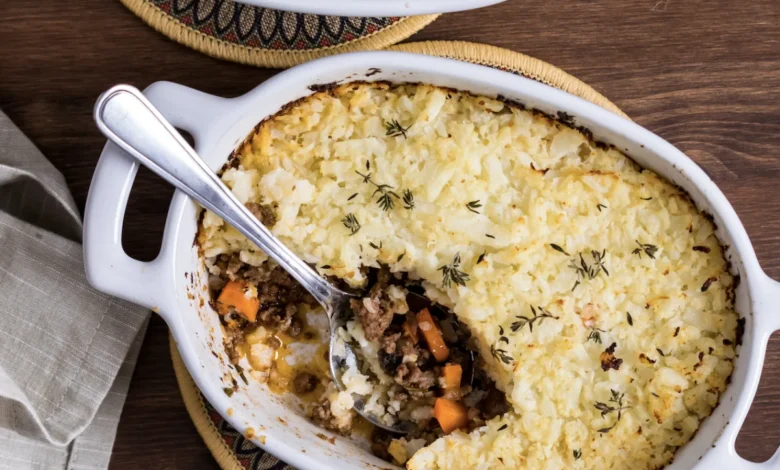
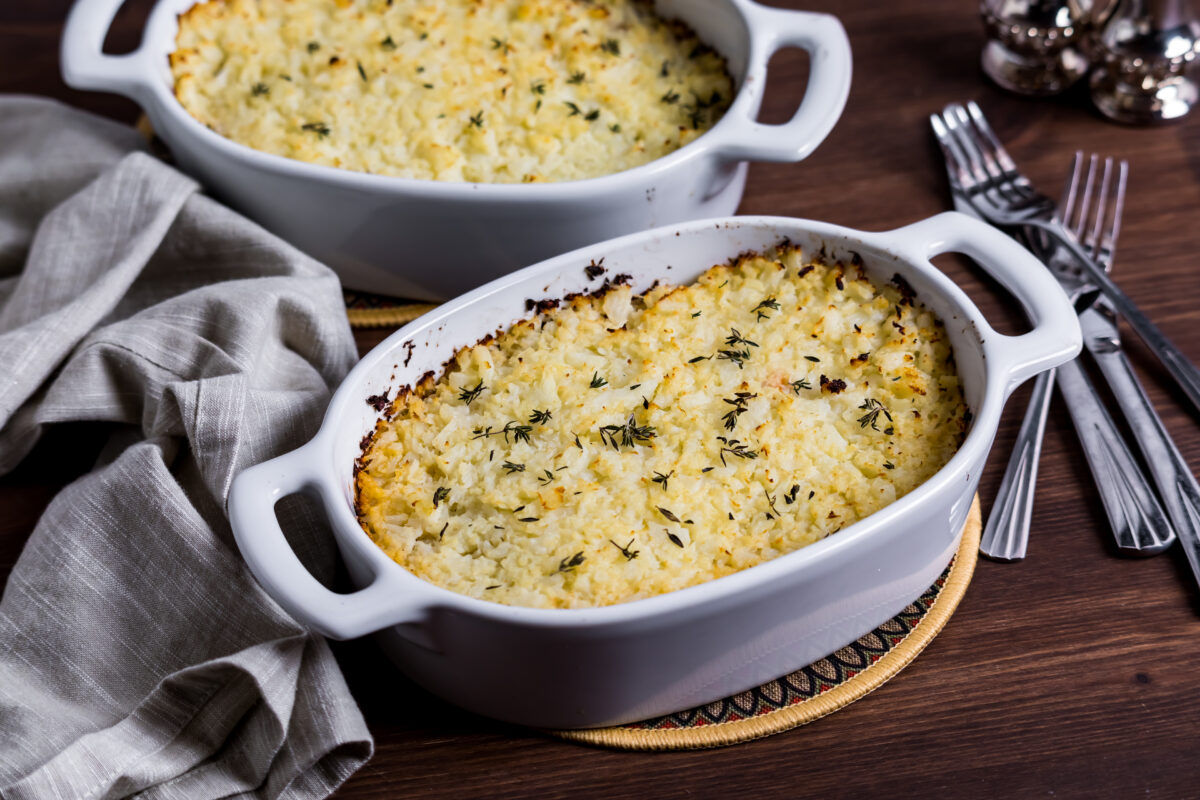
As culinary trends shift steadily toward nutrient-dense, vegetable-forward comfort foods, home cooks and professional nutritionists alike are rethinking traditional hearty meals. Among the most popular iterations of this culinary evolution is the shepherd’s pie featuring a cauliflower crust. By replacing the carbohydrate-dense, traditional mashed potato topping with a creamy, whipped cauliflower alternative, this updated recipe offers a lighter, lower-carbohydrate option without sacrificing the warmth and rich flavor profile families have cherished for generations.
The dish arrives at a time when consumer demand for healthier meal-prep alternatives, gluten-free choices, and family-friendly weeknight dinners is at an all-time high. Culinary experts note that incorporating alternative vegetables into comfort classics is a primary strategy used to combat vegetable fatigue among children and adults alike, bridging the gap between indulgent weekend dining and health-conscious weekday nutrition.
Understanding the Heritage: From Cottage Pie to Cauliflower-Topped Innovation
To appreciate the modern twist, food historians and culinary researchers often look back at the origins of the classic casserole. Traditionally, true shepherd’s pie is defined as a savory baked dish consisting of ground lamb or mutton mixed with onions, carrots, and peas, bound together in a rich gravy, and capped with a golden crust of mashed potatoes. When ground beef is substituted for lamb, the dish is historically categorized as a cottage pie, though modern lexicon frequently uses the terms interchangeably.
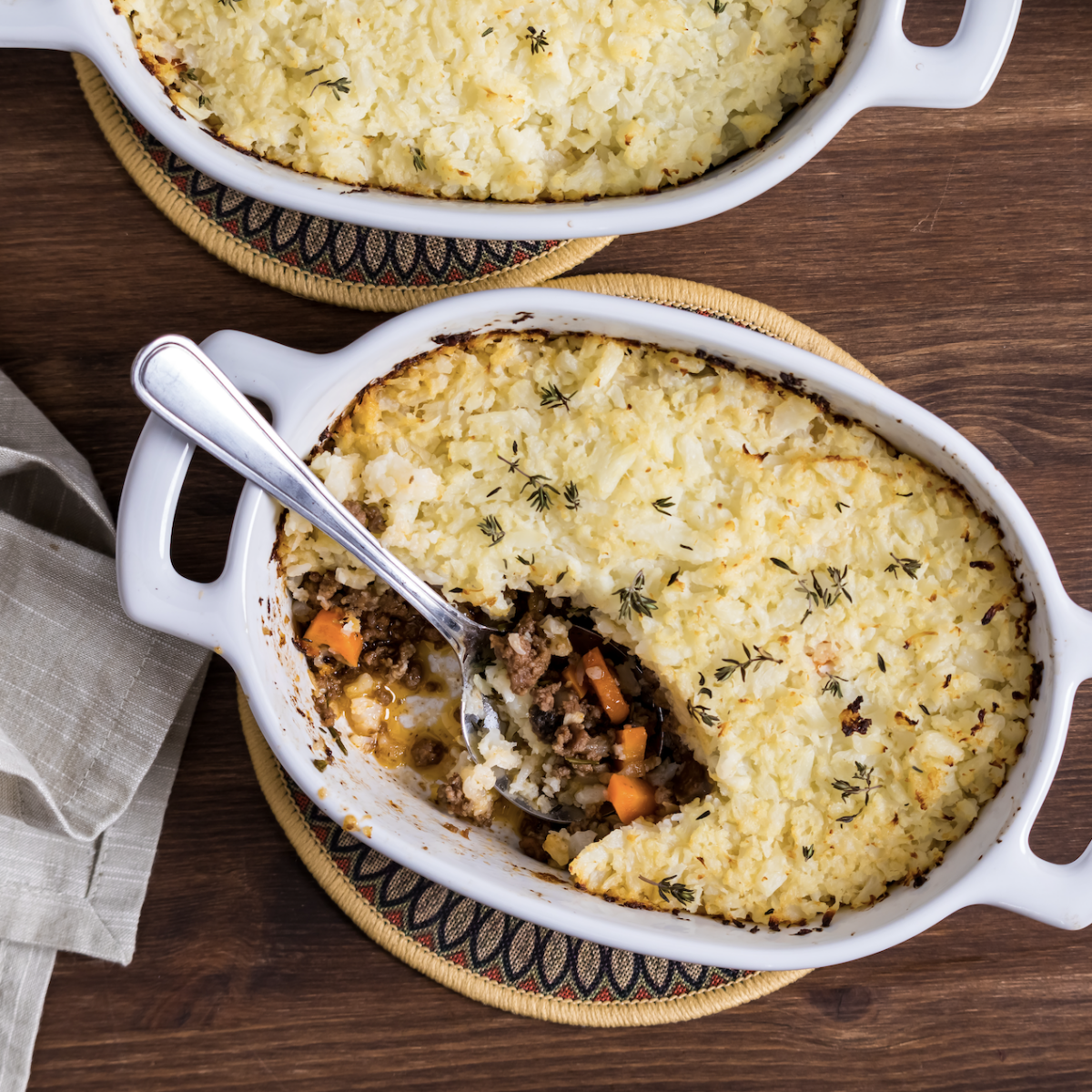
Over the centuries, the core concept of the dish has remained remarkably resilient, adapting to regional ingredient availability and changing dietary preferences. The introduction of a cauliflower-based topping represents the latest chapter in this evolution. Driven by the rise of low-carbohydrate and ketogenic diets in the late 2010s and early 2020s, cooks began experimenting with cruciferous vegetables as potato substitutes. Cauliflower, prized for its neutral flavor profile and ability to mimic the creamy texture of starches when blended, quickly emerged as the frontrunner.
Nutritional Analysis and Dietary Implications
From a dietary standpoint, replacing potatoes with cauliflower yields significant nutritional adjustments. Traditional mashed potatoes are rich in potassium and complex carbohydrates, but they also contribute a higher glycemic load and greater caloric density. Cauliflower, by contrast, is exceptionally low in calories and carbohydrates while offering a robust profile of vitamins C, K, and B6, along with essential dietary fiber and antioxidants.
Dietitians point out that this modification allows individuals managing blood sugar levels or seeking weight management to enjoy a deeply satisfying, protein-packed meal. When combined with a lean meat or lentil filling, the dish delivers a balanced ratio of macronutrients. Furthermore, incorporating Greek yogurt and a modest amount of Parmesan cheese into the cauliflower mash provides a boost of calcium and high-quality dairy protein, enhancing both texture and nutritional value.
Culinary Techniques: Mastering Moisture Control
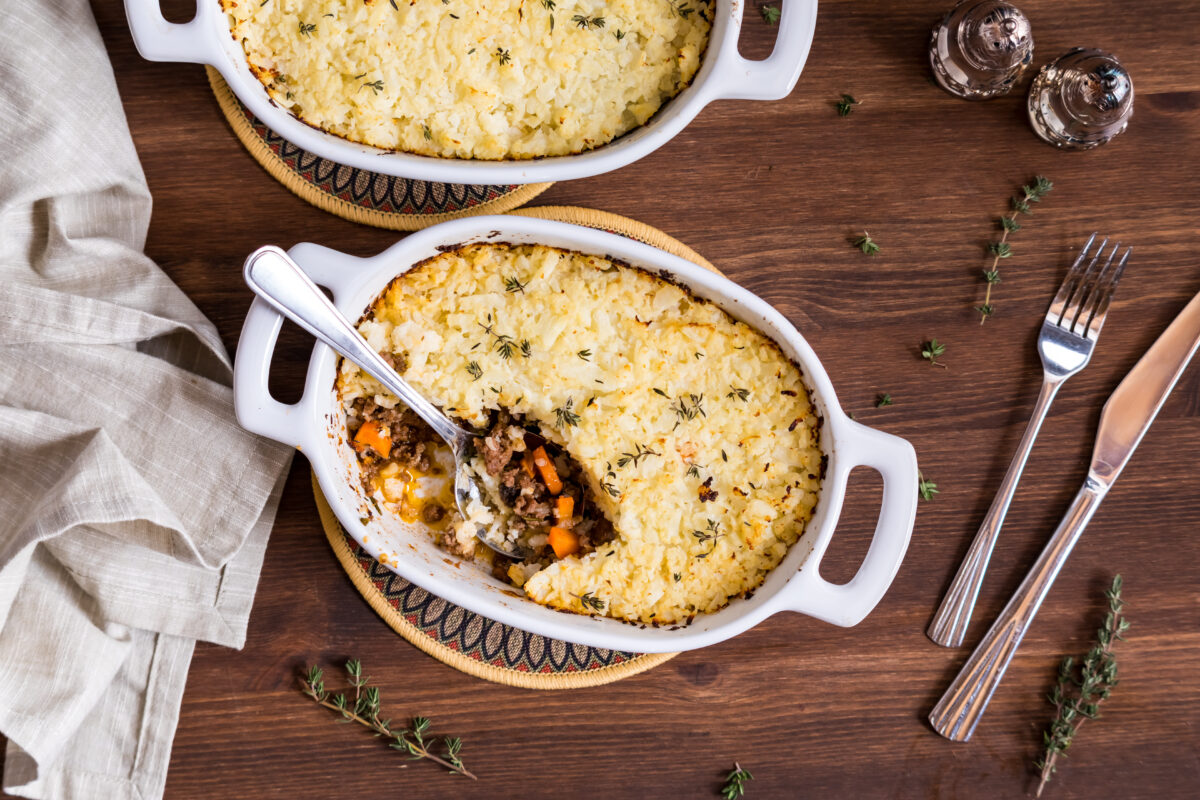
Despite its nutritional advantages, substituting cauliflower for potatoes presents a well-documented technical challenge: moisture content. While potatoes absorb moisture during boiling and mashing, cauliflower naturally retains a high volume of water. Without proper handling, a cauliflower topping can release liquid during the baking process, resulting in a watery casserole rather than a structured pie.
Culinary professionals and test kitchen developers emphasize several critical steps to ensure success. The primary rule is rigorous moisture extraction. Once the cauliflower is boiled or steamed until tender, it must be drained thoroughly and allowed to steam-dry in a warm colander. For optimal results, returning the drained cauliflower to a warm pot over low heat for one to two minutes encourages residual water to evaporate.
Additionally, chefs recommend utilizing binding agents such as grated Parmesan cheese and Greek yogurt, which not only contribute to a rich, velvety texture but also absorb excess liquids. Textural finishing touches, such as running the tines of a fork across the surface of the mash before baking, create ridges that catch the oven heat, producing an appealing golden-brown crust reminiscent of a traditional potato topping.
Meal Preparation and Freezer-Friendly Logistics
In the context of modern household management, meal-prep efficiency has become a decisive factor in recipe popularity. Weeknight time constraints mean that dishes capable of being assembled in advance, refrigerated, or frozen hold substantial value for busy families.
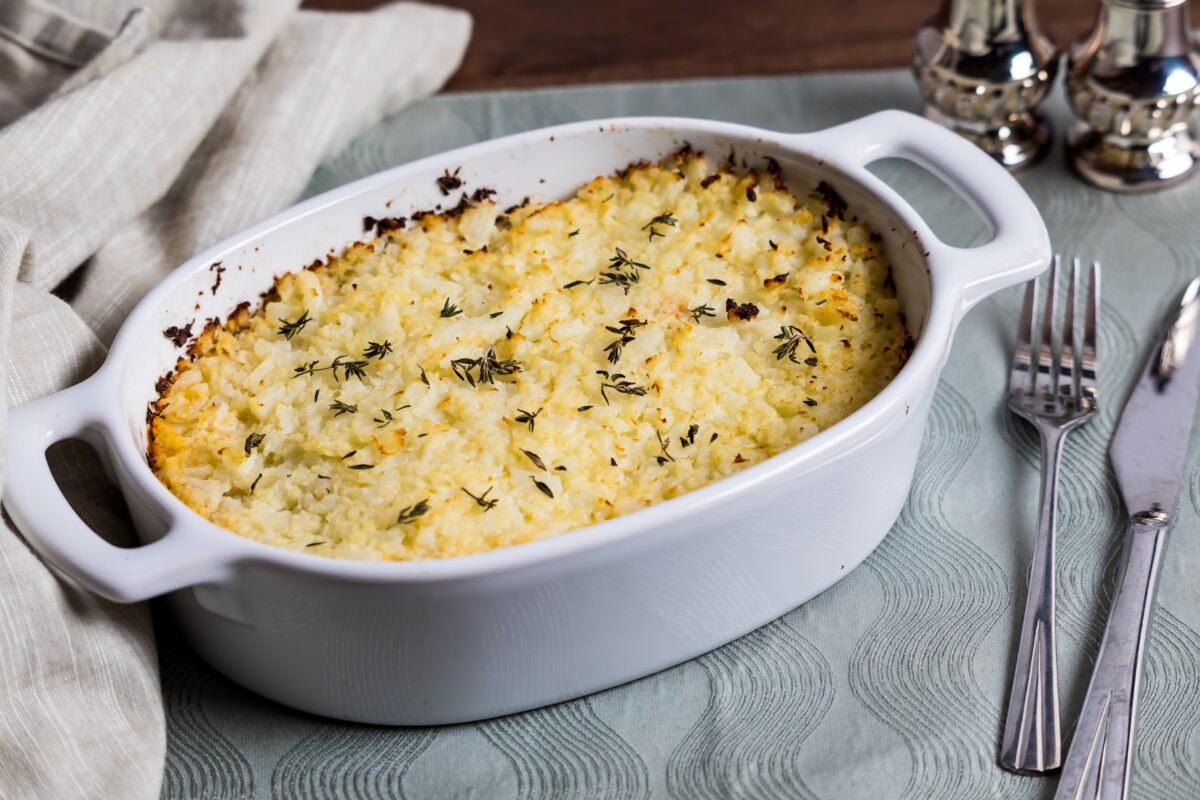
The cauliflower-crusted shepherd’s pie fits seamlessly into modern meal-planning schedules. The casserole can be fully assembled up to 24 hours in advance, covered tightly, and stored in the refrigerator until baking time. For longer preservation, the unbaked dish can be frozen for up to three months.
Food safety and quality experts advise that when freezing dishes containing cauliflower, proper cooling prior to wrapping is essential to prevent ice crystal formation. Upon thawing overnight in the refrigerator, any minor surface moisture released by the cauliflower can be easily blotted away with a paper towel before the dish is placed in the oven, ensuring the final texture remains pristine.
Versatility and Adaptability for Diverse Diets
One of the defining characteristics of the modern shepherd’s pie is its adaptability. Modern kitchens frequently cater to diverse dietary restrictions, ranging from vegetarian and vegan lifestyles to dairy sensitivities.
For households avoiding meat entirely, the savory ground beef or lamb filling can be seamlessly replaced with a mixture of protein-rich green or brown lentils, finely chopped mushrooms, and walnuts simmered in vegetable broth and rich tomato paste. This plant-based adaptation maintains the hearty mouthfeel expected from a casserole while expanding the dish’s appeal to vegetarians.
Similarly, cheese and dairy products in the cauliflower mash can be substituted with plant-based alternatives, such as nutritional yeast, vegan butter, and unsweetened plant milks, without compromising the creamy consistency. Furthermore, incorporating vegetables like diced bell peppers, corn, or frozen peas into the base filling allows cooks to customize the nutritional profile based on seasonal availability and personal preference.
Broader Impact on Family Eating Habits
The widespread adoption of vegetable-crusted comfort foods highlights a broader psychological shift in how families approach nutrition. Rather than relying on restrictive dieting, contemporary nutritional campaigns advocate for "crowding out"—adding nutrient-dense ingredients to familiar, comforting meals rather than eliminating favorite foods entirely.
By embedding cauliflower into a universally beloved format like shepherd’s pie, home cooks can bypass common resistance to green vegetables, particularly among children. The smooth, integrated texture of the whipped topping blends harmoniously with the savory gravy and protein filling, making the presence of the vegetable subtle yet beneficial.
As culinary innovation continues to intersect with everyday home cooking, dishes like the cauliflower-crusted shepherd’s pie demonstrate that tradition and health consciousness are not mutually exclusive. By honoring the comforting structure of the classic original while embracing modern nutritional science, this contemporary recipe secures its place as a staple of the modern kitchen.