The Ultimate Guide to Sustainable and Eco-Friendly Christmas Gift-Giving for 2026

The festive season has historically been a period of significant environmental strain, characterized by a surge in consumer waste, carbon-intensive shipping, and the proliferation of low-quality, disposable goods. As Christmas 2026 approaches, both retailers and consumers are facing mounting pressure to pivot toward more circular and ethical consumption models. With global awareness of climate change and biodiversity loss at an all-time high, the act of gift-giving is undergoing a fundamental transformation, moving away from mass-produced items toward products defined by their longevity, ethical supply chains, and minimal environmental footprint.

The shift is not merely a lifestyle choice but a response to evolving economic and environmental realities. Recent industry data indicates that the global sustainable goods market is expected to grow significantly through 2030, driven by younger demographics who prioritize transparency and corporate responsibility. For the 2026 holiday season, the challenge for the average shopper remains the prevalence of "greenwashing"—a marketing tactic where companies exaggerate the environmental benefits of their products. Navigating this landscape requires a standardized approach to assessing product life cycles, material sourcing, and labor standards.

The Economic and Environmental Rationale for Conscious Gifting
The environmental impact of Christmas is substantial. Research from various environmental advocacy groups suggests that the volume of household waste generated in the United Kingdom and across the Western world increases by approximately 30% during the December period. This spike is largely attributed to single-use packaging, non-recyclable gift wrap, and gifts that are discarded shortly after the holiday.

Beyond the immediate waste problem, the hidden costs of production—ranging from water usage in textile manufacturing to the carbon emissions associated with long-haul logistics—have become central to the conversation. By choosing items made from recycled materials, such as nylon from pre-consumer fabric waste or organic cotton, consumers can actively reduce the demand for virgin resources. Furthermore, supporting brands that operate on circular principles—where products are designed to be repaired, reused, or recycled at the end of their life—directly counters the "take-make-waste" industrial model.

Strategic Selection: A Curated Approach to Sustainable Goods
To assist consumers in making informed decisions for the 2026 season, experts in sustainability recommend a framework based on four core pillars: material integrity, packaging waste reduction, supply chain transparency, and corporate social responsibility.

Apparel and Accessories: The Shift to Circularity
In the clothing sector, the focus has shifted toward high-quality, durable garments that utilize organic or recycled fibers. For instance, the rise of companies utilizing recycled plastic bottles and discarded nylon for accessories, such as backpacks and bags, represents a significant move toward upcycling. These products not only divert waste from landfills but often provide superior durability compared to synthetic alternatives.
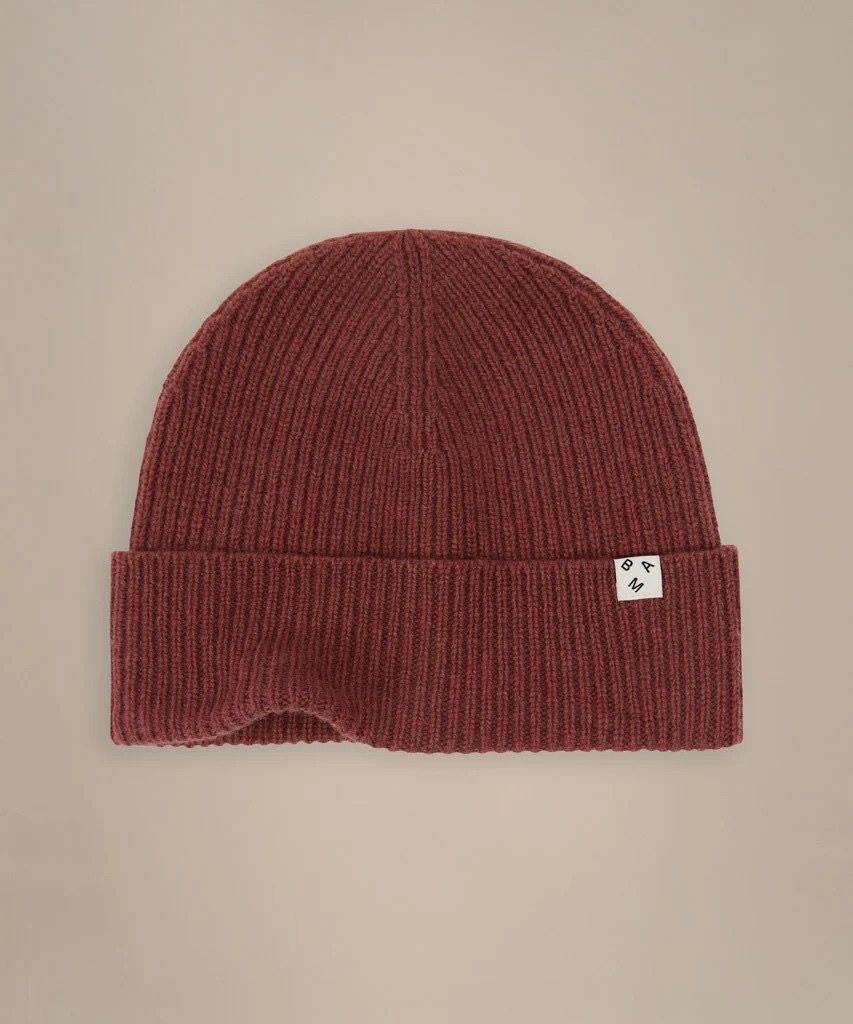
Pyjamas and loungewear, staple gifts for the festive season, are increasingly being produced in facilities powered by renewable energy. Brands that offer "take-back" schemes—where worn-out items are returned for fiber-to-fiber recycling—are setting the industry standard for circularity. Similarly, the movement toward 100% organic cotton, free from the synthetic blends that often make clothing unrecyclable, is gaining traction among conscientious consumers.

Beauty and Grooming: Eliminating the "Hidden" Costs
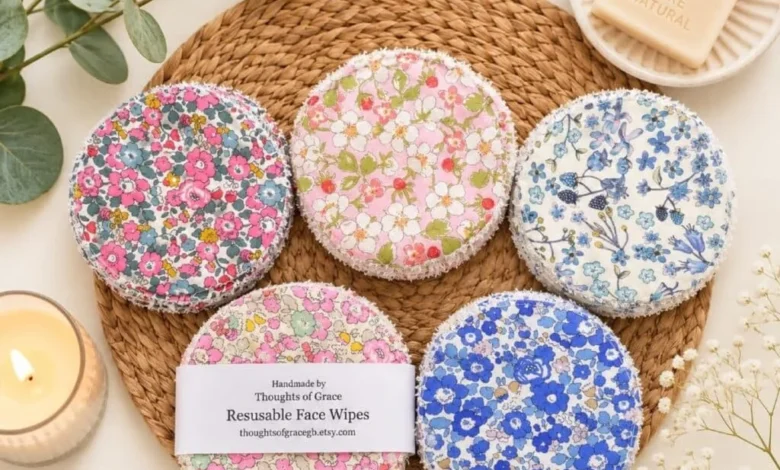
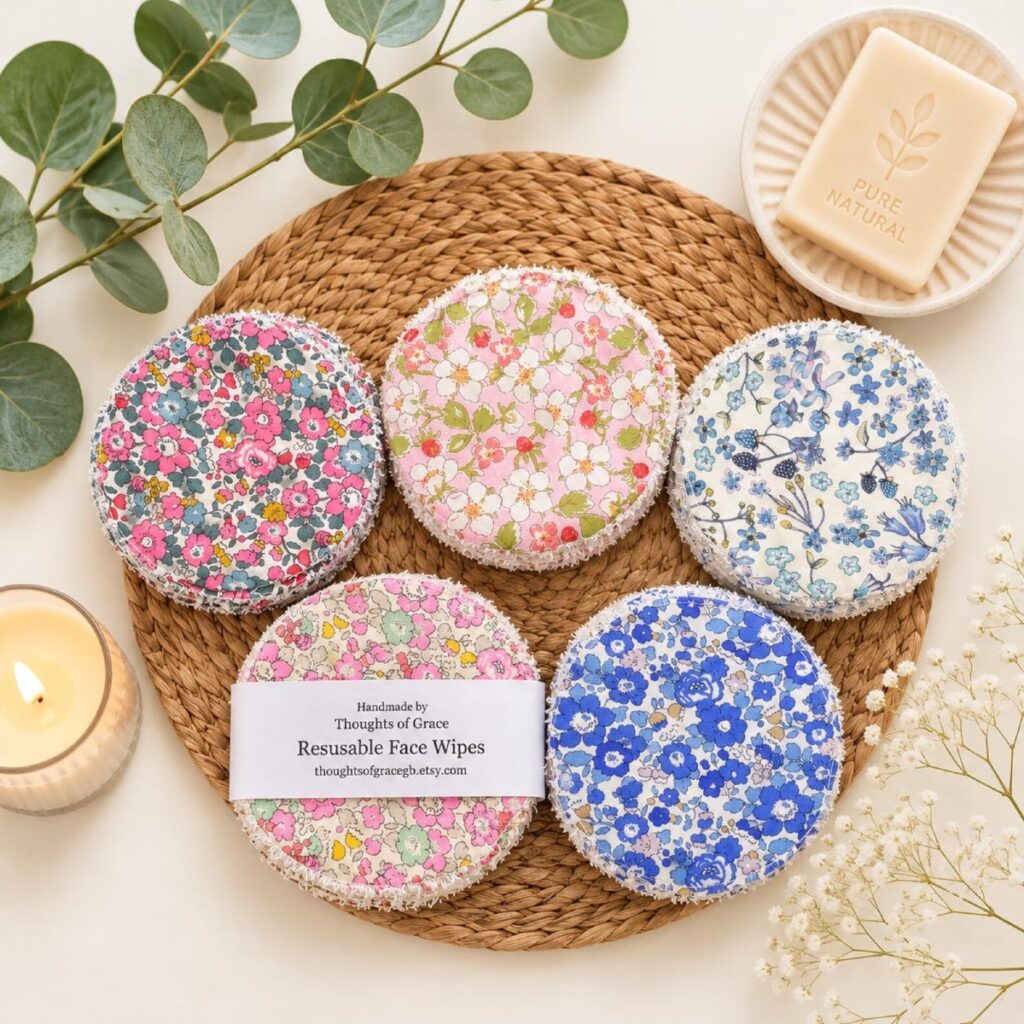
The beauty industry has long been criticized for its reliance on excessive plastic packaging and complex, often opaque, ingredient lists. The 2026 trend for beauty gifts emphasizes "zero-waste" formulations. This includes solid soap bars, concentrated skincare in glass containers, and makeup remover pads made from natural fibers like bamboo and organic cotton. By avoiding palm oil, parabens, and synthetic fragrances, these products minimize both personal health risks and environmental contamination. The integration of "upcycled" ingredients—using byproducts from the food and beverage industry, such as leftover coffee grounds or fruit seeds—further demonstrates the industry’s progress in resource efficiency.

Culinary and Household Goods
Food and drink remain the most popular category for sustainable gifting, provided the products meet strict ethical criteria. Fairtrade certification is a critical benchmark here, ensuring that producers in the Global South receive equitable compensation. Plastic-free packaging is another non-negotiable standard for the 2026 market, with kraft paper and recyclable tins replacing traditional laminated boxes.
In the realm of homeware, the emphasis is on artisanal craftsmanship and recycled materials. Glassware crafted from recycled cullet in traditional factories, for example, offers a lower carbon footprint than mass-produced glass made from raw materials. These items often carry the added benefit of supporting traditional artisan communities, thereby fulfilling a social mandate alongside an environmental one.

Assessing Ethical Claims: The Role of Certification
For the consumer, discerning legitimate sustainability from marketing rhetoric can be difficult. Experts suggest looking for globally recognized third-party certifications as a reliable shorthand for ethical practices:

- Global Organic Textile Standard (GOTS): Ensures the organic status of textiles from the harvesting of raw materials to environmentally and socially responsible manufacturing.
- B Corp Certification: Indicates that a company meets high standards of verified performance, accountability, and transparency regarding social and environmental factors.
- Responsible Wool Standard (RWS): A voluntary global standard that addresses the welfare of sheep and the land they graze on.
- Ecocert/Cosmos: Vital for organic and natural cosmetics, ensuring that ingredients are sourced sustainably and processes are environmentally sound.
The Broader Implications for Retail and Policy
The transition to sustainable gift-giving is not happening in a vacuum. It is mirrored by broader legislative trends, such as the EU’s "Right to Repair" directives and increasing international regulations regarding supply chain due diligence. Brands that fail to adapt to these expectations face not only reputational damage but also potential exclusion from future markets that prioritize carbon neutrality.

From a macroeconomic perspective, the shift toward sustainable gifting may lead to a reduction in the volume of goods purchased but an increase in the quality and lifespan of those items. This "quality over quantity" approach has the potential to stabilize retail cycles and reduce the reliance on peak-season discounting, which often fuels overproduction.

Looking Ahead: The Future of the Festive Season
As we move toward the close of 2026, it is evident that sustainability is no longer a niche concern but a central pillar of modern retail. The responsibility lies with both the manufacturer to provide transparency and the consumer to exercise discernment. By adhering to the principles of longevity, ethical labor, and minimal waste, the act of giving becomes an investment in a more resilient future.

While individual choices in gift-giving may seem modest in the face of global environmental challenges, the collective impact of millions of consumers opting for ethical, sustainable, and transparent products creates a powerful market signal. This signal forces retailers to re-evaluate their supply chains, adopt circular business models, and ultimately contribute to a more sustainable global economy. As shoppers head into the final weeks of the 2026 holiday season, the most valuable gift one can offer is perhaps the assurance that the item in the box reflects a commitment to the planet’s long-term health and the welfare of its people.