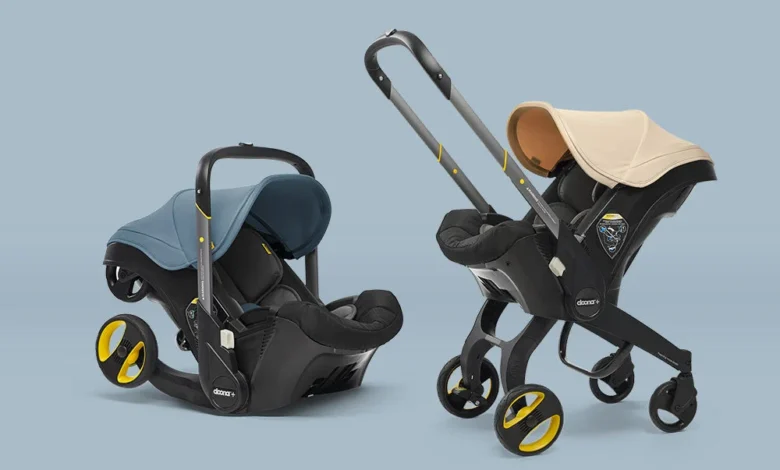
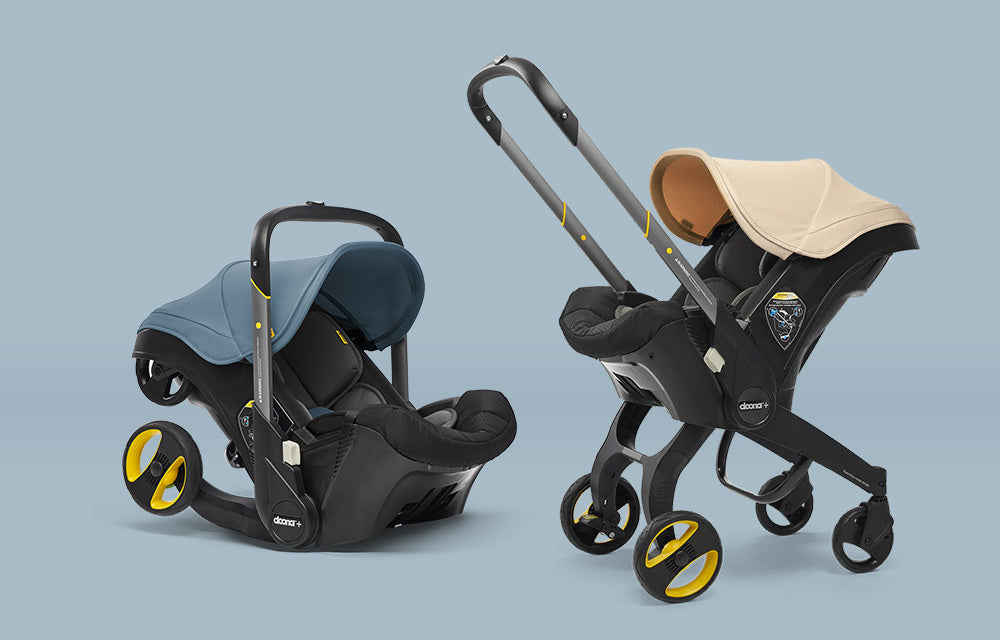
The Doona Car Seat and Stroller, an innovative hybrid product that debuted in the United States in 2016, fundamentally altered the landscape of infant transportation by integrating wheels directly into the chassis of an infant car seat. By collapsing the distinction between a carrier and a stroller, the Doona eliminated the need for bulky travel systems, appealing to urban parents and frequent travelers alike. However, due to its specialized engineering and premium positioning, the product maintains a high price point that rarely fluctuates. Understanding the market dynamics, such as Minimum Advertised Pricing (MAP) policies, is essential for consumers attempting to navigate the retail landscape of high-end baby gear.
The Evolution of the Integrated Travel System
Before the introduction of the Doona, parents were generally required to purchase separate components: an infant car seat, a base, and a compatible stroller frame or full-size stroller. This traditional model often necessitated complex adapter systems and significant trunk space. The Doona, developed by Simple Parenting, emerged from a mission to create a "next-generation" car seat that simplifies the transition from vehicle to pavement.
The product’s design journey involved years of safety testing and engineering to ensure that the retractable wheel mechanism did not compromise the structural integrity required for crash protection. Upon its international release and subsequent expansion into the North American market, it gained rapid popularity for its convenience. The primary value proposition lies in the reduction of "gear clutter," allowing parents to navigate airports, grocery stores, and urban environments with a single, self-contained unit.
Understanding the Role of Minimum Advertised Pricing
For consumers searching for a discount, the most significant barrier to entry is the manufacturer’s Minimum Advertised Pricing (MAP) policy. MAP is a legal agreement between a manufacturer and its retailers that prevents the latter from advertising a product below a specific price floor. In the juvenile products industry, this practice is commonplace for premium brands to maintain brand equity and prevent price wars among retailers.
When a consumer observes that the Doona is priced identically across multiple reputable websites, it is not a coincidence or a lack of competition; it is a deliberate strategy to ensure the product remains positioned as a luxury, high-reliability item. Because of these constraints, finding a direct price cut on a current-model Doona is rare. Retailers who violate MAP policies risk losing their authorization to sell the product, which is why official, authorized dealers strictly adhere to these guidelines.
Chronology of Retail Trends and Seasonal Fluctuations
Historically, the retail lifecycle of baby gear follows specific patterns that savvy shoppers can exploit. While the base price of the Doona remains stable, the consumer can optimize their investment by timing purchases around seasonal events.
- Q4 Holiday Sales (Black Friday/Cyber Monday): This period represents the most common opportunity for value-added incentives. While the MSRP rarely drops, retailers often bundle the car seat with high-value accessories—such as rain covers, vehicle seat protectors, or specialized diaper bags—at no additional cost.
- Inventory Transition Phases: When a manufacturer prepares to roll out new fabric collections or minor aesthetic updates, the outgoing inventory often enters a "discontinued" status. It is during this window, typically occurring 12 to 24 months after a specific colorway launch, that the product may become exempt from strict MAP enforcement, allowing retailers to clear stock through lower prices or significant gift-with-purchase offers.
- The Secondary and Open-Box Market: As the secondary market for baby gear expands, authorized retailers have introduced "open-box" programs. These units are often items returned by customers who found the packaging damaged or simply changed their minds, resulting in a unit that has never been used in a vehicle or on the street.
Safety, Warranty, and the Risks of the Used Market
A critical factor in the decision to purchase a Doona is the manufacturer’s warranty and the safety implications of second-hand gear. The Doona is an engineered safety device subject to strict expiration dates and structural integrity requirements.
Industry safety experts, including those at the National Highway Traffic Safety Administration (NHTSA), generally caution against purchasing used car seats. The primary concern is the unknown history of the unit. A car seat that has been involved in a moderate-to-severe crash may sustain micro-fractures in its plastic shell that are invisible to the naked eye but catastrophic in a subsequent incident. Furthermore, the Doona’s complex folding mechanism relies on precision parts that, if handled improperly or subjected to environmental wear, may fail to lock securely.
Purchasing a brand-new unit from an authorized retailer ensures the consumer receives the full benefit of the two-year limited warranty. This coverage acts as a safeguard against mechanical defects, providing peace of mind that a third-party, private-party transaction simply cannot offer. By investing in a new model, parents ensure they have access to the latest safety certifications and, more importantly, a verifiable safety history.

Strategic Approaches for Prospective Buyers
For families looking to maximize the value of their purchase, the following methodologies are recommended by retail analysts:
- Direct Communication with Authorized Retailers: Building a relationship with a boutique retailer can sometimes provide access to "insider" information regarding upcoming promotions or the availability of floor models that may be sold at a discount.
- Loyalty Programs and Credit Incentives: Many major retailers offer loyalty points or store-specific credit cards that provide a percentage of the purchase price back as rewards. While not a direct reduction in the price of the Doona, these rewards can be applied to the inevitable secondary purchases required for a newborn, such as nursery furniture or clothing, effectively lowering the overall cost of the initial investment.
- Timing the Research: Monitoring retailers for end-of-quarter inventory audits can be effective. As retailers seek to optimize their warehouse space, they may occasionally provide bundle deals that go beyond standard industry offerings.
Broader Implications of the Hybrid Stroller Trend
The success of the Doona has influenced the entire juvenile product sector. Manufacturers are increasingly looking at "hybridization" as a key design goal. This shift suggests that the market is moving away from modular systems that require multiple components toward integrated, all-in-one solutions.
The economic implication for consumers is that while these products may command higher initial price tags, they eliminate the "hidden" costs of buying multiple separate strollers and adapters over a child’s development. Furthermore, the high resale value of the Doona—when kept in excellent condition and with all original documentation—allows parents to recoup a portion of the investment when the child outgrows the seat.
In conclusion, while the Doona car seat remains a premium-priced product protected by rigid manufacturer pricing policies, prospective owners have clear, legitimate avenues to secure better value. By prioritizing safety through the purchase of new or certified open-box units, timing acquisitions around seasonal retail cycles, and leveraging loyalty programs, parents can manage the costs associated with this high-utility piece of equipment without compromising on the safety or quality that defined the product’s rise to prominence.