The Ultimate 20-Minute Creamy Garlic Chicken Pasta Culinary Analysis and Preparation Guide

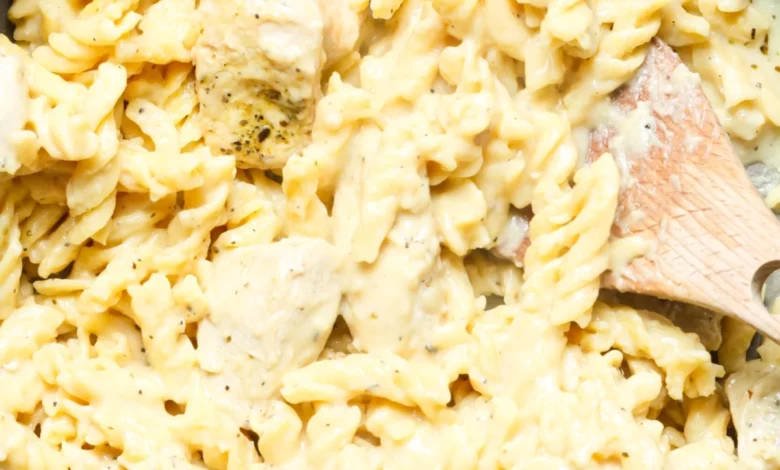
The pursuit of high-quality, time-efficient home cooking has become a significant focal point for modern households navigating increasingly busy schedules. Among the most popular solutions is the development of "quick-fix" comfort meals that prioritize fresh, whole ingredients without sacrificing depth of flavor. A primary example of this culinary trend is the emergence of optimized creamy garlic chicken pasta, a dish that has gained traction for its ability to bridge the gap between restaurant-quality texture and the constraints of a 20-minute preparation window.
The Evolution of Rapid-Prep Comfort Food
Culinary historians note that the shift toward rapid-prep meals, such as this garlic chicken pasta, is not merely a matter of convenience but a response to shifting socioeconomic patterns. As domestic time budgets have contracted over the last decade, home cooks have sought recipes that minimize active time—the period spent physically preparing ingredients—while maximizing the efficiency of heat application.
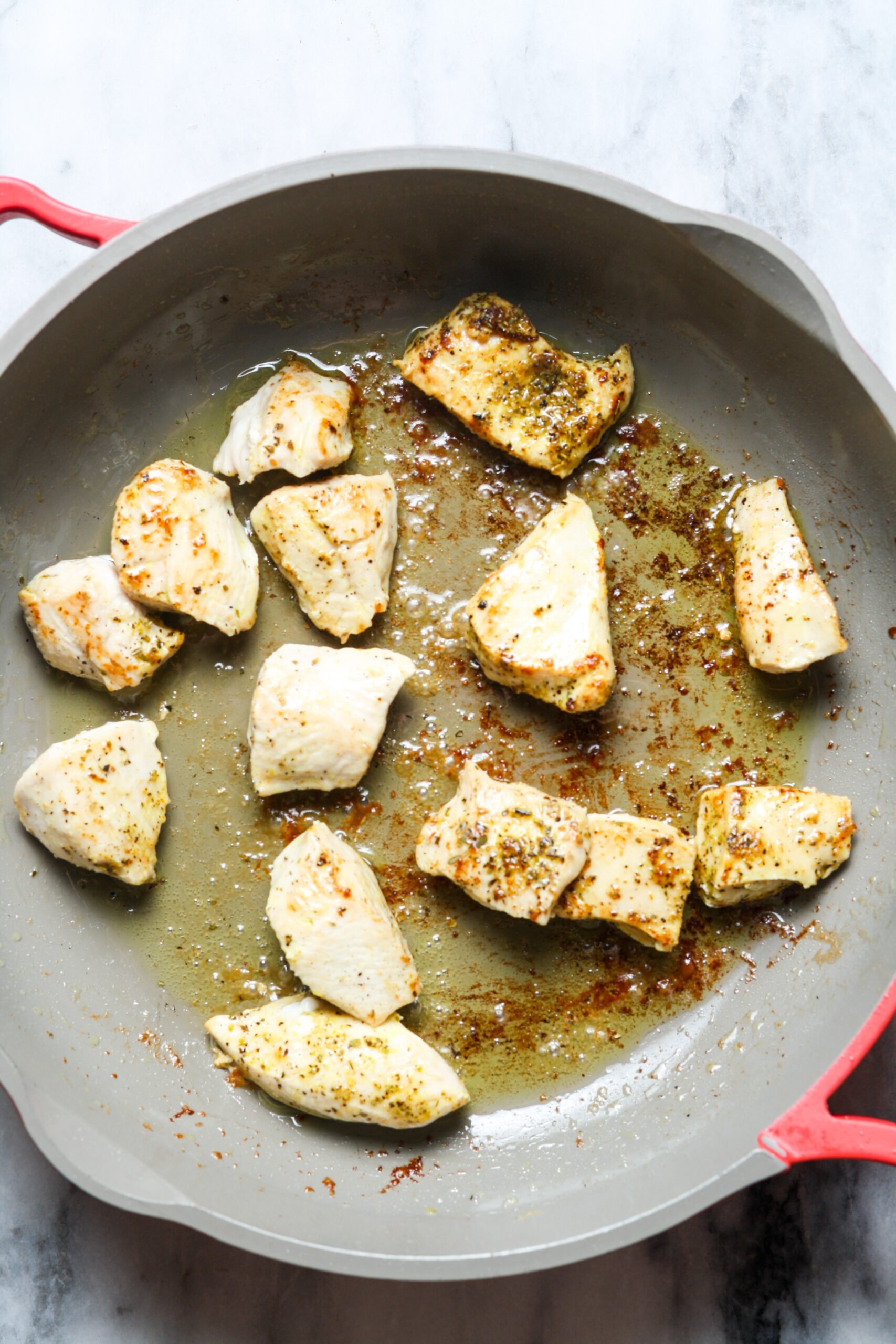
The recipe’s architecture relies on the simultaneous execution of two processes: the rapid searing of protein and the simultaneous preparation of a starch, followed by the emulsification of a dairy-based sauce. By utilizing 1-inch chicken breast pieces, the surface-area-to-volume ratio is optimized for rapid heat transfer, allowing the protein to reach a safe internal temperature of 165°F (74°C) in under five minutes.
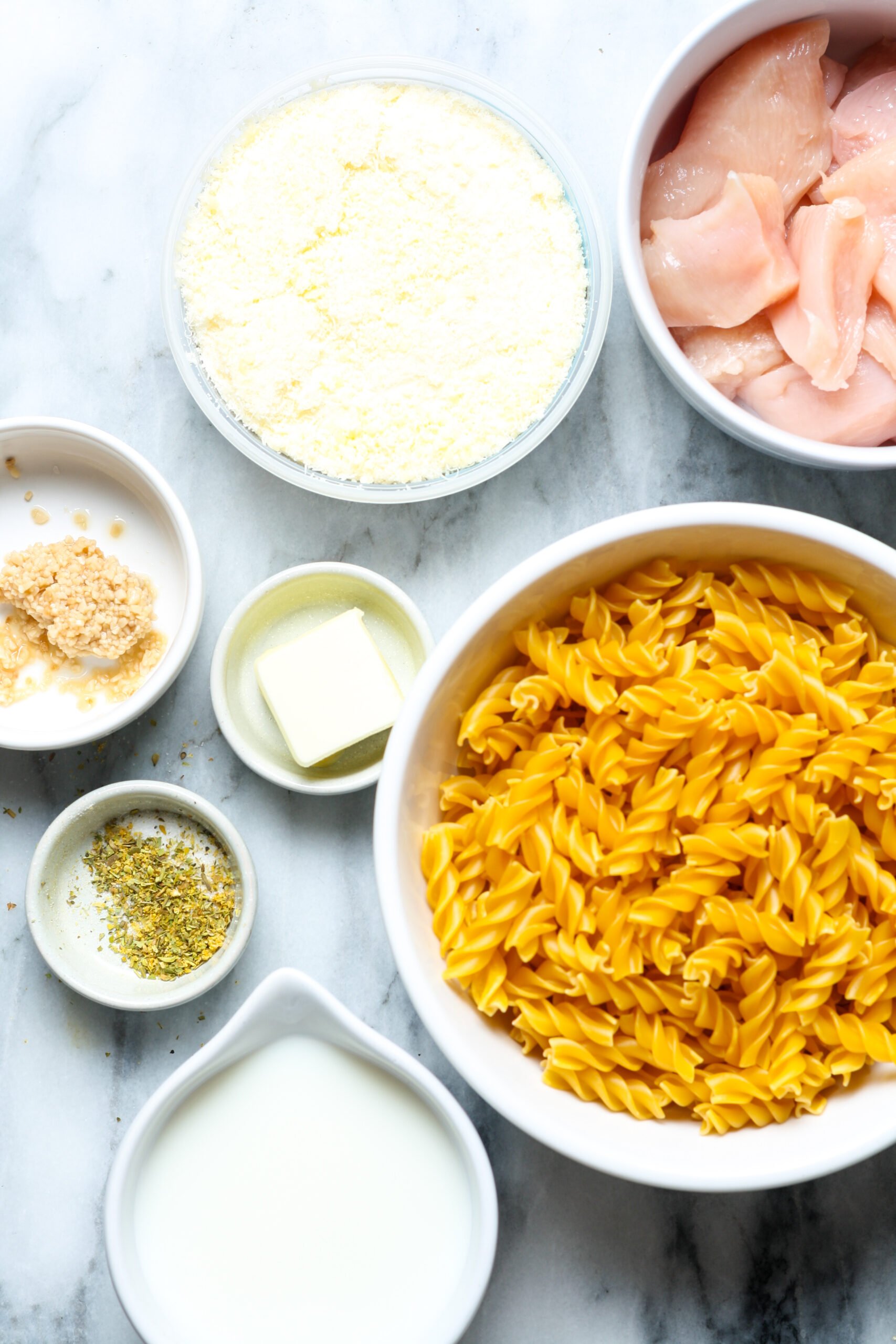
Technical Breakdown of the Preparation Process
The success of this dish is contingent upon a specific, sequential methodology that ensures the integrity of the sauce and the tenderness of the meat.
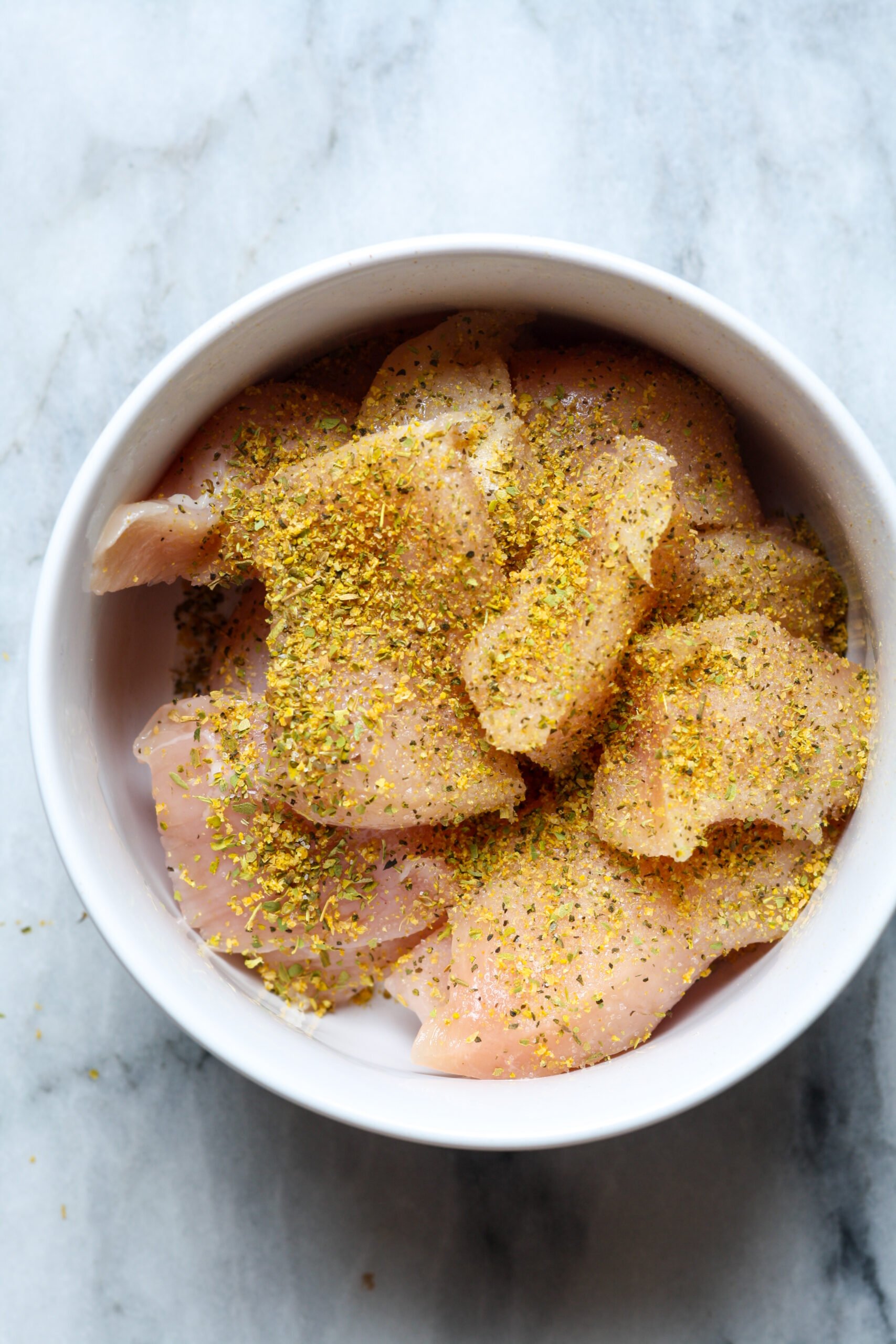
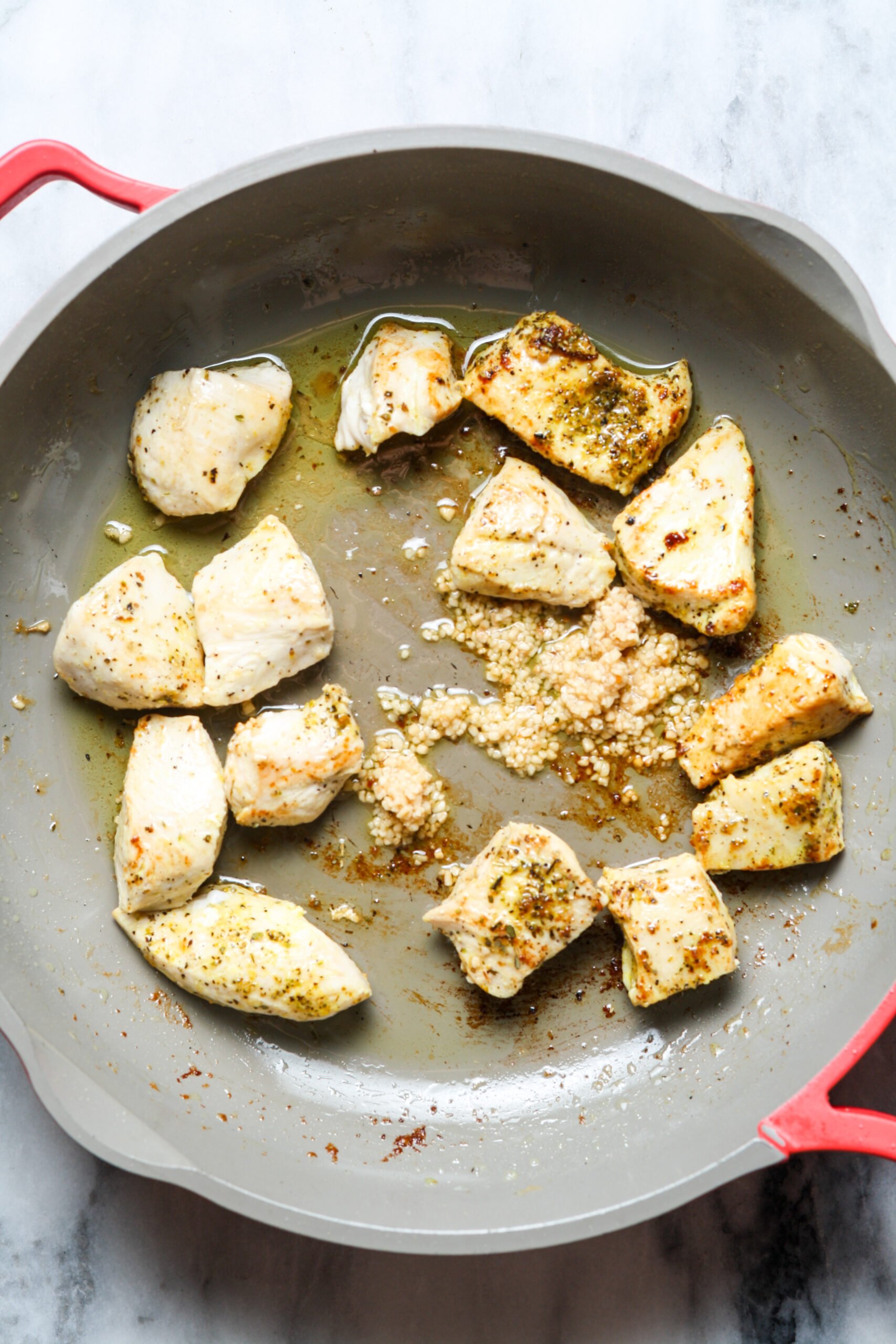
- Protein Preparation and Seasoning: The initial phase involves cutting high-quality chicken breast into uniform 1-inch cubes. Experts recommend consistent sizing to ensure even cooking, which prevents the outer layers of the protein from becoming dry while the center remains undercooked. The application of sea salt, black pepper, and onion powder prior to cooking is essential for osmotic seasoning, which helps retain moisture during the searing process.
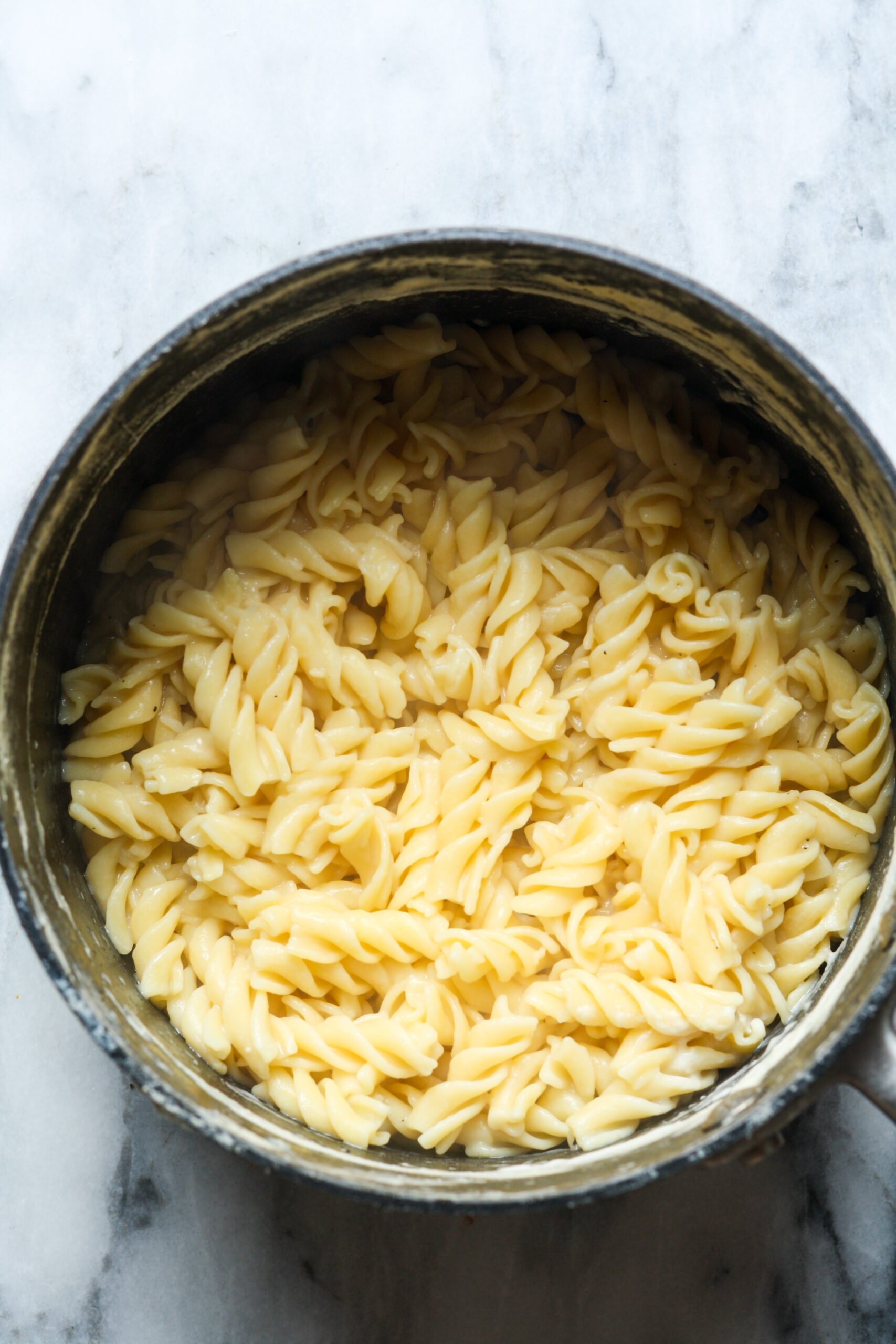
- Starch Management: While the chicken undergoes the Maillard reaction in a butter-lubricated skillet, the pasta is prepared to an al dente state. In professional kitchens, the timing is calibrated so that the pasta finishes cooking simultaneously with the chicken, allowing for immediate integration, which prevents the noodles from clumping due to excess starch buildup.
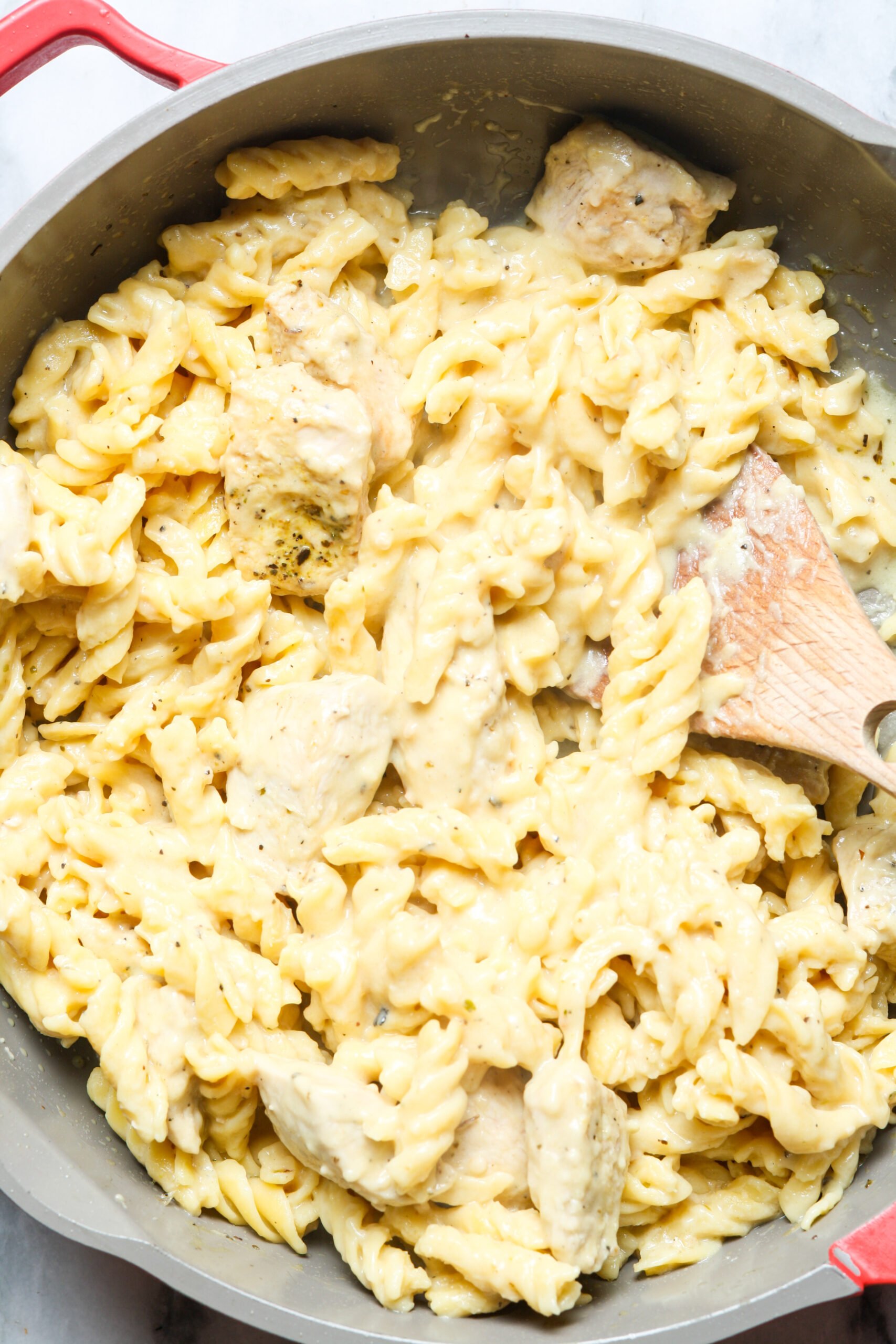
- The Emulsification Phase: The introduction of fresh, minced garlic is the critical inflection point of the recipe. Sautéing the garlic for exactly one minute releases allicin and other aromatic compounds without allowing the garlic to burn, which would introduce bitter notes into the final dish. The subsequent addition of whole milk and Parmesan cheese creates a classic velouté-style emulsion. The Parmesan acts as a thickening agent, providing both structure and umami, while the whole milk provides the necessary fat content to maintain a smooth, velvety mouthfeel.
Nutritional and Ingredient Considerations
The rise of the "real food" movement has significantly influenced how this dish is constructed. Unlike processed alternatives that rely on shelf-stable, high-sodium cream sauces, this version utilizes whole milk and fresh cheese.
Nutritional data suggests that this dish provides a balanced profile of macronutrients. Chicken breast serves as a lean source of high-quality protein, essential for muscle maintenance, while the use of whole wheat pasta adds necessary dietary fiber. When selecting ingredients, industry standards suggest that fresh, high-quality Parmesan (typically aged for at least 12 months) significantly alters the flavor profile, providing a sharper, more complex finish than pre-grated varieties which often contain anti-caking agents like cellulose.
Economic and Logistical Implications
The broader impact of mastering such recipes is a reduction in reliance on pre-packaged, convenience-focused meals, which are often characterized by high sodium levels, chemical preservatives, and excessive added sugars. A brief analysis of home-cooked versus restaurant-prepared pasta dishes indicates that the home-cooked variant can result in a 60% reduction in sodium intake and a 40% reduction in total cost per serving.
Furthermore, the versatility of this recipe provides a template for dietary adaptation. For families requiring gluten-free options, the substitution of standard wheat pasta for legume-based or rice-based alternatives has been shown to maintain the structural integrity of the dish without compromising the flavor profile.
Expert Tips for Consistent Execution
Culinary consultants often emphasize that the "finish" of the dish is just as important as the preparation.
- Temperature Control: Maintaining medium heat throughout the cooking process is vital. High heat can cause the milk proteins in the sauce to separate or "break," leading to a grainy texture.
- The Role of Reserved Water: If the sauce achieves a consistency that is too viscous, the addition of a small volume of reserved starchy pasta water—a technique used by professional chefs—can adjust the texture without diluting the flavor.
- The Garlic Variable: While garlic powder is a staple in many pantries, the chemical reaction of fresh, minced garlic with hot butter is essential for the characteristic flavor profile of this dish. The transition from powder to fresh garlic represents a significant upgrade in culinary quality.
Addressing Common Culinary Queries
In professional test kitchens, common questions regarding this dish often revolve around the flexibility of the ingredients.
- Protein Alternatives: While chicken is the traditional protein, the methodology can be applied to shrimp, which requires a significantly shorter cook time (approximately 2-3 minutes), or thinly sliced portobello mushrooms for a vegetarian variation.
- Dairy Ratios: The use of whole milk is recommended for its viscosity. However, in instances where a lighter sauce is preferred, a combination of 2% milk and a small amount of heavy cream can be used to maintain the desired thickness while managing caloric density.
- Flavor Profiles: For those seeking a more robust flavor, the inclusion of red pepper flakes during the garlic-sautéing phase provides a subtle heat that cuts through the richness of the Parmesan. Additionally, the inclusion of fresh herbs such as parsley or basil at the time of service adds a bright, herbaceous note that balances the heavy, savory elements of the dish.
Final Summary of Best Practices
To ensure the highest quality outcome, it is recommended that home cooks organize all components prior to igniting the stovetop. This practice, known as mise en place, reduces the risk of overcooking the garlic or the chicken, as the preparation window is compressed into less than 20 minutes.
The longevity of this dish in the culinary landscape is largely due to its adaptability. By adhering to the fundamental principles of protein searing, starch management, and sauce emulsification, the home cook can produce a meal that satisfies both the need for rapid service and the desire for high-quality, nutritious ingredients. As the modern family continues to seek ways to optimize their evening routines, dishes like this garlic chicken pasta stand as a testament to the fact that efficiency does not necessitate a decline in culinary standard.