Mastering the Ultimate Easy Mexican Rice Recipe for Family Dinners and Weeknight Meal Prep

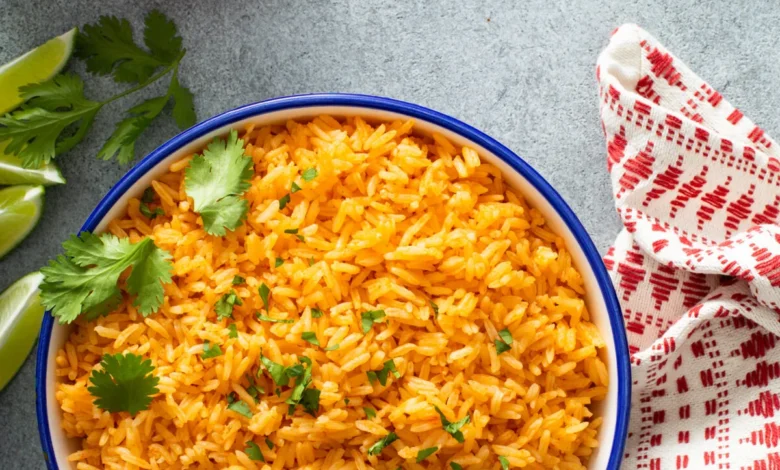
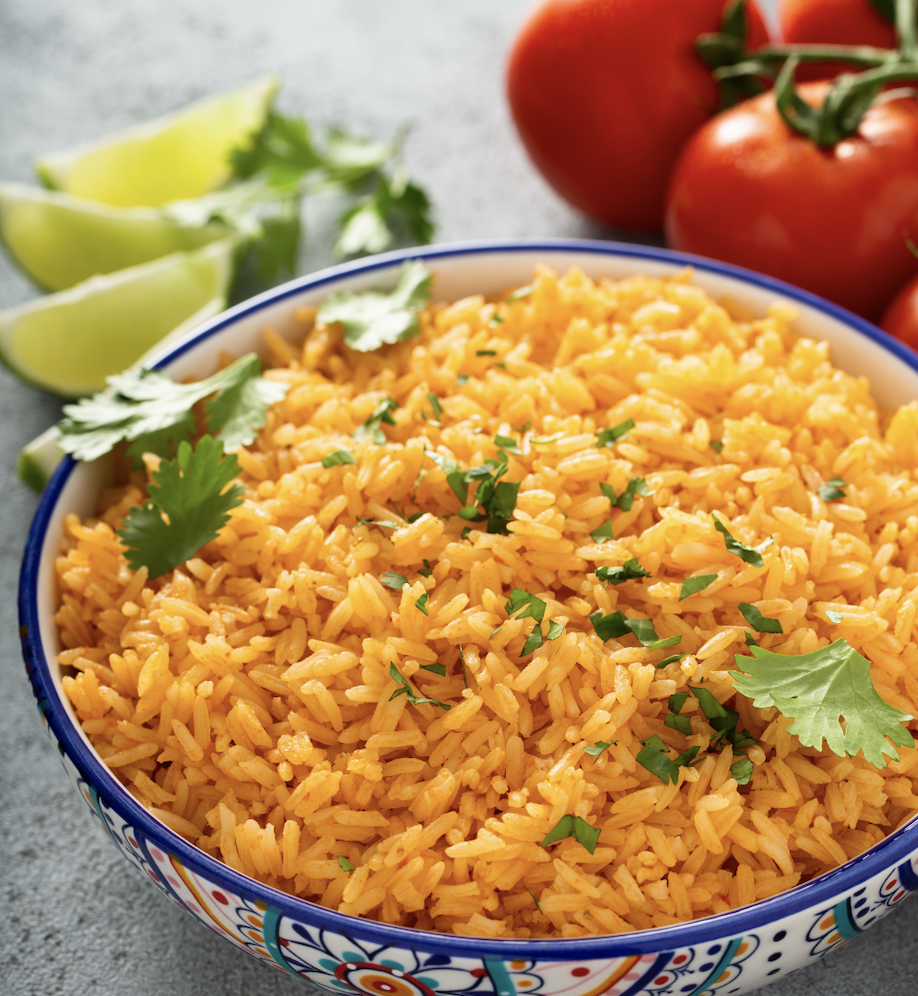
The culinary landscape of weeknight home cooking has increasingly shifted toward dishes that balance time-saving convenience with authentic, robust flavors, a trend underscored by the enduring popularity of Mexican-inspired cuisine across North American households. Among the essential staples of this culinary category stands Mexican rice—frequently referred to colloquially in the United States as Spanish rice—a savory, tomato-infused side dish that routinely accompanies tacos, enchiladas, burrito bowls, and grilled proteins. Culinary experts and family nutritionists have long emphasized the challenge of recreating restaurant-quality textured rice at home without resorting to heavy-handed processing or excessive sodium. Addressing this persistent kitchen hurdle, a newly detailed, streamlined home-cooking methodology offers a foolproof blueprint for turning basic pantry ingredients into a fluffy, deeply savory side dish designed to appeal to both adult palates and young children.
Background Context and Culinary History
To understand the mechanics of preparing ideal Mexican rice, food historians and culinary researchers point to the foundational techniques originating in central and northern Mexico, where rice was introduced following Spanish colonization. Unlike plain steamed rice common in Asian cuisines, or risotto-style preparations requiring continuous stirring, traditional Mexican arroz rojo (red rice) relies heavily on a precise two-step chemical transformation: initial fat-frying or toasting of the grain followed by a controlled simmer in a seasoned liquid base composed of tomatoes, onions, garlic, and broth.
In commercial settings and traditional home kitchens alike, this toasting phase is non-negotiable. Exposing dry, rinsed long-grain white rice to heated cooking oil until the starches brown slightly achieves two distinct physical results. First, it imparts a nutty, complex aroma by initiating the Maillard reaction among surface proteins and sugars. Second, it coats the individual grains in a protective lipid barrier. This barrier minimizes the release of excess amylose starch during the subsequent boiling phase, directly preventing the grains from rupturing, clumping together, or collapsing into a heavy, mushy texture.
Chronology of Preparation and Step-by-Step Execution
For home cooks seeking to integrate this dish into a structured evening meal schedule, the preparation timeline is notably efficient, requiring approximately 10 minutes of active prep work and 25 minutes of unattended cooking time, resulting in a total turnaround of 35 minutes.
The process begins with the critical step of rinsing the long-grain white rice under cold water. Food scientists advise continuing this rinse until the efflux runs completely clear, indicating the removal of loose surface starch. Following a thorough drainage phase—essential to prevent unwanted water dilution that could disrupt the precise liquid-to-grain ratio—the cooking procedure moves to a single heavy-bottomed skillet or saucepan.
In this pan, neutral cooking oil is heated over medium-high heat before the drained rice is introduced. The cook must continuously or frequently agitate the grains until a noticeable transformation occurs: the edges turn a pale, toasted gold and release a distinct, toasted aroma. At this juncture, finely diced onions and minced garlic are typically folded into the hot oil, cooking rapidly for roughly 60 seconds to release their aromatic essential oils without burning.
The third chronological phase involves the introduction of the liquid infrastructure. A carefully measured blend of low-sodium chicken broth (or vegetable broth for a meatless alternative) combined with tomato sauce or blended fresh tomatoes is poured directly over the toasted rice. At this point, culinary professionals stress the incorporation of mild spices—primarily cumin, garlic powder, onion powder, and a measured amount of chili powder for warmth rather than intense capsaicin heat.
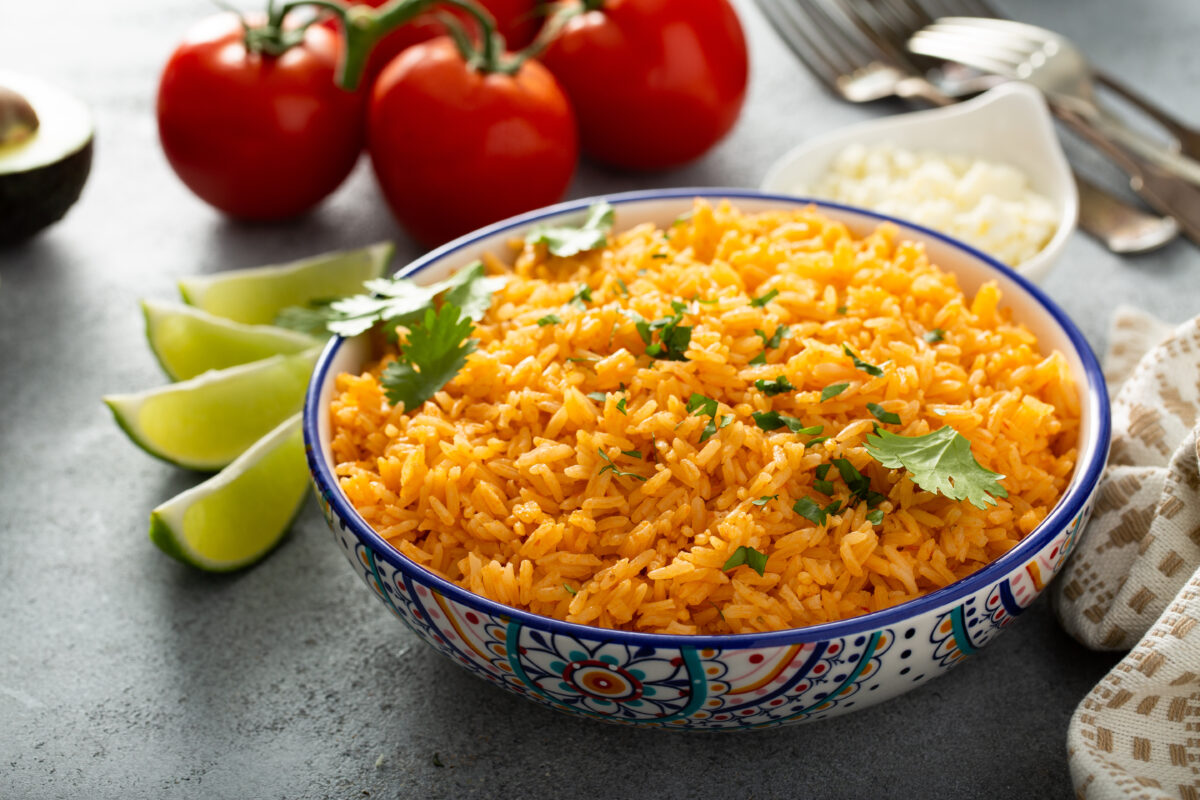
Once the liquid reaches a rolling simmer, the pan’s lid is secured tightly, and the heat is reduced to its lowest setting. From this moment onward, professional kitchen protocols mandate complete non-interference: lifting the lid or stirring the simmering rice releases vital thermal steam and disrupts the uniform heat distribution, introducing a high risk of unevenly cooked or scorched grains. After roughly 15 to 20 minutes of undisturbed steaming, the heat source is extinguished, but the lid remains firmly in place. This mandatory 5- to 10-minute resting period allows the internal moisture distribution to stabilize, ensuring that every grain achieves maximum structural integrity and fluffiness before being gently aerated with a fork.
Nutritional Analysis and Family-Centric Adaptations
From a dietary and nutritional standpoint, standard commercial side dishes often introduce hidden sodium spikes and chemical preservatives. Conversely, preparing Mexican rice from scratch using fundamental pantry staples—such as dry long-grain rice, canned tomato sauce, dried spices, and low-sodium broth—allows families to retain strict control over their nutritional intake.
Dietitians tracking household eating patterns note that this specific recipe structure is purposefully designed to accommodate pediatric nutritional preferences without sacrificing culinary integrity. By keeping the baseline spice profile moderate—relying on earthier spices like cumin and sweet chili powder rather than fiery jalapeño peppers or raw serranos—the dish avoids overwhelming sensitive palates.
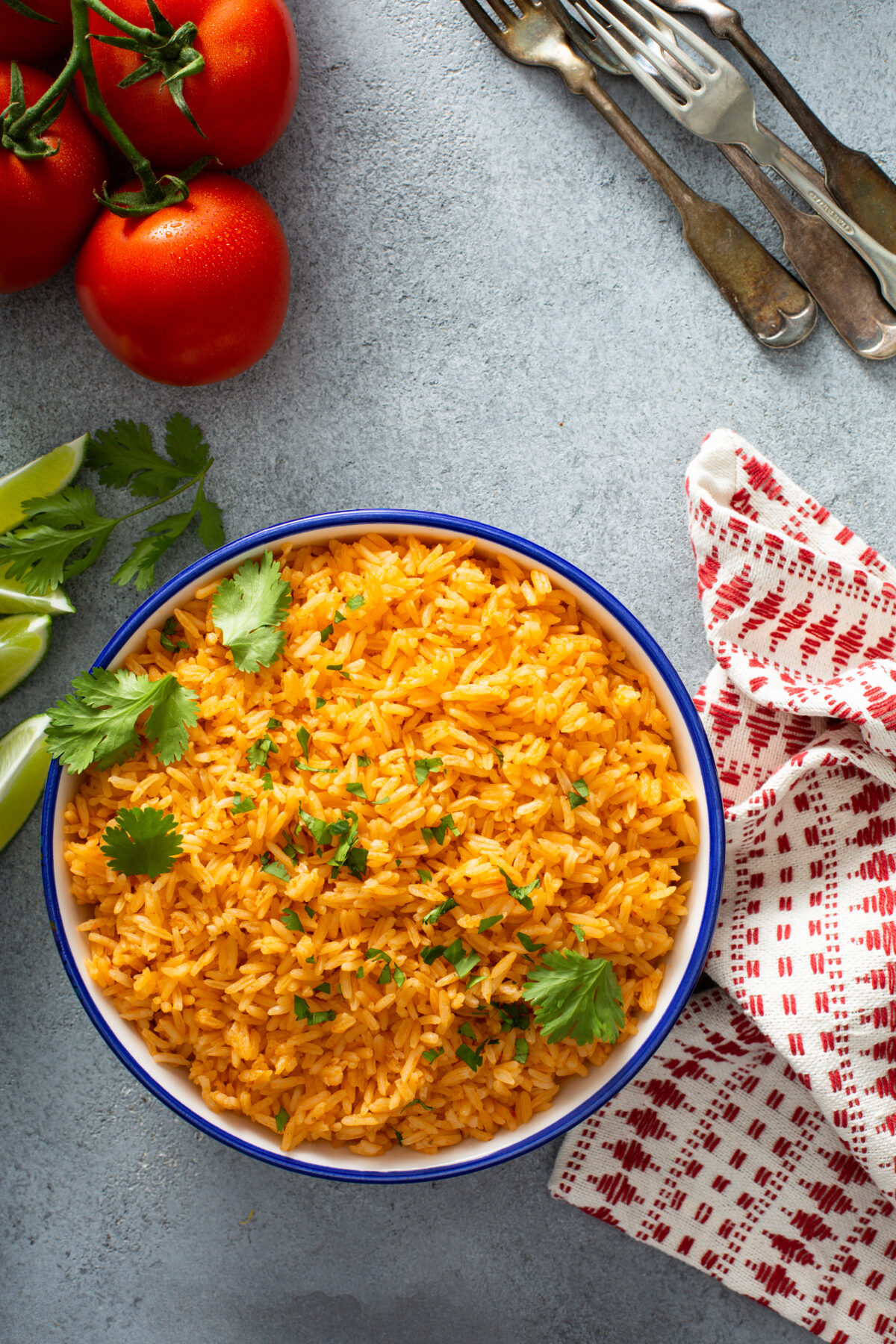
Furthermore, the recipe’s architecture seamlessly accommodates the stealth inclusion of nutrient-dense vegetables. Nutrition experts frequently advocate for the integration of finely diced carrots, green peas, sweet corn kernels, or colorful bell peppers. These can either be sautéed alongside the initial aromatics or folded in during the final resting phase. For households managing picky eaters who object to visible vegetable particulates, blending the tomato, onion, and broth components into a completely smooth puree prior to cooking offers a practical workaround that retains the vegetable micronutrients while presenting a uniform visual texture.
Strategic Variations for Diverse Dietary Needs
To maximize the versatility of the recipe across various culinary preferences and dietary restrictions, food developers have outlined several approved modifications:
- Vegetarian and Vegan Adjustments: By substituting standard chicken broth with a robust vegetable stock, the recipe transitions effortlessly into a plant-based side dish without losing its savory depth.
- Protein Enrichment: Home cooks can easily elevate the side dish into a complete, high-protein main course by folding in shredded rotisserie chicken, seasoned ground turkey, lean beef taco meat, or pan-seared shrimp immediately after the resting period.
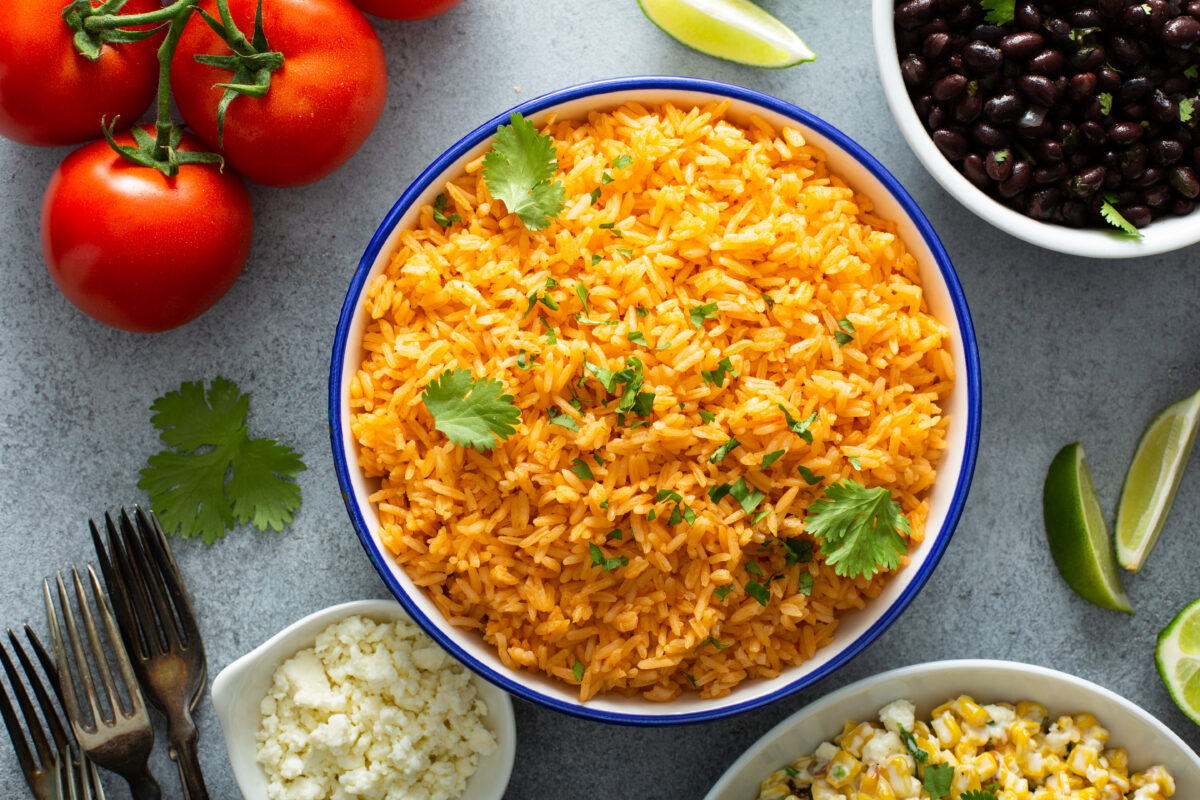
- Legume Integration: The post-cooking addition of drained, rinsed black beans or pinto beans introduces a complementary source of plant-based protein and dietary fiber, transforming the carbohydrate base into a nutritionally balanced complex meal.
- Heat Customization: For diners preferring a picante kick, incorporating finely minced fresh jalapeños during the aromatic sauté, or dusting the simmering liquid with a pinch of cayenne pepper or smoked chipotle powder, provides an adjustable thermal profile.
Storage, Preservation, and Food Safety Protocols
With modern households increasingly relying on batch cooking and weekend meal prep to navigate busy work and school schedules, proper storage parameters are paramount. Prepared Mexican rice exhibits exceptional keeping qualities when managed correctly.
Once cooked, the rice must be cooled rapidly to ambient temperature before being transferred to an airtight storage container. Placed within the refrigerator, the dish maintains optimal quality and safety for up to four days. Reheating requires care to prevent the starch from drying out; culinary technicians recommend introducing a modest splash of chicken broth or water, covering the container with a microwave-safe lid or a damp paper towel, and heating in short, incremental intervals. Alternatively, stovetop reheating over low heat in a covered skillet with an added tablespoon of liquid restores the original moisture balance.
For long-term preservation, Mexican rice freezes exceptionally well. Stored in heavy-duty freezer-safe bags or airtight containers with excess air pressed out, the cooked rice retains its structural integrity for up to three months. When ready for consumption, the frozen rice can be thawed overnight in the refrigerator and reheated with a small amount of added liquid to replicate the freshly prepared texture.
Addressing Common Culinary Pitfalls
Despite the recipe’s inherent simplicity, home cooks occasionally encounter structural issues that undermine the final product. Food science analysts attribute most failures to specific procedural deviations:
- The Mushy Texture Dilemma: If the finished rice collapses into a sticky paste, the primary culprit is almost universally excess moisture—either from failing to adequately drain the rinsed rice grains, mismeasuring the liquid ratio, or introducing too much steam-releasing agitation during the simmer phase.
- Grain Scorching: If the bottom layer burns before the liquid absorbs, the heat level was maintained too high during the simmering phase, or the cooking vessel lacked a sufficiently heavy base to diffuse heat evenly.
- Alternative Rice Selections: While long-grain white rice remains the gold standard for achieving distinct, fluffy individual grains, substitutions require strict adherence to altered cooking physics. Brown rice, for instance, possesses an intact outer bran layer that demands significantly higher fluid volumes and extended cooking times. Conversely, instant or "minute" rice is strongly discouraged, as its pre-steamed and dehydrated nature causes it to disintegrate under the traditional toasting and simmering protocol required for authentic Mexican rice.
Broader Industry Impact and Consumer Trends
The dissemination of clear, foolproof techniques for foundational ethnic dishes reflects a broader democratization of home cooking. As consumer interest in diverse, globally inspired flavor profiles continues to expand, culinary platforms are moving away from overly complicated restaurant secrets in favor of accessible, kitchen-tested methodologies. By breaking down traditional cooking techniques—such as grain-toasting and moisture management—into predictable, repeatable steps, home cooks are empowered to replicate authentic flavors reliably, reducing their reliance on processed convenience foods and enriching their daily domestic dining experiences.