Understanding Choking Hazards for Babies and Toddlers Under Four Years Old: A Comprehensive Safety Guide

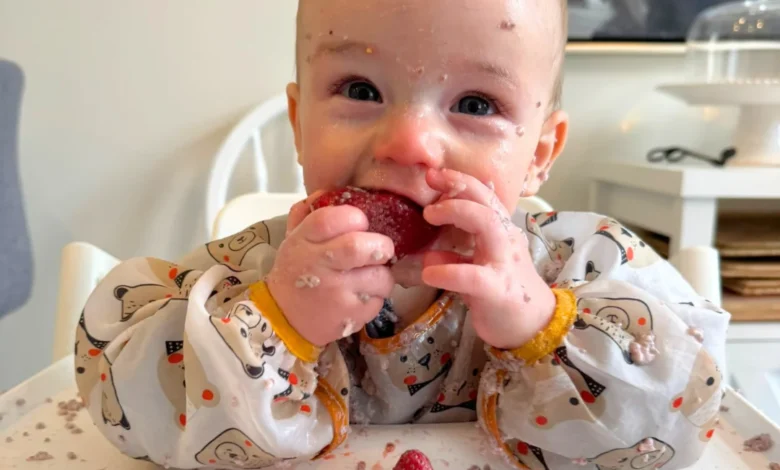
The fear of a child choking is a universal anxiety among parents and caregivers, often surfacing during the transition to solid foods. Whether families choose to begin with traditional spoon-fed purees or embrace the baby-led weaning (BLW) approach, the fundamental concerns regarding airway safety remain the same. While choking is statistically rare—accounting for less than 1% of accidental deaths in children under five—it remains a significant public health concern that necessitates rigorous parental education and proactive safety measures.

The Developmental Context of Pediatric Choking
Choking occurs when a foreign object or food item becomes lodged in the larynx or trachea, partially or fully obstructing the airway. For infants and toddlers, the physiological development of the throat and the maturity of swallowing patterns play a critical role in this risk.

Research indicates that as many as 35% of infants between six and eight months of age will experience a choking episode. However, data from clinical studies suggest that the risk profile for infants practicing baby-led weaning is not statistically higher than that of infants fed exclusively via purees, provided that parents are properly educated on the preparation of food. The distinction between "gagging"—a protective, involuntary reflex that pushes food forward—and "choking"—an obstruction requiring intervention—is vital for caregivers to master.

Chronology and Risk Factors in Early Feeding
The introduction of solid foods is a developmental milestone that typically begins around six months of age. At this stage, the child’s airway is approximately the size of a drinking straw. Because of this limited diameter, any food that is small, round, firm, or slippery presents a heightened risk.
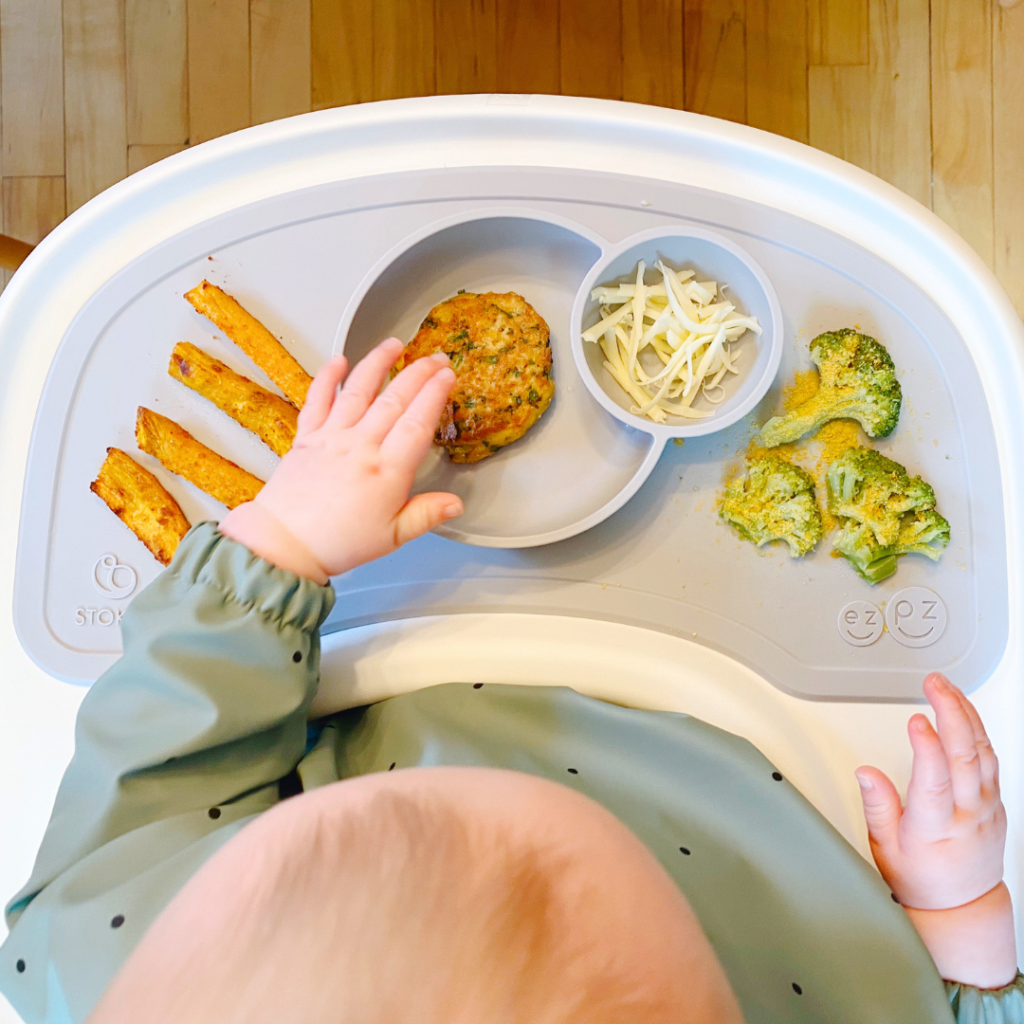
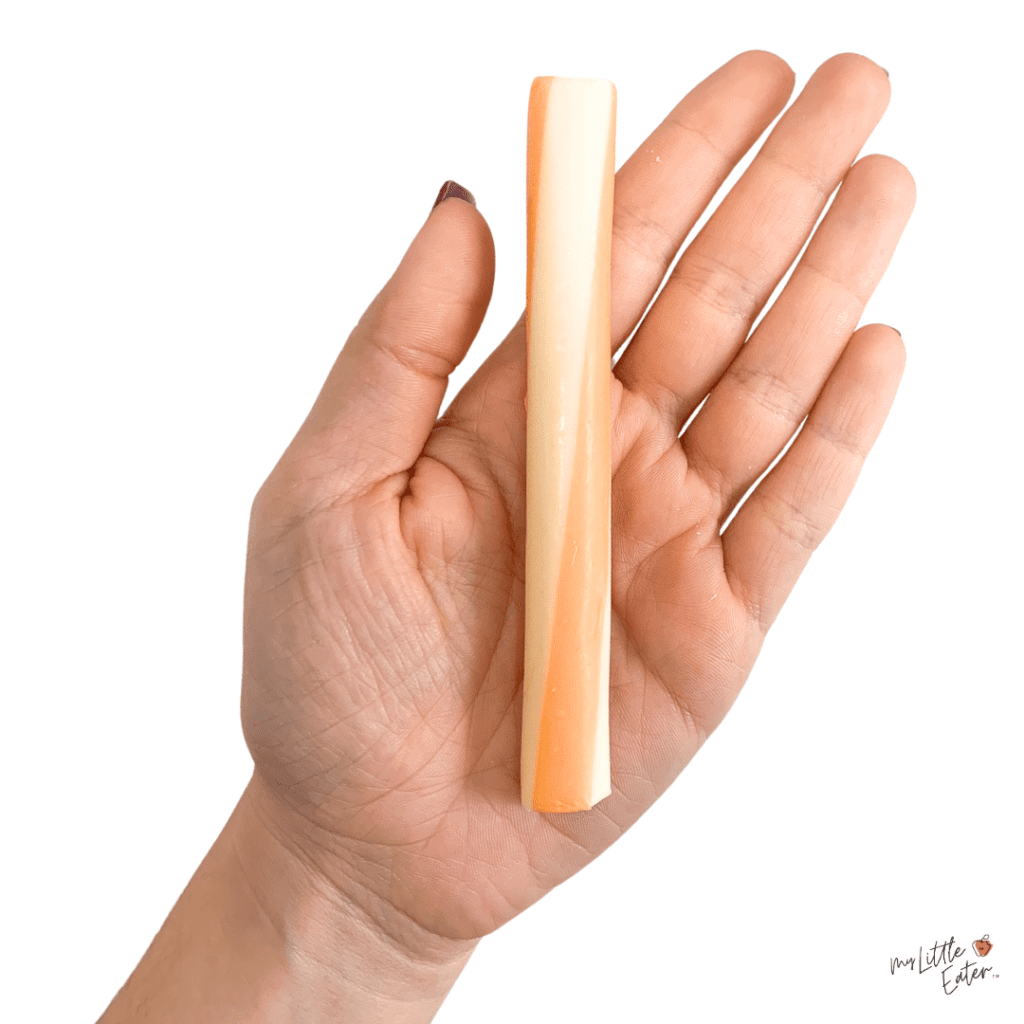
Historically, parental concern has centered on the physical size of food pieces. Many experts now note that while "bite-sized" pieces seem safer, they are often more dangerous because they can be swallowed whole without sufficient mastication. Conversely, larger, soft, finger-shaped pieces of food are often safer because they require the infant to gnaw, which stimulates the natural gag reflex and prevents the child from losing track of the food in their mouth.

Categories of High-Risk Foods
To mitigate the risk of airway obstruction, food items are categorized based on their texture and physical properties.
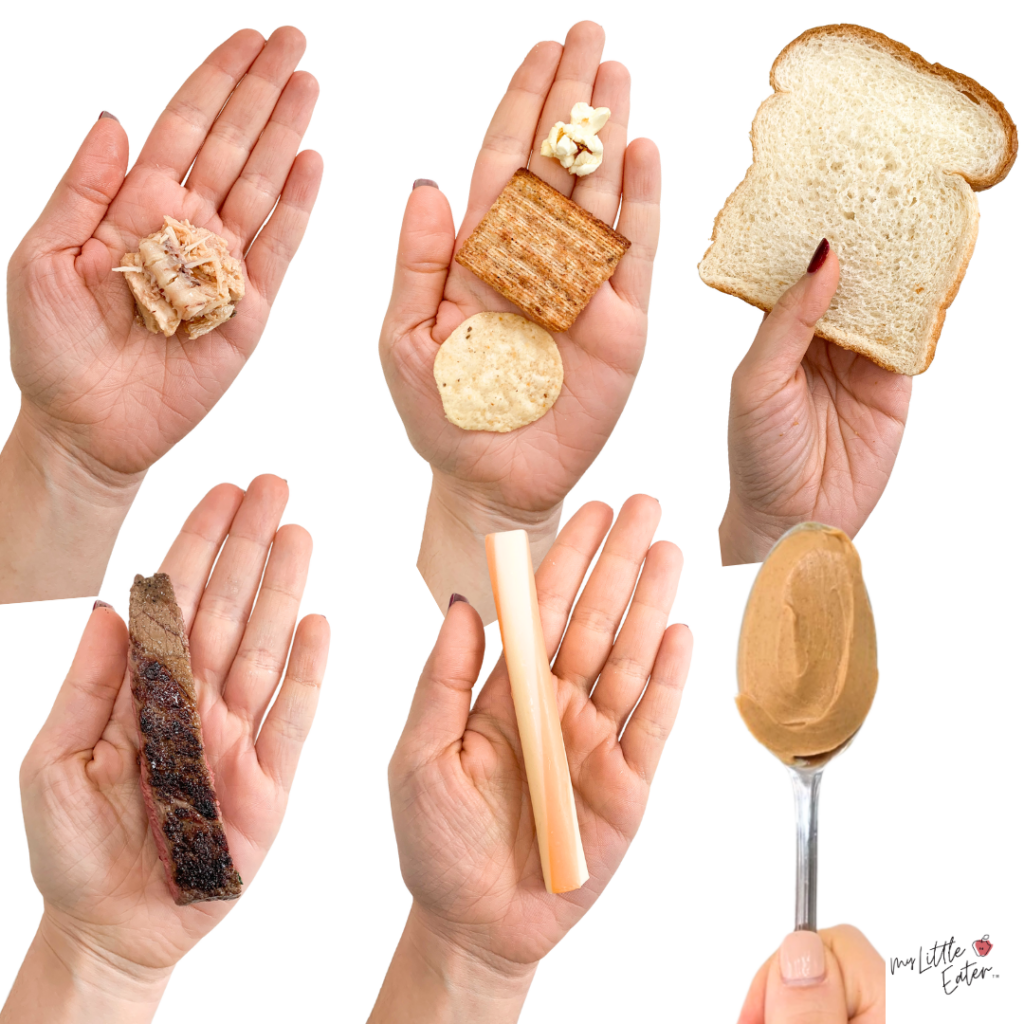
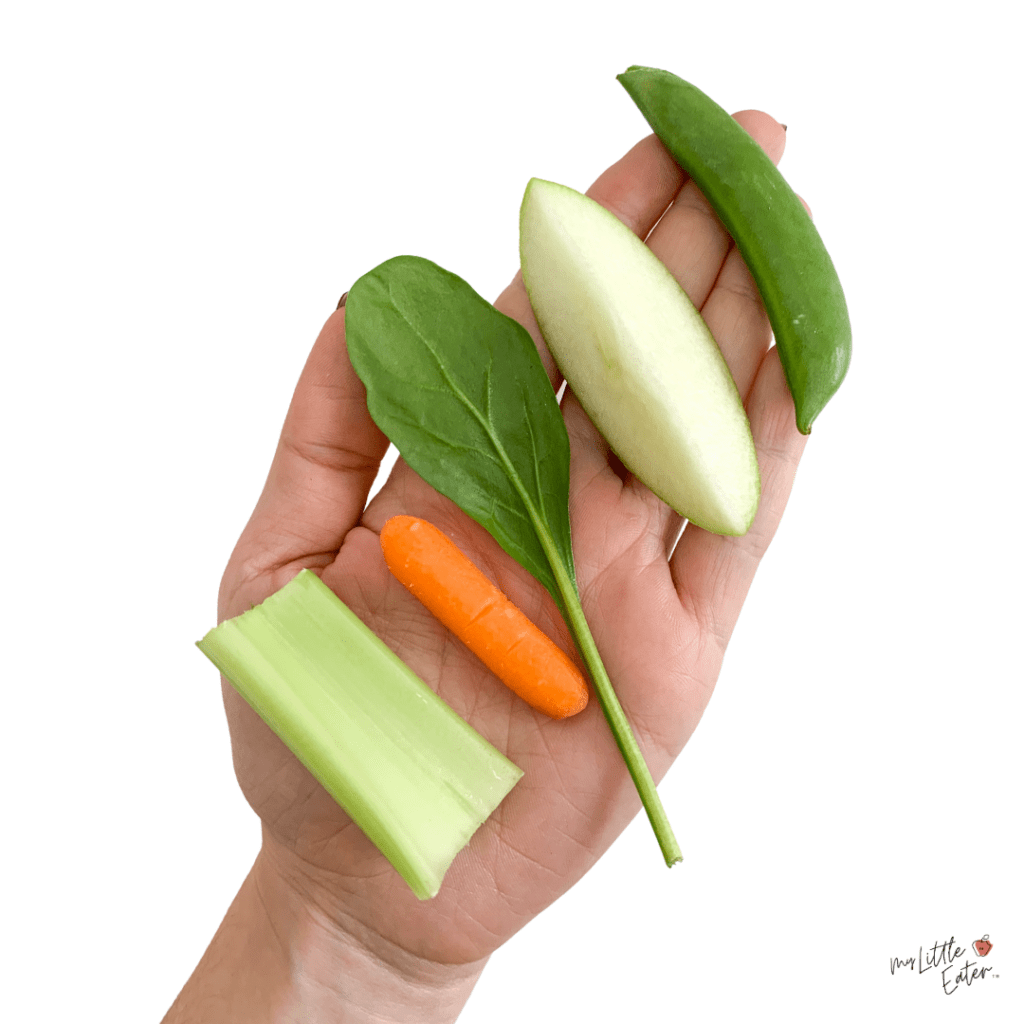
- Non-Squishable Solids: Foods like raw apples, carrots, and whole nuts do not break down easily with saliva or limited chewing. These items must be cooked until soft, pureed, or finely ground to ensure they can be safely managed by an infant’s developing gum-based chewing ability.
- Stick-Shaped Hazards: Long, thin pieces of food, such as whole grapes, cherry tomatoes, or un-modified hot dogs, mimic the diameter of the windpipe. If not sliced lengthwise into thin slivers, these items can form a vacuum seal within the airway, making them notoriously difficult to dislodge.
- Sticky and Gummy Textures: Foods like thick peanut butter, marshmallows, or gummy candies can adhere to the back of the throat. This category is particularly insidious because the food can "glob" together, effectively blocking airflow in a way that is difficult for a child to clear through coughing.
- Fragile/Crumbly Foods: Certain crackers or dry biscuits that break into sharp, jagged pieces pose a dual threat. Not only can they lodge in the throat, but they also carry a risk of aspiration, where small particles enter the lungs and cause respiratory distress or secondary infections.
The Mechanics of Puree-Related Risk
While many parents associate choking exclusively with finger foods, purees are not without risk. A common error is feeding infants in a reclined position, such as in a bouncer or a car seat. Proper feeding requires an upright, 90-degree posture to ensure that the airway remains clear. If a baby is in a reclined position, the epiglottis—the protective flap at the base of the tongue—may not react quickly enough to block the windpipe during a swallow, leading to potential aspiration or choking. Furthermore, if a child is overtired or lacks the mature tongue-thrust patterns required for swallowing, even thin purees can become a hazard.
Debunking Survivorship Bias in Parenting
A significant hurdle in promoting infant safety is the concept of "survivorship bias." This occurs when caregivers share anecdotes such as, "I gave my child whole grapes and they were fine," to argue against established safety guidelines. Experts like Holly Choi, a recognized leader in baby and toddler safety, emphasize that individual outcomes do not negate the necessity of safety protocols. All children possess different chewing capabilities, and safety recommendations are established based on the most vulnerable members of the population to ensure a standardized, high level of protection. Ignoring these guidelines based on the experience of one child can lead to dangerous complacency.
Essential Safety Protocols for Caregivers
To minimize the risk of choking during the transition to solid foods, the following universal precautions are recommended by pediatric nutritionists and safety experts:
- Assessment of Readiness: Before starting solids, infants must be able to sit up unassisted, indicating sufficient core strength to remain upright during meals.
- Supervision: Choking is often silent. Caregivers should be within arm’s reach of the child at all times during feeding to monitor for the "silent and blue" indicators of a true choking emergency.
- Controlled Environment: Feeding should occur in a stationary, high-chair environment. Walking, running, or playing while eating increases the risk of sudden movements that can dislodge food into the airway.
- Modeling Behavior: Children learn by observation. Adults should model slow, deliberate chewing and avoid overstuffing their own mouths, as children will naturally mirror these habits.
- Caregiver Education: Anyone responsible for the child—including grandparents, babysitters, and daycare staff—must be briefed on food preparation and the specific differences between gagging and choking. Providing a printed cheat sheet of high-risk foods is an effective way to standardize care across multiple caregivers.
The Critical Role of Pediatric First Aid
Perhaps the most imperative step for any parent is the completion of a certified pediatric CPR and first aid course. Knowledge of the Heimlich maneuver and back blows for infants is a life-saving skill that cannot be replicated by internet research during an emergency. In a crisis, seconds matter, and the ability to act on instinct and training is the final, most vital layer of defense.
Broader Implications for Public Health
The discourse surrounding choking hazards highlights the importance of evidence-based parenting. As the popularity of methods like baby-led weaning continues to grow, the need for accessible, professional, and consistent safety information becomes paramount. By focusing on food modification, proper positioning, and parental education, families can navigate the transition to solids with confidence, turning a high-anxiety milestone into a safe and successful developmental achievement. For those seeking structured guidance, resources like the Baby Beginnings Bundle—which combines nutritional guidance with safety training—represent the modern standard in comprehensive pediatric care, ensuring that parents are prepared not just for the daily routine of feeding, but for the safety of their children in any situation.