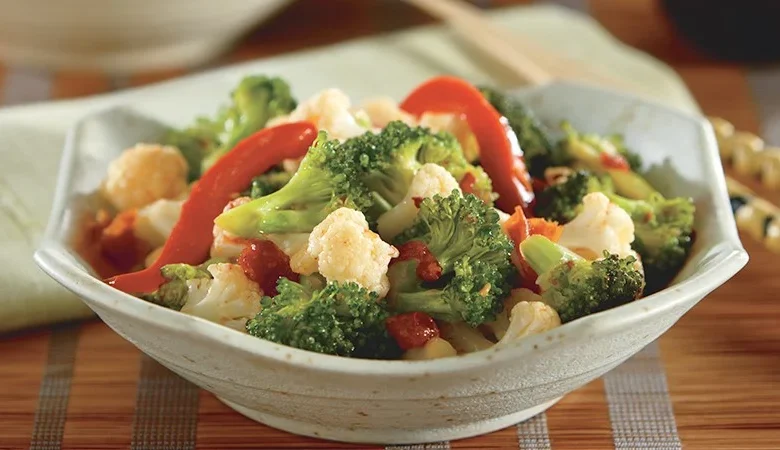
Culinary experts and public health advocates have increasingly turned their attention toward quick, nutrient-dense home cooking methods as a primary defense against the rising prevalence of diet-related chronic illnesses. Among the various culinary techniques available to the modern home cook, stir-frying stands out as a particularly efficient method for preserving the integrity, texture, and nutritional value of fresh vegetables. As consumer interest in plant-forward diets grows alongside the demand for rapid meal preparation, nutritionists are emphasizing the importance of foundational cooking techniques that minimize reliance on saturated fats while maximizing flavor profiles through the use of aromatics, vinegars, and fermented soy products.
Recent market data from the global food industry indicates a significant shift in consumer behavior toward home-prepared meals that require less than thirty minutes from preparation to consumption. This trend has been accelerated by busy work schedules, economic pressures, and a heightened awareness of the health consequences associated with ultra-processed foods and restaurant dining. In response, culinary educators are promoting accessible recipes that utilize everyday produce—such as broccoli, cauliflower, tomatoes, and bell peppers—combined with pantry staples like soy sauce, sesame oil, and red pepper flakes to create balanced, flavorful dishes.
Step-by-Step Chronology of Preparation
The successful execution of a rapid vegetable stir-fry relies heavily on mise en place—the preparation and organization of ingredients before the cooking process begins. This structured approach ensures that heat-sensitive vegetables cook evenly without losing their crisp-tender texture or essential micronutrients.
The preparation timeline begins with the precise treatment of the tomatoes, which require a brief initial softening process. By placing the tomatoes in a small bowl and covering them with boiling water for a duration of exactly five minutes, the skin loosens, and the internal moisture is partially released, concentrating the natural umami flavors. Following this five-minute steeping period, the tomatoes are thoroughly drained and coarsely chopped, setting them aside for the later stages of cooking.
Concurrently, the foundational sauce is prepared in a separate small vessel. This mixture integrates soy sauce, vinegar, sugar, sesame oil, and red pepper flakes, creating a balanced liquid base that incorporates salty, acidic, sweet, and moderately spicy notes. The integration of these components prior to cooking allows the sugar to dissolve evenly and ensures that the volatile aromatic compounds of the sesame oil and red pepper flakes distribute uniformly when introduced to the hot pan.
The active cooking phase commences with the heating of vegetable oil in a wok or a large nonstick skillet over medium-high heat. The choice of a wok or a wide nonstick skillet is critical, as these vessels provide the necessary surface area for rapid heat transfer and moisture evaporation. Once the oil reaches the appropriate temperature, minced garlic is introduced to the pan. The garlic requires careful observation, undergoing a rapid stir-fry of approximately thirty seconds. This brief cooking window releases the allicin compounds in the garlic into the oil without burning the delicate sugars, which would otherwise impart a bitter flavor profile.
Immediately following the garlic, dense cruciferous vegetables—specifically cauliflower and broccoli florets—are added to the vessel. These vegetables require a longer cooking duration to achieve the desired crisp-tender consistency and are stir-fried for roughly four minutes. This intermediate cooking step softens the cell walls of the brassica vegetables while preserving their vibrant green and white hues, as well as their heat-sensitive vitamins.
The final phase of vegetable incorporation involves adding the previously prepared tomatoes and sliced bell peppers to the skillet. Because these ingredients possess higher moisture content and softer cellular structures, they require a shorter cooking duration, typically restricted to one minute. This brief exposure to high heat warms the ingredients through while maintaining the structural integrity and bright crunch of the bell peppers.
The culminating step unites the solid ingredients with the liquid flavor profile. The pre-mixed soy sauce and seasoning blend is poured directly into the skillet, where it immediately interacts with the hot cooking surface and the steaming vegetables. The mixture is continuously cooked and stirred until heated through, allowing the sauce to coat the vegetables evenly and bind the disparate flavors into a cohesive dish before immediate service.
Nutritional Data and the Science of Healthy Cooking Methods
Public health organizations, including the World Health Organization and national departments of agriculture, consistently highlight the correlation between dietary intake and long-term health outcomes. A diet rich in cruciferous vegetables like broccoli and cauliflower, alongside antioxidant-rich nightshades such as tomatoes and bell peppers, is strongly associated with a reduced risk of cardiovascular disease, type 2 diabetes, and certain forms of cancer.
However, the nutritional benefits of fresh produce can be significantly altered by preparation methods. Culinary science demonstrates that high-heat, short-duration cooking methods such as stir-frying retain water-soluble vitamins—such as vitamin C and various B vitamins—far more effectively than prolonged boiling or steaming, which can leach essential nutrients into cooking water. Furthermore, the use of a minimal amount of unsaturated plant oils, combined with flavorful additions like vinegar and spices, allows cooks to reduce their reliance on sodium and saturated fats without sacrificing culinary satisfaction.
Dietary guidelines emphasize that the culinary terminology used in commercial and home food preparation serves as a vital indicator of nutritional content. Understanding these terms empowers consumers to make informed choices, whether they are cooking at home or navigating restaurant menus in a fast-paced environment.
Consumer Guidance: Identifying Healthy Menu Options
Dining out presents distinct challenges for individuals attempting to maintain a balanced, low-fat diet. Restaurant preparations frequently incorporate hidden fats, excessive sodium, and refined sugars to enhance flavor and texture. Nutritionists recommend developing a functional vocabulary of culinary terms to decode menu descriptions effectively.
Healthy menu navigation relies on identifying specific preparation techniques associated with lower fat content. Terms such as broiled, grilled, roasted, stir-fried, and steamed generally indicate that foods have been prepared using dry or moist heat with minimal added fats. Broiling and grilling utilize direct radiant heat, allowing excess fats to drip away from the food source. Roasting employs convection heat within an oven, often requiring only a light coating of oil. Stir-frying, when executed correctly with controlled oil volumes, utilizes high heat and rapid movement to cook foods swiftly, preventing excessive oil absorption. Steaming relies entirely on water vapor, completely eliminating the need for added cooking fats.
Conversely, consumers are advised to exercise caution and limit menu items described as buttered, basted, fried, or creamed. These descriptors invariably signal that the food has been prepared with significant amounts of saturated fats, hydrogenated oils, or heavy dairy products. Fried foods, in particular, absorb substantial quantities of cooking oil during the immersion process, dramatically increasing the caloric density and lipid profile of the meal.
Broader Impact and Industry Implications
The convergence of home-cooking trends, nutritional education, and culinary transparency reflects a broader cultural movement toward preventative healthcare. As healthcare costs associated with diet-related diseases continue to escalate globally, policymakers and public health officials are placing greater emphasis on nutritional literacy as a core component of public welfare.
Food industry analysts note that consumer demand for transparent labeling and clear preparation descriptions has influenced both the packaged goods sector and the restaurant industry. Restaurants are increasingly adopting lighter cooking terminology and offering customizable preparation methods to cater to health-conscious patrons. Similarly, culinary media platforms have experienced an surge in demand for content that bridges the gap between scientific nutritional advice and practical, accessible home cooking.
Ultimately, the mastery of foundational techniques like stir-frying represents more than a method for preparing a single meal; it embodies a sustainable approach to nutrition that equips individuals with the practical skills necessary to manage their dietary intake effectively. By combining fresh, nutrient-dense produce with mindful cooking practices, home cooks can achieve a balance of flavor, efficiency, and long-term health benefits that supports personal wellness and public health objectives alike.