The Evolution of the Baby Gear Market
The baby gear industry has long been characterized by high-cost, short-term utility. According to recent consumer spending reports, parents spend thousands of dollars on equipment that may only be useful for a window of three to six months. From bassinets that a child outgrows once they begin rolling over to specialized swings and bouncers, the necessity for high-quality gear is intense but fleeting.
Historically, this has forced parents into a cycle of purchasing, storing, and eventually disposing of or reselling items—a process that is often time-consuming and inefficient. The introduction of a rental program by a major retailer like PishPosh Baby signifies an acknowledgment of the "minimalist parenting" movement. By shifting the focus from ownership to access, the company is catering to urban dwellers with limited square footage and eco-conscious consumers who are increasingly skeptical of the "buy-and-toss" culture.
Strategic Benefits of the Rental Model
The PishPosh Baby rental initiative is built upon four primary pillars: cost-efficiency, trial-based decision-making, travel convenience, and hosting support. Each of these components is designed to solve specific challenges encountered during the early stages of child development.
Financial Optimization and Short-Term Utility
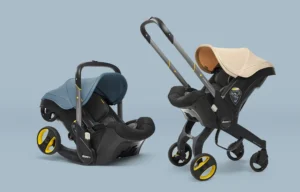
For many families, the upfront cost of premium gear—such as a top-of-the-line stroller or a sophisticated sleep system—acts as a significant barrier. By allowing rentals, the company lowers the financial threshold, permitting families to utilize high-end products at a fraction of the retail price. This is particularly relevant for items like the 4moms MamaRoo sleep bassinet, which serves a critical but narrow developmental window. Renting allows parents to manage their household budget more effectively without sacrificing the quality of care or the comfort of their infant.
The "Try Before You Buy" Paradigm
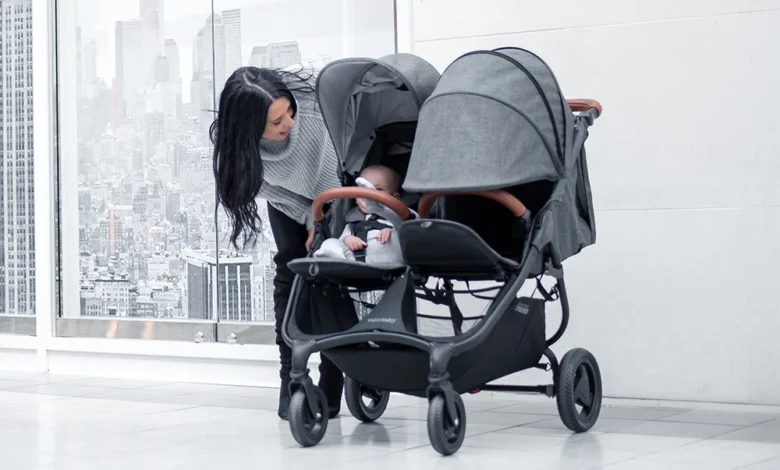
In an era of endless product reviews and social media influencers, consumers are often paralyzed by choice. The ability to rent a product offers a low-risk environment to evaluate the functionality of specific brands. If a parent is unsure whether a particular stroller model will suit their lifestyle—or if they are debating between two different types of soothing devices—they can now field-test these items in their own home. This hands-on experience allows for informed decision-making, effectively eliminating the "buyer’s remorse" that often accompanies major retail purchases. Furthermore, the program offers a pathway to ownership: if a family discovers they cannot part with a rented item, the option to purchase the gear outright provides a seamless transition from renter to owner.
Logistical Ease for Travelers and Hosts
Travel with infants is notoriously difficult, primarily due to the bulk of necessary equipment. The new program facilitates a "travel light" philosophy, allowing families to rent destination-appropriate gear, such as child carriers for hiking or specialized travel cribs and playards. For families hosting visitors, the ability to rent high-quality equipment on a short-term basis solves the problem of needing to purchase items that will only be used for a few days or weeks. This convenience extends the utility of the gear beyond the immediate family unit, positioning PishPosh Baby as a hub for logistical support rather than just a retail storefront.
A Timeline of Modern Retail Adaptation
The launch of this service follows a multi-year period of industry-wide reflection on the sustainability and accessibility of juvenile products. In early 2023, industry analysts noted a growing trend of "product-as-a-service" models emerging in the furniture and apparel sectors. By mid-2023, PishPosh Baby began assessing consumer interest in short-term access models, recognizing that the primary obstacles to purchase were storage constraints and price sensitivity.
By late 2023, the internal infrastructure for the rental program—including quality control, sanitation protocols, and logistics management—was established. The formal launch in June 2024 marks the culmination of these efforts, positioning the brand to capture a segment of the market that values flexibility over inventory accumulation.
Implications for the Industry and Consumer Behavior
The broader implications of this program are significant. As the circular economy gains momentum, the baby gear industry is likely to see a broader shift toward rental and refurbished product models. For the retailer, the program creates a recurring revenue stream and increases brand loyalty by staying present throughout the various developmental stages of a child’s life.
From an environmental standpoint, the reuse of high-quality items reduces the demand for raw materials and lowers the volume of plastic and metal waste entering landfills. While the rental model requires an initial investment in logistics and maintenance, it provides a hedge against market volatility, as consumers are more likely to seek out rental services during periods of economic tightening.
Furthermore, the data collected from these rentals will provide PishPosh Baby with invaluable insights into product durability and consumer preference. Unlike a one-time purchase, a rental relationship creates a continuous feedback loop. If a product consistently fails to meet user expectations or requires frequent maintenance, the company will have the data to address these issues directly, thereby improving their overall product curation.
Operational Standards and Safety
A critical component of the PishPosh Baby rental program is the emphasis on safety and hygiene. In the juvenile industry, the integrity of the equipment is paramount. The company has implemented rigorous inspection and cleaning protocols for all items returning from a rental period. This ensures that every subsequent user receives gear that meets strict safety standards. By maintaining the equipment in-house, the company mitigates the safety concerns that often plague peer-to-peer rental platforms or secondhand marketplace transactions.
Conclusion: A Shift in Parenting Support
The introduction of the rental program at PishPosh Baby is more than a mere retail service; it is a fundamental shift in how families interact with the tools of parenthood. By prioritizing accessibility, the company is effectively decoupling the necessity of high-quality gear from the burden of permanent ownership. As parents continue to navigate the complexities of raising children in an increasingly mobile and space-conscious world, the demand for flexible, high-utility solutions is expected to grow.
This program provides a template for how retailers can evolve to meet the changing needs of their customers. By combining the convenience of e-commerce with the flexibility of a service-oriented model, PishPosh Baby is setting a new standard for the industry. For the modern parent, the option to rent provides peace of mind, allowing them to focus on what matters most—the growth and well-being of their child—without being weighed down by the logistics and costs of a growing nursery. Whether it is for a short-term travel excursion, a trial period to determine the best fit for a newborn, or a solution for temporary hosting, the shift toward rental services offers a practical and sophisticated approach to modern child-rearing.