The Ultimate Guide to Baking Salted Double Chocolate Chip Cookies: The Ultimate Fusion of Brownies and Bakery-Style Confections

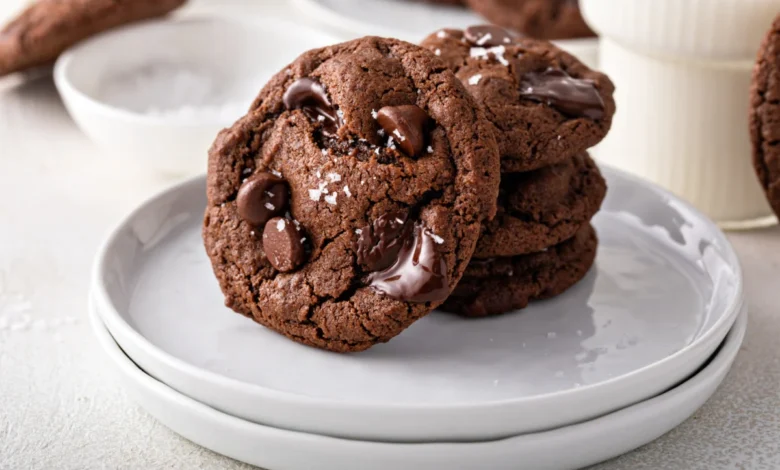
The culinary landscape of home baking has long been dominated by the traditional chocolate chip cookie, a classic American staple invented in the 1930s by Ruth Wakefield at the Toll House Inn. However, contemporary home economists and culinary developers have increasingly gravitated toward hybrid confections that merge multiple dessert profiles into a single baked good. Among the most popular iterations emerging from domestic kitchens and artisanal bakeries alike is the salted double chocolate chip cookie, a treat that successfully bridges the fudgy density of a traditional brownie with the handheld convenience and textured edges of a classic cookie. As culinary enthusiasts continuously seek accessible yet elevated desserts for potlucks, holiday gatherings, and family desserts, this specific recipe has gained significant traction for its efficiency, requiring just 15 minutes of preparation and 11 minutes of baking time to yield 18 servings.
Culinary Origins and the Science of the Sweet-and-Salty Profile
The pairing of chocolate and salt is not a novel invention, but its widespread adoption in mainstream baking represents a sophisticated shift in consumer palates. Historically, salt was utilized in baking primarily as a chemical stabilizer—to strengthen gluten networks, regulate yeast fermentation in breads, and balance extreme sweetness. However, modern gastronomy recognizes sodium chloride as a potent flavor enhancer. Scientifically, salt suppresses bitter notes while heightening the perception of sweetness and allowing complex flavor compounds in high-cocoa-content ingredients to emerge.
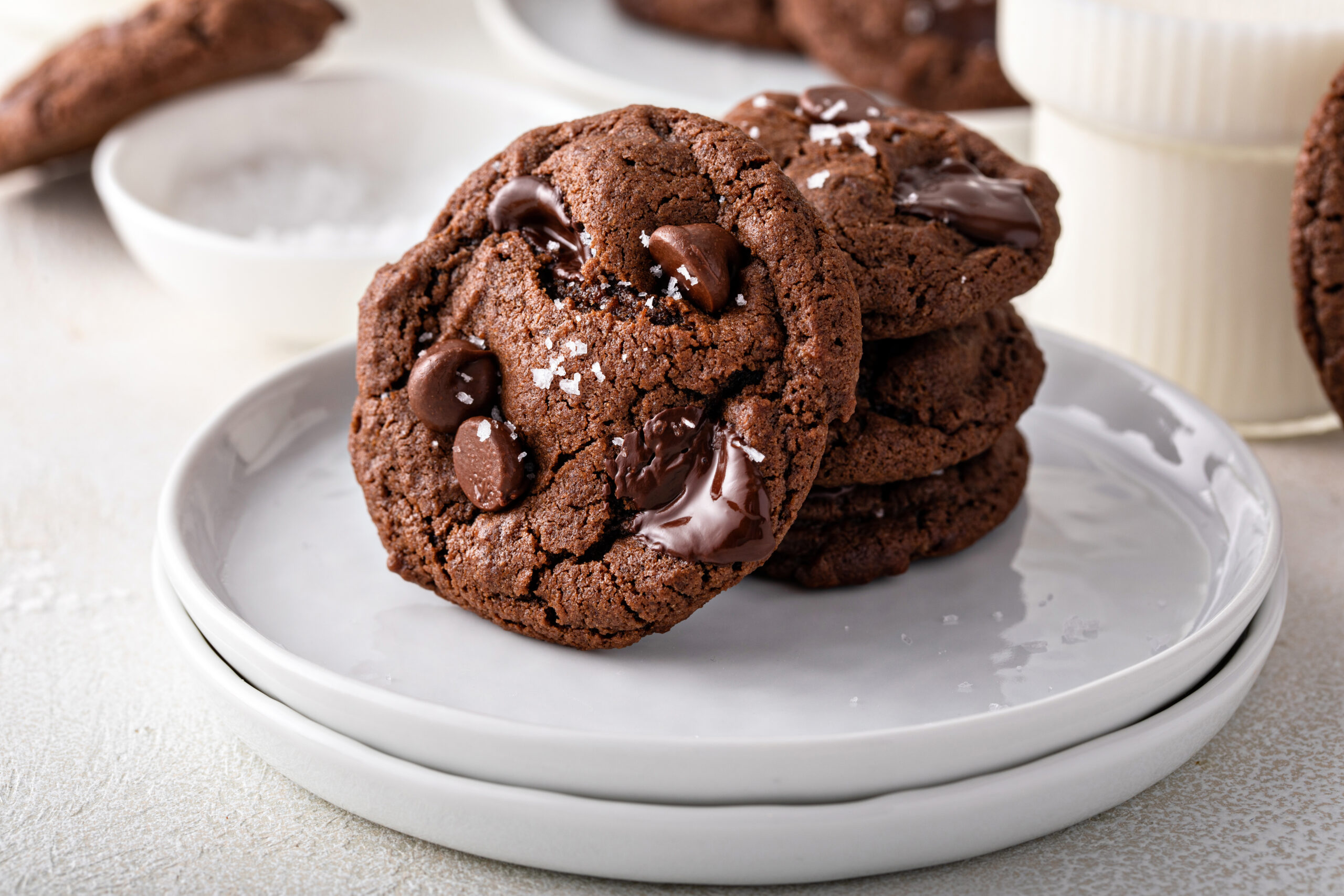
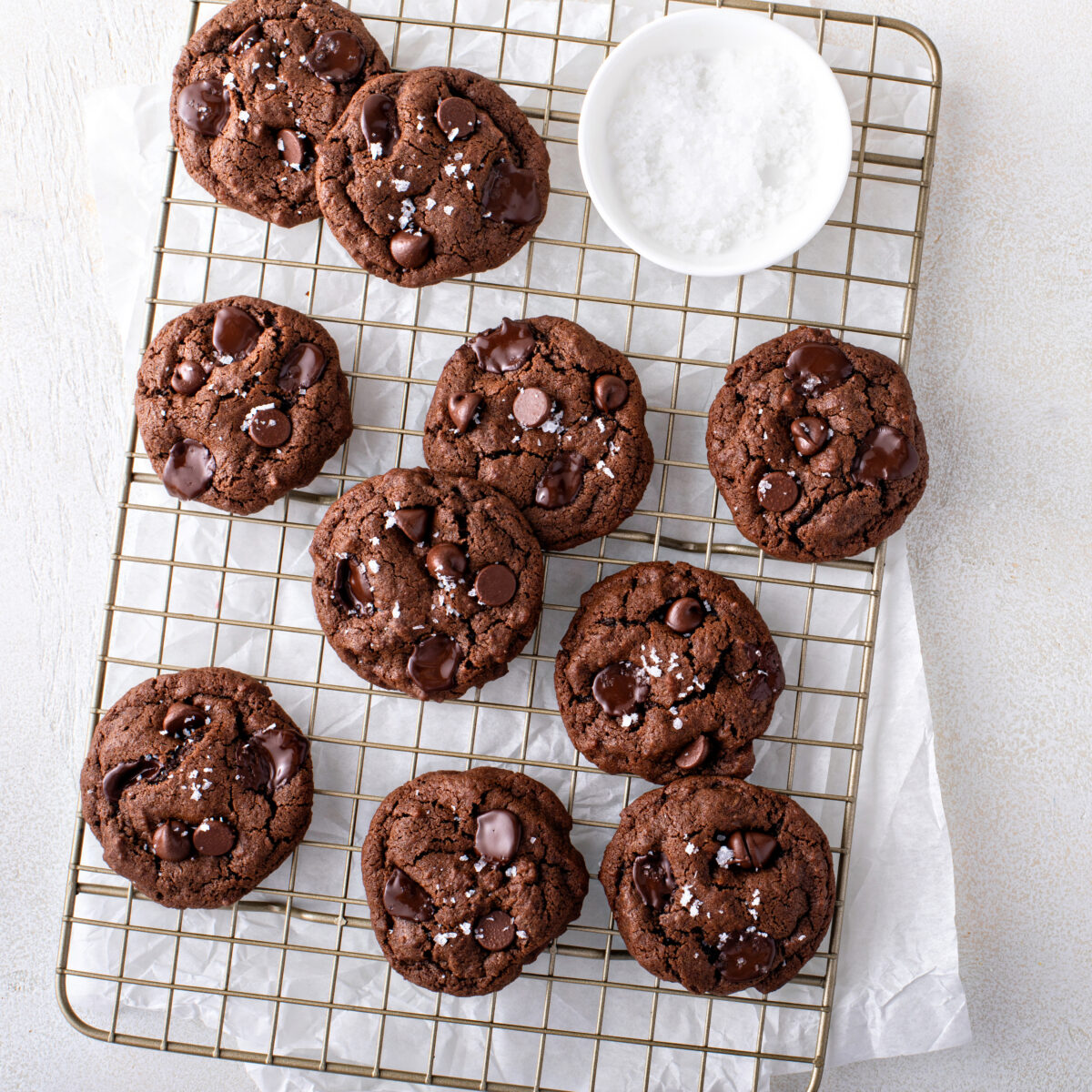
In the case of double chocolate cookies, the incorporation of unsweetened cocoa powder alongside semi-sweet or dark chocolate chips creates a deeply intense, slightly bitter chocolate foundation. When a finishing touch of flaky sea salt—such as Maldon or another coarse sea salt—is applied immediately following the baking process, the salt crystals dissolve partially upon contact with the residual heat of the cookies. This creates intermittent bursts of salinity that cut through the rich, buttery, and sugary matrix of the dough, elevating the overall sensory experience from a simple sweet treat to a complex, balanced dessert reminiscent of high-end patisseries.
Step-by-Step Chronology: From Pantry to Plate
Preparing these cookies requires a precise sequence of steps to achieve the hallmark texture: soft and fudgy in the center with lightly crisp outer edges. The entire process, from gathering ingredients to the final cooling phase, is structured for optimal efficiency.
Phase 1: Preparation and Dough Formation (15 Minutes)
The process begins with assembling standard pantry staples: all-purpose flour, high-quality unsweetened cocoa powder, baking soda, salt, butter, granulated sugar, brown sugar, eggs, vanilla extract, and chocolate chips. The inclusion of both granulated and brown sugar is a critical technical choice; brown sugar contains molasses, which introduces moisture and acidity, reacting with the baking soda to yield a softer, chewier crumb structure compared to white sugar alone. The dry ingredients—flour, cocoa powder, baking soda, and salt—are whisked together in a separate bowl to ensure even distribution of the leavening agent and the cocoa. Meanwhile, butter and sugars are creamed until light and fluffy, followed by the incorporation of eggs and vanilla extract. The dry mixture is then gently folded into the wet ingredients just until combined, preventing overworking the gluten, which would otherwise result in tough, dense cookies. Finally, chocolate chips or chunks are folded into the dark, glossy dough.
Phase 2: Baking and Thermal Dynamics (11 Minutes)
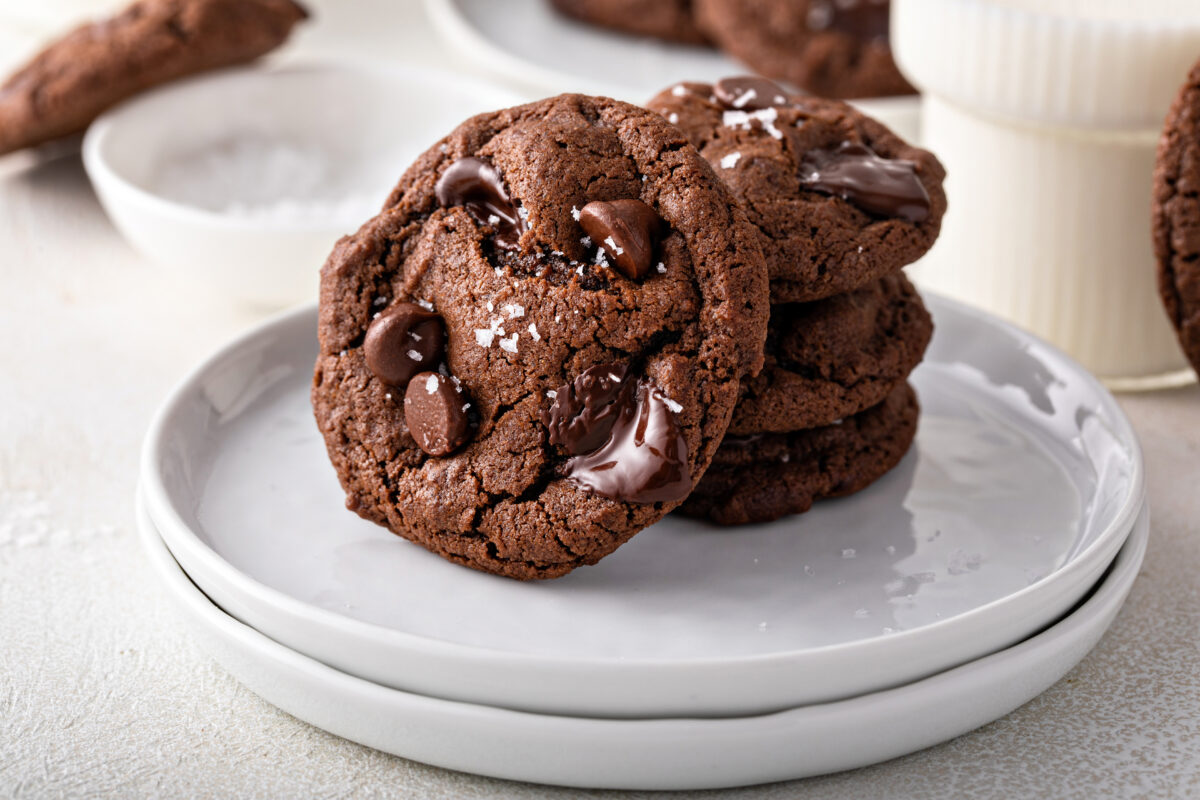
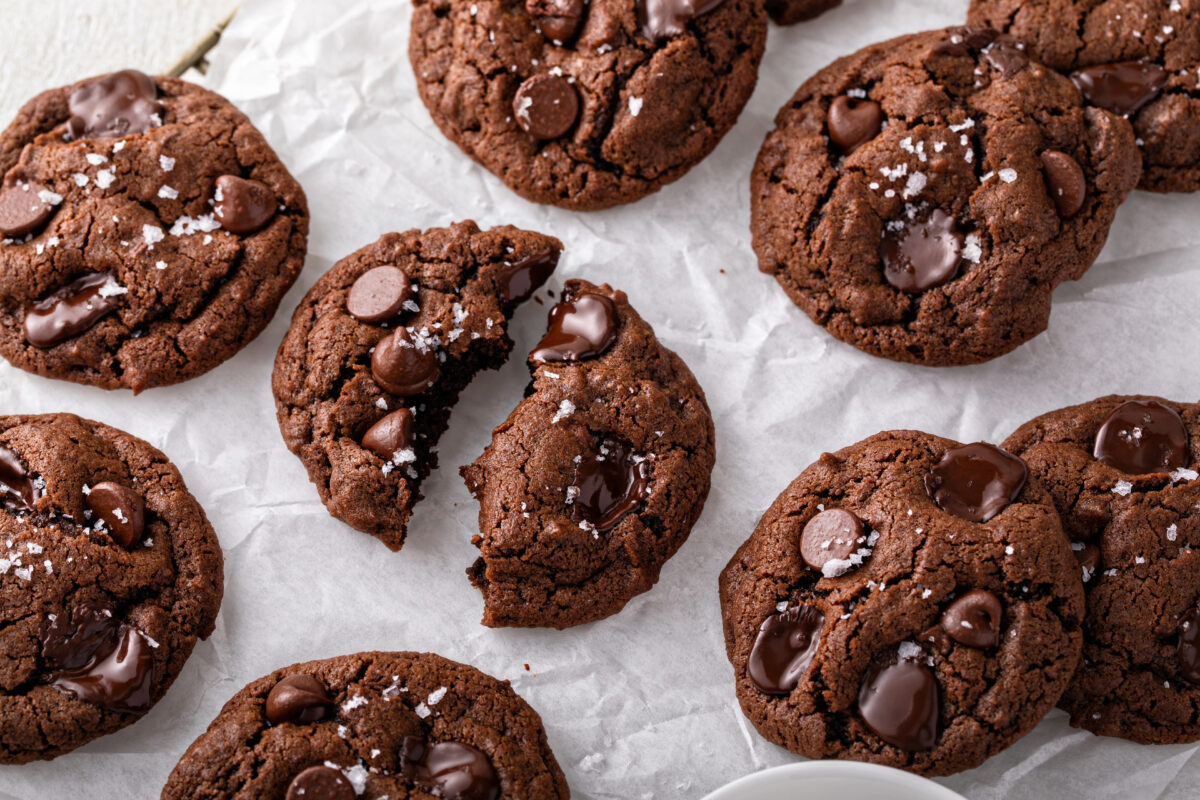
Portioning the dough into uniform balls ensures even baking. Chefs recommend placing extra chocolate chips or chunks onto the tops of the dough balls immediately before they enter the oven. This aesthetic and functional choice guarantees that the finished cookies feature visible, glossy pockets of melted chocolate characteristic of bakery-style goods. Placed in a preheated oven, the cookies undergo rapid thermal expansion. However, precision timing is essential. To maintain the signature fudgy center, the cookies must be removed from the oven while the centers still appear slightly underdone. The residual heat from the metal baking sheet will continue the cooking process off-load, a phenomenon known as carryover cooking, ensuring the interior remains moist and soft.
Phase 3: Finishing and Cooling (Resting Period)
Immediately upon removal from the oven, while the surface fats and sugars are still molten, the baker applies a delicate sprinkle of flaky sea salt. The warmth of the cookie anchors the salt crystals in place, preventing them from scattering. Crucially, the cookies must remain undisturbed on the hot baking sheet for several minutes. Immediately after baking, the structural integrity of the cookie is fragile due to the high fat and low gluten-structure content. Allowing them to rest permits the starches to set, ensuring they can be transferred safely to a wire cooling rack without breaking apart.
Culinary Variations and Adaptability
One of the primary drivers of the recipe’s popularity is its inherent flexibility. Home cooks can easily modify the base dough to suit dietary requirements or specific flavor profiles without compromising the structural integrity of the bake.
- Triple Chocolate Variation: By substituting the standard chocolate chips with an equal measure combining semi-sweet, milk, and white chocolate, bakers introduce visual contrast and a multi-layered sweetness profile.
- Peppermint Adaptation: Incorporating one-quarter teaspoon of pure peppermint extract into the wet ingredients and dusting the warm cookies with crushed peppermint candies creates a seasonal variation popular during winter holidays.
- Nut Butter Integration: The addition of peanut butter chips or a deliberate swirl of smooth peanut butter folded gently into the dark dough yields a classic chocolate-and-peanut-butter flavor pairing.
- Enhanced Depth via Espresso: Adding one-half teaspoon of instant espresso powder or finely ground espresso to the dry ingredients does not impart a coffee flavor; rather, caffeine and coffee compounds act as chemical enhancers that intensify the natural flavor notes of the cocoa powder.
- Dietary Modifications: For individuals with celiac disease or gluten sensitivities, a direct one-to-one substitution using a commercial gluten-free all-purpose flour blend yields comparable texture results, provided the blend contains xanthan gum to mimic gluten’s binding properties.
Storage, Preservation, and Make-Ahead Logistics
For household meal planning or event preparation, the logistics of storing and freezing double chocolate chip cookies offer significant convenience. Fully baked cookies, once completely cooled to room temperature, can be stored in an airtight container for up to four days without losing their soft texture.
For longer-term storage, the recipe accommodates two distinct freezing methods:
- Dough Freezing: Scooped raw cookie dough balls can be placed on a baking sheet and frozen until solid. Once frozen, they are transferred to a heavy-duty, freezer-safe storage bag, where they remain viable for up to three months. When baking from frozen, an additional one to two minutes of oven time is required, allowing home cooks freshly baked cookies on demand with minimal preparation.
- Baked Cookie Freezing: Fully baked and cooled cookies can also be frozen for up to two months. To restore their just-baked texture, the cookies should be thawed entirely at room temperature before serving, or warmed briefly in a low-temperature oven.
Broader Economic and Nutritional Implications
The rise of artisanal home baking, accelerated by shifts in domestic lifestyle trends, has positioned comfort foods like the salted double chocolate chip cookie as staples of modern home economics. Nutritionally, while classified as an indulgent dessert rather than a health food, these homemade confections offer distinct advantages over commercially manufactured, mass-produced packaged cookies. By utilizing simple, transparent pantry ingredients—real butter, unsweetened cocoa powder, unbleached flour, and pure vanilla—home bakers retain complete control over ingredient quality, portion sizes, and the elimination of industrial preservatives, artificial colorings, and hydrogenated oils often found in commercial snack aisles.
Furthermore, baking serves significant psychosocial benefits. Culinary therapists and family psychologists frequently highlight the cooperative nature of baking as an effective medium for family bonding, stress reduction, and the transmission of domestic skills across generations. As households continue to value scratch-made, high-yield recipes that balance gourmet appeal with straightforward preparation methods, the salted double chocolate chip cookie remains a definitive favorite in contemporary domestic culture.