Bone Broth Hot Chocolate: The Rise of Functional Comfort Beverages in Modern Nutrition

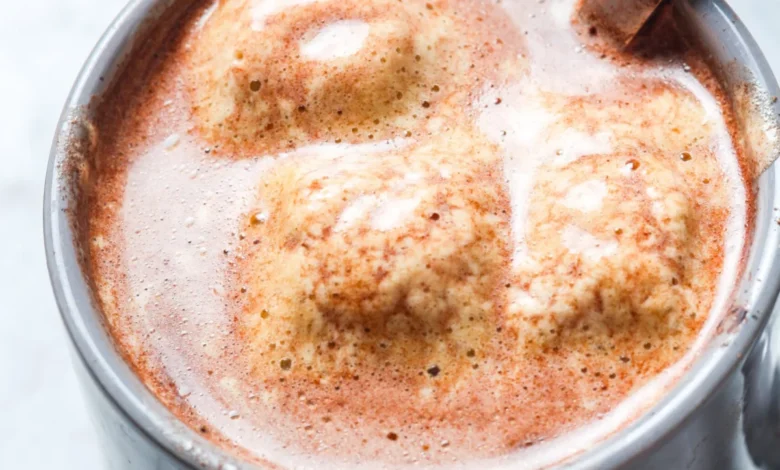
The convergence of traditional wellness practices and modern culinary innovation has reached a new peak with the emergence of bone broth-infused hot chocolate. Once relegated to savory soups and stockpots, bone broth—a nutrient-dense liquid derived from simmering animal bones and connective tissues—is now being integrated into sweet, indulgent beverages. This culinary shift represents a broader trend in the food and beverage industry, where consumers increasingly prioritize "functional nutrition," seeking out snacks and drinks that offer both immediate sensory satisfaction and long-term health benefits.
The history of bone broth spans centuries, traditionally valued in ancestral diets for its high concentrations of collagen, amino acids like glycine and proline, and essential minerals. However, its transition into the dessert category marks a significant evolution in how functional ingredients are marketed. By blending the deep, earthy notes of cocoa with the subtle, umami-rich profile of collagen-rich broth, food scientists and home chefs alike are creating a beverage that balances traditional dessert cravings with the body’s requirement for protein and joint support.

The Nutritional Mechanics of the Fusion
The primary appeal of this beverage lies in its nutritional profile. A standard cup of hot chocolate typically consists of milk or cream, cocoa powder, and high quantities of refined sugars, providing a rapid spike in glucose with minimal nutritional density. By replacing a portion of the liquid base with high-quality, unsweetened bone broth, the beverage gains a substantial boost in protein and essential amino acids without sacrificing the velvety texture that defines a premium cocoa experience.
Data from the functional food market indicates that consumers are moving away from empty-calorie indulgences. According to industry reports from late 2024, the demand for collagen-infused products has grown by approximately 15% annually. The logic behind this integration is straightforward: the gelatinous properties of bone broth mimic the mouthfeel of heavy cream or butter. When heated with high-quality cocoa powder and a natural sweetener like honey or maple syrup, the broth’s viscosity provides a "rich" sensation that satisfies the palate, effectively masking the savory undertones of the meat-based stock.
Chronology of the Trend
The adoption of bone broth in non-traditional formats began in earnest around 2020, as the global health crisis prompted a renewed interest in immune-supporting and gut-healthy foods. Initially, this was limited to specialized health cafes and boutique wellness brands. By 2023, the concept had migrated into the mainstream home-cooking sector.
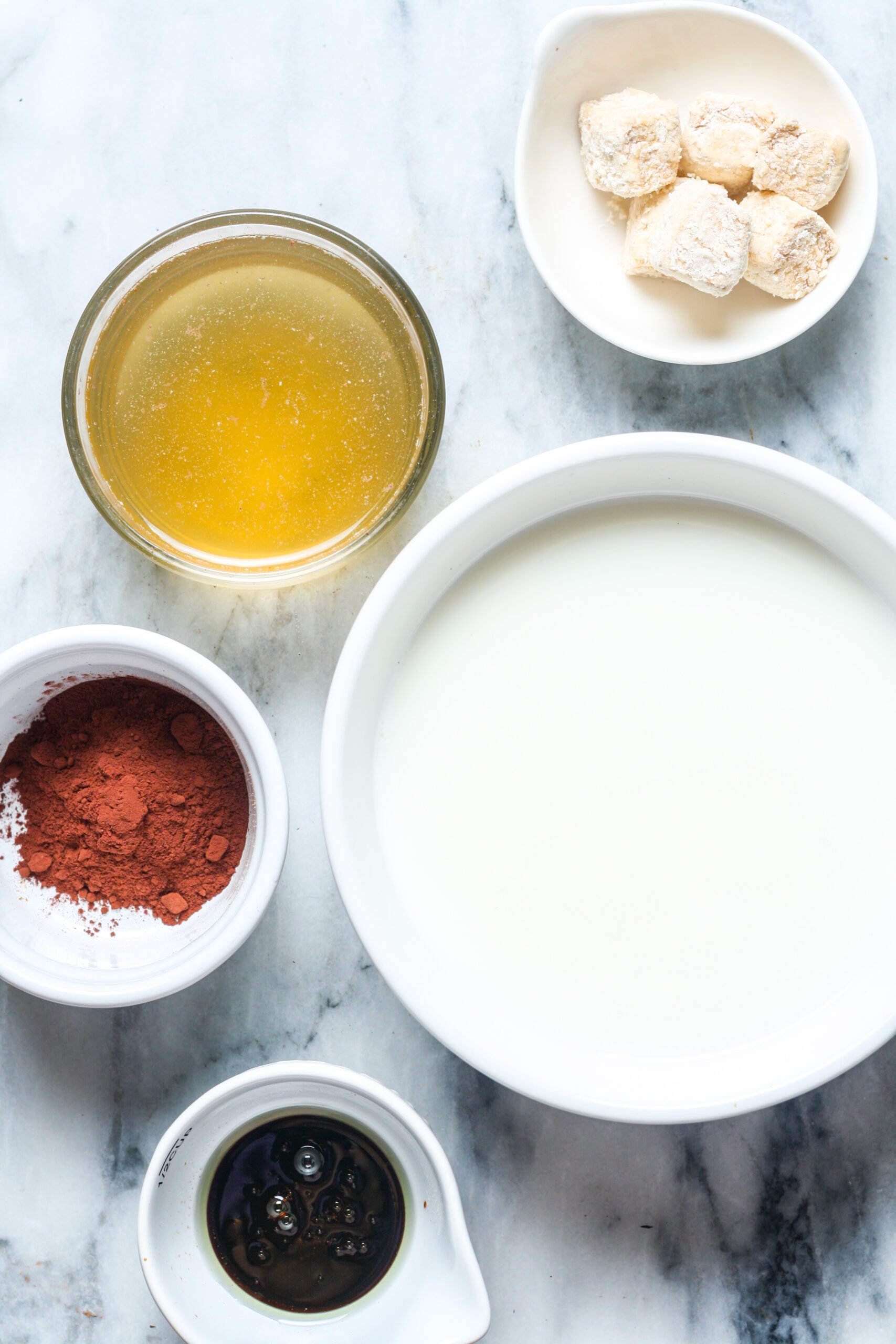
The 2025 seasonal cycle has seen a surge in "hybrid" beverage recipes. Culinary experts note that the success of these drinks depends entirely on the quality of the base ingredient. Professional nutritionists emphasize that the broth must be neutral—typically chicken or a mild beef variety—devoid of added vegetables, onions, or garlic, which would clash with the flavor profile of the chocolate. This requirement has spurred a new category of "culinary-grade" bone broths, specifically marketed for versatility in both savory and sweet applications.
Expert Analysis and Nutritional Implications
From a biochemical perspective, the inclusion of bone broth in a sugary beverage may mitigate some of the negative metabolic effects typically associated with high-sugar drinks. While more research is required to quantify the exact glycemic impact, nutritionists suggest that the protein content provided by the broth can help slow the absorption of sugars into the bloodstream.
Dr. Elena Vance, a consultant in functional medicine, notes: "The marriage of cocoa—a source of antioxidants and flavanols—with the amino acid profile of bone broth is a sophisticated approach to ‘stealth health.’ It is an efficient way to increase daily protein intake, which is critical for muscle maintenance and skin health, particularly in populations that do not consume sufficient bone-based nutrients."
However, industry analysts warn that the product is not a panacea. The health benefits are contingent upon the consumer selecting products with clean labels. "The market is flooded with processed broths containing excess sodium or artificial preservatives," says market analyst Marcus Thorne. "For this trend to remain viable and healthy, the focus must remain on homemade or high-quality, small-batch commercial broths that prioritize slow-simmering processes."
Preparation Standards and Culinary Techniques
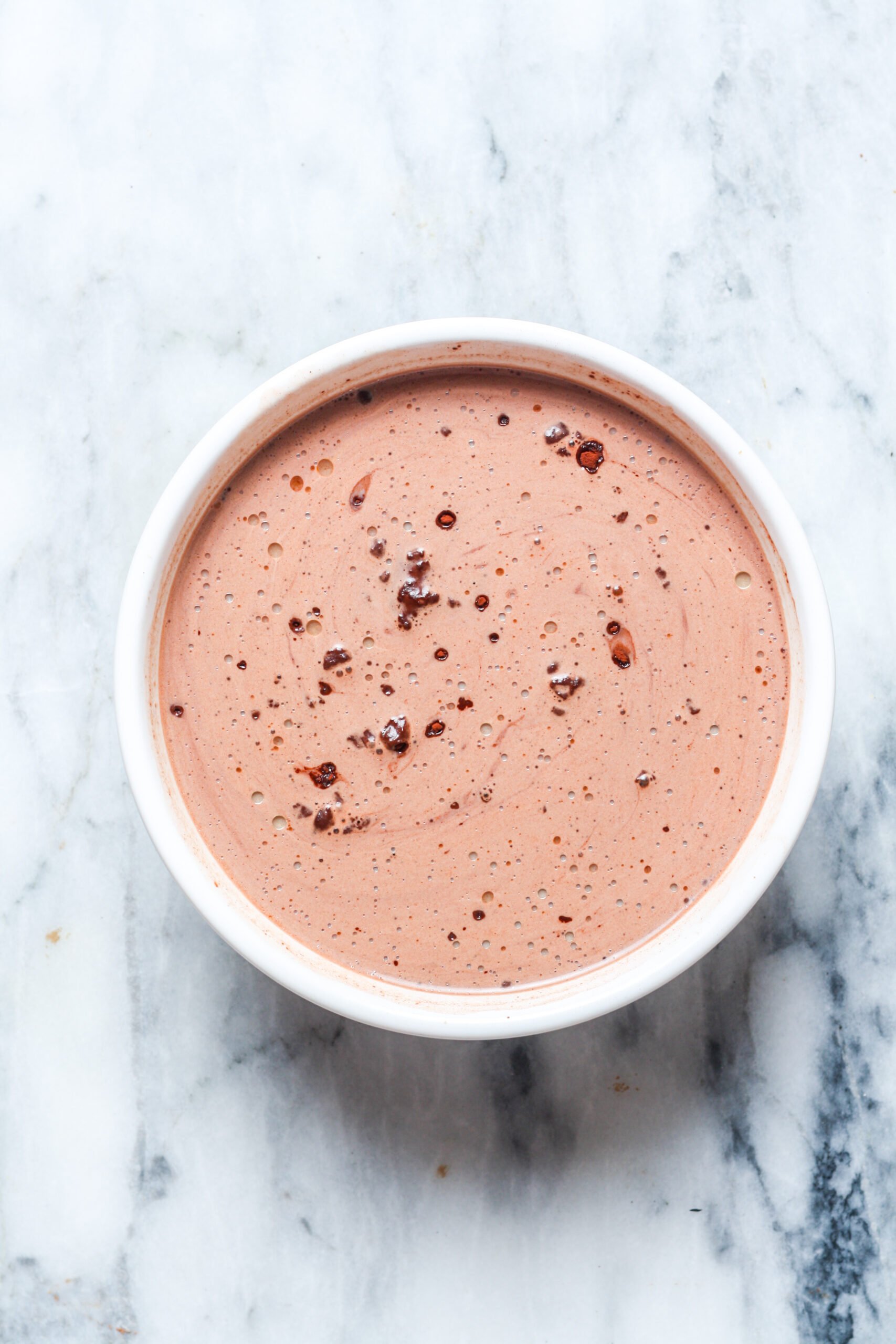
The methodology for creating this beverage involves a delicate balance of heat and emulsification. To prevent the broth from curdling or separating, the liquid must be brought to a gentle simmer rather than a rolling boil.
- The Base: The foundation consists of a 1:1 ratio of high-quality, unflavored bone broth to milk (or a plant-based alternative such as almond or oat milk).
- The Emulsion: Cocoa powder is whisked into the heated liquid. Because cocoa contains natural fats, it acts as an emulsifier, binding the collagen from the broth with the fats in the milk.
- Sweetening and Balancing: A natural sweetener, such as raw honey, is added post-simmer to preserve its enzymatic profile. A small pinch of sea salt or cinnamon is often added to bridge the gap between the savory notes of the broth and the bitterness of the cocoa.
Broader Industry Impact
The rise of bone broth hot chocolate reflects a shifting demographic in the "real food" movement. As younger, health-conscious consumers seek to reconcile their desire for comfort food with strict dietary regimens—such as Paleo, Keto, or anti-inflammatory diets—the industry has responded with products that serve dual purposes.

Furthermore, this trend has implications for the meat industry. As sustainability becomes a core pillar of food production, the use of animal bones—a byproduct that was historically discarded—to create nutrient-dense beverages is being lauded as a "nose-to-tail" consumption model. By repurposing bones into high-value liquid nutrition, the industry reduces waste while providing a premium product that commands a higher price point than traditional stock.
Future Projections
As we move into the latter half of 2025, the culinary landscape is expected to see a diversification of these functional cocoa blends. Expect to see variations featuring adaptogens like reishi or lion’s mane mushrooms, which, when paired with the base of bone broth and cocoa, could create a "super-beverage" category.
While critics might argue that the combination is an acquired taste, the sheer volume of home-kitchen adoption suggests that the barrier to entry is lower than anticipated. The success of the recipe is fundamentally rooted in the psychological comfort of hot chocolate, upgraded by the biological benefits of ancestral nutrition. As long as the market continues to prioritize transparency in sourcing and purity of ingredients, the "bone broth latte" and "hot cocoa" variations are likely to remain staples of the modern, health-conscious pantry for the foreseeable future.

In conclusion, the evolution of bone broth from the soup bowl to the mug serves as a microcosm for the larger movement toward functional, integrated eating. It is a reminder that the most effective nutritional strategies are often those that require the least amount of sacrifice in terms of taste and enjoyment. Whether viewed as a health supplement or a decadent treat, the integration of bone broth into cocoa represents a successful and likely permanent fusion of tradition and modern health science.
Related posts: