Finding Strength and Resilience While Living with Diabetes: A World Diabetes Day Message

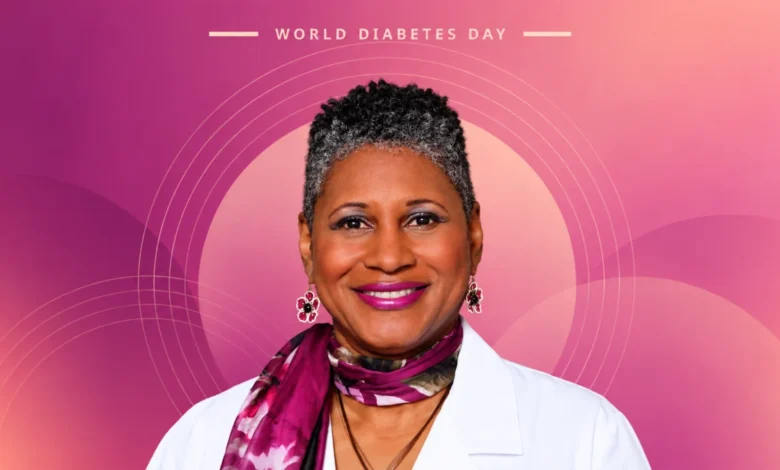
Living with diabetes is a persistent, round-the-clock responsibility that demands not only rigorous medical management but also a profound level of psychological fortitude. For women, this journey is frequently compounded by hormonal fluctuations, shifting societal expectations, and the heavy emotional burden of long-term self-care. As the global community observes World Diabetes Day on November 14, organizations like DiabetesSisters are shifting the focus toward the intersection of clinical care and emotional well-being, highlighting the S.A.F.E. Resilience Framework as a primary tool for patients navigating this complex landscape.
The Global Context of World Diabetes Day 2026
World Diabetes Day, established by the International Diabetes Federation (IDF) and the World Health Organization (WHO), serves as the primary global advocacy campaign for diabetes awareness. Since its inception in 1991, the date—chosen to commemorate the birthday of Sir Frederick Banting, who co-discovered insulin in 1922—has grown into a platform that reaches millions of people across more than 160 countries.
For 2026, the global theme, "Early Action on Diabetes," underscores a critical public health objective: the identification and management of the condition at the earliest possible stage. Data from the IDF indicates that a significant percentage of people living with Type 2 diabetes remain undiagnosed, which increases the risk of serious, life-altering complications such as cardiovascular disease, neuropathy, and retinopathy. By prioritizing early diagnosis and timely access to care, health systems aim to mitigate the long-term economic and human costs associated with the disease.
The S.A.F.E. Resilience Framework: A New Paradigm
In response to the specific needs of women, the S.A.F.E. Resilience Framework has emerged as a cornerstone for patient empowerment. This structured approach moves beyond blood glucose numbers to address the holistic needs of the individual. The acronym stands for:
- Self-Care: The foundational practice of maintaining physical health through nutrition, exercise, and clinical monitoring.
- Art and Story: The therapeutic utilization of creative expression and narrative sharing to process the emotional trauma often associated with a chronic diagnosis.
- Faith and Purpose: Drawing upon individual belief systems and the pursuit of personal meaning to sustain motivation during difficult periods of management.
- Environments of Love: Recognizing that successful health management is rarely an individual pursuit; it requires a supportive social, domestic, and professional network.
The integration of these elements into a daily routine is designed to combat "diabetes burnout," a phenomenon characterized by physical and emotional exhaustion that often leads to a decline in self-management behaviors. By applying this framework, women are encouraged to view their health not as a series of chores, but as a commitment to their own agency and longevity.
Chronicling the Evolution of Diabetes Care
The history of diabetes management has evolved from a state of medical necessity to a sophisticated field of personalized medicine. In the early 20th century, the diagnosis of Type 1 diabetes was essentially terminal. Following the 1922 breakthrough in insulin, the focus shifted toward survival. As the decades progressed, the introduction of home blood glucose monitoring in the 1970s and the development of continuous glucose monitors (CGM) in the early 2000s revolutionized the ability for patients to take charge of their day-to-day health.
However, clinical advancements have often outpaced psychological support. Historically, the medical community treated diabetes as a physiological mechanical issue. Contemporary research now acknowledges that the "mental load" of diabetes—the constant mental calculation of carbohydrates, insulin dosages, and activity levels—is a significant driver of patient outcomes. The emphasis on resilience in 2026 represents a maturation of the medical model, recognizing that the patient’s psychological health is a clinical variable as important as an A1C reading.
Supporting Data and Patient Realities
The necessity for such programming is backed by extensive clinical data. According to the American Diabetes Association, women with diabetes face a higher risk of heart disease compared to men with the same condition, and they often report higher rates of diabetes-related distress. A 2024 study published in the Journal of Diabetes Research found that patients who engaged in peer-led support groups—a key component of the "Environments of Love" aspect of the S.A.F.E. framework—reported a 15% increase in medication adherence and a significant reduction in self-reported depressive symptoms.
Furthermore, the prevalence of diabetes continues to rise globally. Current estimates suggest that over 530 million adults are living with diabetes worldwide, a number projected to increase to 783 million by 2045. This trajectory places an unprecedented burden on the individual, making the adoption of psychological resilience tools a matter of public health necessity rather than elective wellness.
Perspectives on Advocacy and Empowerment
Advocacy groups emphasize that the goal of this year’s World Diabetes Day is to foster a sense of individual advocacy. When patients are educated and resilient, they are better equipped to navigate the healthcare system, communicate their needs to providers, and demand the latest technologies.
"The narrative of diabetes is often one of struggle and loss," noted an industry spokesperson regarding the recent shift in messaging. "However, the goal of modern patient advocacy is to reclaim that narrative. By using historical figures like Queen Esther as a metaphor for resilience, we are encouraging patients to recognize that they are not merely passive recipients of care, but active participants in their own survival and thriving."

Implications for Long-Term Health
The implications of prioritizing resilience in diabetes care are far-reaching. When patients are emotionally supported, they are more likely to engage in consistent screening, which leads to the "Early Action" advocated by the IDF theme. Early action prevents the onset of secondary conditions, which in turn reduces the burden on healthcare infrastructure.
From an economic perspective, the cost-effectiveness of these programs is significant. Preventive care and patient self-management education have been shown to reduce hospital readmission rates and emergency department visits. For the individual, this translates to an improved quality of life and the ability to maintain employment, social connections, and personal fulfillment despite the diagnosis.
Moving Forward: Practical Application
For those living with diabetes, the current messaging suggests a dual-track approach. First, there is the clinical track: maintaining regular contact with endocrinologists, monitoring glucose trends, and staying informed about new pharmacological advancements. Second, there is the resilience track: auditing one’s emotional health, finding community through peer-support organizations, and utilizing frameworks like S.A.F.E. to maintain perspective.
DiabetesSisters and other similar organizations offer a variety of resources, including 30-day self-care challenges and webinar series, to help bridge the gap between abstract resilience and daily habit formation. These tools are designed to be flexible, acknowledging that diabetes management is not a linear path but a series of adjustments to changing life stages, such as pregnancy, menopause, or career transitions.
As the world turns its attention to diabetes this November, the underlying message remains clear: while the biological condition of diabetes is a life-long challenge, the response to that challenge is within the patient’s control. By combining the latest medical technology with the timeless human capacity for resilience, women living with diabetes are not only managing a disease—they are redefining what it means to live a full and healthy life in the 21st century.
The success of these initiatives will ultimately be measured not by global statistics alone, but by the individual outcomes of the millions of women who, through collective support and internal strength, navigate the complexities of their condition with grace and purpose. As we look toward the future, the integration of emotional health into the standard of care for chronic conditions stands as the next great frontier in medical progress.
Related posts: