The Rise of Wholesome Breakfasts: Why Homemade Cranberry Pecan Granola is Becoming a Household Staple

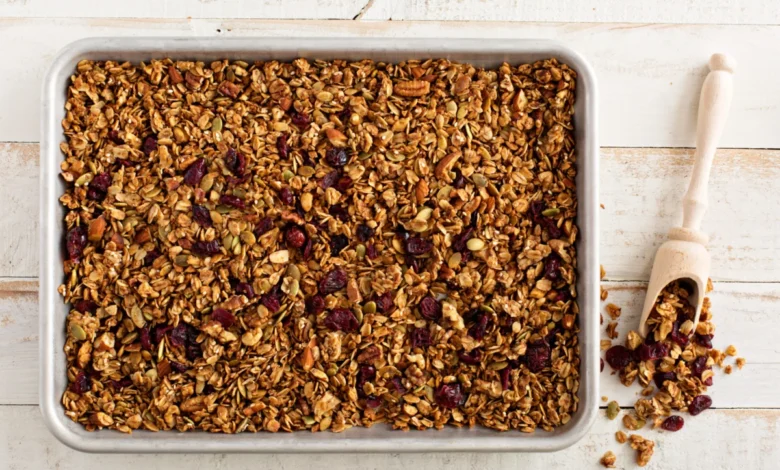
In recent years, consumer habits surrounding breakfast and daytime snacking have undergone a profound shift. Driven by a collective desire for cleaner ingredients, reduced processed sugar intake, and a greater connection to home-cooked meals, families are increasingly turning away from commercial, highly processed breakfast cereals. Among the chief beneficiaries of this culinary renaissance is artisanal and homemade granola, with recipes like Homemade Cranberry Pecan Granola capturing the attention of nutritionists, home cooks, and busy families alike. Combining traditional baking methods with nutrient-dense ingredients such as old-fashioned rolled oats, pecans, almonds, and dried cranberries, this versatile dish represents a broader movement toward mindful eating without sacrificing taste or convenience.
The Evolution of Breakfast and the Clean-Label Movement
To understand the current popularity of homemade granola, one must examine the broader evolution of the modern breakfast market. For decades, commercial breakfast cereals dominated supermarket shelves, heavily marketed toward children and busy adults looking for quick morning solutions. However, comprehensive market research from the food industry indicates a steady decline in traditional cereal sales over the past fifteen years. Consumers have grown increasingly skeptical of ingredient lists featuring unpronounceable chemical preservatives, artificial colorings, and excessively high amounts of refined cane sugars.
This skepticism paved the way for the "clean-label" movement, which emphasizes transparency, whole foods, and minimal processing. Granola, historically recognized as a health-food staple of the 1960s and 1970s counterculture, re-emerged as a prime candidate for reinvention. While commercial granolas found in grocery stores often hide surprising amounts of corn syrup and saturated fats, making them little better than standard breakfast cookies, making granola at home allows consumers to take complete control of their nutritional intake.
Nutritional Profile and Ingredient Synergy
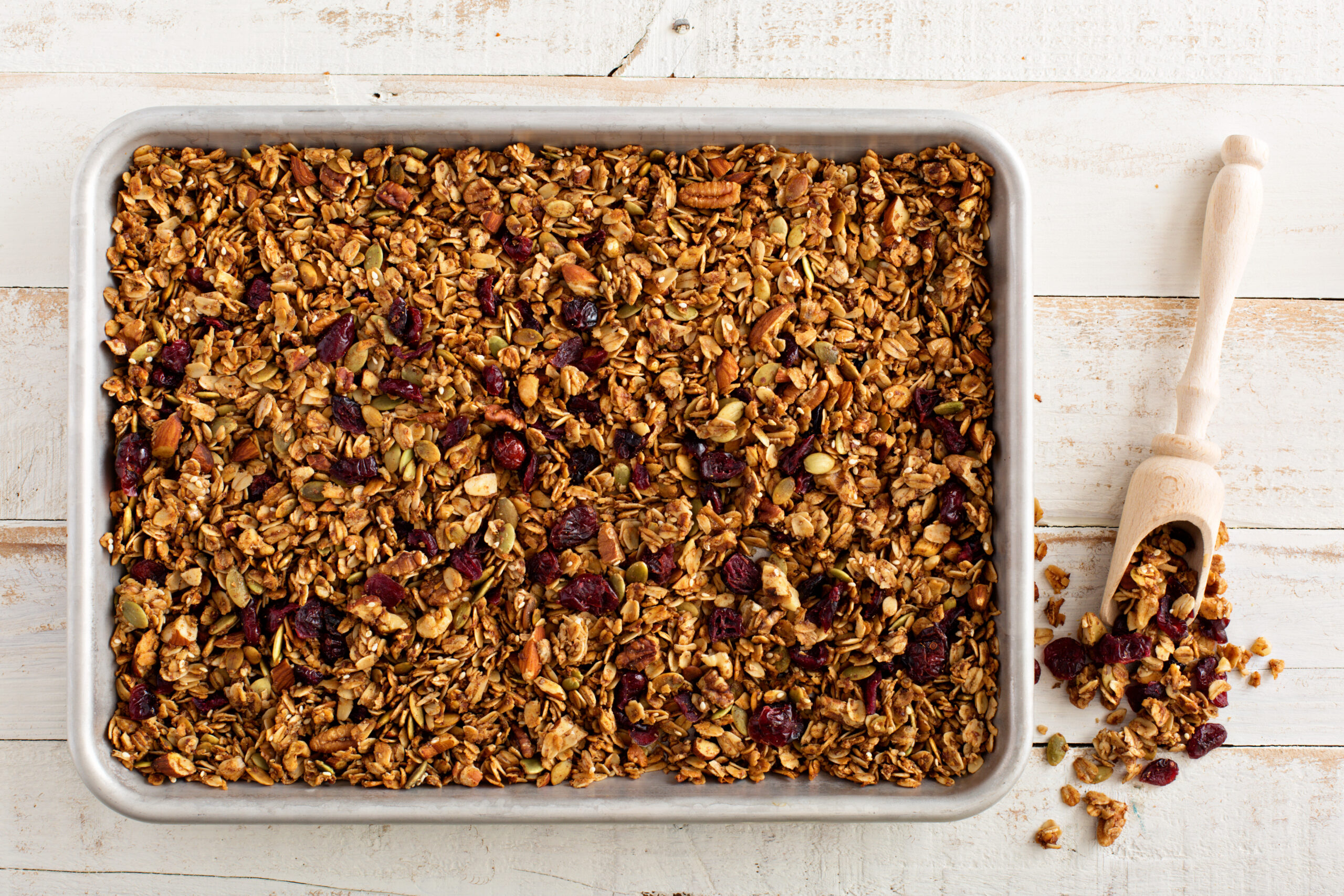
The appeal of a well-crafted Cranberry Pecan Granola lies in its sophisticated balance of macronutrients, micronutrients, and textural contrast. Nutrition experts frequently highlight the importance of incorporating complex carbohydrates, healthy fats, and plant-based proteins into the morning meal to stabilize blood sugar levels and maintain satiety throughout the morning hours.
At the foundation of this recipe are old-fashioned rolled oats. Unlike quick-cooking oats, which undergo extensive processing and roll-thinning, old-fashioned oats retain their structural integrity, providing a significant source of beta-glucan—a soluble fiber known to support cardiovascular health and help regulate cholesterol levels.
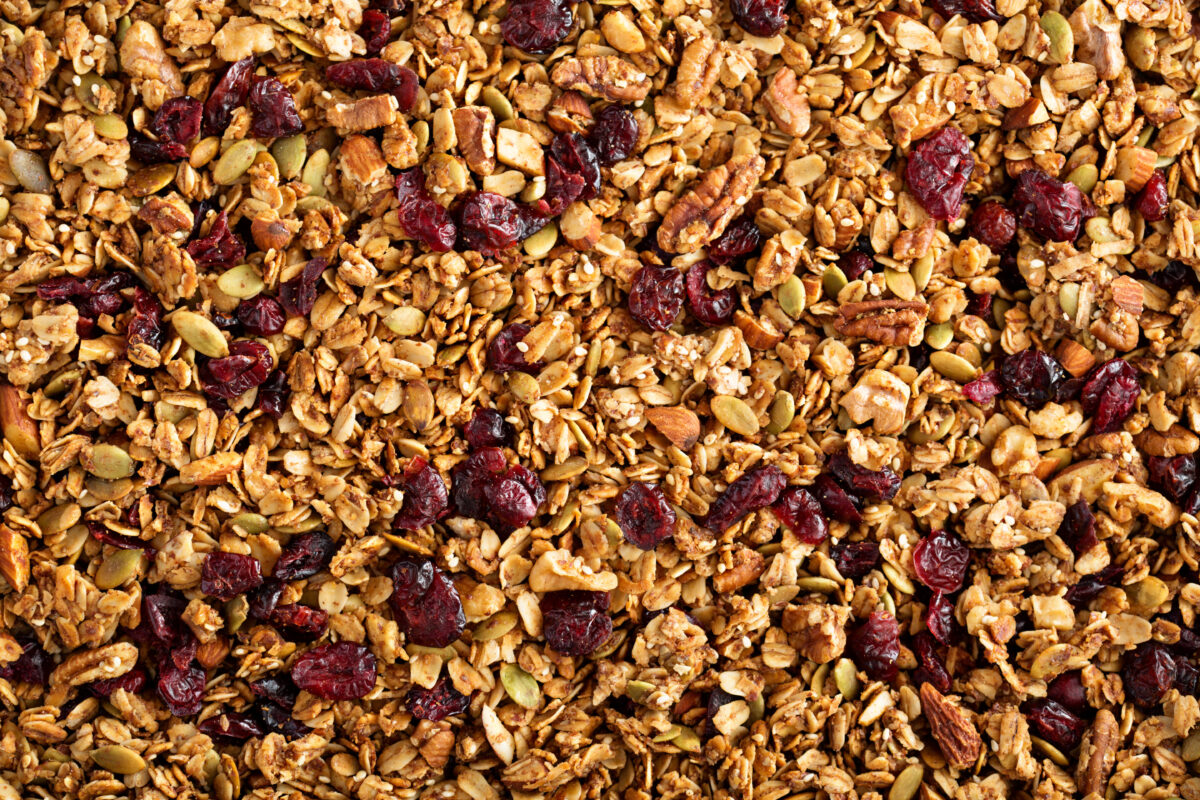
The inclusion of raw nuts and seeds, specifically pecans, almonds, and pepitas (pumpkin seeds), elevates the nutritional value significantly. Pecans and almonds supply monounsaturated fats, which are heart-healthy fats that aid in the absorption of fat-soluble vitamins. Furthermore, these nuts are rich in vitamin E, magnesium, and antioxidants. Pepitas contribute an extra layer of plant-based protein, iron, and zinc, making the granola a well-rounded energy source for growing children and active adults.
The final touch—tart dried cranberries—is introduced strategically after the baking process. This culinary technique is vital; exposing dried fruit to high oven temperatures for extended periods can cause them to harden unpleasantly and degrade their delicate natural sugars. By folding the cranberries into the mixture once it has emerged from the oven, they retain their plump, chewy texture and vibrant tartness, which cuts through the rich, toasted nuttiness of the base.
The Culinary Science of Achieving the Ideal Crunch
For home cooks, achieving the elusive balance of a crunchy yet tender granola texture can present a minor scientific challenge. Culinary researchers and seasoned bakers point to several foundational rules that dictate success in the kitchen, many of which apply directly to this specific recipe.
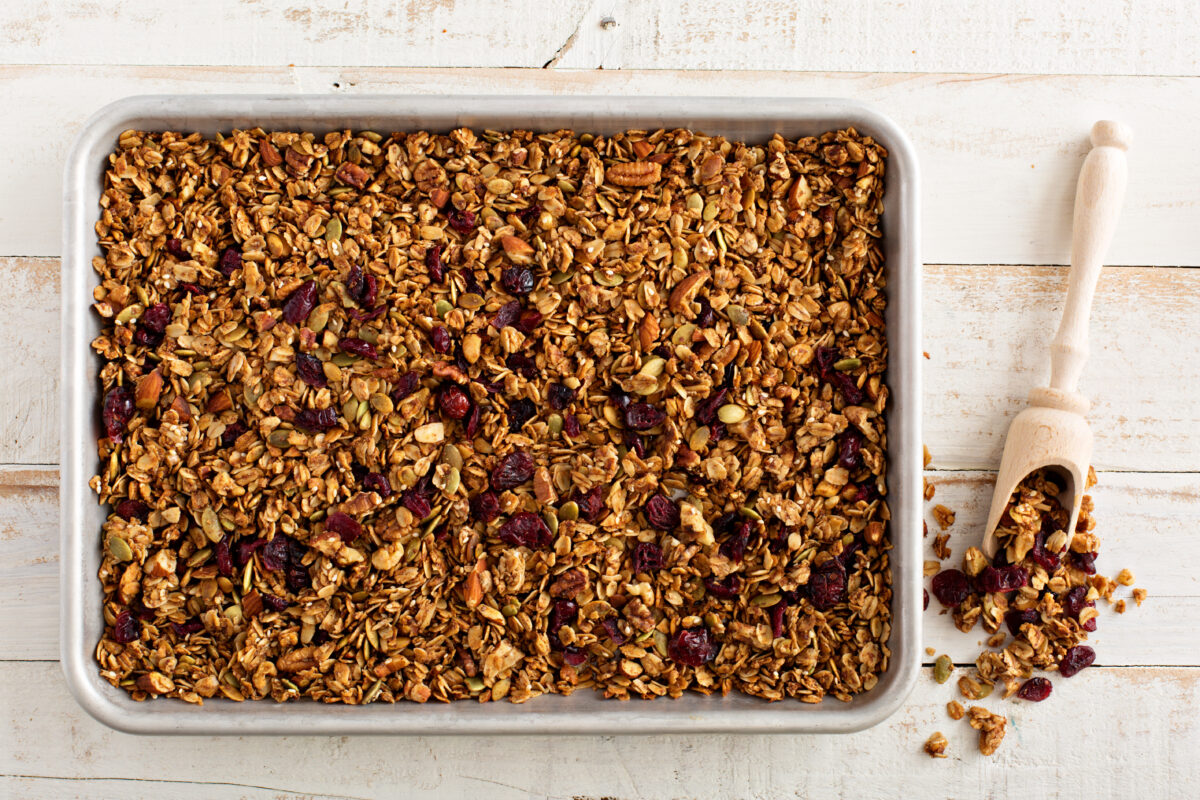
Temperature control and timing are paramount. Granola relies on a gentle, steady heat—typically ranging between 300°F and 325°F—to dehydrate the moisture from the oats and toast the natural oils in the nuts without burning them. Because sugars caramelize rapidly near the end of the baking cycle, edges of the baking sheet are particularly vulnerable to over-browning. Professional bakers recommend monitoring the pan closely around the 25-minute mark.
Another critical factor in texture development is patience during the cooling phase. When granola is first removed from the oven, it often appears deceptively soft and pliable. Novice cooks frequently make the mistake of over-baking the mixture in an attempt to achieve immediate crispness, resulting in a bitter, burnt taste. In reality, the crisping process occurs as the mixture cools down and the natural binders—such as maple syrup or honey combined with coconut oil or butter—harden into a glass-like matrix that holds the clusters together. Furthermore, minimizing the amount of stirring during and immediately after baking ensures the formation of large, desirable clusters rather than a loose, sandy meal.
Economic and Practical Implications for Modern Households
Beyond health benefits and culinary satisfaction, the surge in homemade granola preparation reflects economic and practical considerations. In an economic climate marked by fluctuating grocery prices and inflation, consumers are increasingly evaluating the cost-efficiency of pre-packaged convenience foods versus scratch-made alternatives.
Purchasing bulk quantities of rolled oats, raw nuts, and seeds often yields a significantly lower cost per serving than buying branded artisanal granola bags from specialty grocery stores. Additionally, the inherent flexibility of homemade recipes allows households to adapt to dietary restrictions, food allergies, and pantry inventory without waste. Families dealing with nut allergies can easily substitute seeds or roasted chickpeas; those avoiding refined sweeteners can rely entirely on pure maple syrup or raw honey.
Moreover, the make-ahead and long-term storage capabilities of cranberry pecan granola make it an ideal meal-prep candidate for busy households. Stored properly in an airtight container at room temperature, homemade granola remains fresh and crisp for up to two weeks. For longer-term storage, freezing the mixture in vacuum-sealed bags or freezer-safe containers extends its shelf life to three months, ensuring that a wholesome breakfast or snack option is always readily accessible.
Culinary Variations and Cultural Adaptation
As the popularity of customizable breakfast options continues to expand, home cooks and food bloggers have developed a wide array of spin-offs based on the traditional cranberry pecan framework. These adaptations demonstrate the versatility of the base recipe, allowing it to evolve across seasons and regional palates.
For instance, incorporating orange zest into the wet binding mixture introduces a bright, citrusy note that complements the tartness of the cranberries, a variation frequently favored during the autumn and winter months. Conversely, adding warm spices such as cardamom, ginger, or a heavy pinch of nutmeg transforms the standard breakfast blend into a holiday-inspired treat. For those with a penchant for indulgence, stirring in dark chocolate chunks or mini chocolate chips after the mixture has cooled completely provides a dessert-like quality while maintaining the wholesome integrity of the oat and nut base. Coconut flakes, added during the final ten minutes of baking, offer a tropical twist and an extra layer of texture.
Broader Industry Impact and Future Outlook
The sustained interest in wholesome, customizable breakfast foods signals a permanent shift in how consumers approach their daily routines. Food industry analysts predict that the demand for transparency, clean labels, and multi-functional pantry staples will continue to shape product development in both home kitchens and commercial food manufacturing sectors.
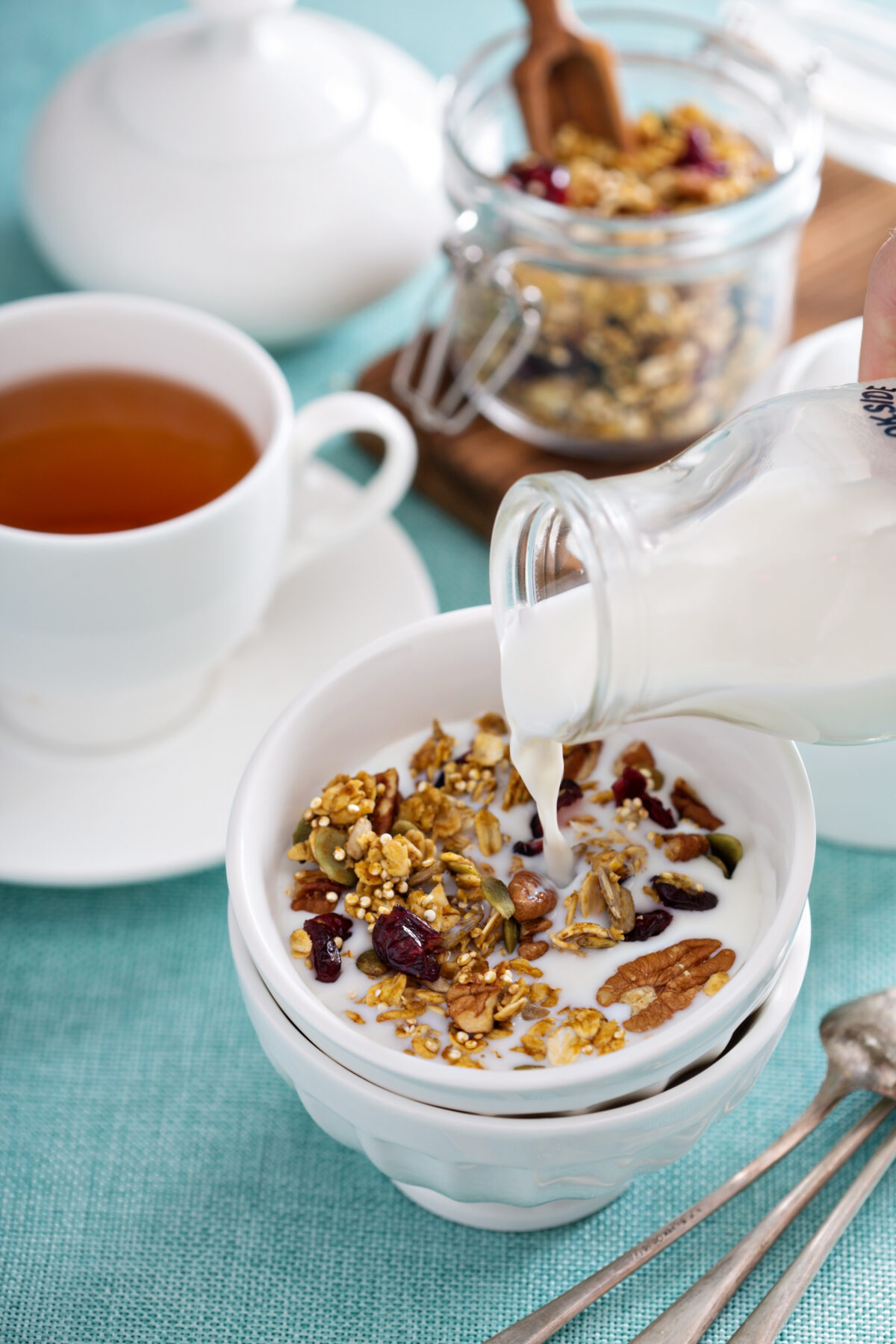
As individuals become more conscious of the connection between diet, physical well-being, and daily energy levels, simple, nutrient-dense recipes like Homemade Cranberry Pecan Granola are no longer viewed as passing internet trends. Instead, they represent a return to foundational culinary skills—empowering individuals to nourish themselves and their families with real, recognizable ingredients prepared right in their own kitchens. Whether served atop a bowl of Greek yogurt, poured with cold dairy or plant-based milk, packed into school lunchboxes, or enjoyed straight from a jar during a midday work break, this enduring classic demonstrates that wholesome eating can remain both effortless and deeply satisfying.