Fourth Trimester Podcast Episode 177: How To Build A Well-Resourced Postpartum Support System


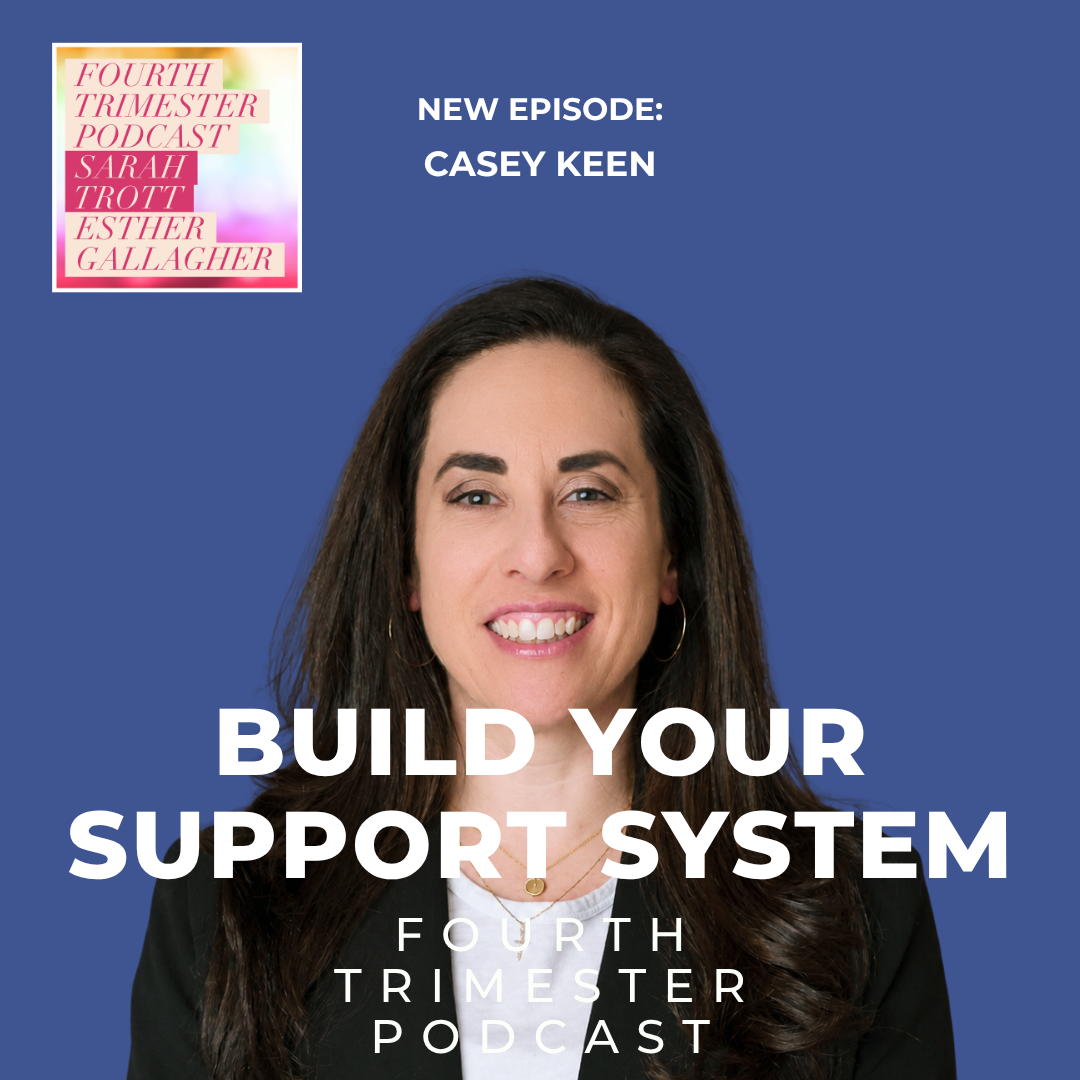
The transition into parenthood is frequently romanticized as a period of pure joy, yet the reality for many new mothers involves navigating a complex physical and emotional labyrinth often referred to as the "fourth trimester." Recognizing the stark gap between societal expectations and postpartum realities, the Fourth Trimester Podcast dedicated Episode 177 to addressing a critical, yet frequently neglected, aspect of family planning: building a well-resourced postpartum support system. Hosted by maternal health advocates, the episode featured author and researcher Casey Keen, MS, who offered a candid examination of the systemic shortcomings in postpartum care, drawing heavily from her own harrowing experiences with birth trauma, postpartum preeclampsia, and perinatal mood disorders.
The Anatomy of the Fourth Trimester Crisis
The term "fourth trimester" describes the initial three months following childbirth, a phase characterized by profound hormonal shifts, physical healing, and newborn care. Historically, medical infrastructure has heavily prioritized prenatal care while largely treating the postpartum period as an afterthought—a single, perfunctory six-week checkup designed to clear a mother for physical activity and intercourse. Public health advocates argue this outdated model leaves families acutely vulnerable to physical complications and psychological distress without adequate safety nets.
According to data from the Centers for Disease Control and Prevention (CDC), a significant percentage of pregnancy-related deaths occur after the infant is born, with many happening between one week and a year postpartum. Furthermore, the American College of Obstetricians and Gynecologists (ACOG) notes that maternal mental health conditions, such as postpartum depression and anxiety, remain the most common complications of childbearing, affecting roughly one in five women. Despite these statistics, expectant parents routinely spend months selecting nursery decor and pediatricians while failing to establish a concrete, professional network of care for the primary caregiver.
Casey Keen’s Journey Through Birth Trauma and Preeclampsia
During Episode 177, Casey Keen—author of the acclaimed book The Alchemy of Motherhood—shared the deeply personal narrative that catalyzed her advocacy work. Keen experienced firsthand the terrifying unpredictability of postpartum complications when she developed postpartum preeclampsia after returning home from the hospital.
Preeclampsia is a hypertensive disorder traditionally associated with pregnancy, but it can also manifest days or even weeks after delivery. Symptoms include high blood pressure, severe headaches, vision changes, and sudden swelling. Keen described the acute confusion and helplessness she felt navigating these symptoms while simultaneously trying to recover from birth trauma and care for a newborn. Her experience underscores a dangerous misconception: that once a mother leaves the hospital, the acute medical risks of childbirth are behind her.
Keen’s narrative highlights the urgent necessity for proactive education. She noted that if she could orchestrate a do-over, she would have established a comprehensive support architecture well before entering the delivery room. Her regret centers on the absence of a structured team, noting that she would have retained a postpartum doula, secured a specialized perinatal therapist in advance, and armed herself with precise, targeted questions for her medical providers.
Shifting From Reactive to Proactive Postpartum Planning
Addressing the systemic gaps in maternal care requires a fundamental shift in how families approach birth preparation. Experts on the Fourth Trimester Podcast emphasize that a support system cannot be successfully improvised in the exhausted, sleep-deprived haze of the first weeks home with a newborn. Instead, it must be engineered during pregnancy.
A robust postpartum support network is multifaceted, comprising several key pillars:
- Clinical and Professional Care: This includes not only the standard obstetric provider but also specialized practitioners such as postpartum doulas who offer in-home physical and emotional assistance, lactation consultants to manage feeding challenges, and perinatal mental health therapists.
- Informational Resources: Parents must educate themselves on standard physiological recovery timelines and critical warning signs. This includes understanding the specific thresholds set by ACOG, which dictates that any postpartum blood pressure reading with a systolic (top) measurement of 140 mmHg or higher, or a diastolic (bottom) measurement of 90 mmHg or higher, warrants an immediate medical evaluation.
- Practical and Domestic Support: Family members and friends should be assigned concrete tasks prior to birth—such as preparing nutrient-dense meals, managing household chores, or ensuring the mother receives uninterrupted stretches of rest—rather than functioning merely as social visitors.
To assist families in this preparation, the Fourth Trimester Podcast partnered with Keen to release a complimentary, printable two-page quick reference guide designed to help expectant parents map out their care networks, identify red-flag symptoms, and communicate effectively with their medical teams.
Institutional Policy Shifts and Modern Guidelines
In response to mounting maternal mortality and morbidity rates, medical institutions have begun revising their clinical guidance. ACOG has formally transitioned its recommendations away from the traditional single six-week postpartum visit. Current clinical guidelines advocate for ongoing, individualized contact between the patient and their maternal care provider within the first three weeks postpartum, followed by comprehensive, continuous care that culminates in a definitive comprehensive visit no later than 12 weeks after delivery.
This evolving framework acknowledges that postpartum recovery is a prolonged trajectory rather than a finite event. Institutions are increasingly emphasizing the "Fourth Trimester Paradigm," which urges obstetricians to frame the postpartum period as a fourth trimester of pregnancy that requires intensive, coordinated monitoring.
Despite these institutional updates, practical execution remains challenging. Insurance coverage limitations, provider shortages in rural and underserved areas, and the high out-of-pocket costs associated with specialized care like doulas and private therapists mean that building a truly well-resourced support system often remains a privilege rather than a universal standard of care.
Broader Implications and Future Outlook
The conversation catalyzed by Casey Keen and the Fourth Trimester Podcast points to a broader cultural and systemic reckoning regarding maternal welfare. As public awareness grows around issues like birth trauma, postpartum preeclampsia, and perinatal mood disorders, the demand for structural reform intensifies.
Advocates argue that true systemic improvement requires legislative action—such as the expansion of Medicaid postpartum coverage to a full year across all states—alongside community-level initiatives that normalize maternal vulnerability and mental health challenges. By breaking the silence surrounding the difficulties of the fourth trimester, figures like Keen are helping to dismantle the cultural myth of the "effortless mother."
Ultimately, the blueprint for a well-resourced postpartum support system serves as both a practical guide for individual families and a critique of current healthcare delivery models. As the medical community slowly aligns with the realities voiced by mothers and advocates, the overarching goal remains clear: transforming the postpartum period from a time of silent endurance into a supported, protected phase of human healing and family formation.