Weekly Meal Planning Trends and Family Nutrition Strategies Gain Momentum as the Holiday Season Approaches


As the calendar turns to November, households across the country face the annual transition into the high-intensity holiday hosting season. Concurrently, culinary platforms and family nutrition outlets are experiencing a significant surge in demand for structured weekly meal plans. Industry data indicates that searches for organized family menus, time-saving breakfast concepts, and batch-cooking strategies increase by roughly 35 percent during the final quarter of the year. This seasonal shift is driven by busy family schedules, shifting weather patterns that favor warm comfort foods, and the psychological need for routine amidst impending holiday preparations.
The Mechanics of Structured Weekly Meal Planning
Nutritional experts and family wellness advocates emphasize that structured meal planning is not merely an exercise in culinary organization, but a vital strategy for reducing food waste, managing household budgets, and ensuring balanced nutrition for growing children. According to consumer behavior studies conducted by retail and grocery associations, families who utilize a pre-determined weekly menu spend an average of 20 percent less on groceries and reduce food spoilage by nearly a third compared to those who shop impulsively.
As November ushers in cooler temperatures, dietary preferences naturally pivot away from light summer fare toward nutrient-dense, warming ingredients. Root vegetables, winter squashes, apples, and savory cheeses dominate contemporary autumn menus. Furthermore, the integration of versatile breakfast routines—incorporating nutrient-packed smoothies and hearty weekend brunch options—sets a consistent metabolic tone for the day, a practice strongly supported by pediatric dietitians.
Breakfast Innovations and Morning Routines

The morning meal remains a cornerstone of daily family wellness. Nutritional trends for the current week highlight a blend of convenience and indulgence. High-fiber and vitamin-rich breakfast profiles are featuring prominently through a rotation of specialized smoothies, including the Crazy Healthy Smoothie, the Tastes-Like-Ice-Cream Kale Smoothie, the Green Breakfast Smoothie, and the playful Cotton Candy Smoothie. These recipes reflect a growing culinary movement aimed at disguising nutrient-dense greens and superfoods behind appealing textures and flavors palatable to younger demographics.
For weekend mornings, when time constraints ease, families increasingly lean toward elevated comfort foods. The inclusion of Waffle French Toast as a weekend brunch staple exemplifies this trend, bridging the gap between traditional breakfast items and weekend indulgence. Culinary sociologists note that weekend family cooking serves as an important social bonding ritual, reinforcing positive domestic routines before the frantic pace of the work and school week resumes.
Midday Sustenance and Snack Architecture

Managing children’s blood sugar levels and sustained focus throughout the academic day requires strategic mid-morning and afternoon snacking. Contemporary nutritional guidance encourages the use of whole-food snacks that combine complex carbohydrates, healthy fats, and proteins.
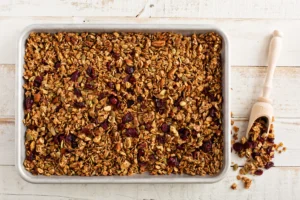
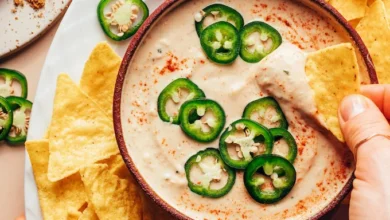
This week’s highlighted snack roster features Breakfast Cookies, Pumpkin Apple Muffins, homemade Persimmon Fruit Leather, and Avocado Hummus. The inclusion of seasonal produce such as persimmons and pumpkins capitalizes on peak agricultural harvest cycles, offering natural sweetness and essential micronutrients without excessive refined sugars.
Lunch preparation similarly balances novelty with practical efficiency. Incorporating repurposed ingredients—such as Leftover Rice Pudding alongside Noodle Pancakes, comforting Chicken Noodle Soup, and classic Egg Salad Sandwiches—demonstrates a zero-waste kitchen methodology that resonates with modern, environmentally conscious consumers. Food economists note that utilizing leftovers for midday meals is one of the most effective ways households combat rising food inflation costs.

Evening Dinners: A Chronological Culinary Tour
The heart of any weekly meal plan lies in its dinner lineup, which balances culinary diversity, preparation time, and seasonal alignment. A chronological examination of the weekly supper schedule reveals a deliberate rhythm designed to ease families into the week while maintaining excitement at the dinner table.
Sunday Supper: Comfort and Sophistication
Sunday evenings traditionally mark a transition from weekend relaxation to weekday structure. The featured meal—Caramelized Shallot Pasta with Gruyere, paired with an Apple, Pear, and Goat Cheese Fall Salad—combines sophisticated flavor profiles with accessible cooking techniques. Culinary analysts point out that artisanal pasta dishes paired with crisp autumn salads have become definitive markers of modern home dining, offering restaurant-quality execution within a domestic budget.

Monday: Embracing Meatless Traditions
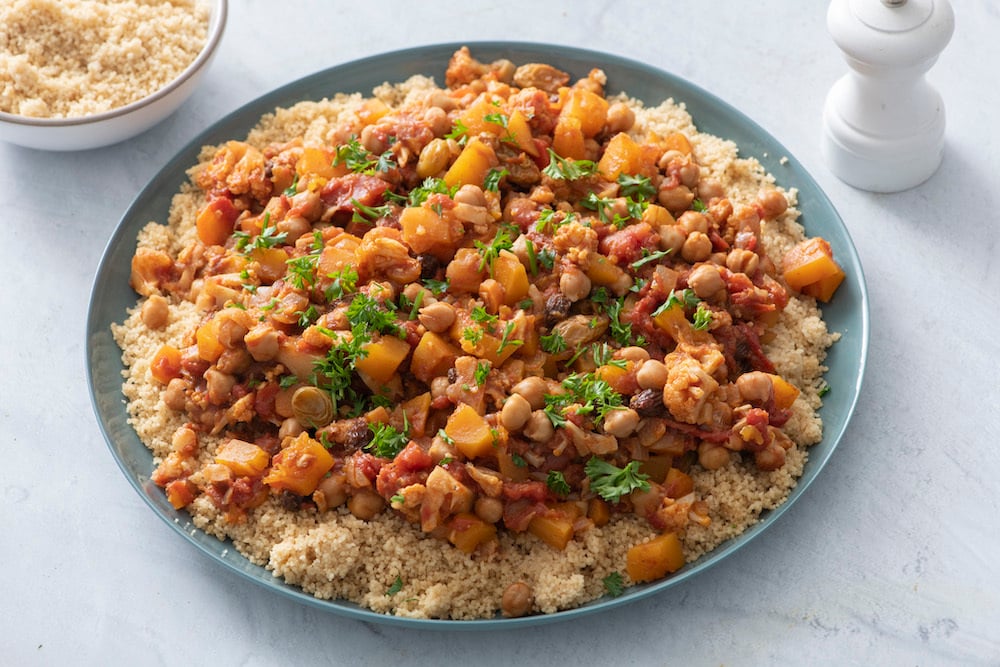
In alignment with global sustainability initiatives, Meatless Monday continues to gain traction in household meal planning. The Monday feature, a traditional Vegetarian Tagine, introduces North African spice profiles and nutrient-rich legumes to the family table. Public health advocates endorse plant-forward initiatives, citing lower environmental footprints and broad cardiovascular health benefits associated with reducing weekly meat consumption.
Tuesday: Textural Contrast and Innovative Coatings
Mid-week dinners often require high engagement to maintain interest. Pretzel Fried Chicken, accompanied by Cast Iron Brussels Sprouts with Pomegranate and Garlic and a base of brown rice, offers an inventive take on a traditional comfort food. Food scientists note that utilizing crushed pretzels as a breading alternative introduces a superior crunch and a subtle saltiness that elevates standard poultry preparations, while cruciferous vegetables like Brussels sprouts provide essential dietary fiber and Vitamin C.
Wednesday: Mid-Week Global Flavors
Mid-week schedules often benefit from familiar, comforting global cuisine. Mexican Enchiladas served alongside Pressure Cooker Black Beans and fresh Guacamole provide a balanced, fiber-rich meal. The utilization of pressure cookers for bean preparation reflects a broader technological shift in home cooking, where kitchen appliances significantly reduce active preparation times for traditional, slow-cooked staples.

Thursday: Sheet Pan Efficiency
As the work week draws to a close, culinary fatigue sets in, making efficiency paramount. Sheet Pan Sausage with Cabbage and Apples, complemented by Crispy Smashed Potatoes, represents the zenith of modern sheet-pan cooking. Culinary experts praise sheet-pan meals for their minimal cleanup requirements and their ability to caramelize seasonal produce effectively through high-heat roasting.
Friday: Slow Cooker Convenience and Weekend Kickoff
Concluding the structured cooking week, Friday menus prioritize set-it-and-forget-it convenience. Slow Cooker Chicken Chili paired with Basic Cornbread allows families to transition smoothly into weekend mode without extensive kitchen labor. Slow cookers remain an indispensable tool for working parents, ensuring a hot, balanced meal is ready precisely when the household reconvenes at the end of the day.
Saturday: Supporting Local Economies
Recognizing the psychological need for a break from domestic labor, the weekly schedule designates Saturday as an evening for supporting local restaurant dining. Industry associations frequently highlight the symbiotic relationship between home cooking platforms and local eateries, noting that a balanced approach to food consumption includes engaging with community culinary businesses.

Broader Economic and Nutritional Implications
The increasing popularity of curated weekly meal plans underscores a broader cultural shift toward intentional consumption. In an era marked by economic uncertainty and fast-paced lifestyles, structured meal planning acts as a stabilizing force for household organization. Nutritionists and behavioral psychologists agree that when families take control of their nutritional intake through advance preparation, they not only improve physical health outcomes but also cultivate a deeper appreciation for food, agriculture, and shared domestic time.
Related posts: