Fall Meal Planning Trends Highlight Comfort Foods and Nutritional Efficiency Amid Busy Autumn Schedules


As the autumn season reaches its midpoint, culinary professionals and household managers are increasingly turning to structured meal planning to balance the demands of busy schedules with the desire for comforting, nutrient-dense seasonal foods. Recent culinary insights from family-focused food platforms highlight a strategic shift toward batch cooking, appliance-driven efficiency—utilizing slow cookers and air fryers—and the integration of autumnal produce such as pumpkins, sweet potatoes, and apples into daily diets.
Background and Context of Seasonal Meal Planning

The transition into mid-October traditionally triggers a psychological and physiological shift toward warmer, more grounding foods. Nutritionists note that cooler ambient temperatures naturally increase the human body’s demand for sustained energy, often manifesting as cravings for complex carbohydrates, root vegetables, and warm spices. However, the simultaneous intensification of work and school calendars leaves modern households with limited time for daily food preparation.
In response, food strategists have observed a surge in demand for structured weekly meal plans that emphasize pre-planning, overlapping ingredient usage, and multi-functional cooking appliances. This approach not longer serves merely as a method for reducing household expenditure, but as a critical logistical framework designed to mitigate decision fatigue and minimize food waste.
Structuring the Autumn Menu: Chronology and Nutritional Balance

A comprehensive analysis of contemporary family meal planning reveals a deliberate architectural structure spanning the entire week, categorized systematically by breakfast, snacks, midday meals, and evening dinners.
Morning routines for the week prioritize high-fiber, antioxidant-rich smoothies and nutrient-dense baked goods. Selections such as the Cotton Candy Smoothie, Carrot Orange Ginger Smoothie, Matcha Vanilla Date Smoothie, and Tastes-Like-Ice-Cream Kale Smoothie offer rapid micronutrient delivery for early-morning commuters and students. For weekend brunches, traditional autumn motifs emerge through items like Pumpkin Waffles, capturing seasonal consumer preferences for spiced baked goods.
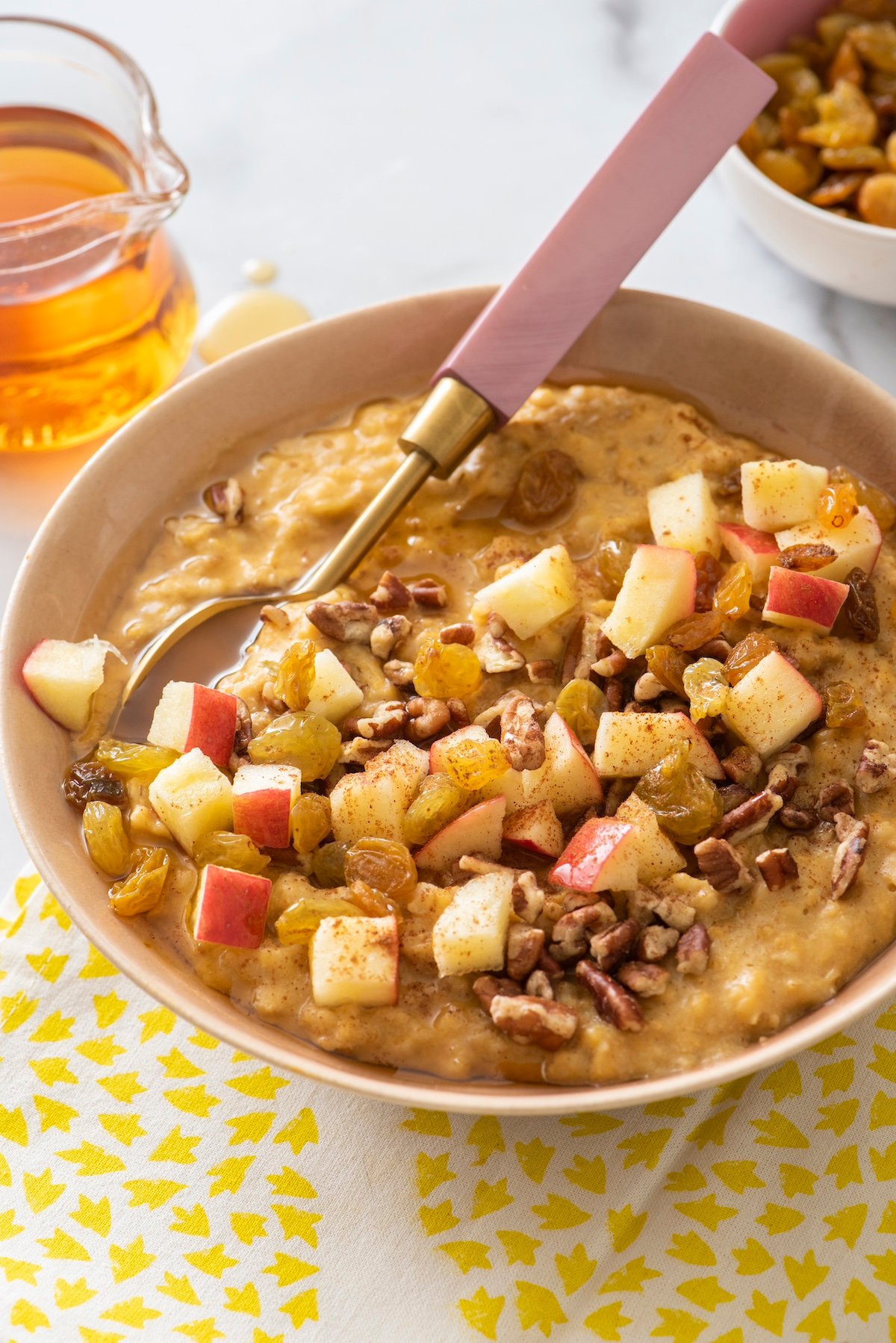
Midday nutrition bridges the gap between convenience and satiety. The weekly schedule incorporates slow-cooker applications—such as Pumpkin Spice Oatmeal prepared overnight—alongside high-protein and fiber-rich options including Egg Pesto Melts, Hummus and Veggie Tortilla Rollups, and creative presentations like Sandwich-on-a-Stick, which target juvenile demographic engagement with wholesome foods.
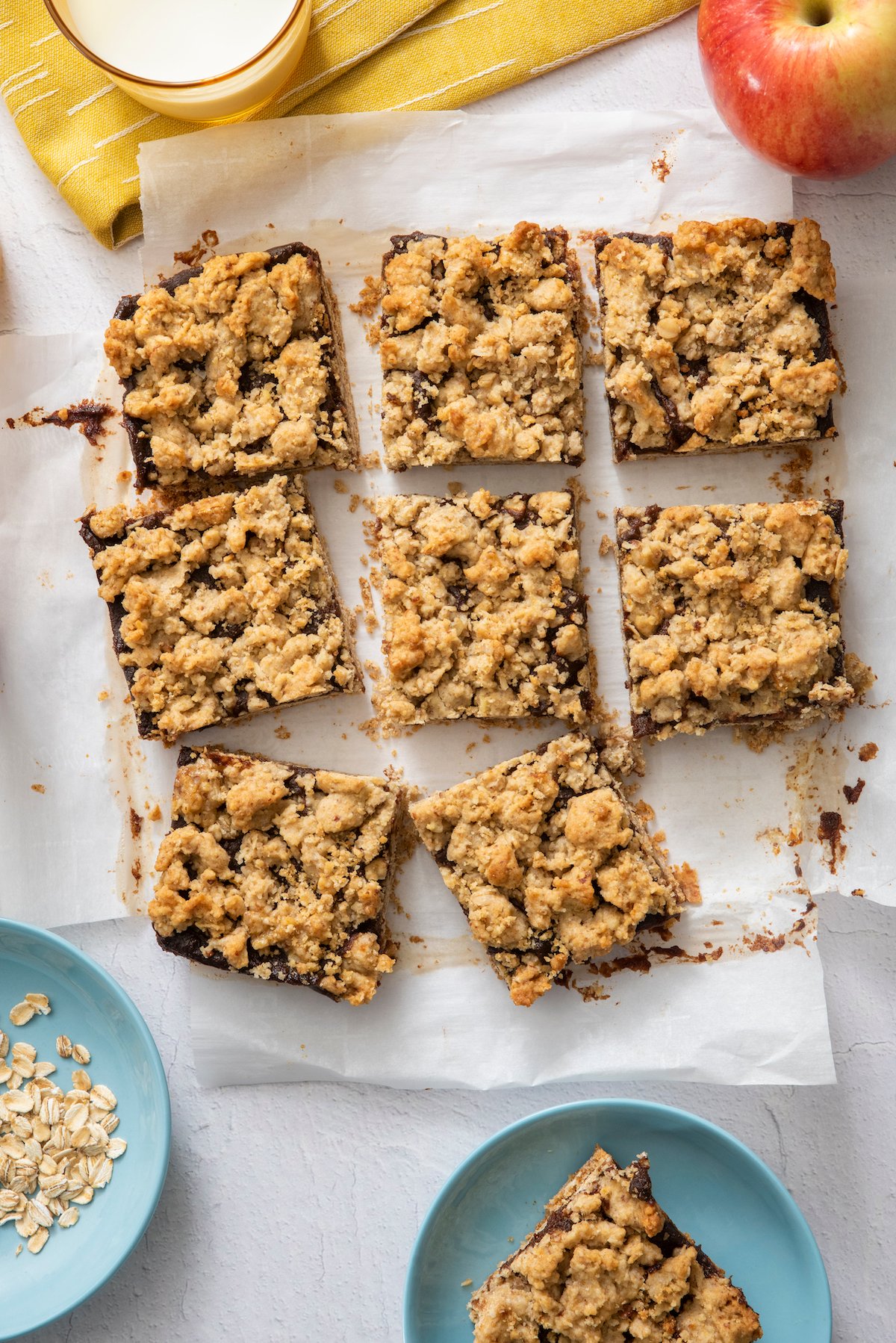
Snack integration focuses on sustained glycemic control between primary meals. Culinary planners have integrated options utilizing modern kitchen technology, prominently featuring Air Fryer Crispy Chickpeas, Mini Sweet Potato Muffins, Chocolate Chip Granola Bars, and Fruit and Oat Crumble Bars. These selections emphasize whole grains, natural sweeteners, and healthy fats.
The Evening Dining Chronology
Dinner menus reflect a calculated progression from complex weekend preparation to rapid, appliance-dependent weeknight solutions.
Sunday operations typically allow for more involved culinary techniques. The schedule outlines a Mediterranean-inspired menu featuring Spiced Chicken with Olives and Lemon, complemented by an Easy Breezy Roast Veggie Salad and Crispy Smashed Potatoes. This meal leverages aromatic spices and robust seasonal vegetables to establish a leisurely weekend dining experience.
Monday transitions into Meatless Monday protocols, focusing on vegetarian comfort foods. A hearty Broccoli Cheese Soup serves as the primary caloric source, paired with Brown Rice Cakes and Air Fryer Veggies to maintain nutritional balance without relying on animal proteins.
Tuesday introduces classic international flavors adapted for home kitchens through a Beef and Broccoli Stir Fry served over brown rice. This dish exemplifies the weeknight goal of rapid execution, typically requiring under thirty minutes of active preparation time while delivering significant protein and iron content.

Mid-week efficiency peaks on Wednesday with the deployment of slow-cooker technology. Slow Cooker Chicken Chili operates on a passive-cooking timeline, allowing ingredients to meld over several hours before being served alongside Basic Cornbread. This method reduces evening labor bottlenecks, a critical consideration for households navigating mid-week extracurricular commitments.
Thursday evening prioritizes healthier alternatives to convenience foods. Homemade Crispy Chicken Nuggets are paired with steamed broccoli and Sweet Potato Fries, offering familiar textures to younger diners while avoiding the high sodium and trans-fat profiles associated with commercial fast-food equivalents.
Friday concludes the structured work-week dining with Salmon Burgers accompanied by Air Fryer French Fries, emphasizing omega-3 fatty acid intake. Dessert features an Apple Almond Cake, intentionally engineered to double as a weekend snack. Saturday evening diverges from home preparation, traditionally allocated toward supporting local restaurant establishments, thereby providing domestic relief at the conclusion of the weekly cycle.

Economic and Behavioral Implications
The systematic adoption of structured weekly meal plans carries notable economic and behavioral implications for contemporary households. According to behavioral nutrition research, pre-planning meals significantly reduces the frequency of impulse food purchases and reliance on commercial delivery services, translating to measurable household budgetary savings. Furthermore, utilizing standardized ingredient lists—such as incorporating broccoli, sweet potatoes, and oats across multiple meal categories—minimizes food spoilage and optimizes grocery purchasing efficiency.
Industry analysts note that digital platforms offering modular meal plans have experienced sustained user engagement growth. This trend reflects a broader consumer movement toward personalization, where individuals seek adaptable frameworks rather than rigid dietary mandates. By combining traditional culinary comfort with modern appliance efficiency, structured autumn meal planning continues to serve as an essential tool for navigating seasonal dietary transitions.