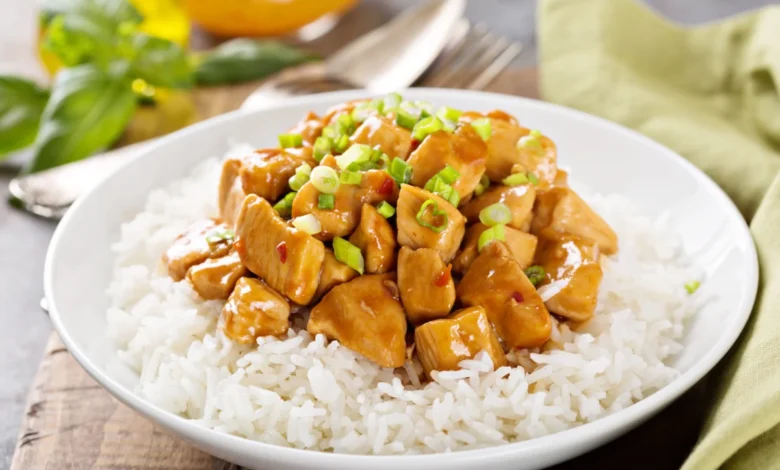
This Sweet and Sour Chicken is crispy, saucy, colorful, and full of family-friendly flavor. It makes a great weeknight dinner because it comes together quickly, and tastes like something special! The appeal of this dish lies in its ability to deliver the familiar, comforting flavors of takeout Chinese cuisine with the added benefit of home-cooked quality and a controlled ingredient list. Its rapid preparation time positions it as a prime candidate for busy households seeking a satisfying and flavorful meal without extensive planning or lengthy cooking processes.
The Enduring Popularity of Sweet and Sour Chicken
Sweet and sour chicken has long been a staple in Chinese-American restaurants, captivating palates with its distinctive sweet and tangy profile. Its global popularity is a testament to its adaptability and broad appeal, transcending cultural boundaries. The dish’s foundation typically involves tender pieces of chicken, often coated and fried to a delightful crispness, then tossed in a vibrant sauce. This sauce, the heart of the dish, is a carefully balanced concoction of sweetness, usually from sugar or honey, and sourness, derived from vinegar. Common additions include pineapple, bell peppers, and onions, which contribute not only to the visual appeal with their array of colors but also to the complex flavor profile and textural variety.
The exact origins of sweet and sour chicken are somewhat debated, but its emergence is widely attributed to the evolution of Chinese culinary traditions in North America. As Chinese immigrants adapted their cooking to local ingredients and tastes, dishes like sweet and sour chicken emerged, becoming a bridge between traditional flavors and Western palates. This fusion approach has cemented its status as a beloved comfort food and a go-to option for both casual dining and home cooking.
Unpacking the Appeal: Why This Recipe Stands Out
The homemade iteration of sweet and sour chicken presented here aims to replicate the beloved characteristics of its restaurant counterpart while offering enhanced control over ingredients and preparation. This recipe emphasizes achieving a perfect harmony of flavors: the sauce is described as a balanced blend of sweet, tangy, and savory notes. A subtle warmth, introduced by red pepper flakes, adds another dimension to the taste experience. Crucially, this element is adjustable, allowing families with diverse spice preferences, including children, to customize the heat level. This adaptability is a key factor in its designation as a "family-friendly" meal.
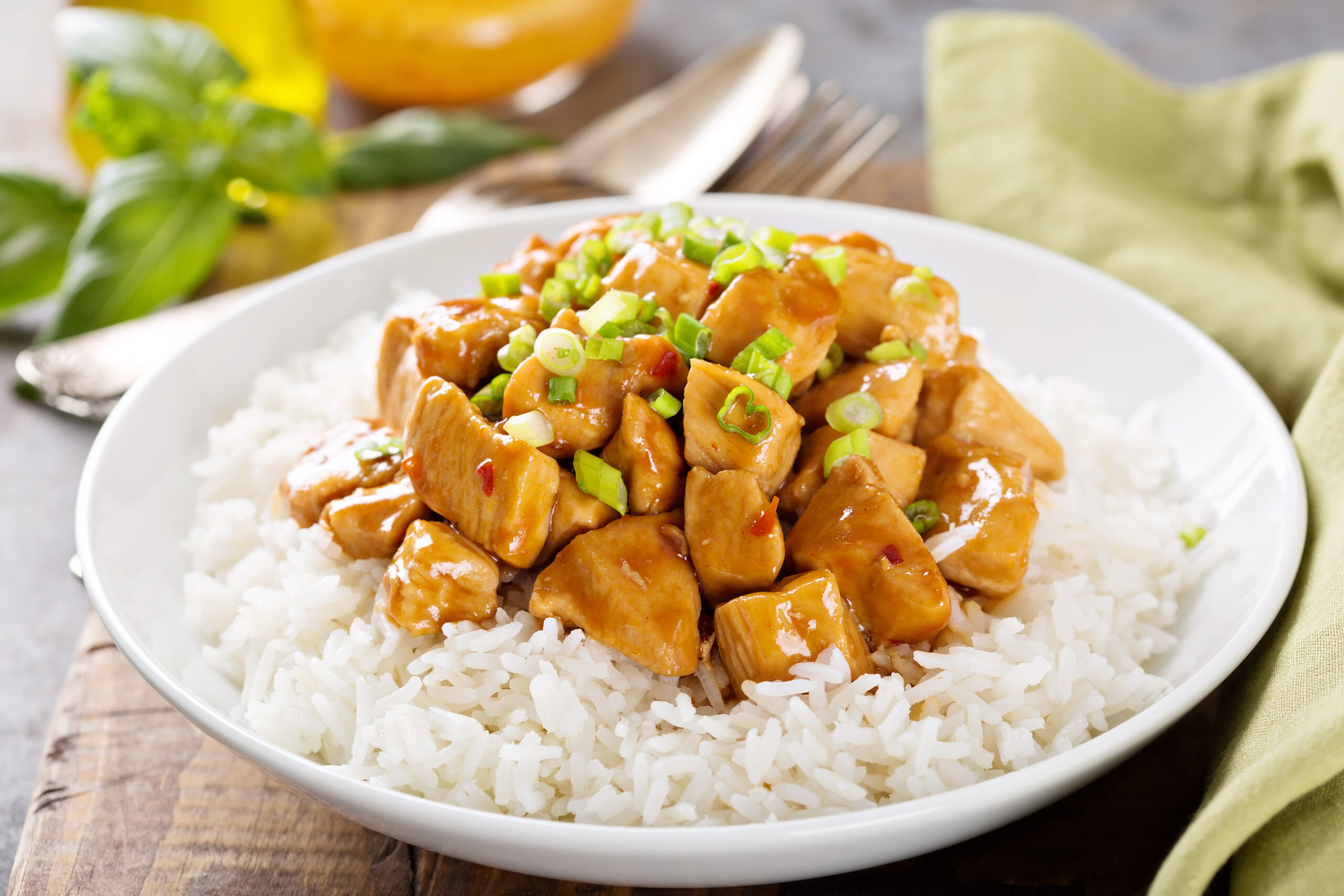
The recipe’s construction prioritizes efficiency, making it an attractive option for weeknight dinners. The assertion that it "comes together quickly" suggests a streamlined cooking process, likely involving minimal complex steps. The phrase "tastes like something special" implies that despite its ease of preparation, the dish delivers a culinary experience that rivals or surpasses that of dining out, offering a sense of accomplishment and satisfaction for the home cook.
Strategic Cooking for Optimal Results: Key Techniques
Achieving the desired texture and flavor in sweet and sour chicken often hinges on specific cooking techniques. The provided advice highlights several crucial strategies designed to elevate the final dish:
Don’t Crowd the Pan: The Foundation of Crispy Chicken
A common pitfall in home cooking is overcrowding the pan when frying or sautéing. This recipe explicitly advises against this, underscoring the importance of cooking the chicken in batches. When chicken pieces are placed too closely together in a pan, they tend to steam rather than sear. Steaming results in a softer, less appealing texture and hinders the browning process, which is essential for developing deep flavors. By allowing adequate space between each piece, the chicken can achieve a proper crisp exterior, enhancing both its mouthfeel and its overall taste. This technique directly contributes to the "crispy" attribute mentioned in the dish’s description.
Adjusting the Spice: Tailoring Heat to Every Palate
The inclusion of red pepper flakes in the sauce is noted as a method to introduce a "gentle warmth." However, the recipe acknowledges that spice tolerance varies significantly, particularly among younger diners. The advice to adjust or omit red pepper flakes entirely demonstrates a commitment to inclusivity, ensuring the dish can be enjoyed by a wider audience. Furthermore, the suggestion to offer extra red pepper flakes at the table empowers individuals to personalize their own heat level, promoting a more communal and satisfying dining experience. This thoughtful approach to spice management is central to its "family-friendly" appeal.
Harnessing Pineapple Juice: A Natural Flavor Enhancer
The recipe specifically recommends using pineapple juice as a key ingredient in the sauce. Pineapple juice serves a dual purpose: it contributes natural sweetness, reducing the reliance on refined sugars, and it provides a characteristic tanginess that is integral to the sweet and sour flavor profile. This natural approach to flavoring is often favored in recipes aiming for a healthier or more wholesome outcome. For situations where pineapple juice is unavailable, the article suggests orange juice as a viable substitute, indicating a degree of flexibility in ingredient sourcing. This suggests a nuanced understanding of flavor chemistry and ingredient interchangeability.
Achieving a Glossy Sauce: The Role of the Cornstarch Slurry
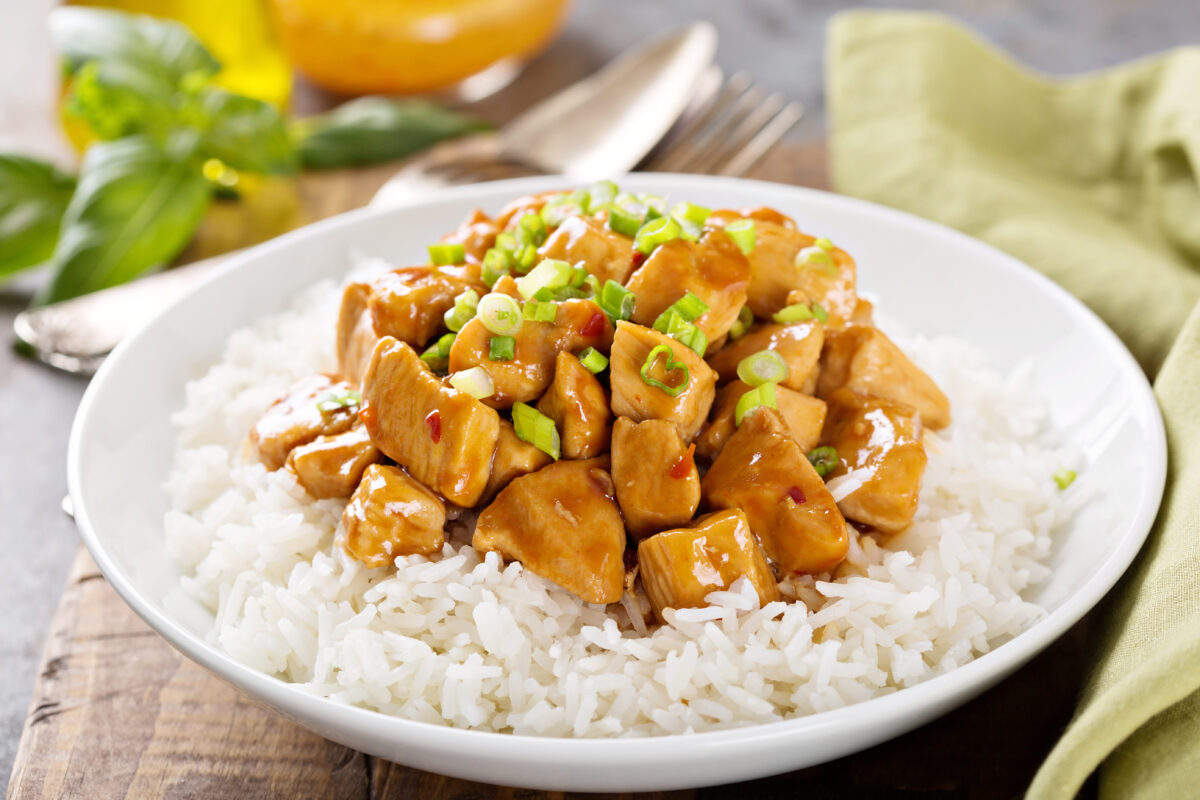
The visual appeal of sweet and sour chicken is significantly enhanced by a glossy, well-emulsified sauce that coats the chicken pieces uniformly. The recipe highlights the use of a cornstarch slurry as the mechanism for achieving this desired consistency. A cornstarch slurry, typically a mixture of cornstarch and liquid, is added to the simmering sauce. As it heats, the starch granules swell and thicken the liquid, creating a smooth, glossy finish. The instruction to let the sauce simmer for a minute or two after adding the slurry ensures that it reaches its optimal viscosity, transforming a thin liquid into a rich, coating sauce. This step is critical for achieving the "saucy" and visually appetizing presentation of the dish.
The Importance of Serving Fresh: Maximizing Texture and Flavor
The culinary adage that certain dishes are best enjoyed immediately after preparation holds true for sweet and sour chicken. The advice to "serve right away" emphasizes that the optimal texture and flavor are experienced when the chicken is still hot and crispy, and the sauce retains its glossy sheen. Allowing the dish to sit for extended periods can lead to the chicken losing its crispness and the sauce becoming less vibrant. This recommendation underscores the importance of timely serving to fully appreciate the intended sensory qualities of the dish.
Adaptability and Customization: Expanding the Sweet and Sour Horizon
Beyond the core recipe, the article offers a range of "Easy Variations," demonstrating the dish’s inherent versatility and its capacity to be adapted to various dietary preferences and culinary explorations.
Incorporating Freshness with Vegetables
A prominent suggestion is the addition of a variety of vegetables. This not only boosts the nutritional content of the meal but also enhances its visual appeal and textural complexity. Bell peppers, broccoli, snap peas, carrots, and zucchini are all recommended, bringing a spectrum of colors and a satisfying crunch. Pineapple chunks are also mentioned, reinforcing the fruit’s role in both flavor and texture. This variation transforms the dish into a more complete and balanced meal, aligning with contemporary dietary trends that favor nutrient-dense additions.
Crafting a Mild Version for Young Palates
For households with young children or individuals sensitive to spice, a "Make It Mild" option is provided. This involves omitting the red pepper flakes and potentially increasing the amount of honey. This simple adjustment ensures that the dish remains accessible and enjoyable for those who prefer a sweeter, less pungent flavor profile. This focus on child-friendliness is a recurring theme throughout the article.
Amplifying Heat for the Adventurous Eater
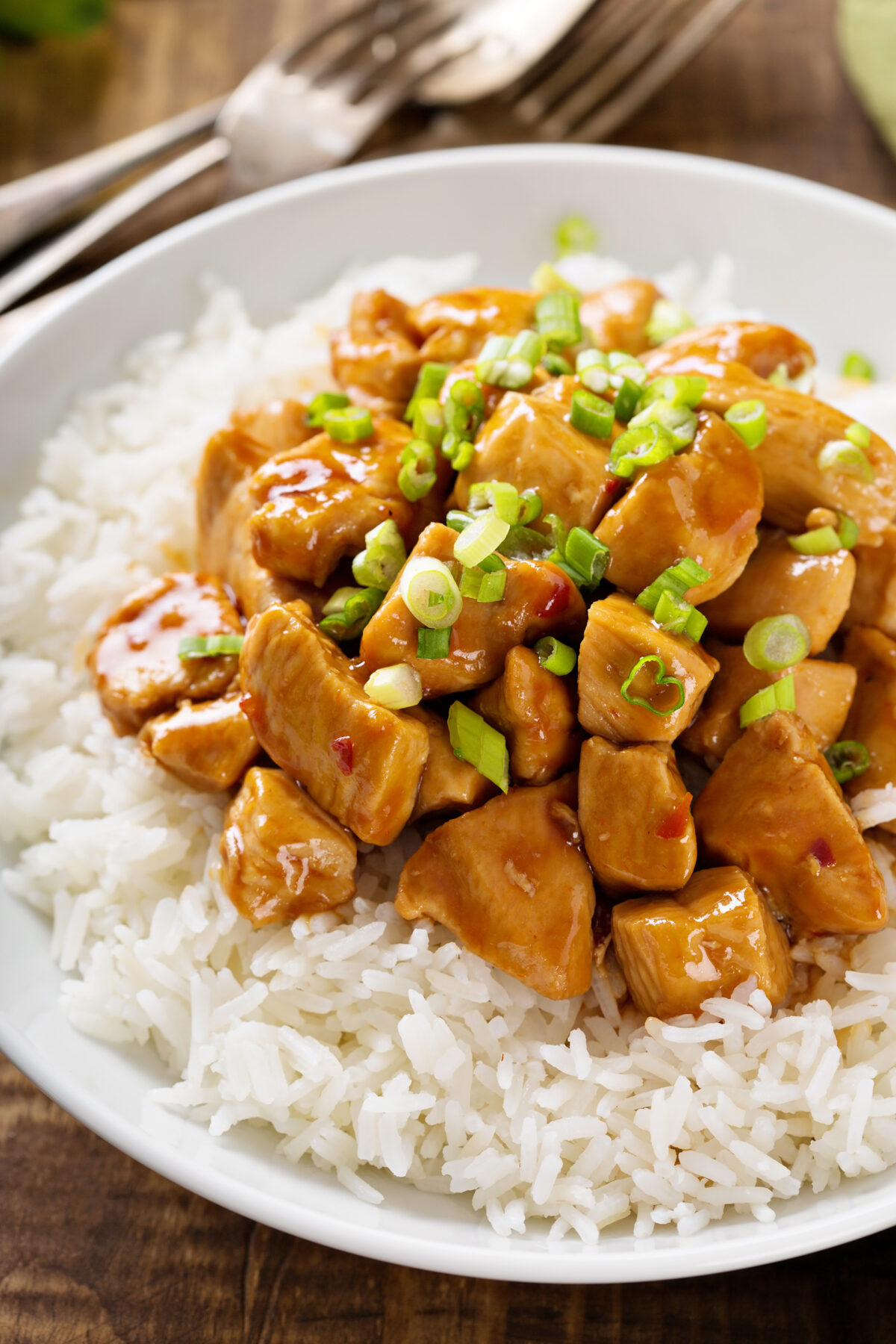
Conversely, for those who crave a spicier experience, the "Make It Spicier" variation offers several avenues for heat enhancement. Beyond increasing red pepper flakes, suggestions include adding sriracha, chili garlic sauce, or sliced jalapeños. This caters to a broader spectrum of spice enthusiasts, allowing for a customized level of heat.
Exploring Alternative Cuts: The Juiciness of Chicken Thighs
The recipe’s flexibility extends to the choice of chicken cut. While breast meat is common, the article suggests using chicken thighs. Thighs are known for their higher fat content, which renders them more forgiving during cooking and results in a juicier, more succulent final product. This offers an alternative for those who prefer a richer texture.
Assembling a Complete Meal: The "Bowl" Concept
The idea of serving the sweet and sour chicken as part of a "bowl" presentation signifies a modern approach to meal assembly. This involves serving the chicken over a base of white rice, accompanied by steamed broccoli, cucumbers, shredded carrots, and extra green onions. This format not only creates a visually appealing and complete meal but also allows for individual customization of components, catering to different preferences within a single serving.
Nurturing Young Eaters: Specialized Tips for Kid-Friendly Success
The article dedicates a section to "Kid-Friendly Tips," acknowledging that introducing new or complex flavors to children can sometimes be a challenge. The advice here is practical and empathetic. Starting with a minimal amount of red pepper flakes or omitting them entirely is reiterated. The suggestion to serve the sauce on the side allows children to control the amount of sauce they consume, offering a less intimidating introduction to the dish. This "dipping" method can be particularly effective for picky eaters.
Further practical advice includes cutting the chicken into small, manageable pieces, making it easier for children to handle and eat. Pairing the chicken with familiar sides like steamed broccoli, peas, or carrots ensures that the meal is approachable and aligns with established preferences. This focus on a gradual and supportive introduction to flavors demonstrates a comprehensive understanding of family meal dynamics.
Contextualizing the Dish: A Culinary Snapshot
The provided information, including preparation and cook times, places this Sweet and Sour Chicken recipe firmly within the weeknight dinner category. A 15-minute prep time and a 20-minute cook time result in a total of 35 minutes, a timeframe well within the constraints of a busy evening. The classification of the course as "dinner, Main Course, Main Dish" and the cuisine as "Asian" provides clear categorization for culinary enthusiasts. The keyword tags "chicken, easy, kid friendly, quick and easy" further reinforce the recipe’s primary selling points and target audience.
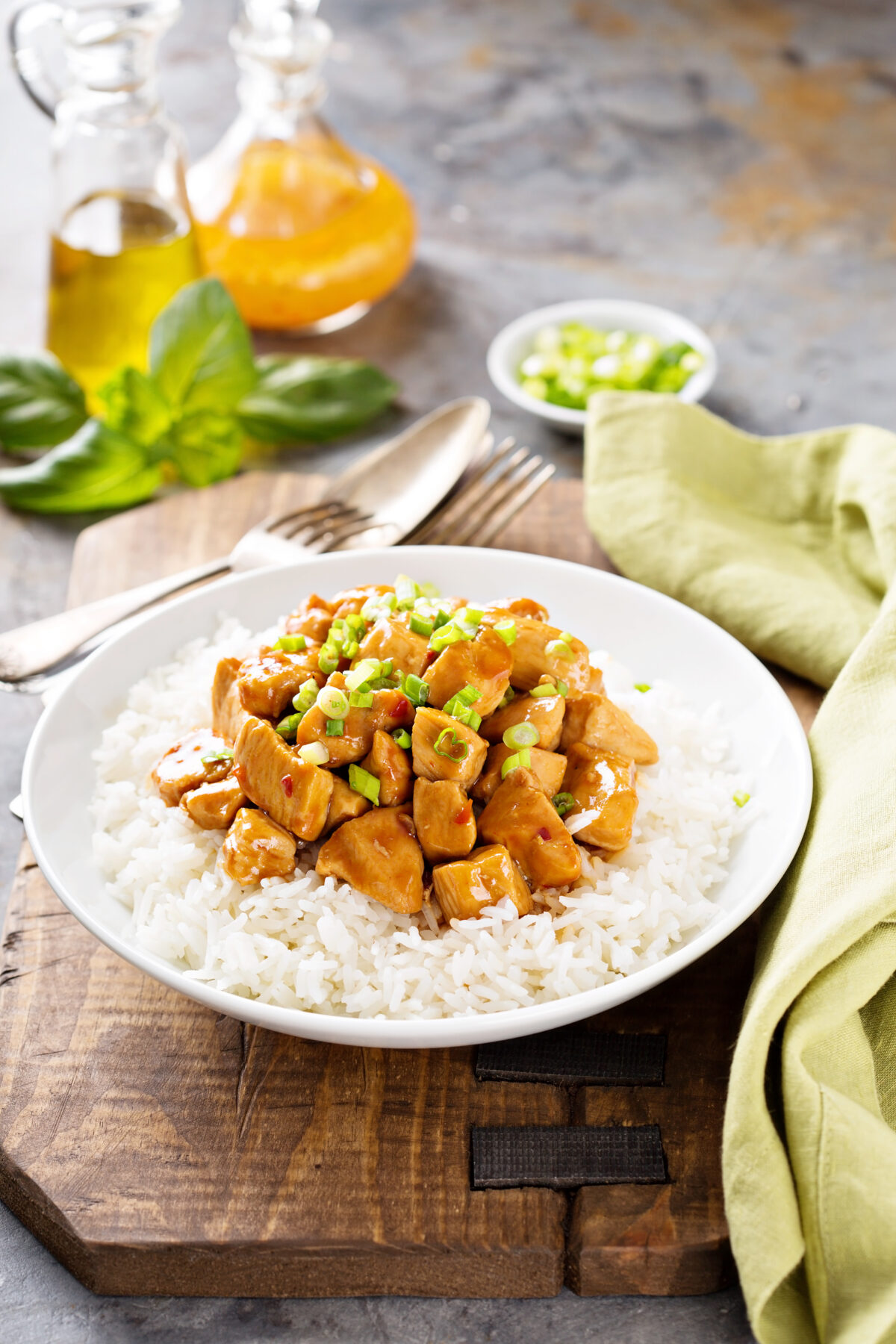
This recipe’s prominence in online culinary content, often highlighted with accompanying imagery showcasing vibrant presentations, reflects a broader trend in home cooking: the desire to replicate popular restaurant dishes with healthier, more accessible, and customizable alternatives. The emphasis on fresh ingredients, controlled spice levels, and efficient preparation techniques aligns with the demands of modern home cooks seeking both flavor and convenience.
The underlying analysis suggests that this Sweet and Sour Chicken recipe is not merely a collection of ingredients and instructions but a thoughtfully designed culinary solution. It addresses the perennial challenge of preparing appealing and satisfying meals for families in a time-efficient manner, while also offering a platform for customization and healthy eating. Its success lies in its ability to balance traditional, beloved flavors with contemporary cooking practices and dietary considerations, making it a true champion of the weeknight dinner table.