Why should progress monitoring (PM) go hand-in-hand with your evidence-based reading instruction?

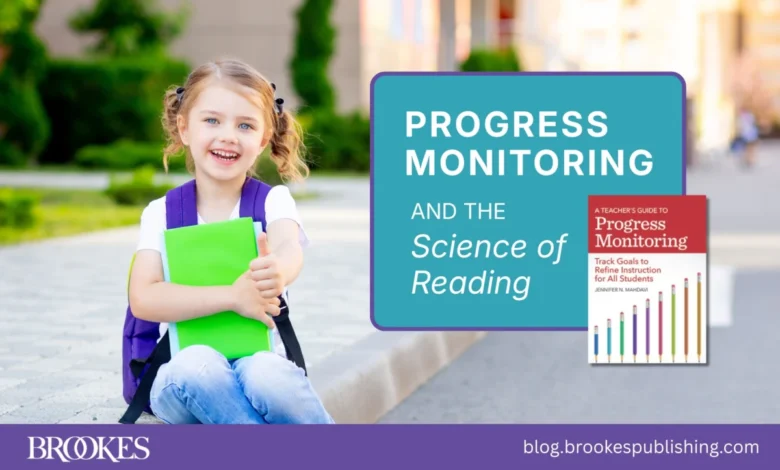
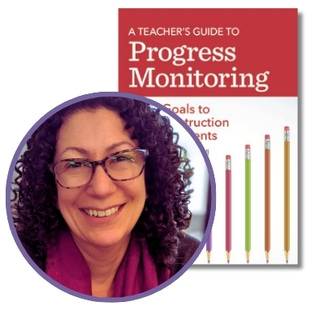
The Science of Reading (SOR) has fundamentally transformed the pedagogical landscape of American primary education, shifting the focus toward structured, systematic, and explicit literacy instruction. By integrating research from linguistics, neuroscience, and cognitive psychology, educators have gained a clearer understanding of how children acquire the foundational skills of phonemic awareness, phonics, fluency, vocabulary, and comprehension. However, the implementation of these evidence-based practices is not a static endeavor. According to Dr. Jennifer Mahdavi, an expert in educational assessment and author of A Teacher’s Guide to Progress Monitoring, the efficacy of SOR practices depends heavily on a dynamic feedback loop known as progress monitoring (PM).
The Scientific Imperative of Assessment
The core premise of the Science of Reading is the application of evidence-based interventions to improve literacy outcomes. In any scientific discipline, a treatment—in this case, instructional intervention—must be accompanied by continuous evaluation to verify its impact. For the classroom teacher, this translates to the consistent use of formative assessments. While teachers may be well-versed in the theories behind phonics and phonemic awareness, the practical application often reveals disparities in student learning.
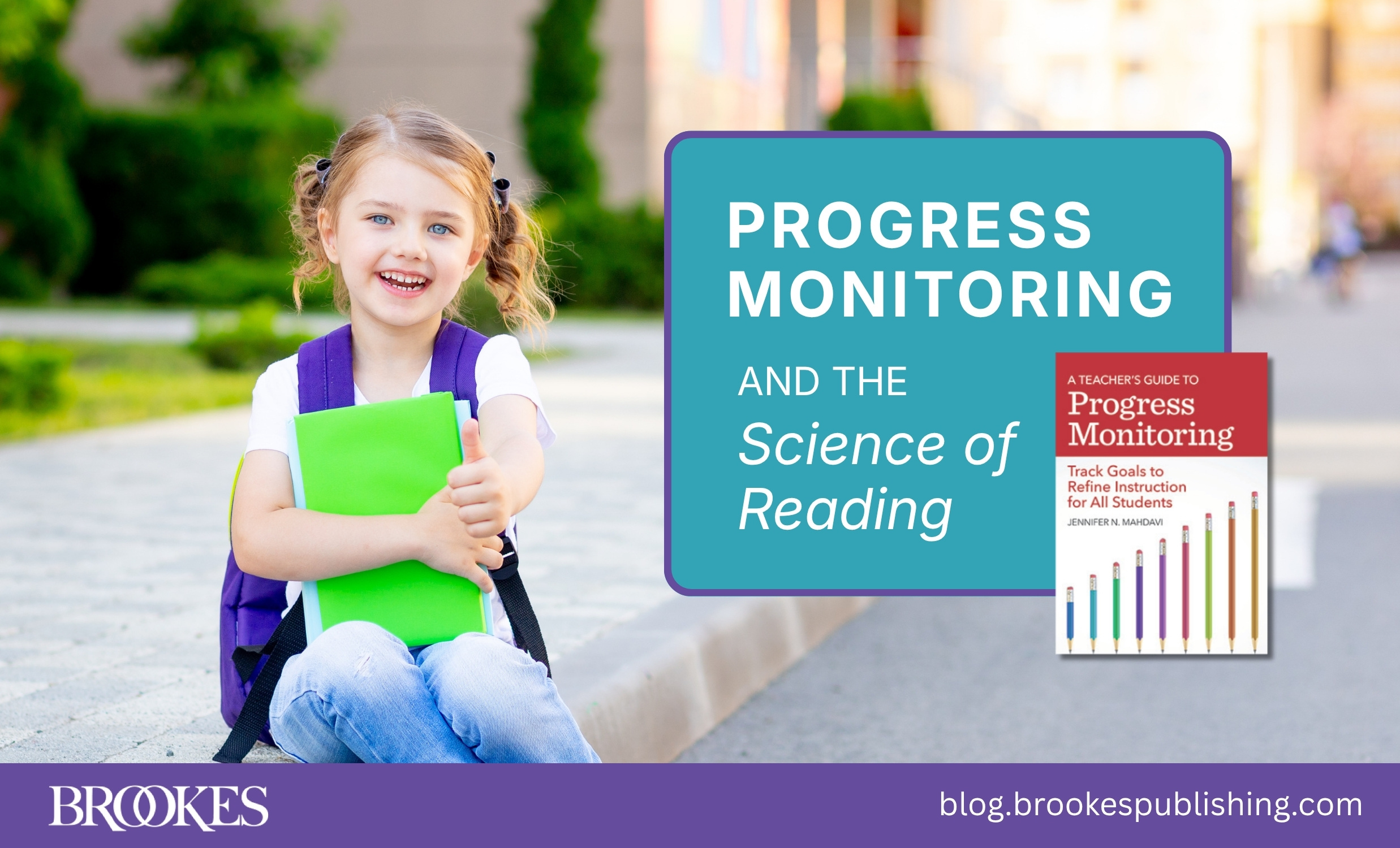
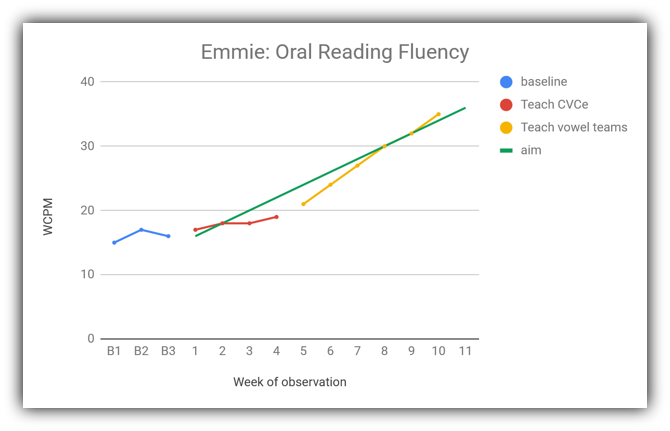
In a standard classroom, educators often encounter students like “Emmie,” a first-grade student who attends classes regularly and demonstrates diligence, yet fails to achieve the same growth as her peers. When an evidence-based intervention is applied but fails to produce the expected results, the educator faces a diagnostic challenge. This is where progress monitoring shifts from a mere administrative task to a critical tool for instructional refinement.
A Chronology of Data-Driven Instruction
The process of progress monitoring is characterized by a specific, cyclical timeline that allows educators to pivot when necessary. The standard implementation follows a distinct progression:
- Baseline Establishment: Before an intervention begins, educators administer standardized measures—most commonly Oral Reading Fluency (ORF) assessments—at least three times to establish a reliable baseline of the student’s current proficiency level.
- Continuous Data Collection: Once the intervention is launched, weekly or bi-weekly monitoring occurs. These data points are plotted on a graph, tracking Words Correct Per Minute (WCPM).
- Trend Analysis: After three to four weeks of intervention, the teacher analyzes the trend line. A flat or declining line serves as a "check-engine light," indicating that the current instructional approach is not meeting the student’s needs.
- Diagnostic Pivot: Once the PM data indicates a failure to progress, the teacher performs a targeted diagnostic assessment—such as a phonics screener—to identify the specific knowledge gap.
- Instructional Modification: Based on the diagnostic findings, the educator modifies the intervention and continues the monitoring cycle to ensure the new approach yields the necessary growth.
Empirical Significance and Implications
The implications of this approach are significant for early intervention, particularly regarding the identification of neurodevelopmental conditions such as dyslexia. Dyslexia is characterized by difficulties with accurate and fluent word recognition, often stemming from deficits in phonological processing. Because early identification is the single greatest predictor of successful remediation, the use of PM as a screening and monitoring tool is vital.
According to data from the National Center on Intensive Intervention (NCII), students who receive instruction informed by consistent progress monitoring show significantly higher rates of literacy acquisition compared to those taught through traditional methods without data-driven adjustments. This is not merely a matter of classroom efficiency; it is a matter of equity. By identifying learning barriers early in the first-grade year, educators can provide the specialized support necessary to prevent long-term literacy failure.
Addressing the “Data on the Shelf” Problem
A pervasive issue in many school districts is the underutilization of assessment data. Educators are frequently trained in standardized testing protocols, but these assessments are often relegated to a "shelf," used only for high-stakes reporting three times a year. Dr. Mahdavi argues that for data to be effective, it must be "living."
When ORF scores are tracked weekly, the graph provides an immediate visual representation of student trajectory. If the WCPM score does not rise after three consecutive weeks of a specific intervention, the educator is alerted that the instructional dosage or the methodology itself is insufficient. This allows for rapid, real-time adjustments rather than waiting for the end of the semester to realize that a student has fallen behind.
Bridging the Gap: The Diagnostic Process
The transition from identifying a problem to solving it requires a clear distinction between progress monitoring and diagnostic assessment. PM acts as a thermometer, indicating whether a student is "sick" or "healthy" in their reading development. It signals that a problem exists, but it does not specify the underlying cause.
For instance, if an ORF graph shows stagnation, the educator must look deeper. A phonics screener might reveal that while the student has mastered basic CVC (consonant-vowel-consonant) patterns, they have not yet mastered vowel teams (e.g., "ai" or "ea"). By shifting the instruction to address these specific gaps—a process known as targeted intervention—the student’s trajectory can be corrected. The subsequent rise in the WCPM line on the PM graph serves as validation that the diagnosis was correct and the intervention was appropriately matched to the student’s needs.
Professional Perspectives and Expert Synthesis
Educational leaders and advocates for the Science of Reading emphasize that this process empowers teachers to act as "scientists of instruction." The role of the teacher is no longer to simply deliver a curriculum but to conduct a series of controlled experiments within the classroom, where the student’s learning progress serves as the primary data point.
Critics of intensive progress monitoring sometimes argue that the time required to administer and chart these assessments detracts from actual teaching time. However, proponents argue that the time saved by preventing long-term remediation cycles and specialized education referrals far outweighs the weekly time investment of a two-minute fluency check.
Broader Educational Impact
The integration of systematic progress monitoring into the Science of Reading framework represents a paradigm shift in how schools handle literacy development. As school districts across the country grapple with fluctuating reading proficiency rates, the emphasis on data-based decision-making has become a central tenet of policy and practice.
The goal is to ensure that no student slips through the cracks due to a failure to diagnose their specific learning challenges. By utilizing tools like those outlined in A Teacher’s Guide to Progress Monitoring, educators can effectively bridge the gap between theoretical knowledge of the Science of Reading and the practical reality of classroom intervention.
Ultimately, the goal of literacy instruction is universal proficiency. While the Science of Reading provides the foundation for what should be taught, progress monitoring ensures that the instruction is actually working. For students like Emmie, this methodology is the difference between a year of frustration and a lifetime of reading proficiency. As the scientific community continues to refine these practices, the marriage of evidence-based pedagogy and consistent, data-driven assessment remains the gold standard for modern primary education. Educators are encouraged to leverage their existing district-preferred measures, turn that data into actionable insights, and maintain a rigorous commitment to the iterative nature of scientific teaching.