Healthy Pumpkin Muffins: A Nutritional Innovation in Nutrient-Dense Baking

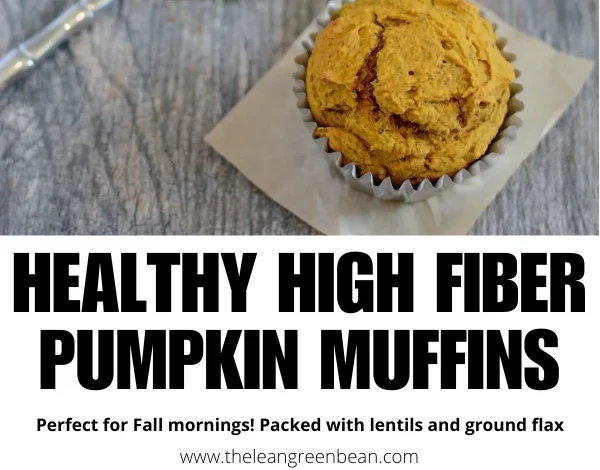
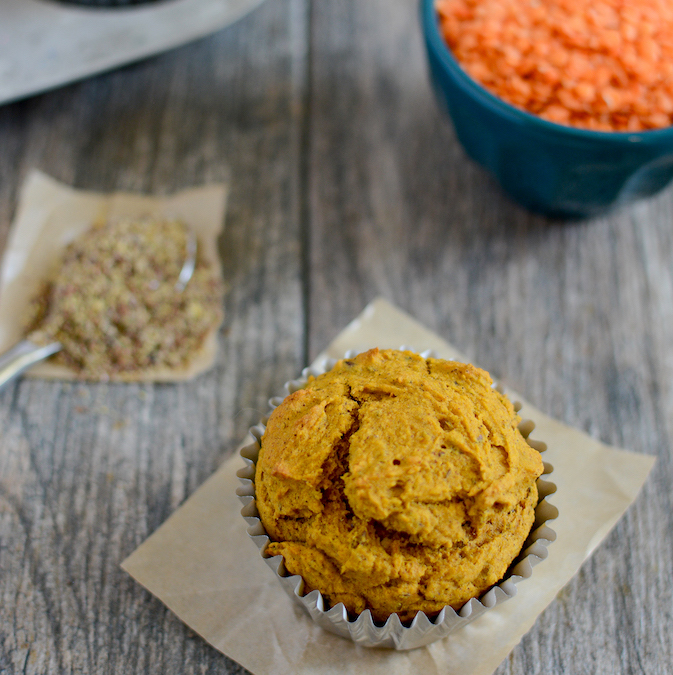
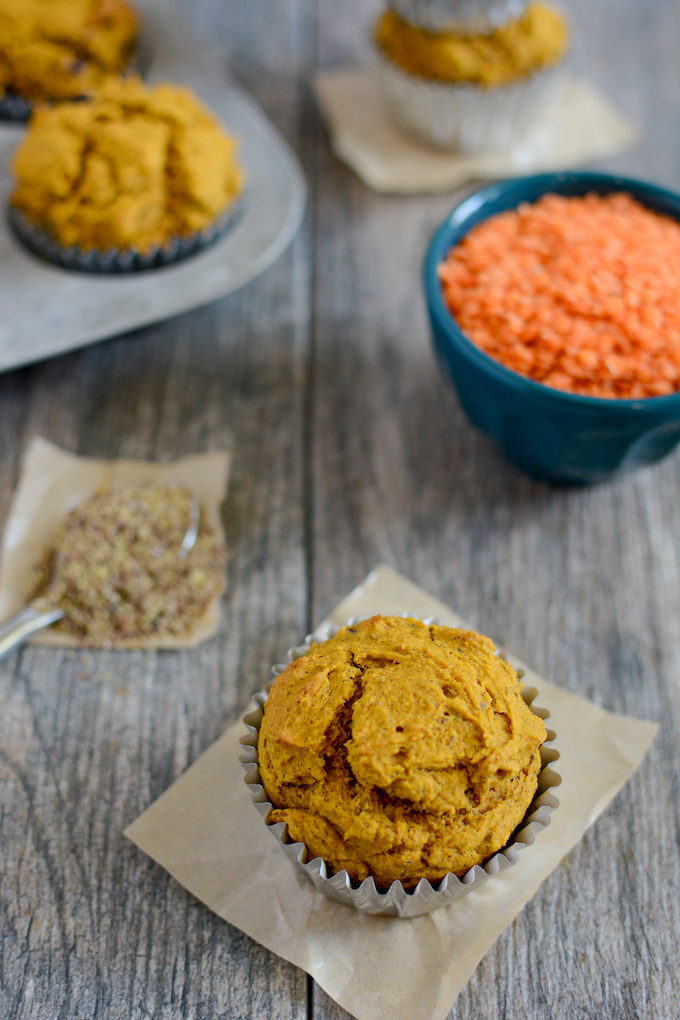
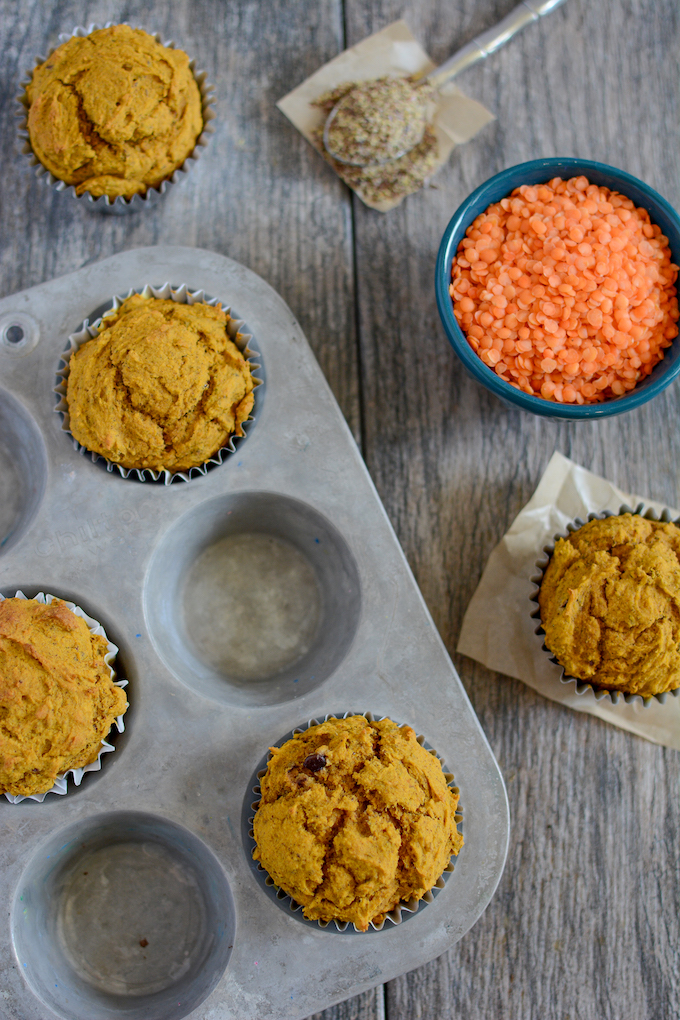
The integration of non-traditional legumes into baked goods has emerged as a significant trend in contemporary food science, aiming to address the global deficit in dietary fiber and protein intake. A notable development in this space is the recent refinement of pumpkin-based muffin recipes, which now incorporate red lentils and ground flaxseed to enhance the nutritional profile of a traditional autumn staple. By leveraging the neutral flavor and structural properties of pureed red lentils, home cooks and culinary professionals are effectively increasing the protein and fiber content of breakfast items without compromising sensory attributes such as texture or taste.
The shift toward nutrient-dense snacking comes at a time when public health officials continue to highlight the prevalence of high-sugar, low-fiber diets in industrialized nations. Standard commercial pumpkin muffins often function more as desserts, characterized by high caloric density and minimal satiety-inducing nutrients. The adoption of red lentils—a pulse rich in iron, folate, and manganese—represents a strategic move toward functional baking, where the ingredient acts as a "stealth" health booster.
The Science of Legume-Based Baking
The use of lentils in baking is supported by established food chemistry principles. Red lentils, unlike their green or brown counterparts, break down completely during the cooking and blending process, resulting in a smooth, viscous puree that integrates seamlessly into wet batter. This allows the legume to act as a structural agent, providing moisture and body that would otherwise require additional fats or refined sugars.
From a nutritional standpoint, the inclusion of one cup of cooked red lentils into a standard batch of muffins can contribute approximately 18 grams of protein and 15 grams of dietary fiber to the final product. When combined with ground flaxseed—a potent source of alpha-linolenic acid (ALA) omega-3 fatty acids and lignans—the fiber content per serving is substantially bolstered. This composition shift directly addresses the common complaint that muffins are "empty calories," transforming them into a balanced breakfast option when paired with protein sources like eggs or Greek yogurt.
Chronology of the High-Fiber Baking Trend
The evolution of these recipes did not occur overnight. It represents a multi-year iteration process within the healthy living culinary community.
- Initial Concept Phase (2020–2022): Early experiments focused on substituting fats, such as butter or oil, with pureed fruits or vegetables. The introduction of pulses was initially limited to savory applications.
- The "Stealth Nutrition" Movement (2023–2024): Culinary developers began identifying legumes that could be masked by the strong flavor profile of seasonal spices like cinnamon, nutmeg, and ginger. Pumpkin puree proved to be the ideal vehicle for this integration due to its high water content and masking capabilities.
- Refinement and Optimization (2025–Present): Recent testing has focused on balancing the structural integrity of the muffin. Researchers and food bloggers have standardized ratios—typically prioritizing the blending of wet ingredients separately from dry components—to prevent the "gummy" texture often associated with high-fiber, gluten-heavy alternatives.
Nutritional Analysis and Public Health Implications
Data provided by nutritionists suggests that a typical "improved" pumpkin muffin provides approximately 6 grams of protein and 5 grams of fiber per unit. While these figures do not render the muffin a health supplement, they represent a significant improvement over traditional recipes that often lack substantial protein entirely.
The broader implication of this trend is the potential for improved blood glucose management. High-fiber diets are correlated with a lower glycemic response, which is crucial for maintaining energy levels throughout the morning. By substituting or augmenting standard refined wheat flours with fibrous additives, bakers can influence the metabolic impact of their products.
However, culinary experts caution that the inclusion of such ingredients requires careful handling. Over-mixing the batter, a common error when working with fiber-dense flours like oat flour, can lead to the development of excess gluten or an undesirable density. The current best practices suggest that for optimal results, the batter should be mixed only until combined, and the inclusion of oat flour should be limited to roughly 50% of the total flour volume to maintain the desired crumb structure.
Practical Considerations for Home and Commercial Production
The shift toward ingredient transparency has led to a standardized set of recommendations for those looking to implement these recipes.
- Ingredient Selection: Only 100% pure pumpkin puree should be utilized. Pre-sweetened pumpkin pie fillings are advised against, as they introduce unnecessary refined sugars that undermine the health goals of the recipe.
- Storage and Preservation: Due to the moisture content provided by the lentils and pumpkin, these muffins have a distinct shelf-life profile. They remain stable at room temperature for up to four days if stored in airtight containers. For longer-term storage, freezing is recommended. The muffins are particularly resilient to freezing, maintaining their structural integrity for up to three months if properly sealed.
- Scaling for Diverse Demographics: The versatility of the recipe allows for modification based on the consumer. For pediatric nutrition, the size reduction to "mini-muffins" is a common strategy, as it increases the surface-area-to-volume ratio, allowing for more consistent baking and portion control.
Expert Perspectives on Dietary Transitions
Registered Dietitians have observed that the primary barrier to healthy eating is often the perceived trade-off between health and flavor. The success of the "lentil-pumpkin" model rests on the fact that the taste profile remains largely consistent with traditional pumpkin muffins, while the nutritional value increases significantly.
"The goal is not to eliminate enjoyment from food, but to enhance the nutrient density of the foods we already love," says Lindsay Livingston, a Registered Dietitian who has documented the development of these recipes. "When we can incorporate legumes, seeds, and whole grains into familiar comfort foods, we lower the friction for individuals trying to make healthier choices."
Future Outlook for Functional Baked Goods
The trajectory of this trend suggests that the future of home baking will be increasingly dominated by "functional" recipes. As consumers become more educated regarding the role of dietary fiber in gut health and satiety, the demand for recipes that utilize unconventional, nutrient-dense ingredients will likely grow.
Future developments in this sector are expected to include the exploration of additional plant-based proteins, such as white beans or chickpeas, which could offer different textural profiles while maintaining the same nutritional advantages. Furthermore, as the gluten-free market continues to expand, the intersection of high-fiber legume baking and gluten-free flour alternatives will likely become a primary focus for culinary R&D.
Ultimately, the refinement of the pumpkin muffin serves as a microcosm for a larger shift in consumer behavior. By prioritizing fiber and protein through natural, whole-food sources, the domestic kitchen is becoming an increasingly sophisticated space for personal health management. The ability to hide dense, nutrient-rich ingredients within a widely accepted seasonal favorite demonstrates that dietary improvement does not necessarily require the sacrifice of convenience or culinary satisfaction. As these practices continue to disseminate, the standard for what constitutes a "healthy" breakfast may continue to evolve, moving further away from processed convenience and closer to nutritionally intentional home preparation.