The Rise of Comfort Cooking: Why Creamy White Bean Soup is Dominating Modern Weeknight Menus

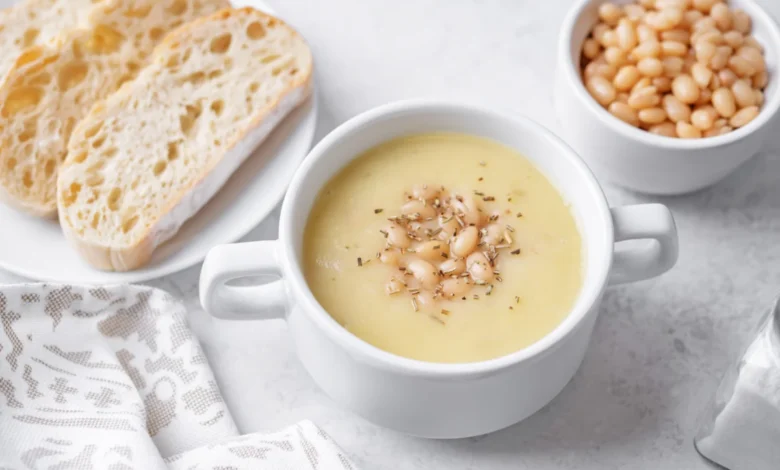
As home cooks increasingly seek out economical, nutritious, and comforting meals amidst fluctuating food costs and busy schedules, one-pot culinary creations have taken center stage in modern domestic kitchens. Among these, the creamy white bean soup has emerged as a definitive staple, capturing the attention of culinary experts, nutritionists, and families alike. Combining pantry-friendly longevity with the luxurious texture of traditional cream-based soups, this dish represents a broader shift toward resourceful, plant-forward home cooking that does not sacrifice flavor or satisfaction.
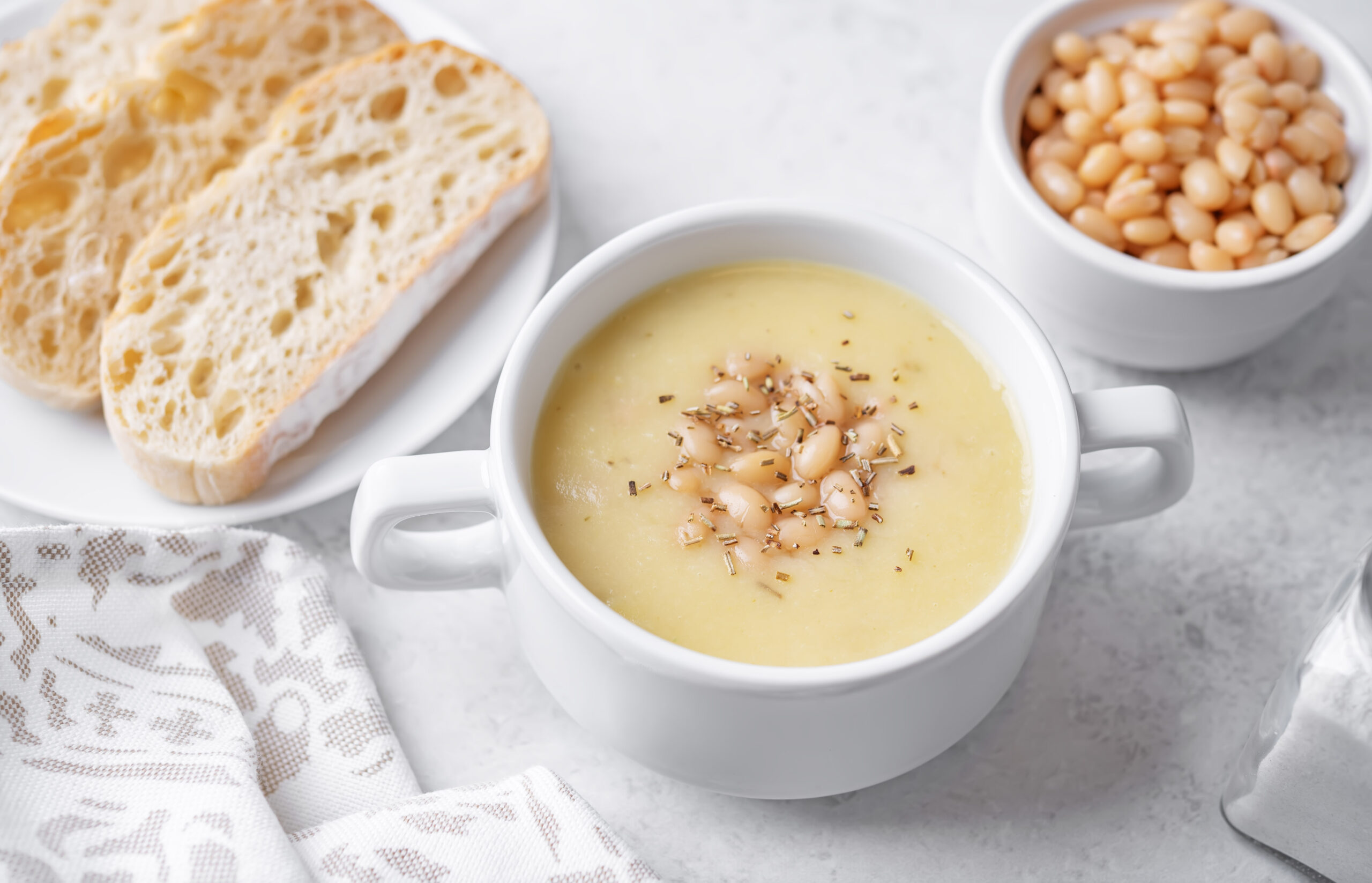
The culinary evolution of bean-based soups traces its roots deep into Mediterranean traditions, where legumes have served as an affordable and reliable cornerstone of daily nutrition for centuries. Historically, rural Italian and French households utilized white beans—such as cannellini, navy, and Great Northern varieties—simmered slowly with seasonal root vegetables, garlic, and wild herbs to create sustaining meals during colder months. In contemporary gastronomy, this historical reliance on legumes has been re-examined through the lens of modern nutritional science and economic pragmatism. Nutritionists frequently highlight white beans as an exceptional source of plant-based protein, dietary fiber, and complex carbohydrates, making them an ideal foundation for health-conscious households.
The mechanics behind achieving a velvety texture without relying heavily on saturated fats or dairy have fascinated culinary scientists for years. Traditional creamy soups often demand substantial quantities of heavy cream, butter, or roux to achieve body. However, the white bean soup technique relies on a fundamental culinary physics principle: starch gelatinization and emulsification. By blending a portion of the tender, cooked white beans directly with the simmering vegetable broth, home cooks release natural starches trapped within the legume cellular walls. When reintegrated into the pot, these starches create a naturally emulsified, thick, and velvety base. This clever culinary shortcut eliminates the need for excessive dairy, reducing overall calorie counts while delivering a rich mouthfeel that satisfies the palate.
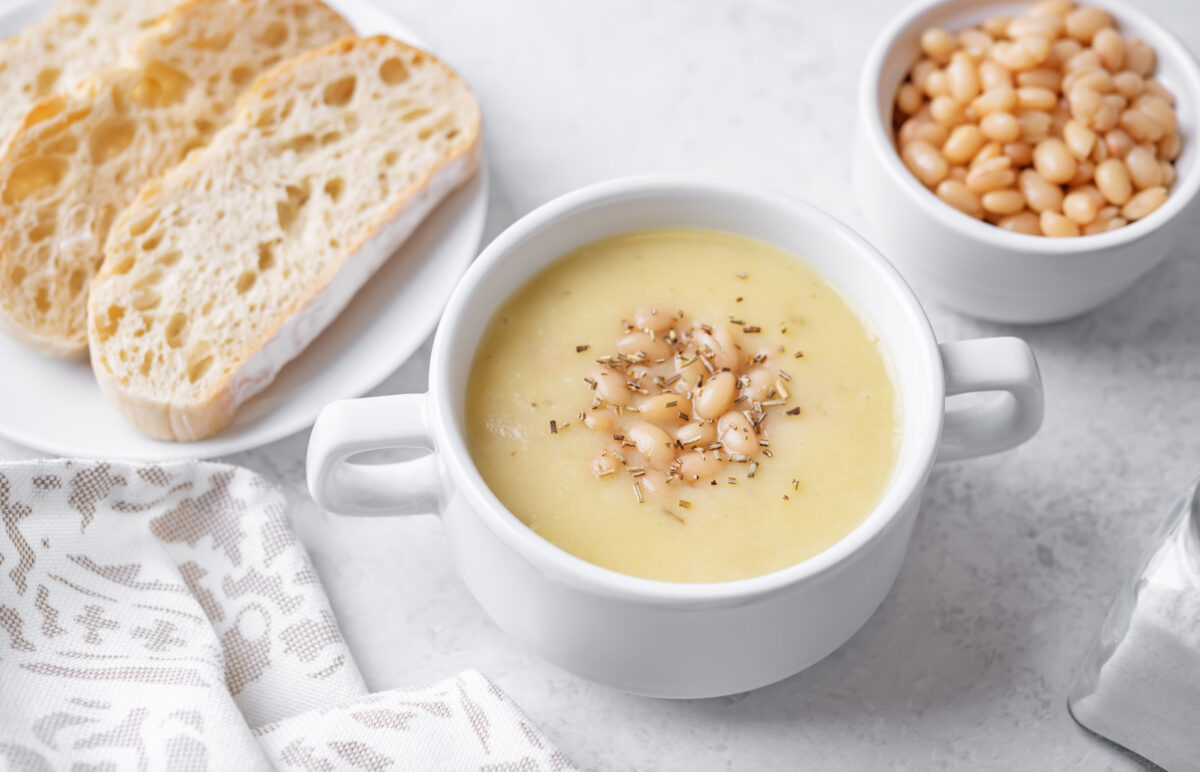
Food economists and grocery industry analysts note that the surge in popularity of pantry-centric recipes like white bean soup directly correlates with broader consumer trends in food purchasing. With grocery inflation remaining a persistent concern for households worldwide, staples such as dried and canned legumes have seen steady demand. Unlike perishable proteins, canned cannellini beans offer extended shelf life, minimal prep time, and consistent pricing, making them a reliable asset for meal planners. Culinary educators emphasize that a standard batch of white bean soup can be prepared in approximately forty-five minutes—fifteen minutes of preparation and thirty minutes of simmering—making it an accessible option for time-constrained professionals and parents navigating hectic weeknight schedules.
Culinary professionals and recipe developers point out that the versatility of the dish further contributes to its widespread adoption. While the traditional base consists of onions, carrots, celery, garlic, and vegetable or chicken stock, the soup acts as an adaptable canvas. Home cooks can easily integrate leftover roasted vegetables, greens such as kale and spinach, or proteins like shredded rotisserie chicken and Italian sausage. Furthermore, the recipe adapts seamlessly to dietary restrictions; by substituting dairy-free alternatives such as coconut milk, oat milk, or cashew cream, and omitting traditional parmesan cheese, the dish accommodates vegan and lactose-intolerant eaters without compromising its signature richness.

The broader implications of this culinary trend reflect a growing cultural preference for sustainable, low-waste home economics. By utilizing common pantry ingredients, reducing food waste through the incorporation of surplus vegetables, and prioritizing nutrient-dense whole foods, home cooking trends are increasingly aligned with environmental sustainability and personal wellness. Food historians suggest that comfort foods enduring through changing eras are those that successfully balance nostalgia with nutritional adaptability. As households continue to navigate the demands of modern life, the unassuming white bean soup stands as a testament to the enduring power of simple ingredients transformed through thoughtful culinary technique.