The Art of Elevating Seasonal Produce: A Comprehensive Guide to Preparing Baked Peaches

The practice of baking stone fruits, particularly peaches, represents a culinary intersection of seasonal agriculture and refined home preparation. As summer temperatures peak, the sugar content in peaches—driven by optimal sun exposure—reaches its zenith, providing an ideal chemical profile for thermal processing. By subjecting these fruits to controlled oven heat, home cooks can achieve a transformation that transcends the limitations of raw consumption, resulting in a complex, caramelized dessert that has become a staple of late-summer gastronomy.
The Botanical and Culinary Context of Peak-Season Peaches
Peaches, members of the Prunus persica family, are characterized by their delicate skin and high water content, which makes them highly perishable. During the mid-to-late summer months, the metabolic processes within the fruit shift, increasing the concentration of fructose and sucrose. When these sugars are exposed to sustained heat—specifically at 350 degrees Fahrenheit—they undergo the Maillard reaction and caramelization. This chemical shift creates the distinct, deep, and nutty flavor profile associated with professional-grade desserts.
From an agricultural perspective, the availability of high-quality, freestone peaches is critical to this process. Freestone varieties, where the flesh separates easily from the pit, are the industry standard for baking, as they maintain their structural integrity during the preparation phase. The selection of fruit that is slightly firm but yielding to touch ensures that the peach does not collapse into a puree during the baking duration, which typically spans 25 to 30 minutes.
A Chronological Guide to Thermal Preparation
The preparation of baked peaches follows a precise, replicable methodology that minimizes waste while maximizing flavor extraction.
- Preparation and Sizing: The process begins with the procurement of high-quality, organic or locally sourced peaches. Each fruit is halved and the stone is carefully removed. Culinary experts advise against bruising the flesh during this phase, as integrity is paramount to the final presentation.
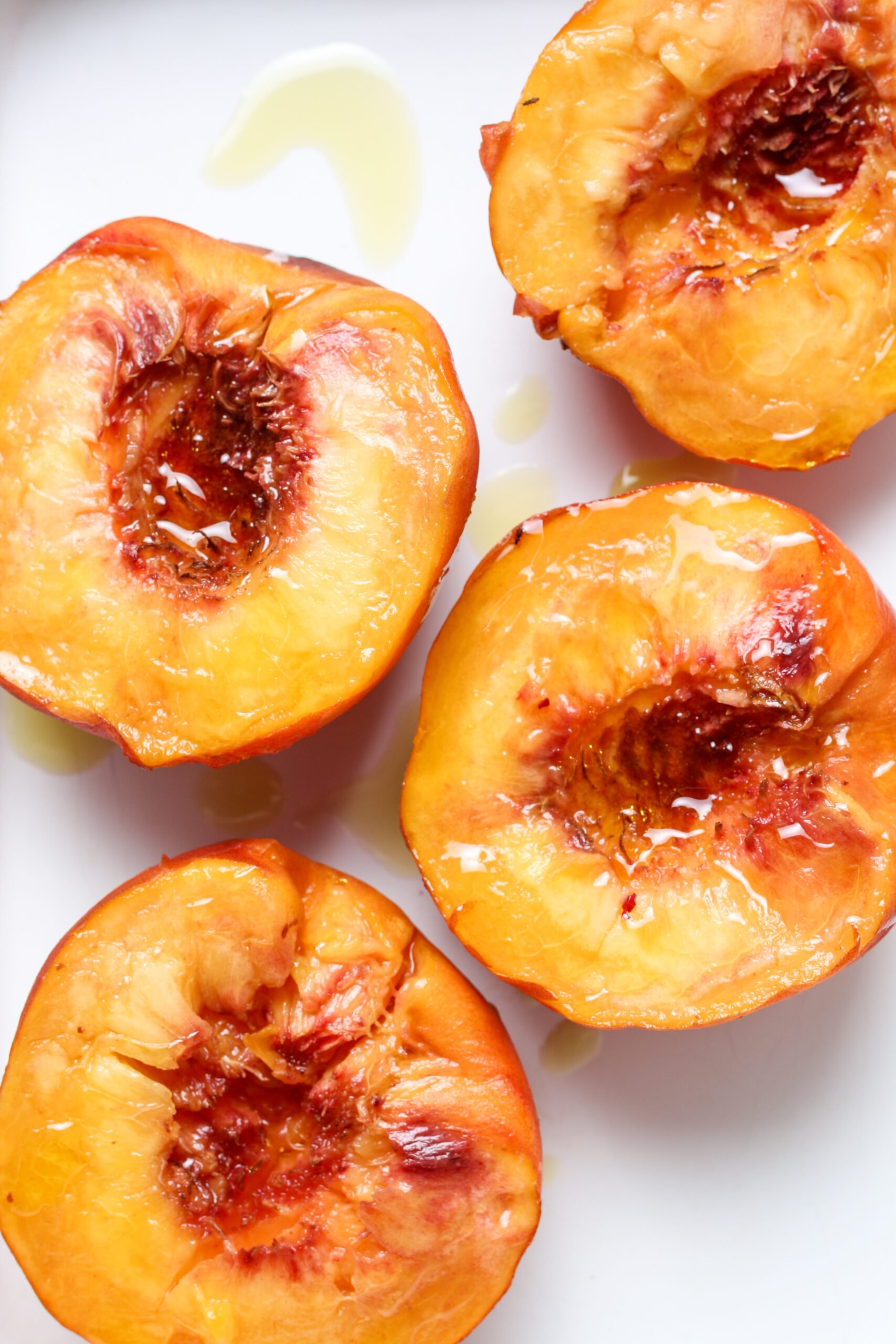
- Surface Treatment: Before the primary bake, a light application of olive oil is recommended. While traditional baking often utilizes butter for flavor, a base layer of olive oil provides a higher smoke point and a neutral medium for the initial caramelization of the fruit’s exterior.
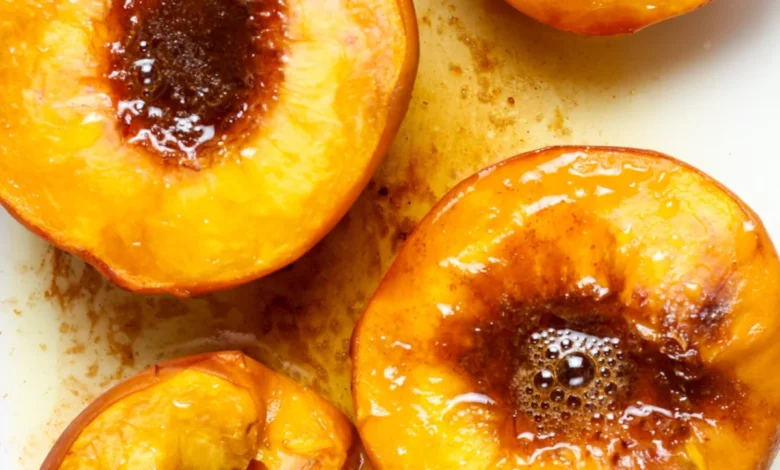
- The Initial Thermal Phase: The peaches are placed in a rimmed ceramic or glass baking dish, cut-side up. A 15-minute exposure at 350 degrees Fahrenheit allows the fruit to soften without losing its essential juices.
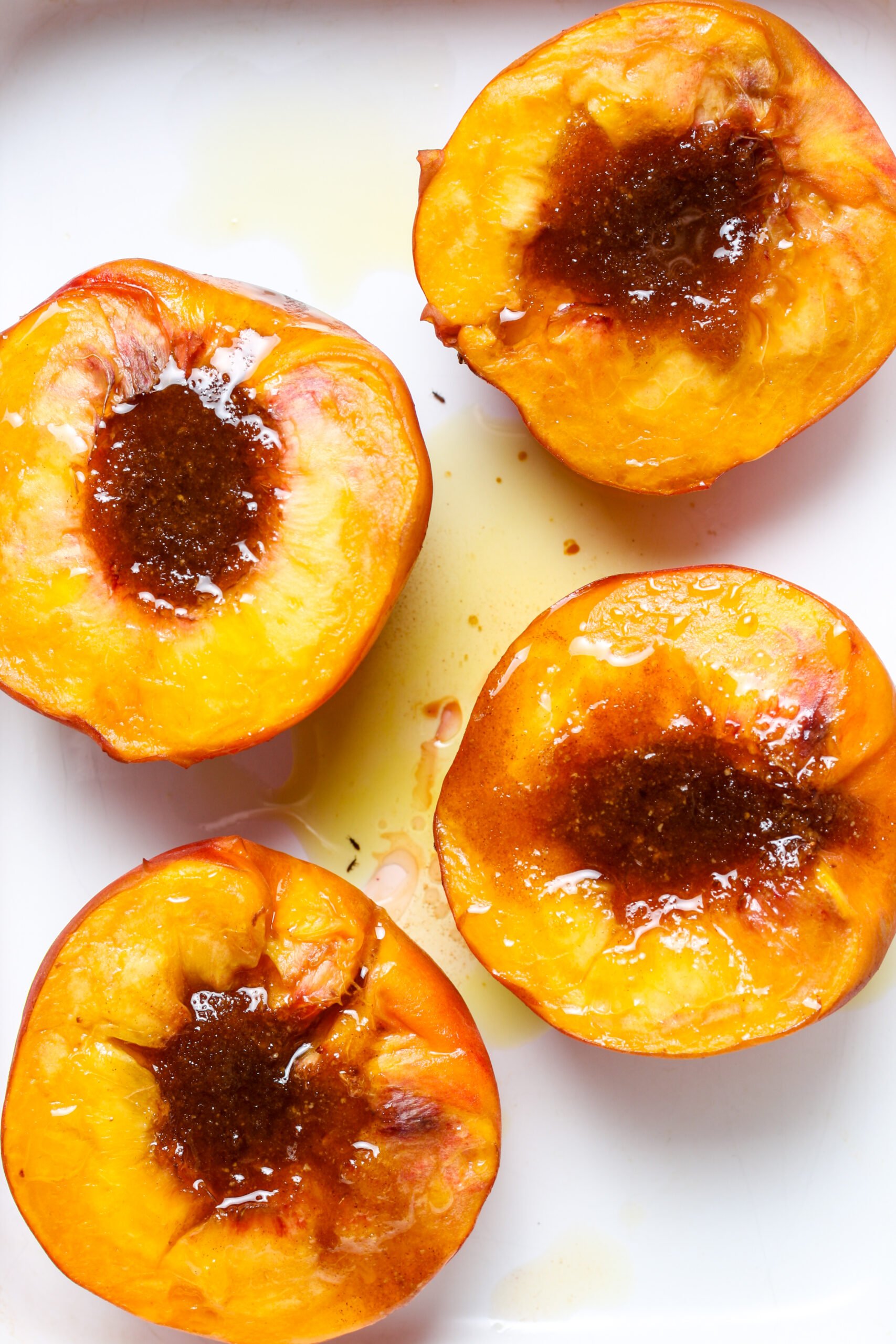
- The Enrichment Phase: After the initial period, a mixture consisting of melted high-fat butter, ground cinnamon, and coconut sugar is introduced into the cavity of each peach. Coconut sugar is preferred by many for its lower glycemic index and deep, molasses-like undertones, which complement the natural acidity of the peach.
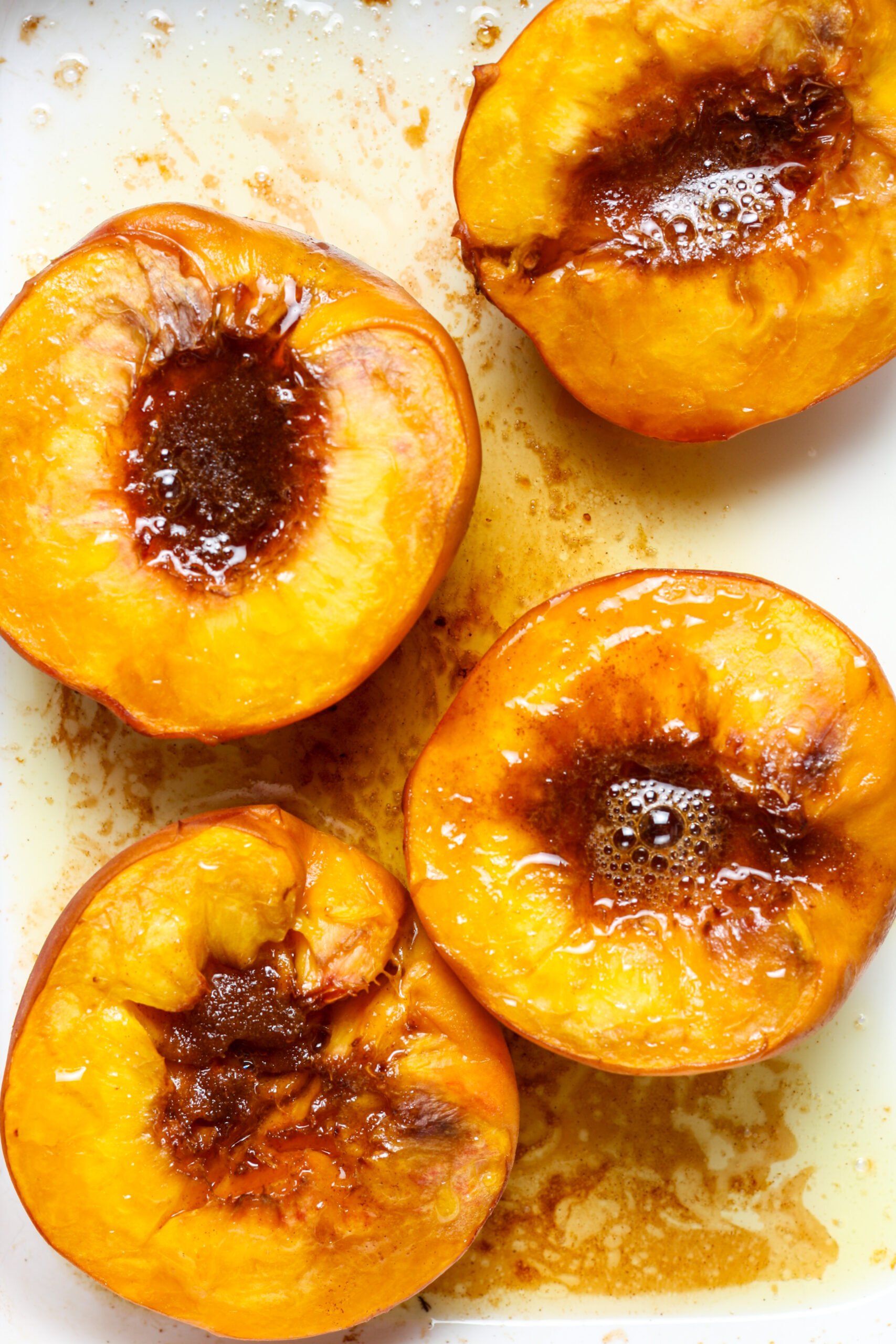
- Final Caramelization: The fruit is returned to the oven for a secondary 10 to 12-minute window. During this time, the fats and sugars emulsify, creating a syrup that binds with the fruit’s natural juices to create a concentrated glaze.
Nutritional Analysis and Implications
While baked peaches are classified as a dessert, they serve as a healthier alternative to flour-based pastries. A single serving of a baked peach provides significant dietary fiber, potassium, and antioxidants such as Vitamin C and beta-carotene. The inclusion of coconut sugar offers a more nutrient-dense alternative to refined white sugars, while the addition of healthy fats, such as high-quality butter, assists in the absorption of fat-soluble vitamins found within the fruit.

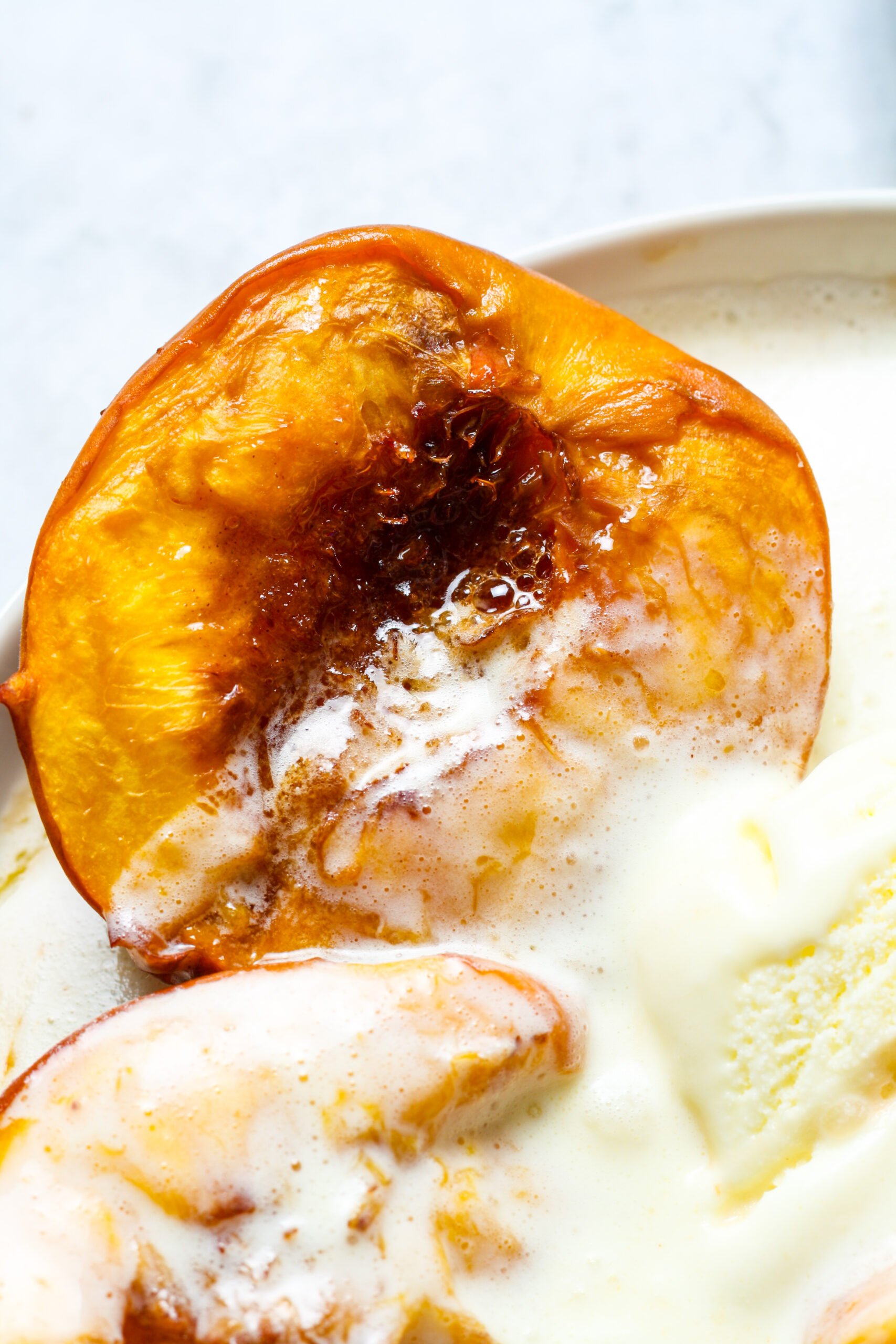
When paired with a small portion of cold, high-protein additions like Greek yogurt or cottage cheese-based ice cream, the dish transforms into a balanced snack that manages blood glucose levels more effectively than traditional high-glycemic desserts.
Market Trends and Consumer Behavior
Recent culinary data indicates a shift toward "simple-ingredient" desserts. As consumers become increasingly wary of ultra-processed food additives, recipes that emphasize the raw state of produce have seen a surge in popularity. The "baked peach" phenomenon is a primary example of this movement, often referred to as "back-to-basics" cooking.
Industry analysts at the Culinary Institute of America suggest that this trend is driven by a desire for transparency in the kitchen. The reliance on only four core ingredients—peaches, olive oil, cinnamon, and coconut sugar—allows for total control over caloric density and ingredient sourcing. This approach has gained significant traction in suburban households where home gardening and farmer’s market attendance have reached record highs in the 2024-2025 fiscal period.
Expert Perspectives on Variations
Professional pastry chefs often advocate for experimentation with the base recipe to suit individual palates. For those seeking a more complex flavor profile, the addition of nutmeg, cloves, or even a small amount of sea salt can balance the sweetness.
"The beauty of this recipe lies in its versatility," notes a leading food science consultant. "While the classic combination of cinnamon and sugar is timeless, the incorporation of fresh herbs such as thyme or basil can bridge the gap between a dessert and a savory side dish suitable for accompanying roasted meats like pork or chicken."
Furthermore, the substitution of nectarines or plums provides a distinct texture profile. Nectarines, which lack the fuzz of the peach, offer a firmer bite and a more intense acidity, which some enthusiasts prefer for a more structured dessert experience.
Storage and Preservation Protocols
Proper storage of prepared peaches is essential to ensure food safety and quality. Once the baking process is complete, the dish should be allowed to cool to room temperature before being transferred to an airtight container. Refrigeration at or below 40 degrees Fahrenheit is mandatory.
Under these conditions, the fruit will maintain its texture and flavor for up to 72 hours. It is recommended that leftovers be reheated in an oven or toaster oven rather than a microwave, as the latter can lead to uneven heating and the destruction of the delicate caramelized syrup.
The Broader Impact of Seasonal Eating
The rise of recipes centered around seasonal fruits like the peach is reflective of a broader cultural shift toward sustainable eating. By aligning dietary choices with the natural harvest cycle, consumers reduce their carbon footprint associated with long-distance produce transportation and cold-chain storage.
Moreover, the act of preparing such a dessert reinforces the connection between the consumer and the agricultural source. As we move further into the decade, it is projected that the preference for "low-impact, high-reward" recipes will continue to grow, with baked stone fruits remaining a centerpiece of late-summer culinary activity.
In summary, the preparation of baked peaches is more than a simple kitchen task; it is a technical exercise in maximizing the potential of seasonal produce. Through the application of precise temperature control and the judicious use of complementary seasonings, this method elevates a simple fruit into a dish of significant complexity and nutritional value, embodying the very essence of the summer season.