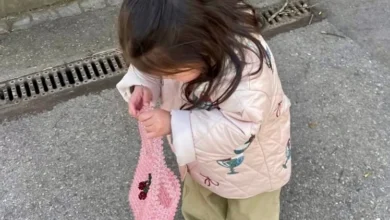
The dichotomy of a child who displays high levels of confidence, verbal assertiveness, and spirited independence within the home, yet retreats into extreme reservation in social settings, is a common phenomenon that frequently perplexes parents and caregivers. Recent insights from developmental experts and longitudinal observations in early childhood settings suggest that this behavior is rarely a sign of underlying pathology or inherent social deficit. Instead, researchers are increasingly characterizing this as a strategic, albeit subconscious, power dynamic.
The Developmental Context of Social Reservation
At approximately three to four years of age, children begin to develop a more sophisticated sense of self and an awareness of the influence they hold over their primary caregivers. For children who possess a naturally strong-willed or "alpha" temperament, the home environment serves as a space where they feel secure enough to exercise this influence. In public or structured social settings—such as gymnastics classes, playdates, or preschool—the environment is less predictable, and the social expectations shift from familial intimacy to peer-level interaction.
Developmental psychologists note that children often adopt an "observer" role in these new settings. Rather than a lack of social competence, this behavior acts as a risk-assessment strategy. By remaining on the periphery, the child maintains a sense of autonomy and control over their environment, effectively choosing when and how to engage. This "claming up" or "freezing" is often misinterpreted by adults as fear or shyness, but it frequently functions as a mechanism for the child to maintain their sense of self-governance.
Analyzing the Gymnastics Case Study
The specific behavioral pattern observed in a three-and-a-half-year-old girl—who participates enthusiastically in home activities but becomes static during transitions in a gymnastics class—highlights the tension between structured expectations and child-led developmental pacing.
In this scenario, the child begins the session with confidence, demonstrating the ability to engage with the environment. However, when the activity demands a transition to a new event or interaction with a coach, the child withdraws. Observations of such patterns reveal that the involvement of external figures—coaches or parents—who attempt to coax or encourage the child to participate can inadvertently reinforce the child’s resistance. When a child detects a parent’s underlying anxiety or desire to "fix" the behavior, the child may internalize that pressure, leading to a further hardening of their position.
The Role of Parental Perception and Intervention
A critical component in the evolution of this behavior is the parent’s own reaction. According to child development experts, when a parent perceives their child as "shy" and attempts to intervene to alleviate the situation, they are often unknowingly validating the child’s position as a vulnerable one.
Data from early childhood programs suggest that when parents transition from an active, interventionist approach to one of "secure observation," the child’s trajectory often shifts. By removing the pressure to perform or participate, the adult creates a neutral environment. This allows the child the necessary psychological space to initiate their own engagement. If a parent remains a stable, non-anxious presence, the child eventually feels less compelled to hold onto their defensive "stuck" position, as the power struggle over their participation is effectively neutralized.

Professional Perspectives on Social Development
Experts emphasize that labeling a child as "shy" can create a self-fulfilling prophecy. When children hear themselves described by their parents as having a personality trait that requires "fixing," they may begin to adopt that identity, which can hinder their natural ability to navigate social complexities at their own pace.
The consensus among child development professionals is that social assertiveness is a learned skill that matures at different rates for every child. For the strong-willed child, the primary hurdle is not a lack of social ability, but the desire to ensure that any social engagement is performed on their own terms. When adults shift their focus from modifying the child’s behavior to fostering an environment of trust, the results are typically more sustainable.
Preparing for Preschool and Beyond
With the transition to formal schooling, many parents express concern that these social behaviors will result in isolation or academic struggle. However, educators often report that the "observer" child is frequently among the most capable and engaged students once they have spent a sufficient amount of time auditing the classroom environment.
To facilitate this transition, experts suggest:
- Communicating with Staff: Inform teachers that the child requires a period of adjustment to observe before participating, and request that the staff avoid pressuring the child to join activities prematurely.
- Modeling Confidence: Parents should avoid apologizing for their child’s behavior or expressing overt concern in front of them.
- Maintaining Consistency: The parent should remain a secure, calm base. If a child chooses to sit out an activity, they should be allowed to do so without judgment, provided they are not disrupting the environment for others.
Broader Implications for Parenting Styles
The contemporary parenting landscape is increasingly focused on fostering emotional intelligence and autonomy. The shift away from the traditional, compliance-based model of child-rearing toward one that respects the child’s internal process is gaining momentum. This approach acknowledges that "spirited" children require a different form of guidance—one that emphasizes patience over performance.
When parents relinquish the need to control their child’s social interactions, they inadvertently empower the child to take risks. This shift is not merely about achieving a specific outcome in a social setting; it is about building a foundation of mutual respect and trust. By viewing the child’s reservation as an intelligent, intentional strategy rather than a deficiency, parents can mitigate the anxiety that frequently accompanies early childhood social milestones.
Conclusion: Trusting the Process
Ultimately, the goal of fostering confidence in a child is achieved through the parent’s own capacity to be unruffled by the child’s temporary social status. Whether a child chooses to engage immediately or prefers to watch from the sidelines, their value and their potential for growth remain constant. The transition from an opinionated, loud child at home to a reserved, observant child in public is not a contradiction; it is a complex developmental phase that, when navigated with patience and trust, leads to a more confident and self-assured individual.
As children move toward more independent social environments, the most effective tool at a parent’s disposal is the ability to provide a safe, non-judgmental space where the child can explore their capacity for connection at their own speed. By removing the external pressure to conform to societal expectations of "outgoingness," parents allow their children the freedom to develop a social identity that is authentic, durable, and uniquely their own. This long-term investment in the child’s process yields far greater results than any immediate, coerced social interaction could ever provide.