Mastering the Post-School Rush: How Simple DIY Graham Cracker Snacks Are Transforming Afternoon Nutrition for Families Nationwide

The final school bell rings, signaling the transition from structured classrooms to the chaotic window of the late afternoon. For parents and caregivers across the country, this hour introduces a familiar domestic challenge: the after-school hunger surge. Children arrive home ravenous, demanding immediate sustenance, yet feeding them can easily backfire. Offer a snack that is too heavy, and dinner is ruined; provide something with zero nutritional value, and children experience an energetic crash followed by irritability.
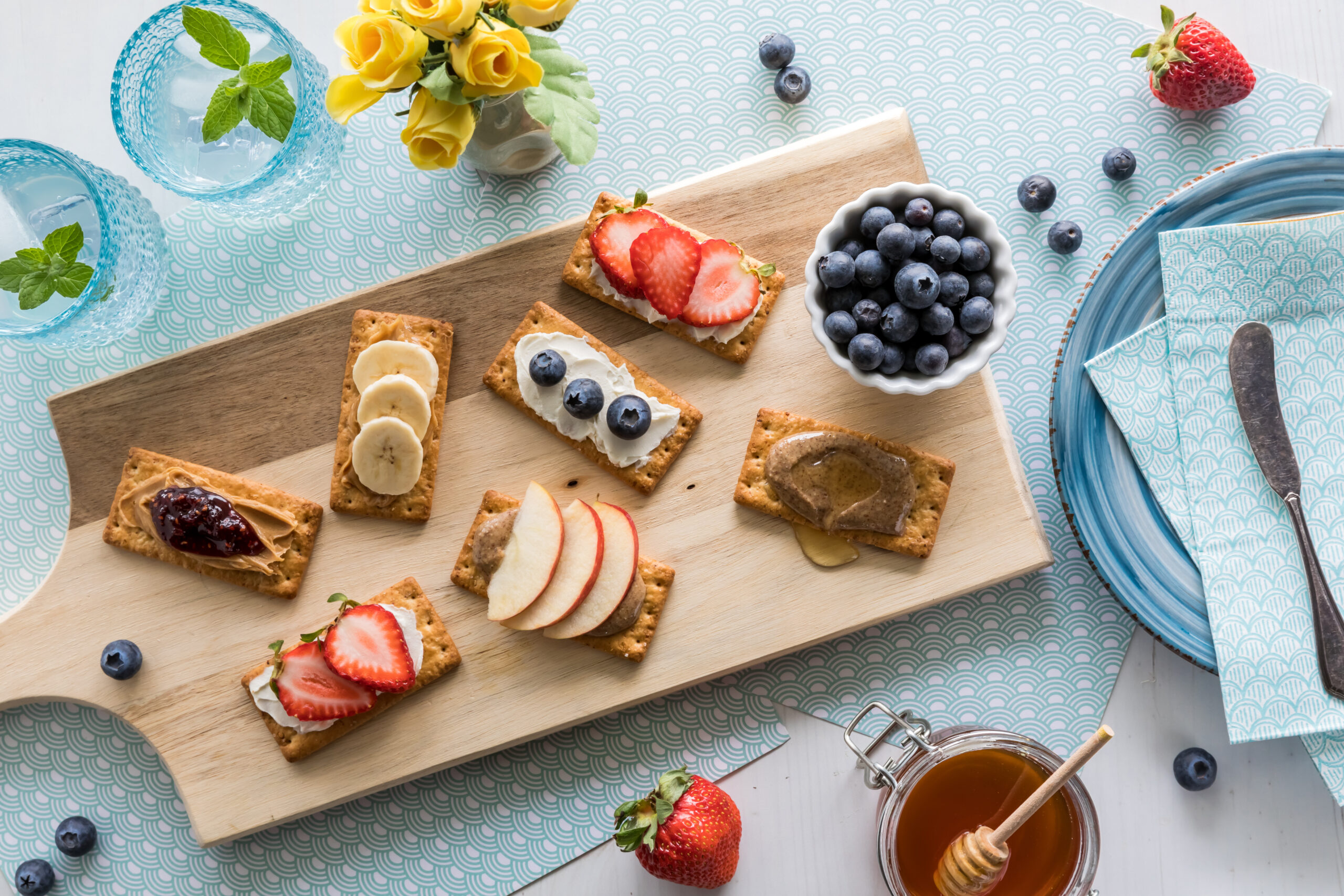
In response to this daily culinary dilemma, pediatric nutritionists, family food bloggers, and busy parents are championing a remarkably simple, zero-cook solution that has taken over modern snack-time culture: customizable graham cracker snack boards. Blending the nostalgic crunch of a pantry staple with nutrient-dense toppings like nut butters, cream cheese, and fresh fruit, these edible canvases provide an ideal balance of protein, healthy fats, and natural carbohydrates. Far from a passing viral trend, the concept represents a growing movement toward empowering children to take charge of their own nutrition through interactive, low-stress food preparation.
The Evolution of the After-School Snack
The history of the after-school snack is rooted in convenience, heavily influenced by the rise of processed convenience foods in the mid-to-late 20th century. For decades, generations of children returned home to a rotation of packaged items: processed cheese crackers, gelatin cups, heavily sweetened fruit punches, and sugary granola bars. While these items offered undeniable convenience for working parents, shifting nutritional guidelines and a broader public health focus on childhood wellness have highlighted the limitations of highly processed, refined-sugar snacks.
In recent years, pediatric dietitians have emphasized the importance of balancing macronutrients—even during snack time. Rather than relying on simple carbohydrates that cause rapid spikes and crashes in blood sugar, health experts advocate for "pairing." Combining a carbohydrate base with a protein or a healthy fat helps stabilize energy levels, sustains satiety until dinner, and promotes cognitive focus during homework hours.
Graham crackers, originally invented in the 19th century by Sylvester Graham as a bland, wholesome dietary aid, have evolved into a subtly sweet, sturdy base. When paired with protein-rich peanut or almond butter, or calcium-rich cream cheese, and topped with potassium-dense bananas, antioxidant-packed berries, or vitamin-rich apples, the humble graham cracker bridges the gap between fun and functional nutrition.
The Anatomy of the DIY Snack Board
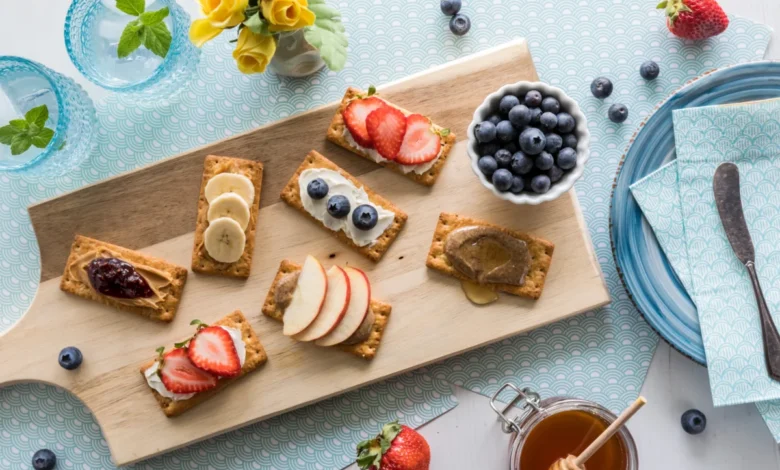
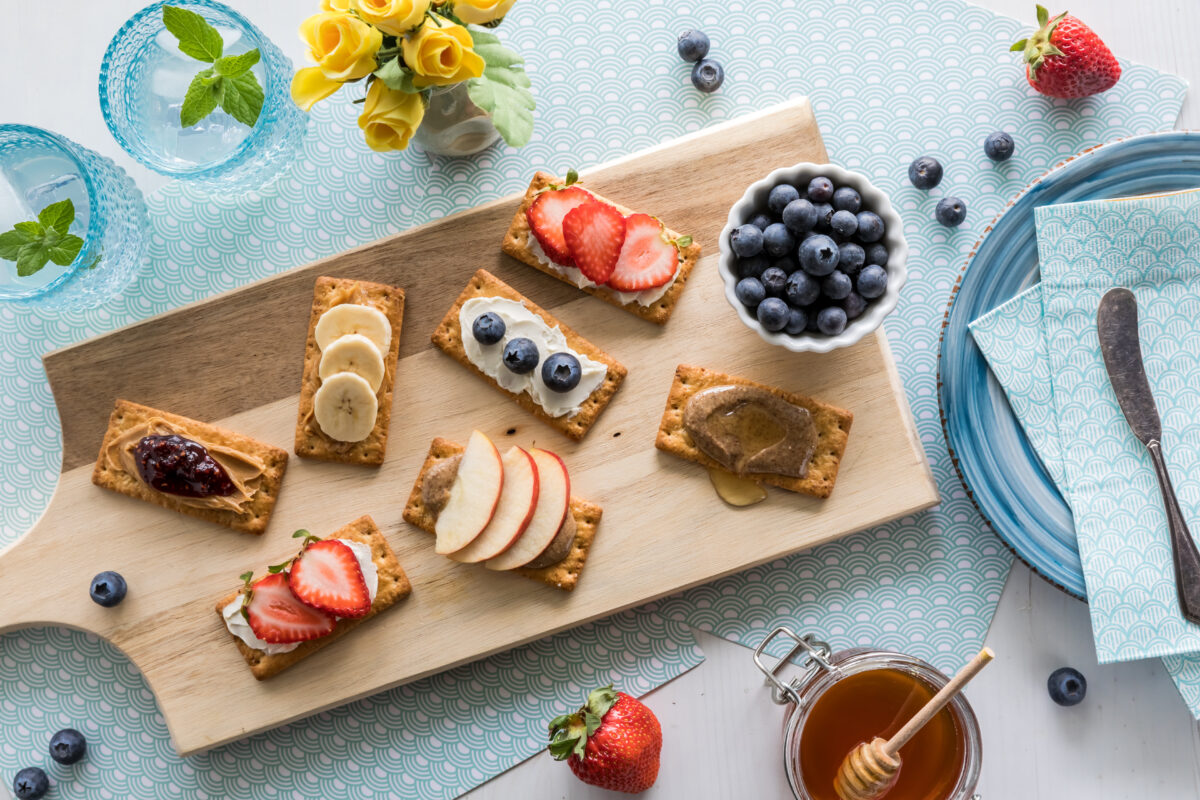
One of the primary drivers behind the popularity of the graham cracker snack board is its inherent flexibility. Rather than dictating a rigid recipe, culinary educators and parents are adopting a "DIY assembly line" format. By setting out a platter of sturdy graham cracker squares alongside small bowls of spreads and sliced fruits, kitchens are transformed into interactive food stations.
According to child development specialists, involving children in the food preparation process—often referred to as "food play" or sensory engagement—significantly increases their willingness to try new foods. When children exercise autonomy over their meals, selecting whether they want almond butter and apple slices or cream cheese and blueberries, they transition from passive consumers to active participants in their dietary habits.
Popular Flavor Profiles and Combinations
While the combinations are virtually limitless, several distinct flavor profiles have emerged as household favorites due to their nutritional balance and universal appeal:
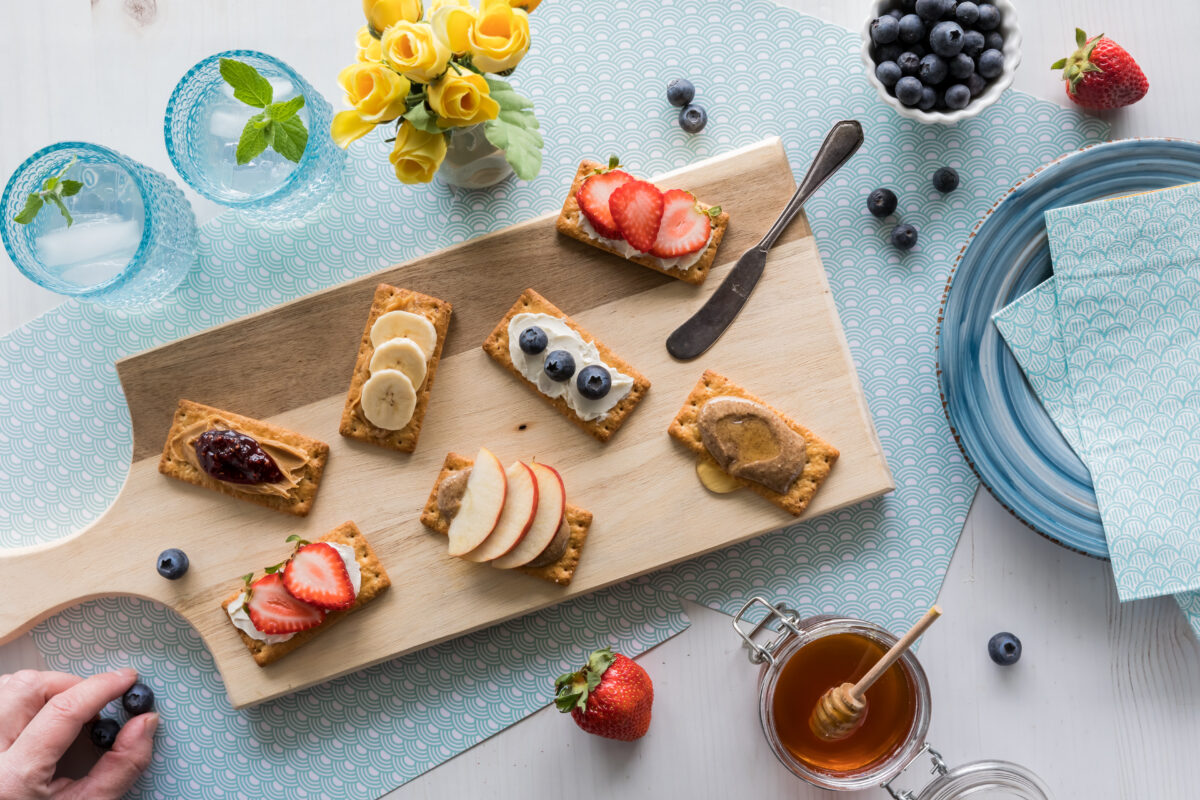
- The Classic Peanut Butter and Banana: Utilizing peanut butter delivers a solid dose of plant-based protein and healthy monounsaturated fats, while sliced bananas provide natural sweetness, dietary fiber, and potassium. Enhancements such as a dusting of cinnamon or a scattering of chia seeds can elevate the nutritional profile even further.
- The Mini PB&J: Mimicking the beloved childhood sandwich on a crunchy platform, this combination pairs peanut butter with a dollop of low-sugar fruit jam or preserves, offering a familiar flavor profile with portion-controlled sweetness.
- Almond Butter and Apple: Thinly sliced crisp apples—such as Honeycrisp, Granny Smith, or Gala—provide an invigorating crunch that pairs seamlessly with creamy almond butter. A light sprinkle of cinnamon ties the flavors together, evoking the taste of apple pie while remaining entirely wholesome.
- Almond Butter and Honey: For children with a pronounced sweet tooth, a modest drizzle of raw honey over almond butter offers a decadent treat that remains far lower in refined sugars than commercial candy bars or pastries.
- Cream Cheese and Fresh Berries: Providing a milder, tangier flavor profile, cream cheese serves as a calcium-rich spread that pairs exceptionally well with fresh blueberries or sliced strawberries. For an elevated flavor experience, a touch of maple syrup can be whisked directly into the cream cheese.
Logistical Benefits for Busy Households
Beyond nutritional value, the logistical appeal of graham cracker snack boards addresses significant pain points for modern families. Afternoon schedules are frequently crowded with extracurricular activities, tutoring sessions, and carpools. Traditional snack preparation often requires cooking, baking, or extensive cleanup—luxury time that many parents simply do not have between the hours of 3:00 PM and 6:00 PM.
The graham cracker snack method requires zero cooking equipment, minimal active preparation time, and utilizes ingredients that most households already keep on hand in their pantries and refrigerators. Furthermore, because the components are served separately on a board or platter, the system accommodates multi-child households with divergent palates or dietary restrictions. If one child has a peanut allergy, sun butter or cream cheese can easily be substituted without compromising the overarching snack format. Cleanup is similarly efficient, requiring little more than washing a few small bowls and wiping down a cutting board.
Expert Culinary Tips for Optimal Results
While the concept is straightforward, culinary experts and food stylists emphasize a few foundational techniques to ensure the best possible experience:
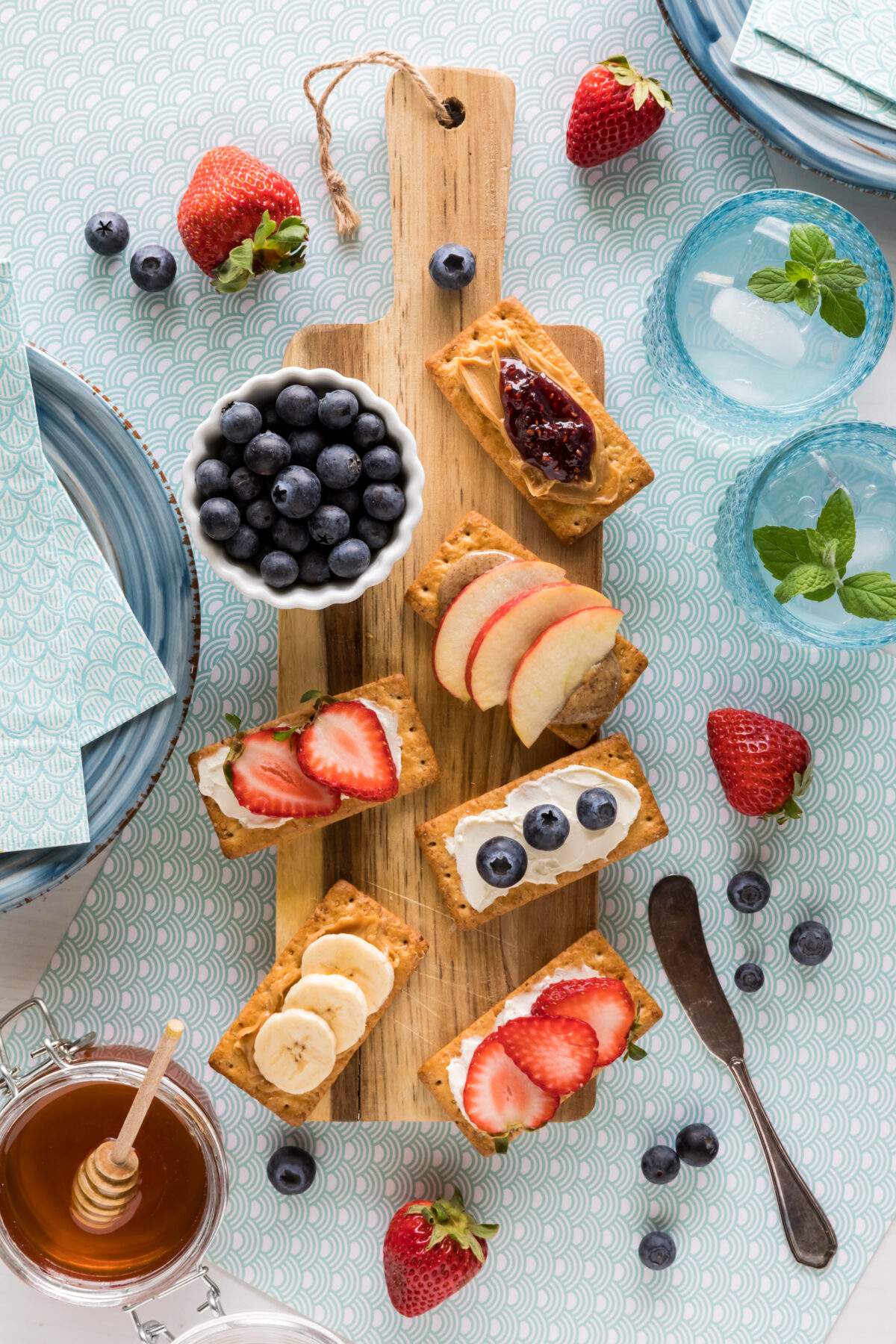
- Select Sturdy Bases: Standard whole graham cracker sheets broken cleanly into squares offer significantly better structural integrity than thin, overly brittle alternatives, preventing the base from collapsing under the weight of spreads.
- Slice Uniformly: Fruits should be sliced thinly. Thin banana rounds and paper-thin apple slices are not only easier to balance on a small cracker surface, but they are also safer and easier for younger children to bite through.
- Manage Moisture: Freshly washed berries should be thoroughly patted dry with a paper towel before being placed on cream cheese or nut butter spreads. Excess moisture can quickly make the graham crackers soggy, altering the desired textural contrast.
- Temperature Control: Softening cream cheese at room temperature for ten to fifteen minutes prior to assembly prevents the spread from tearing the graham crackers during application.
- Timely Assembly: Because the moisture from fruits and spreads will eventually soften the crackers, these snacks are best assembled immediately before consumption rather than pre-made hours in advance.
Broader Implications and Future Trends
The widespread adoption of interactive, assembly-based snacks reflects a broader cultural shift in how families approach mealtime. As rates of childhood obesity and diet-related health concerns remain a prominent focus for public health officials, the culinary world is increasingly moving away from restrictive diets and toward positive, inclusive approaches to eating.
By framing wholesome foods—such as whole grains, fresh produce, and natural nut butters—as fun, creative, and customizable, parents are laying the groundwork for sustainable, lifelong healthy eating habits. The graham cracker snack board demonstrates that nourishing children does not require complex culinary skills or expensive specialty ingredients; rather, it requires a thoughtful reimagining of everyday pantry staples, turning the simple act of snacking into an engaging, nutritious, and stress-free daily ritual.
Related posts: