Transforming Educational Landscapes: Essential Mindset Shifts for Inclusive Classrooms

The modern educational landscape is undergoing a significant paradigm shift as school districts across the globe transition from traditional, standardized models of instruction toward inclusive, student-centered frameworks. As diversity in the classroom continues to expand, educators are increasingly tasked with reconciling standardized curriculum requirements with the unique cognitive, social, and emotional needs of every student. According to recent data from the National Center for Education Statistics (NCES), the number of students receiving special education services has climbed steadily over the last decade, now accounting for approximately 15% of total public school enrollment. This demographic evolution necessitates a fundamental rethinking of how teachers approach classroom management, instructional design, and student assessment.
The Evolution of Inclusion in Contemporary Schools
Inclusion is no longer merely a legal requirement under the Individuals with Disabilities Education Act (IDEA); it has become a pedagogical necessity. Historically, the "deficit model" dominated special education, where the focus remained on a student’s lack of ability or failure to meet developmental benchmarks. Today, experts in the field of inclusive education, such as Jenna Rufo and Julie Causton, argue that the most significant barrier to student success is not the student’s disability, but the systemic assumptions made by educators.
The movement toward strength-based instruction gained momentum in the early 2010s as longitudinal studies began to suggest that students placed in general education settings with appropriate support demonstrated higher literacy rates and better social outcomes than their peers in segregated environments. This shift has forced school administrators to reevaluate teacher training programs, moving away from rigid, compliance-based protocols toward a more flexible, evidence-based approach that prioritizes student agency.
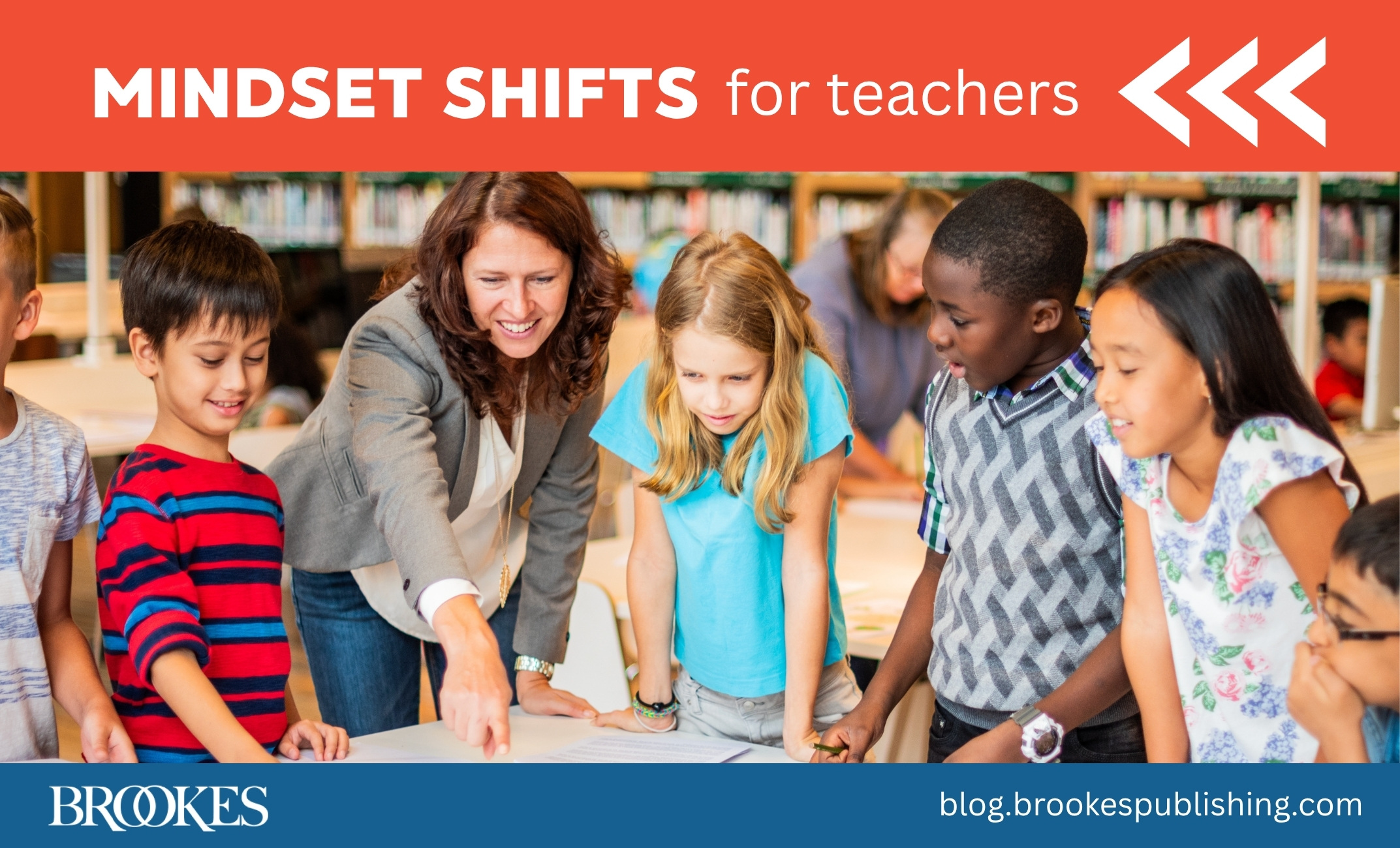
Presuming Competence as a Foundational Pillar
At the core of inclusive teaching is the concept of "the least dangerous assumption." This principle, widely championed by researchers in the field of neurodiversity, mandates that educators must presume a student’s competence, even when observable evidence is ambiguous. When an educator assumes a student is incapable of understanding complex material, they inadvertently lower the rigor of instruction, creating a self-fulfilling prophecy of academic underachievement.
Research indicates that students who are provided with high-level, cognitively stimulating content—regardless of their communication method or physical movement—demonstrate significant growth in adaptive functioning. By dismantling the "deficit lens"—the habit of describing a student by what they cannot do—teachers can focus on what a student needs to thrive. For instance, replacing the label "non-reader" with "student who requires systematic phonics intervention and assistive technology" changes the trajectory of the teacher’s interaction from one of frustration to one of strategic support.
Variability and the Shift Toward Universal Design
Traditional learning goals often act as barriers to access. When an educator requires a student to demonstrate mastery of a science concept exclusively through a written report, they are testing the student’s writing proficiency rather than their grasp of scientific principles. The integration of Universal Design for Learning (UDL) into classrooms has provided a framework to address this.
Data from the Center for Applied Special Technology (CAST) suggests that when students are provided with "multiple means of representation, engagement, and action," participation levels increase by as much as 40%. Flexible goals—such as allowing a student to produce a digital model, a verbal presentation, or a poster to explain the rotational relationships of celestial bodies—ensure that the learning objective remains rigorous while the output remains accessible. This variability perspective acknowledges that every student processes information differently, and that intelligence is not synonymous with traditional written output.

Navigating Behavioral Challenges: Can’t vs. Won’t
A critical juncture in classroom management involves distinguishing between willful defiance and physiological responses to stress. Educators are frequently trained to interpret disruptive behavior as a choice, leading to the application of punitive consequences. However, neurobiological research into trauma-informed pedagogy suggests that many "won’t" behaviors are actually "can’t" behaviors.
When a student’s nervous system enters a fight, flight, or freeze state—often referred to as a "downstairs brain" reaction—their capacity for logic and impulse control is significantly compromised. In these instances, traditional incentives and punishments are not only ineffective but can exacerbate the trauma. Experts like Jen Alexander, a consultant in trauma-sensitive education, emphasize that the focus must shift toward regulation and safety. When a student is dysregulated, the priority must be the restoration of a calm environment rather than the imposition of disciplinary measures.
The Role of Connection and Special Interests
The common labeling of students as "attention-seeking" is a narrative that many educational psychologists are now challenging. From a developmental perspective, the pursuit of connection is a sign of social health. When a student seeks assistance, they are identifying a need for support; labeling this behavior as negative creates a culture of isolation.
Furthermore, leveraging a student’s special interests—often seen as a distraction—has proven to be a highly effective instructional tool. Whether it is a fascination with transportation systems, pop culture, or historical events, these interests serve as a bridge to standard curriculum requirements. By integrating these passions into lesson plans, educators foster higher engagement levels. For example, using a student’s interest in trains to teach mathematics or narrative writing allows the teacher to honor the student’s cognitive preferences while meeting state learning standards.

The Human Element: Empathy in Pedagogy
The most effective pedagogical tools are often rooted in empathy. Educators who view their students through the lens of a parent or a guardian are statistically more likely to utilize restorative practices over punitive ones. This "humanity-first" approach is not a rejection of professional standards, but an elevation of them. It acknowledges that every child in a classroom is the subject of someone’s deepest care, and treating them with that same level of dignity transforms the classroom climate.
Broader Implications and Future Outlook
The implications of these mindset shifts are far-reaching. As schools continue to face teacher burnout, a shift toward these inclusive, supportive practices can lead to increased professional satisfaction. When teachers stop viewing behavior as a personal challenge to their authority and instead view it as a communication of need, the adversarial nature of the student-teacher relationship diminishes.
Looking ahead, the integration of these strategies into K-12 education remains a primary goal for school boards and educational policy advisors. With increasing access to assistive technology, such as AAC (Augmentative and Alternative Communication) devices, the ability to include students with complex communication needs is more feasible than ever before. However, the technology itself is insufficient without the accompanying pedagogical shift.
The transition to an inclusive mindset is a long-term process, one that requires consistent professional development and institutional support. As the evidence base grows, it becomes increasingly clear that the most successful classrooms are those that abandon the concept of the "average" student. Instead, they embrace a model of instruction that celebrates variability, presumes competence, and centers human connection as the primary driver of academic success. By continuing to refine these practices, educators can ensure that the next generation of learners is provided with an environment that is not only accessible but equitable, fostering a culture of belonging for every child, regardless of their starting point.
Related posts: