Healthy Turkey Chili: A Nutrient-Dense Alternative for Modern Dietary Standards

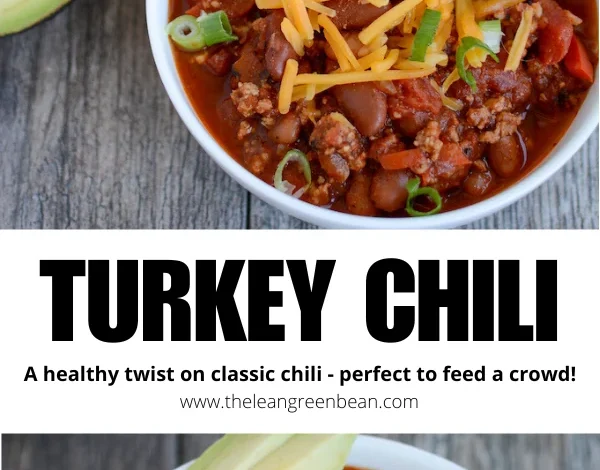
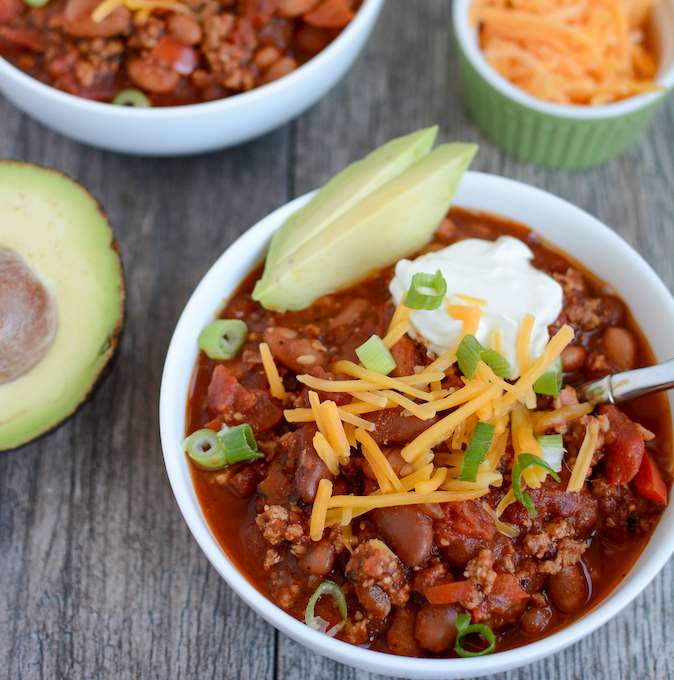
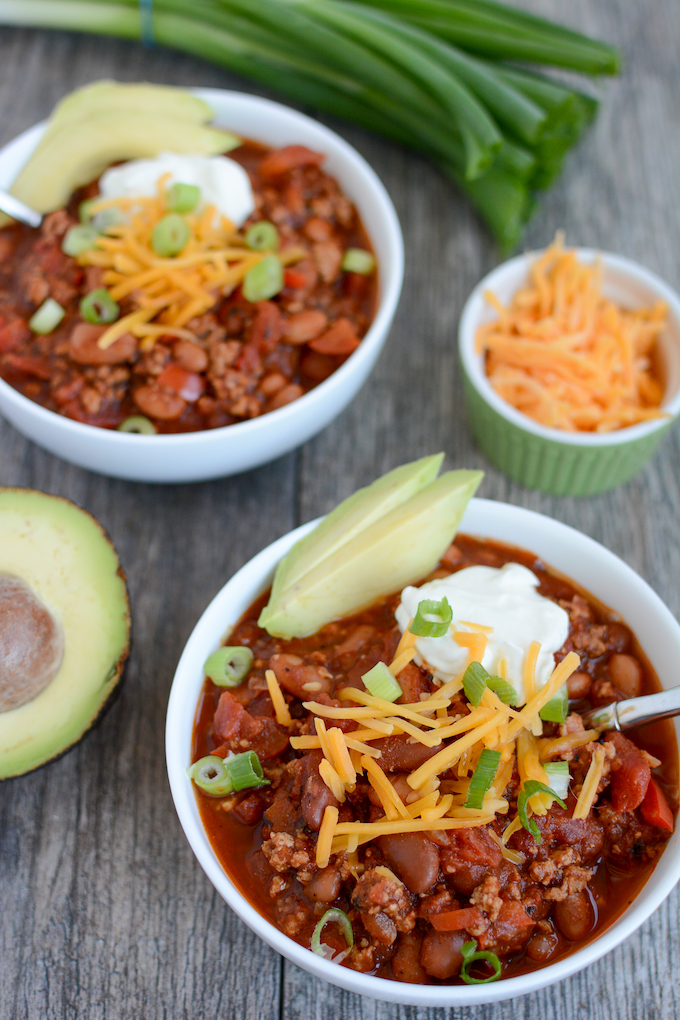
The culinary landscape has undergone a significant shift in recent years, with home cooks and professional chefs alike increasingly seeking methods to reduce saturated fat intake without compromising the sensory experience of traditional comfort foods. Among these adaptations, the transition from ground beef to ground turkey in classic American chili stands out as a primary example of how nutritional science can be integrated into traditional meal preparation. By substituting lean poultry for higher-fat red meats, home cooks can maintain the high protein content—approximately 25 grams per serving—required for muscle maintenance and satiety while significantly lowering the overall caloric and fat profile of a meal.
Nutritional Profile and Comparative Analysis
The nutritional shift toward leaner protein sources is supported by data from the United States Department of Agriculture (USDA), which notes that while ground beef remains a staple in American households, its saturated fat content can contribute to elevated cardiovascular risks when consumed in excess. Ground turkey, specifically a 93/7 blend (93% lean, 7% fat), offers a nearly identical protein count to its beef counterpart.
From a biochemical perspective, the replacement of red meat with lean turkey reduces the intake of long-chain saturated fatty acids. When seasoned correctly, the lean profile of the turkey does not diminish the dish’s flavor; instead, the neutral flavor profile of the bird allows for the deeper integration of cumin, chili powder, and smoked paprika. For individuals monitoring their lipid profiles or those following heart-healthy dietary guidelines, this substitution represents a straightforward, evidence-based approach to modifying traditional recipes.
Evolution of Chili Preparation Methods
The preparation of chili has historically been a labor-intensive, stovetop-focused endeavor. However, the integration of modern kitchen technology has drastically altered the timeline for meal preparation. Traditionally, a deep-flavored chili requires several hours of simmering to allow the proteins to break down and the spices to permeate the bean and tomato base.
With the advent of the Instant Pot (pressure cooking) and programmable slow cookers, the timeline for creating a complex, well-developed flavor profile has been reduced from four to six hours of monitoring to approximately 15 to 20 minutes of active pressure cooking. This technological shift is particularly impactful for working families, allowing for the creation of nutrient-dense meals that were previously reserved for weekend afternoons.
Technical Guidelines for Optimal Texture and Flavor
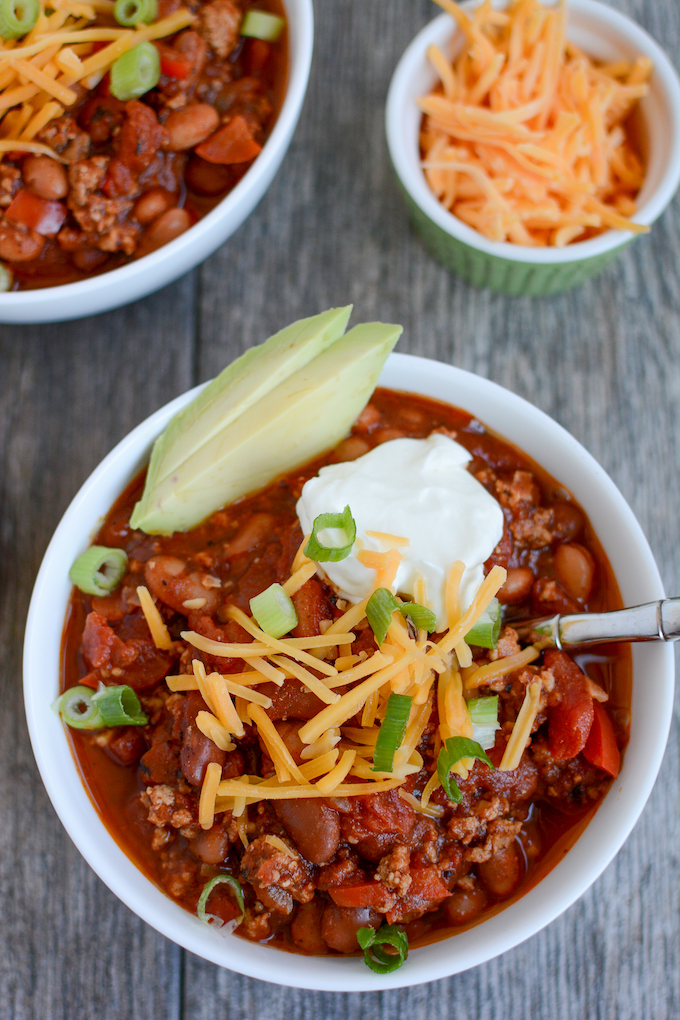
Despite the benefits of using lean turkey, the lack of fat can present challenges regarding texture. In culinary practice, fat serves as a flavor carrier and a moisture-retention agent. Without the rendered fat found in ground beef, turkey chili is susceptible to becoming dry or "bland" if improperly prepared.
Professional culinary techniques suggest several interventions to mitigate these issues:
- Fat-to-Lean Ratios: Utilizing a 93/7 blend rather than a 99/1 blend ensures a baseline of moisture.
- Deglazing Procedures: When using high-heat methods like the Instant Pot, the "deglazing" step—adding a small amount of broth to scrape browned bits (fond) from the bottom of the pot—is critical. This process incorporates complex flavors into the base that would otherwise be lost.
- Staggered Ingredient Addition: Adding beans—particularly softer varieties like pinto beans—at the conclusion of the cooking process prevents them from disintegrating into a mushy consistency, maintaining the structural integrity of the dish.
Storage, Safety, and Food Security
The viability of chili as a "freezer-friendly" staple is a factor that enhances its utility in modern meal planning. The high acidity of the tomato base acts as a natural preservative during the cooling process. Food safety experts recommend that chili be cooled rapidly to prevent bacterial growth. Using shallow, airtight containers or specialized silicone freezing systems, such as partitioned freezer blocks, allows for uniform cooling and subsequent thawing.
Once properly stored, the chili remains safe for consumption for up to four days in a standard refrigerator or up to four months in a freezer. This long-term storage potential contributes to household food security, providing a ready-to-eat, high-protein meal that can be accessed during busy periods, thereby reducing the reliance on processed, high-sodium convenience foods.
Economic and Dietary Implications
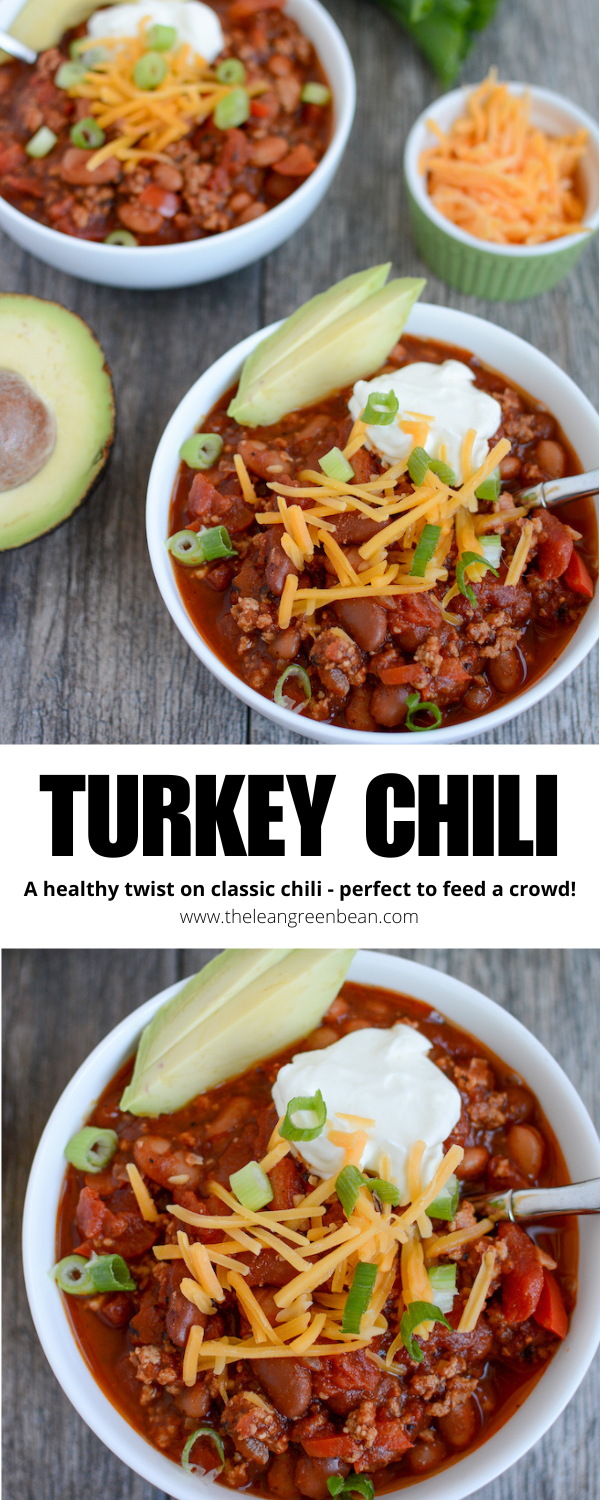
The shift toward turkey-based chili has broader implications for household budgeting and dietary health. Ground turkey is frequently priced competitively against ground beef, and when paired with shelf-stable pantry staples like kidney beans, pinto beans, and canned tomatoes, it represents a cost-effective strategy for high-quality nutrition.
From an epidemiological standpoint, the increased consumption of legumes—the beans found in traditional chili—is strongly correlated with improved digestive health and blood sugar regulation. The combination of the high fiber content of the beans and the lean protein of the turkey creates a glycemic response that is significantly more stable than that of high-carbohydrate, low-protein meals.
Professional Perspectives on Culinary Adaptation
Registered dietitians often highlight the importance of "crowding out" less healthy ingredients with more nutrient-dense alternatives. By keeping the familiar "chili" format—the spice blend, the texture, and the presentation—the transition to a healthier version of the meal is psychologically easier for consumers to maintain long-term.
The "Healthy Turkey Chili" movement is not merely a recipe trend; it is part of a larger, systemic shift in consumer behavior. As more individuals move toward diets that prioritize heart health and energy efficiency, the methods for adapting classic, comfort-based meals will continue to evolve. This evolution is facilitated by the availability of detailed, technique-focused information that empowers home cooks to achieve professional-level results in their own kitchens.
Conclusion
The adoption of lean ground turkey as the base for chili represents a successful intersection of culinary tradition and modern health standards. By utilizing proper techniques—such as appropriate fat content selection, effective deglazing, and strategic ingredient layering—the dish remains a cornerstone of nutritious home cooking. Whether prepared on the stovetop, in a slow cooker, or via pressure cooking, the flexibility of this dish serves as a testament to the adaptability of classic recipes in a health-conscious, time-constrained society. As long as the integrity of the spices and the foundation of the beans are preserved, the transition from beef to turkey offers a sustainable, heart-healthy path forward for those seeking to balance the comfort of traditional recipes with the requirements of a modern, health-focused lifestyle.
Related posts: