Mastering the Strawberry Cherry Galette: A Comprehensive Guide to Rustic Summer Baking

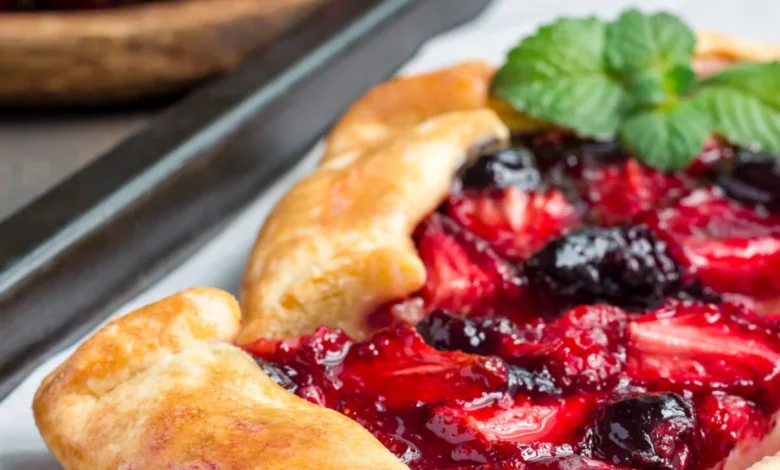
The culinary world has long celebrated the French galette as the ultimate intersection of elegance and simplicity, with the strawberry cherry variety emerging as a definitive seasonal favorite for home bakers and professional pastry chefs alike. Unlike traditional double-crust pies that demand meticulous rolling, precise pan-fitting, and elaborate crimping techniques, the galette relies on a free-form design that embraces minor imperfections. As local farmers’ markets overflow with stone fruits and early summer berries during peak agricultural cycles, culinary experts note a significant surge in demand for approachable, scratch-made desserts that highlight seasonal ingredients without requiring advanced technical skills.
The History and Evolution of the Free-Form Pastry
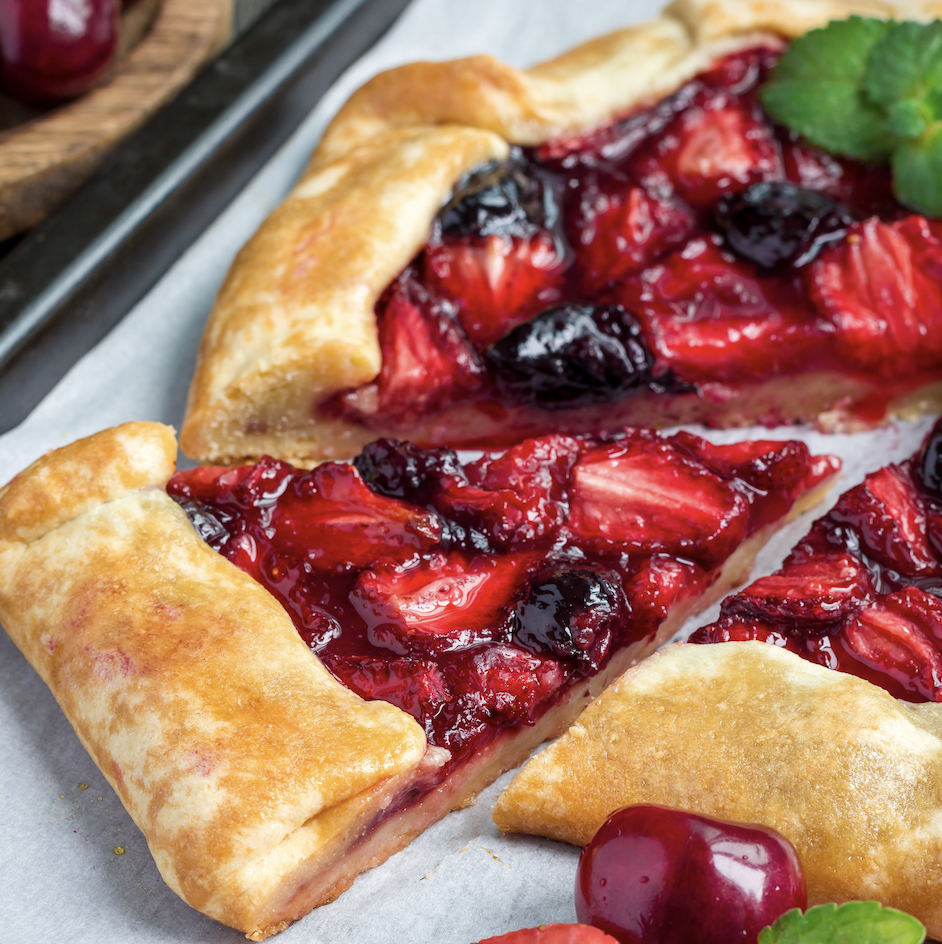
The word galette originates from the old Norman word "galee," meaning a flat cake, and has centuries-old roots in French culinary tradition. Historically, rural French households utilized leftover bread dough or basic pastry scraps, rolling them flat and piling them high with whatever orchard fruits or foraged berries were locally available at the time. Folded casually at the edges and baked on flat hearth stones or primitive baking sheets, these early iterations were designed for maximum efficiency and flavor rather than aesthetic perfection.
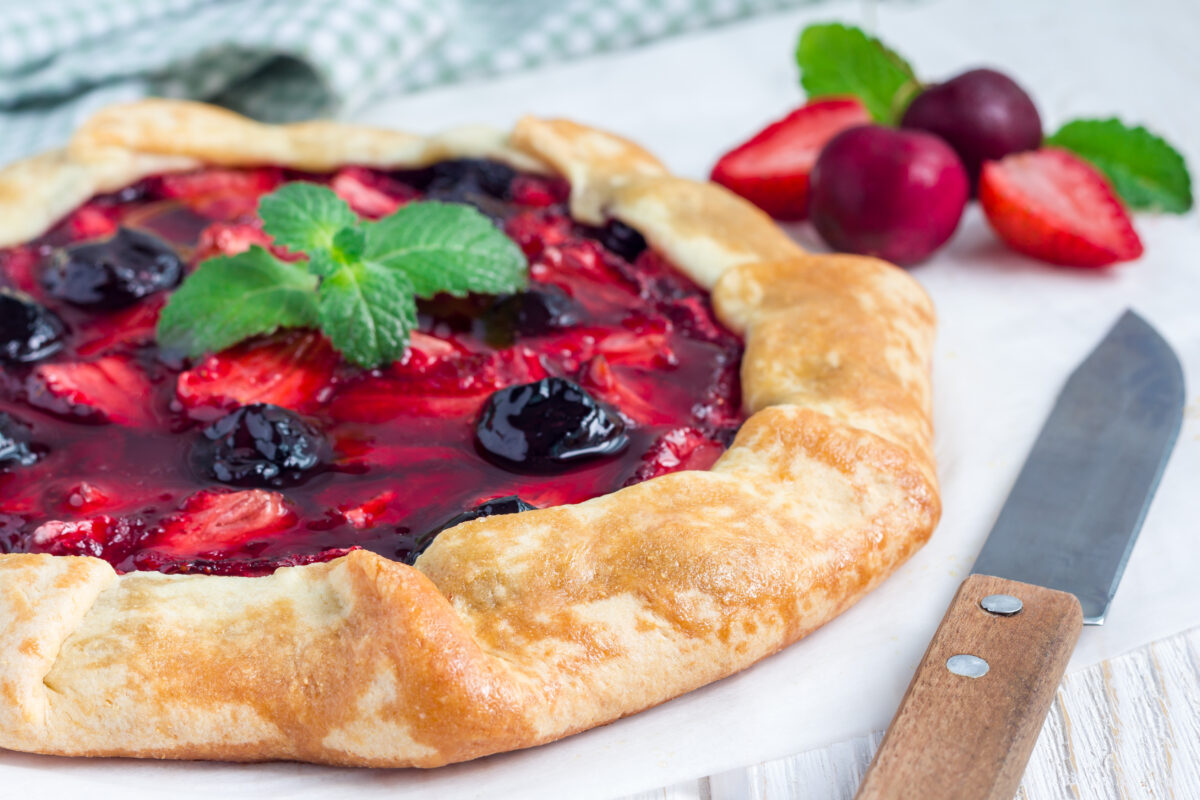
Over generations, the pastry evolved from a peasant staple into a celebrated staple of French bistros and home kitchens worldwide. The modern galette features a flaky, butter-based shortcrust pastry—technically known as pâte brisée—that achieves a delicate balance between crispness and tenderness. By leaving the center of the pastry open to the elements, baking physics take over: moisture from the fruit evaporates efficiently during the baking process, allowing natural sugars to caramelize and concentrate into a thick, jammy compote while the exposed edges turn a rich golden-brown.
Nutritional Profile and Culinary Science of Summer Berries
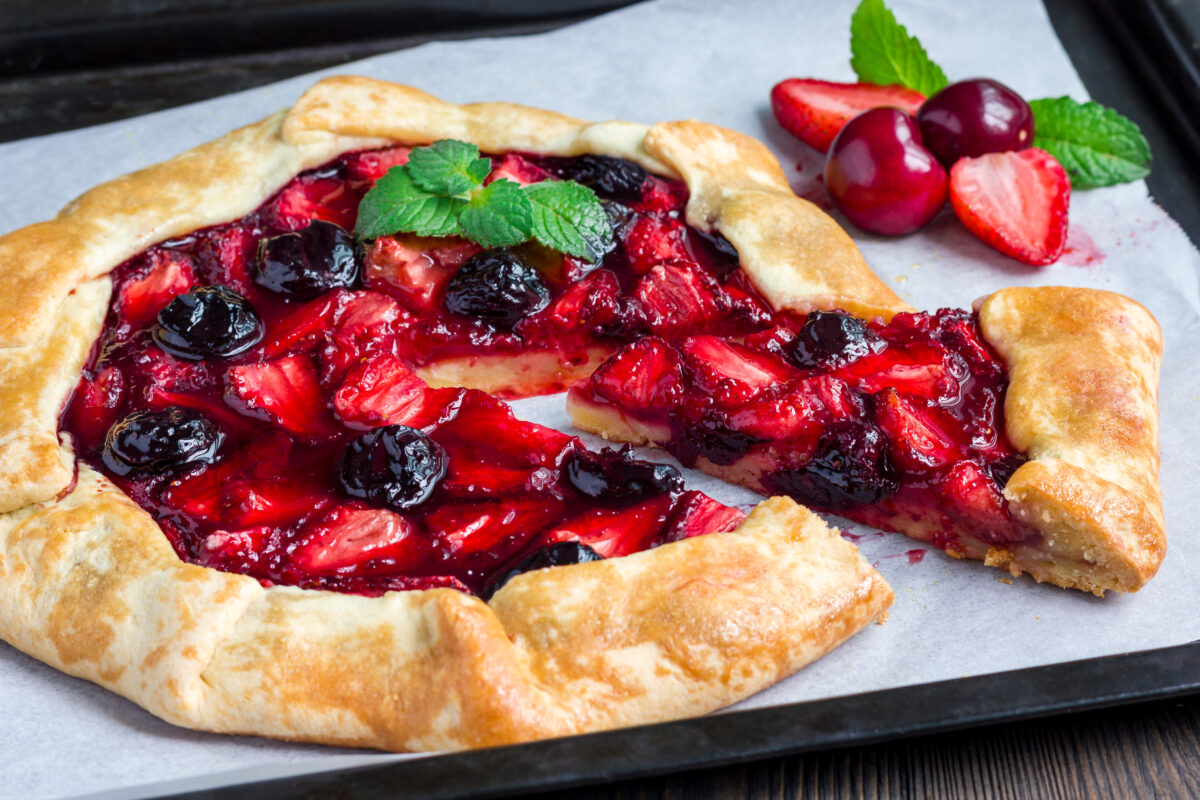
From a nutritional perspective, combining strawberries and cherries creates a powerful matrix of vitamins, antioxidants, and dietary fiber. Strawberries are exceptionally rich in vitamin C, manganese, and folate, while sweet and tart cherries provide high concentrations of anthocyanins—potent flavonoid compounds known for their anti-inflammatory properties. Food scientists point out that pairing these two fruits creates a harmonious flavor profile where the bright, high-acid profile of cherries balances the mellow sweetness of strawberries.
Achieving the ideal structural integrity in a fruit galette requires careful management of moisture content, a common challenge in baking with juicy summer produce. Professional pastry chefs emphasize the critical role of starch thickeners, such as cornstarch or tapioca, which
gelatinize when exposed to oven heat and trap excess liquid released by the fruit. Furthermore, culinary technicians recommend incorporating a moisture barrier—such as a light dusting of almond flour, finely ground breadcrumbs, or crushed graham crackers—directly onto the unbaked pastry dough before adding the fruit filling. This technique prevents the bottom crust from becoming waterlogged during the 40-minute baking window, ensuring a structural crunch in every bite.
Step-by-Step Methodology and Professional Baking Protocols
Successful execution of a strawberry cherry galette relies heavily on temperature control, specifically regarding the butter used in the pastry dough. Culinary instructors consistently advise utilizing thoroughly chilled butter cut into small cubes; as the galette bakes in a preheated oven, water within the butter turns to steam, creating delicate, flaky pockets throughout the crust. If the ambient kitchen temperature causes the butter to soften prematurely during assembly, bakers are advised to return the unbaked pastry to a refrigerator for 10 to 15 minutes to firm up.
The standard preparation timeline for a homemade strawberry cherry galette spans approximately one hour and twenty-five minutes, which includes twenty-five minutes of active preparation, forty minutes of baking time, and twenty minutes of cooling to allow the juices to set.
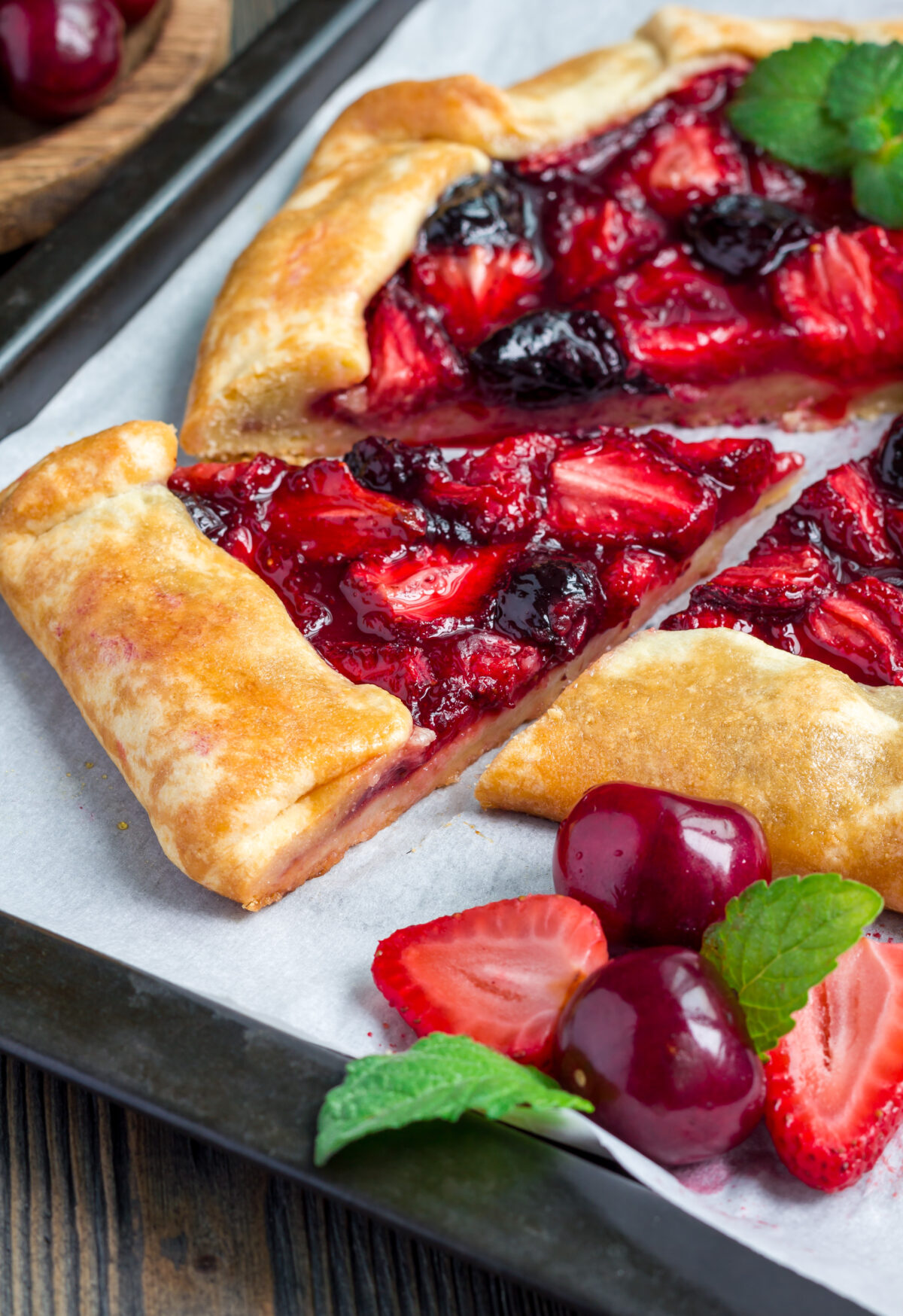
- Dough Preparation: Whisk all-purpose flour, a touch of sugar, and a pinch of salt. Cut in cold unsalted butter until the mixture resembles coarse meal. Gradually incorporate ice water, mixing just until the dough coheres to avoid developing excess gluten, which can toughen the crust. Wrap tightly and refrigerate.
- Fruit Formulation: Pit fresh sweet and tart cherries and hull fresh strawberries. Toss the fruit gently with granulated sugar, lemon zest, a splash of lemon juice, pure vanilla extract, and cornstarch. Avoid prematurely mixing sugar and fruit hours in advance to prevent excessive osmotic water loss.
- Assembly: Roll the chilled dough on a parchment-lined baking sheet into a rough 12-inch circle. Apply the optional almond flour barrier in the center, leaving a clear two-inch border around the perimeter. Arrange the fruit mixture neatly inside the center circle using a slotted spoon to drain off superfluous liquid.
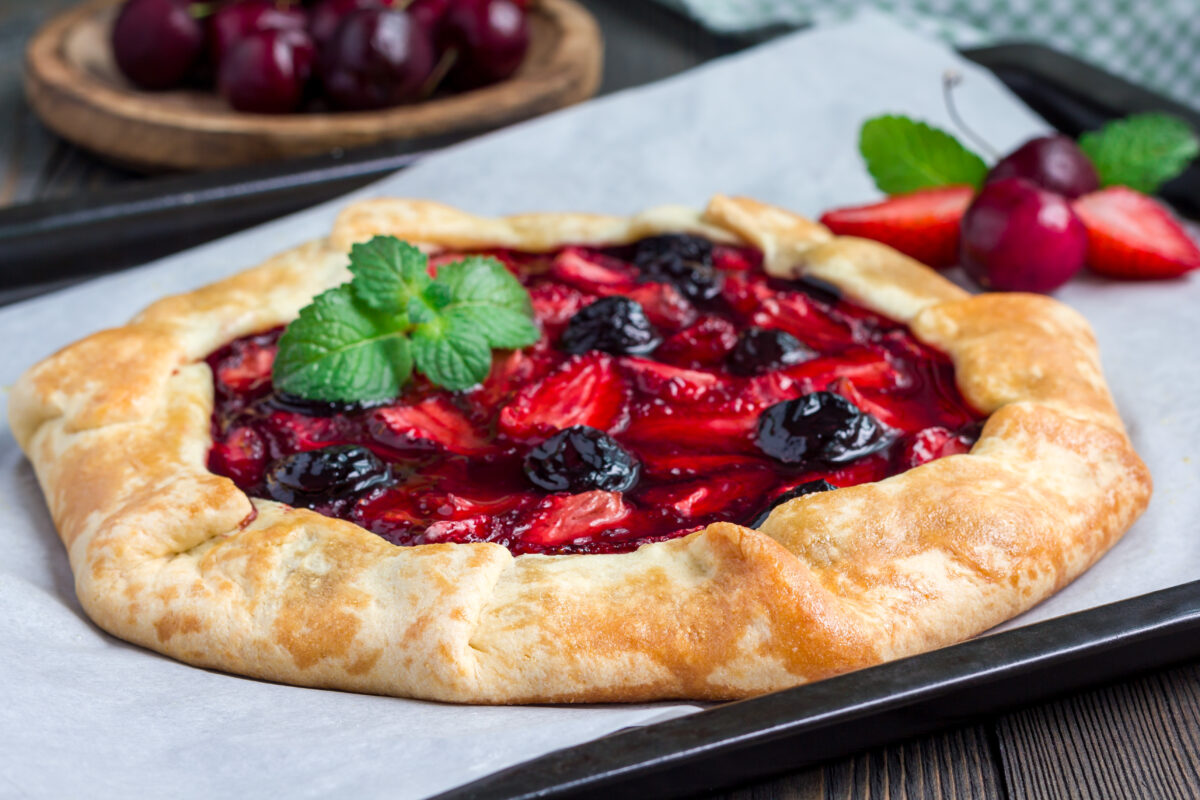
- Folding and Baking: Fold the exposed two-inch border of dough up and over the outer edges of the fruit filling, pleating gently as you work around the circumference. Brush the pastry with an egg wash or milk and sprinkle with coarse sugar for added texture. Bake in the lower third of an oven preheated to standard baking temperatures until the crust is deeply golden and the fruit juices bubble vigorously.
Storage, Preservation, and Make-Ahead Strategies
For modern consumers balancing busy lifestyles with a desire for home-baked goods, the strawberry cherry galette offers exceptional flexibility. Unbaked pastry dough can be prepared up to three days in advance and stored securely in the refrigerator, or frozen for up to three months. Similarly, fresh fruit can be washed, pitted, and sliced a day prior to assembly, provided it is kept separate from sugar and moisture-releasing agents until final preparation.
Once baked, the galette can be stored loosely covered at room temperature for up to twenty-four hours, or transferred to an airtight container and refrigerated for up to four days. Food safety specialists recommend reheating leftover slices in a conventional or toaster oven at 325 degrees Fahrenheit for five to ten minutes to restore the crispness of the butter crust, as refrigeration naturally softens pastry textures. Freezing a fully baked and cooled galette is also feasible for up to three months when wrapped tightly in plastic wrap and heavy-duty aluminum foil; overnight thawing in the refrigerator followed by a brief oven rejuvenation ensures optimal sensory quality upon serving.
Market Implications and Consumer Trends
The rising popularity of rustic tarts and galettes reflects a broader consumer shift toward comforting, authentic culinary experiences that emphasize simplicity and wholesomeness over hyper-processed convenience foods. Industry analysts tracking home-baking trends observe that recipes requiring minimal specialized equipment—such as mandolines, intricate pastry rings, or specialized pans—consistently achieve higher engagement rates among both novice and experienced home cooks. By democratizing the art of pastry-making through forgiving, free-form techniques, the strawberry cherry galette remains a cornerstone of summer entertaining, utilizing seasonal agriculture to deliver a sophisticated yet accessible dessert experience.