The Best 2026 Gifts for Kids of All Ages That Are Not Just Toys

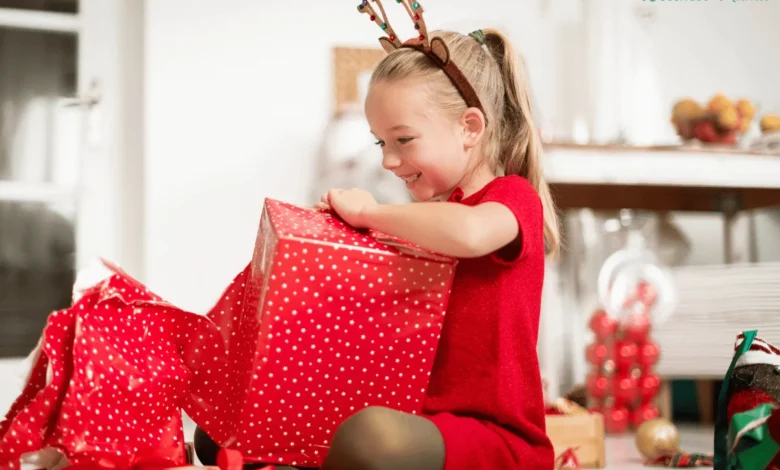
The holiday season remains the most significant retail period of the year, with recent market data from the National Retail Federation indicating that consumer spending on holiday gifts continues to climb annually. However, a growing segment of households is shifting away from traditional high-volume consumption, favoring durable, sustainable, and experiential gifts. This trend reflects a broader societal movement toward "minimalist parenting," which prioritizes quality and utility over the accumulation of plastic-based goods that often contribute to household clutter and environmental waste.
The Evolution of Holiday Consumption Trends
Historically, the Christmas season has been synonymous with the rapid acquisition of toys and electronic devices. Data from the Toy Association reveals that the global toy market is valued at over $100 billion, yet there is a documented rise in consumer fatigue regarding short-lived novelty items. Behavioral psychologists suggest that children derive greater developmental benefits from open-ended play equipment—such as balance boards, art supplies, and outdoor structural tools—than from rigid, single-use entertainment systems.
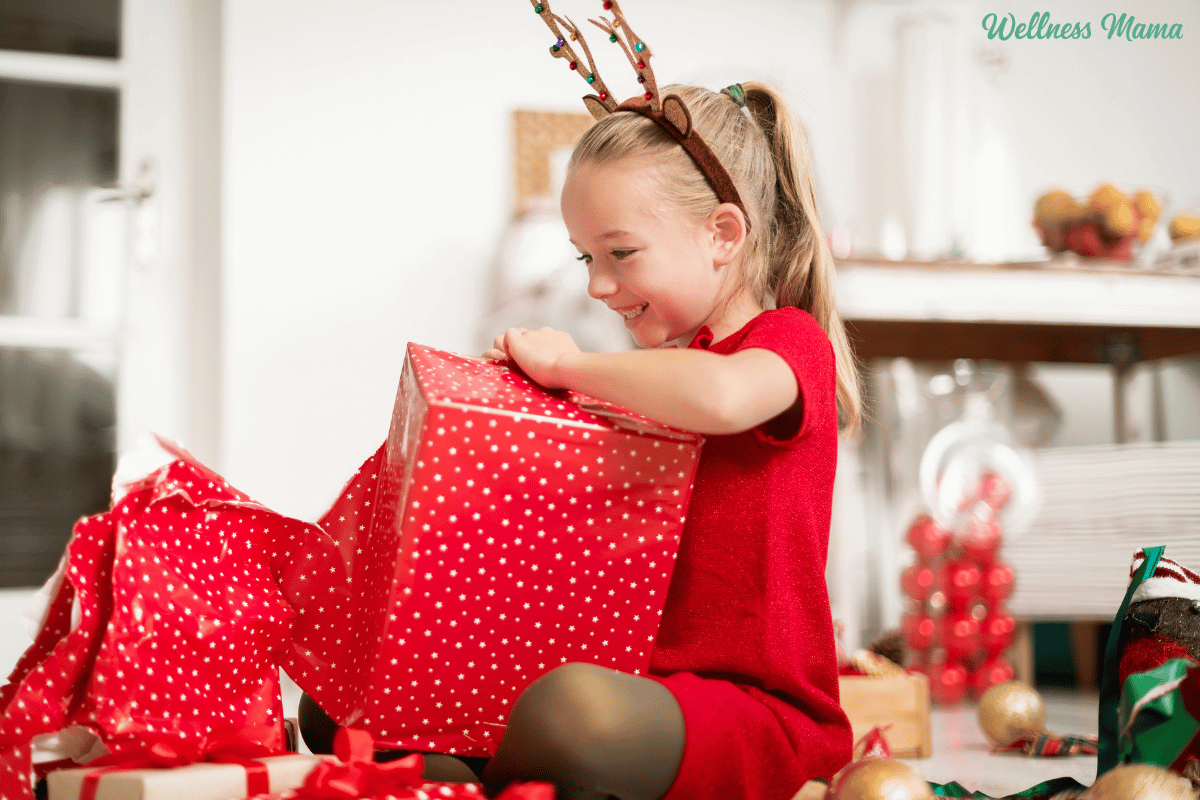
This shift is not merely aesthetic; it is an economic and ecological adjustment. Families are increasingly opting for "investment pieces" that serve multiple developmental stages. By selecting items made from natural materials like wood, wool, and cotton, parents are aligning their gifting habits with broader climate-conscious goals. Furthermore, the emphasis has moved toward "service-based" gifting, where the value is derived from family interaction rather than the item’s retail price.
Chronology of the Shift Toward Experiential Gifting
The trajectory toward non-toy gifting began to accelerate significantly in the early 2020s. The timeline of this transition highlights key drivers:
- 2019–2020: Supply chain disruptions and lockdowns forced families to rethink home environments. The demand for "backyard infrastructure"—such as climbing frames, gardening kits, and outdoor exploration tools—surged by over 40% as families sought to mitigate the impact of restricted public activity.
- 2021–2022: A heightened focus on supply chain ethics and sustainability led to a surge in interest for artisan-made and locally sourced products.
- 2023–2024: The "experience economy" began to dominate the holiday conversation. Gift-giving evolved to include subscription services, skill-based classes (such as culinary instruction), and time-based commitments, such as organized family game nights or dedicated educational excursions.
- 2025–2026: The current trend sees a synthesis of the two: high-quality, long-lasting physical goods paired with intangible experiences that foster familial connection.
Data-Driven Impact on Child Development
Academic research supports the anecdotal findings that non-traditional gifts yield higher returns on child engagement. According to a study published in the Journal of Early Childhood Research, children who utilize open-ended materials show a 25% increase in creative problem-solving capabilities compared to those primarily exposed to highly structured, battery-operated toys.
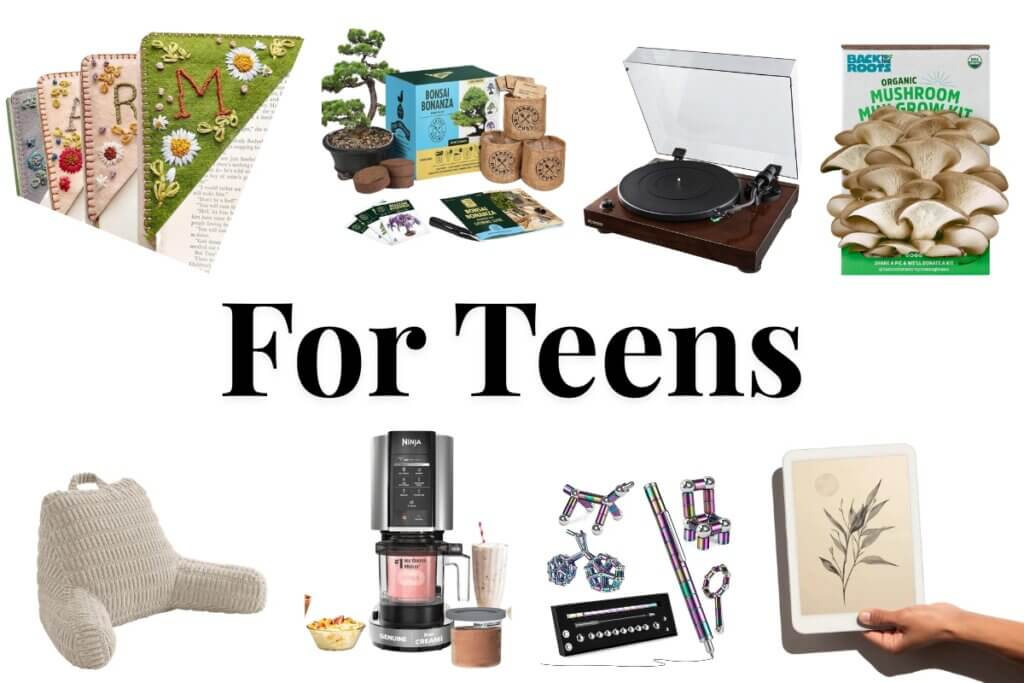
For teenagers and adolescents, the challenge remains the encroachment of digital screen time. Industry analysts have noted that the most successful gifts for this demographic in 2026 are those that encourage movement or artistic expression. Instruments, athletic gear, and DIY project kits are currently seeing a resurgence in popularity, as these items offer a tangible output that digital media cannot replicate.
Categorical Analysis of Modern Gift Selection
To navigate the vast retail landscape, experts recommend categorizing gift-giving into four distinct tiers based on age and developmental necessity.
Early Childhood: The Sensory and Motor Development Phase
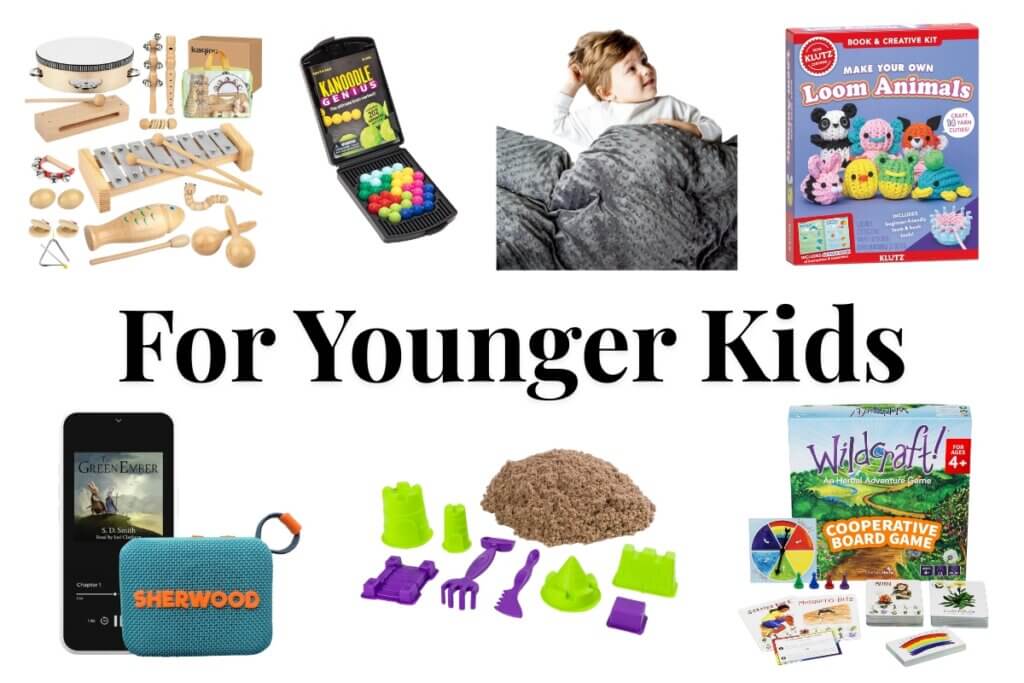
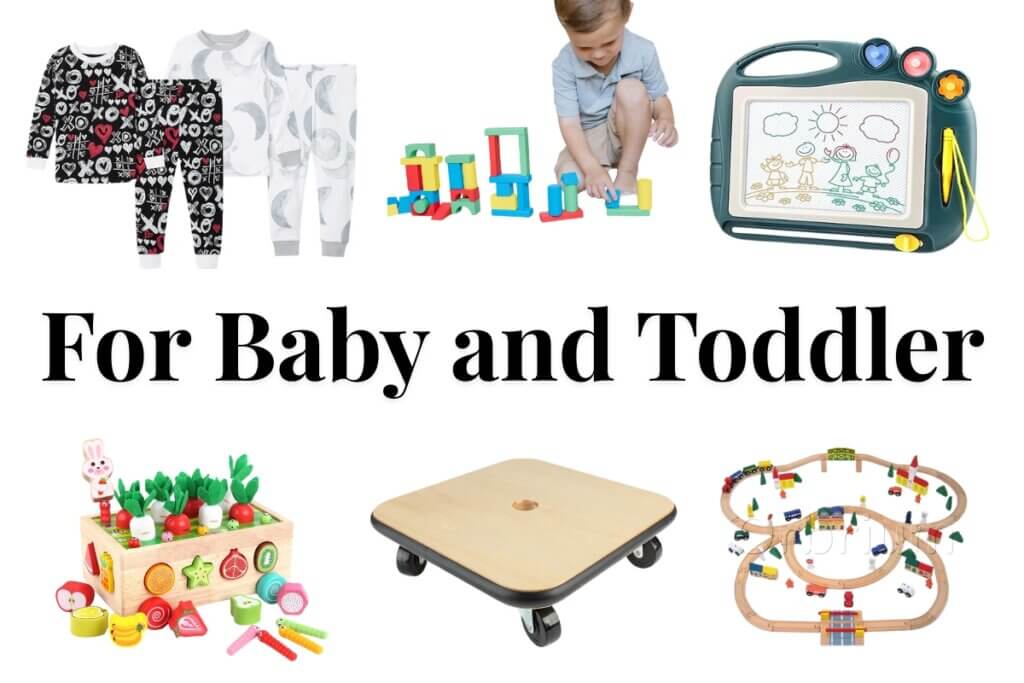
For infants and toddlers, the focus remains on tactile experiences. Items such as natural wood blocks, organic cotton textiles, and sensory bins provide necessary cognitive stimulation. These items have a high "reusability factor," often being passed down between siblings, which offsets their initial higher price point compared to mass-produced plastic alternatives.
The Elementary Years: Creativity and Cognitive Expansion
This demographic is characterized by a rapid expansion in attention span and interest in specific hobbies. Art supplies, specialized cooking sets, and collaborative board games serve as catalysts for social development. The impact here is twofold: the child gains a new skill, and the family gains a structured activity to facilitate bonding.
Tweens and Teens: Autonomy and Skill Acquisition
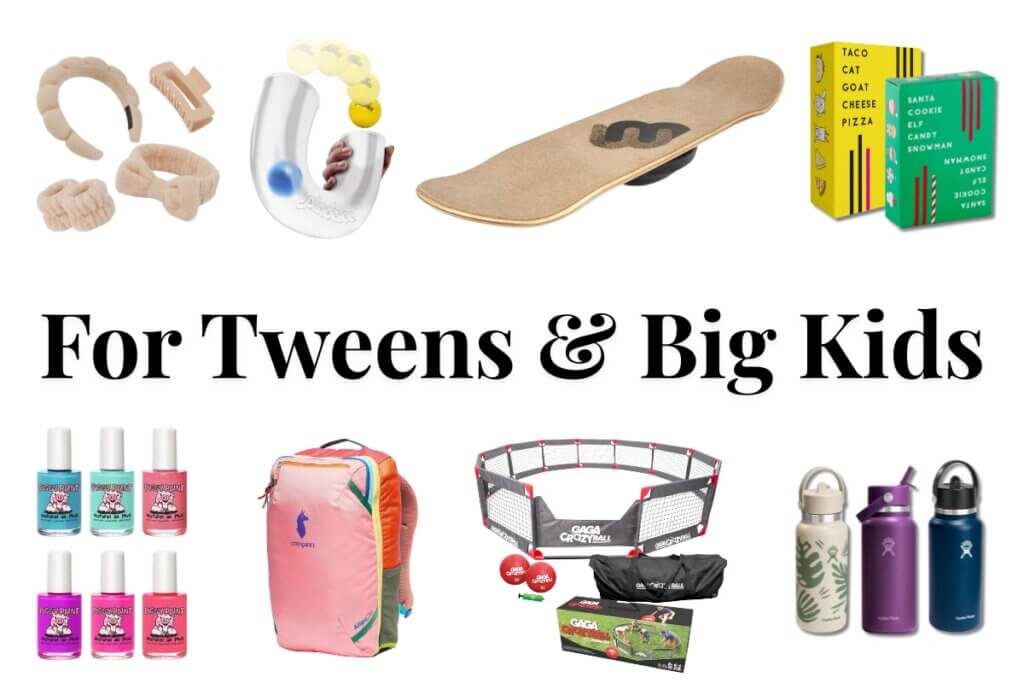
The challenge for parents of older children is the diminishing utility of traditional toys. The trend has moved toward "autonomy-based" gifts—items that require the teen to take initiative. This includes, but is not limited to, photography equipment, woodworking tools, or advanced craft kits. These gifts signal a transition into adulthood and provide a constructive outlet for the increased need for independence during these formative years.
The Societal Value of Philanthropy and Service
A significant component of the modern holiday experience is the integration of community service. Many families have transitioned from a "receiving" model to a "participatory" model. By involving children in the selection of charitable donations or the preparation of care packages for those in need, parents are reinforcing the social contract and the value of altruism.
This practice provides a necessary counter-narrative to the hyper-consumerism of the season. When children participate in volunteering, the memory of the event often persists longer than the memory of any physical gift received. It effectively shifts the psychological anchor of the holiday from the acquisition of objects to the cultivation of character.
Analysis of Economic and Environmental Implications
The move toward mindful gifting carries long-term economic and environmental implications. A family that prioritizes durable, high-quality goods over cheap, plastic-based items reduces its total waste contribution by an estimated 15% annually. From an economic perspective, while the upfront cost of high-quality goods may be higher, the "cost per use" over the lifespan of the item is significantly lower, representing a more fiscally responsible approach to household management.
Furthermore, the emphasis on local and small-batch production supports local economies, providing a ripple effect that extends beyond the individual household. By moving away from big-box retailers for every purchase, consumers are effectively directing their capital toward sustainable business models that value craftsmanship over mass production.
Conclusion: The Lasting Legacy of Connection
The most effective holiday gifts for children in 2026 are those that facilitate the building of memories. Whether through the gift of time, the provision of tools for creative expression, or the engagement in community service, the goal remains consistent: to foster connection.
As the retail season continues to evolve, the consensus among experts is clear. The value of a gift should not be measured by its price tag or the complexity of its packaging, but by its capacity to enhance a child’s life, encourage their natural curiosity, and strengthen the bonds of the family unit. When the clutter of plastic toys is cleared away, what remains are the experiences and the shared moments that define the spirit of the season. Families who focus on these pillars—imagination, connection, and service—ensure that the lessons of the holidays extend well beyond the final days of December, leaving an impact that lasts throughout the year.