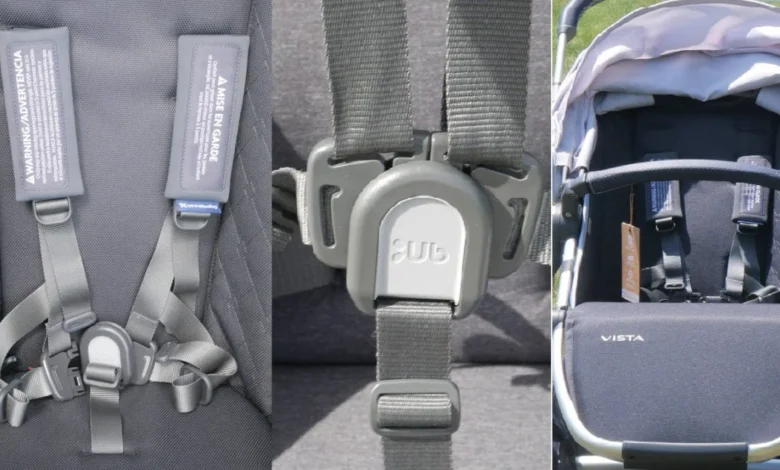
The Significance of Kind + Jugend in the Global Market
Kind + Jugend is widely recognized as the definitive platform for the juvenile product sector. Spanning several days, the event attracts thousands of retailers, distributors, and media representatives from around the world. Historically, the show acts as a bellwether for industry trends, dictating the design language and safety features that will dominate the market for the subsequent 18 to 24 months.
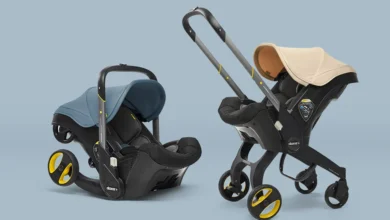
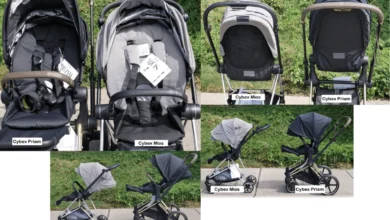
In recent years, the market has seen a transition away from bulky, traditional strollers toward "full-service" lightweight options. Manufacturers are increasingly prioritizing materials that reduce frame weight without compromising the structural integrity or safety of the child. The innovations showcased this year underscore a competitive race to solve the "portability paradox"—the challenge of providing a high-performance, full-featured stroller that remains easy to fold, store, and transport in increasingly smaller urban living spaces.
Product Innovations and Strategic Debuts
The exhibition featured a diverse array of categories, ranging from high-end nursery furniture to advanced mobility solutions. Among the most notable entries were several offerings from Britax and UPPAbaby, which showcased a clear design philosophy aimed at integrating convenience features into premium product lines.
Britax: Expanding the Mobility Ecosystem
Britax focused its exhibition space on the expansion of its mobility portfolio, most notably with the introduction of the Willow Grove stroller. This model represents a strategic effort to balance comfort with utility. By incorporating a high-capacity storage basket and a premium faux-leather handlebar, the brand is targeting parents who require a vehicle that serves as a primary mode of transport for long durations.
Furthermore, the brand’s introduction of the Urban Glide 3 and the Urban Glide 3 Double highlights a pivot toward the active-parent demographic. These jogging strollers are designed to provide a smoother ride through improved braking systems and adjustable leg rests, ensuring that the stroller’s functionality evolves alongside the child’s growth. These additions suggest that Britax is attempting to capture the dual-market segment of casual urban users and fitness-focused parents.
UPPAbaby: Design-Led Nursery Solutions
While UPPAbaby is synonymous with premium stroller engineering, its debut of the Ciro High Chair marks a significant expansion into the home nursery sector. The Ciro reflects a contemporary design language, utilizing wood-look finishes and a modular structure that prioritizes ease of cleaning. Industry analysts have noted that the "compact and lightweight" nature of the Ciro suggests that UPPAbaby is responding to the trend of minimalist home aesthetics, where baby gear is expected to integrate seamlessly into modern living room and kitchen decor.
Emerging Tech and Compact Solutions
Beyond established brands, the show also highlighted compact innovation in the feeding and safety sectors. The Bombo Ru Booster, for example, gained attention for its hyper-compact folding mechanism, which addresses a specific pain point for parents living in apartments with limited square footage. Similarly, the SmartTrike’s inclusion in the innovation awards indicates that the market remains highly interested in hybrid products that bridge the gap between developmental toys and functional transportation tools.
Chronology of Trends: From 2014 to the Present
The evolution of these products can be viewed through the lens of past industry milestones. As seen in historical market data, the shift toward lightweight, versatile gear has been gradual but consistent.
- 2014: The market was characterized by heavy, multi-piece travel systems. Promotions, such as the Stokke PramPack incentive, were essential for driving sales of premium strollers by bundling them with essential travel accessories.
- 2017: Innovation reached a turning point with the launch of products like the Valco Neo Twin LITE. This marked the entry of "full-service" double strollers weighing under 25 pounds, a breakthrough that fundamentally changed expectations for how a twin or sibling stroller should handle.
- 2026: Current trends show a synthesis of these developments. Modern strollers are now expected to be lightweight (like the 2017 models) while offering the high-end features and aesthetic polish that were previously only found in luxury-tier products.
Economic Implications for Retailers and Consumers
The trends observed at this year’s Kind + Jugend show carry significant implications for the retail sector. As manufacturing costs for specialized materials—such as aircraft-grade aluminum and advanced EVA wheels—fluctuate, brands are focusing on modularity. A modular product, such as a stroller that can adapt to different age ranges or a high chair that folds for storage, provides higher value to the consumer, justifying premium price points.
From a consumer perspective, the emphasis on "full-service" compact gear represents a move toward long-term investment. By purchasing a product that functions across multiple environments—from travel to daily errands to home dining—parents are increasingly choosing single-purchase solutions over multiple, niche products.
Industry Expert Analysis
Market observers note that the success of these new products will depend heavily on their ability to perform in "real-world" testing. While aesthetic appeal and weight-saving features are primary drivers of initial interest, the longevity of these products is determined by their durability under heavy daily use.

"The industry is currently in a phase of refinement," notes one industry analyst. "We are seeing less ‘reinvention’ of the stroller and more ‘optimization.’ Brands that can successfully integrate smart-materials and user-friendly folding mechanisms are the ones gaining the most traction at events like Kind + Jugend."
The reception of the UPPAbaby Ciro, in particular, signals that the market is willing to pay for "lifestyle-integrated" gear. This is a departure from previous decades where function was the primary, and often only, requirement. Today, the modern consumer views their baby gear as an extension of their personal style, prompting brands to invest more heavily in color palettes, material textures, and ergonomic design.
Future Outlook
As the Kind + Jugend show concludes, the focus shifts to the rollout of these products into the global marketplace. The introduction of these items serves as a catalyst for retail competition. For parents, the diversity of options—ranging from the high-utility Britax Urban Glide series to the minimalist, design-forward UPPAbaby Ciro—indicates a healthy, competitive market where innovation is consistently lowering the barrier to entry for high-quality, convenient baby care.
The industry’s trajectory for the next year appears clear: manufacturers will continue to reduce weight, enhance the folding mechanisms of double strollers, and expand their footprints into home-care categories that complement their mobile gear. As these products hit store shelves in the coming months, the ultimate test will be their performance in the hands of the consumers they were designed to serve.