Partners in Progress: How Lived Experience is Reshaping Type 1 Diabetes Research and Patient Advocacy

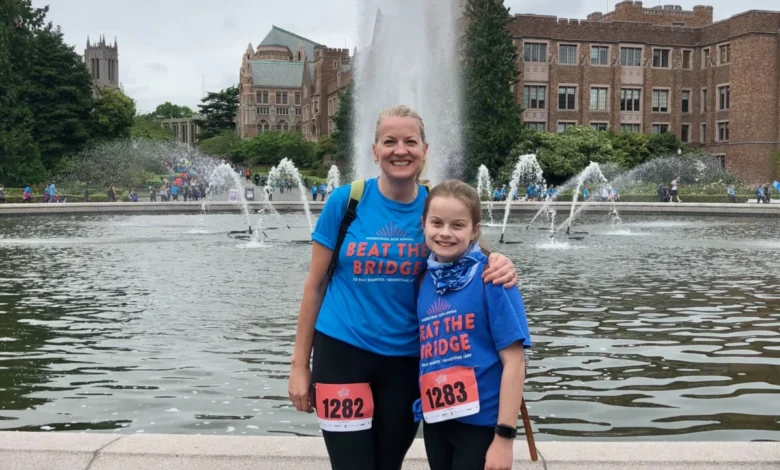
The integration of patient and caregiver perspectives into medical research has transitioned from a progressive ideal into a vital component of clinical trial design, particularly within the field of type 1 diabetes (T1D). Historically, scientific research operated on a top-down model where methodologies, trial schedules, and communication strategies were formulated exclusively by clinicians and researchers. However, organizations such as Breakthrough T1D—formerly known as JDRF—have pioneered a paradigm shift by embedding affected families directly into the developmental pipeline. Through initiatives like the Participant Advisory Council (PAC), advocates such as Loraine Brogan and her daughter, Natalie, are actively bridging the gap between raw data and the human reality of managing a chronic, lifelong condition.
A Sudden Diagnosis and the Reality of Daily Management
The journey into the world of type 1 diabetes is frequently characterized by an abrupt and overwhelming shift in domestic life. For the Brogan family, this reality materialized overnight when Natalie was diagnosed at nine years old. Within hours, a household must pivot from ordinary routines to mastering a complex medical regimen that dictates every aspect of daily existence. This new normal involves calculating precise carbohydrate ratios, administering multiple daily insulin injections or managing automated insulin delivery systems, interpreting continuous glucose monitor (CGM) alarms, and maintaining constant vigilance over blood-glucose fluctuations.
Medical professionals emphasize that while the physical mechanics of T1D management are rigorous, the psychological toll is equally demanding. Patients and their families must navigate persistent anxiety, the physical exhaustion of broken sleep, and the social isolation of feeling different during formative childhood and adolescent years. As children grow into adolescence, caregivers face the delicate challenge of balancing medical safety with the promotion of personal autonomy. This dual burden of physical labor and emotional management creates a unique landscape of resilience within T1D households, ultimately breeding a profound desire for systemic change and improved therapeutic interventions.
The Evolution of Research and the Birth of Advocacy
For many families impacted by T1D, engagement with medical research serves as a primary source of psychological endurance. Research represents the promise of future innovation, shifting the perspective from perpetual management to eventual cure. Natalie Brogan’s engagement with this philosophy deepened significantly when she participated in a two-year pilot project at Seattle Children’s Research Institute. In this capacity, she contributed to the development of youth-centered educational curricula, gaining early insight into how thoughtfully designed studies can alleviate, rather than exacerbate, the burdens placed on participating families.
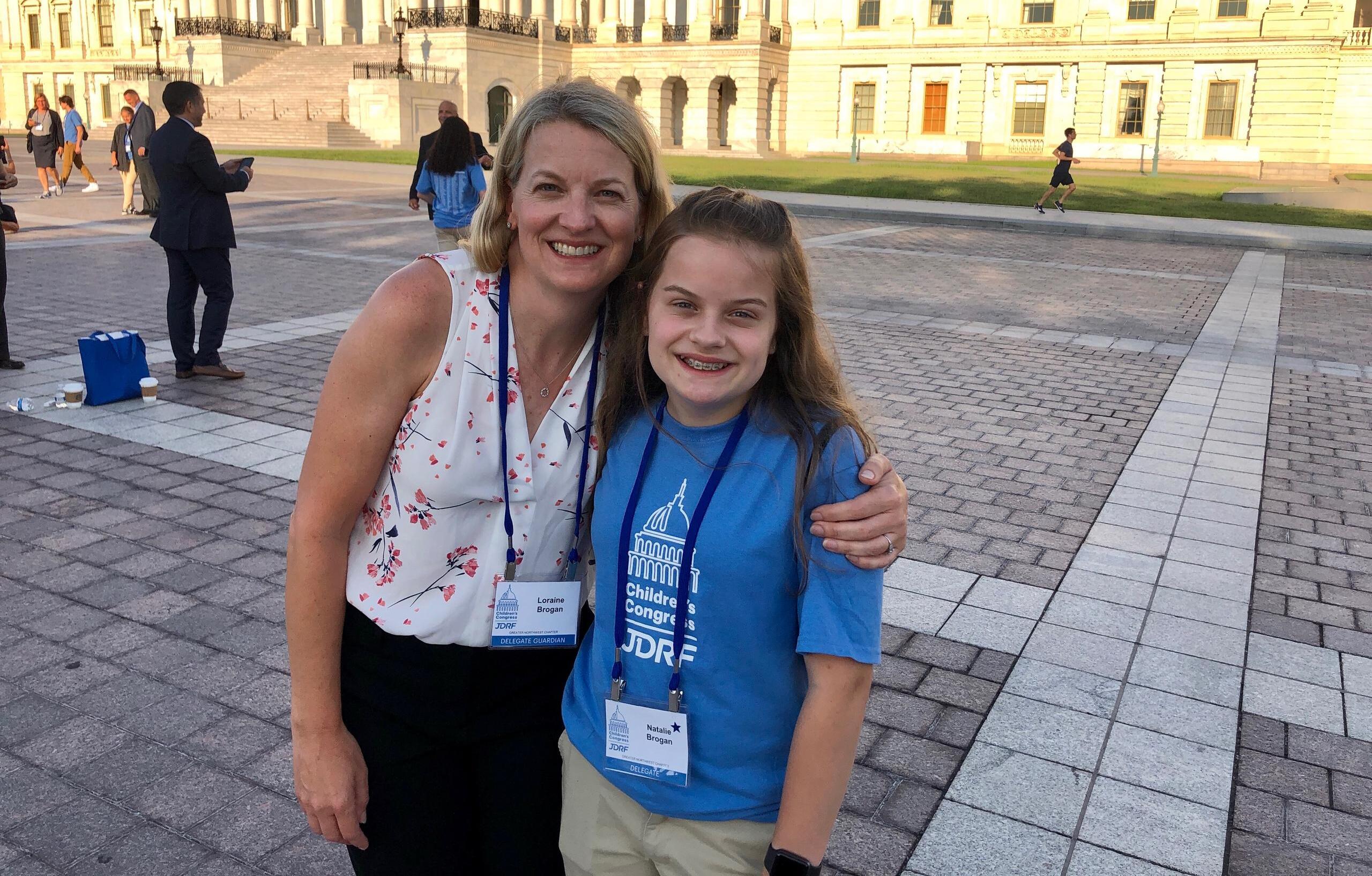
This early exposure to clinical development illuminated the human element underlying statistical data. Witnessing the intersection of science and patient welfare inspired Natalie to articulate a long-term professional ambition: to pursue a career as a pediatric endocrinologist. This trajectory illustrates the broader developmental impact that early advocacy and research involvement can have on youth living with chronic conditions, transforming personal adversity into professional dedication and civic engagement.
The Role of the Participant Advisory Council in Clinical Trials
The desire to influence systemic research standards eventually guided both Loraine and Natalie to Breakthrough T1D’s Participant Advisory Council. The PAC functions as a strategic advisory body, convening individuals with lived experience to review and refine clinical trial designs, recruitment strategies, and communication protocols.
In traditional clinical settings, high dropout rates and recruitment challenges often stem from protocols that fail to account for the logistical realities of participants’ lives. PAC members address this deficiency by providing candid evaluations of study parameters, such as the frequency of mandatory clinic visits, time commitments, and the emotional burden of specific testing requirements. By analyzing these factors, researchers can modify protocols to enhance accessibility without compromising scientific integrity.
Documented instances of this collaboration highlight its efficacy. When researchers have consulted the PAC regarding communication strategies, feedback from members has directly resulted in adjustments to outreach materials, making them more empathetic and less intimidating for newly diagnosed families. Furthermore, introducing flexibility into study visit schedules has demonstrated a measurable increase in participant retention and satisfaction, proving that patient-centered design yields superior data collection and stronger trial outcomes.
A Dual Perspective: Combining Caregiver Insights and Patient Realities
The efficacy of advisory bodies like the PAC is significantly enhanced by the diversity of perspectives within the patient and caregiver community. A mother-daughter duo brings a comprehensive, multidimensional view of the condition to institutional stakeholders. The patient provides direct insight into the physiological and social experience of growing up with T1D—the auditory fatigue of constant alarms, the mental arithmetic required before every meal, and the persistent drive needed to maintain glycemic targets.
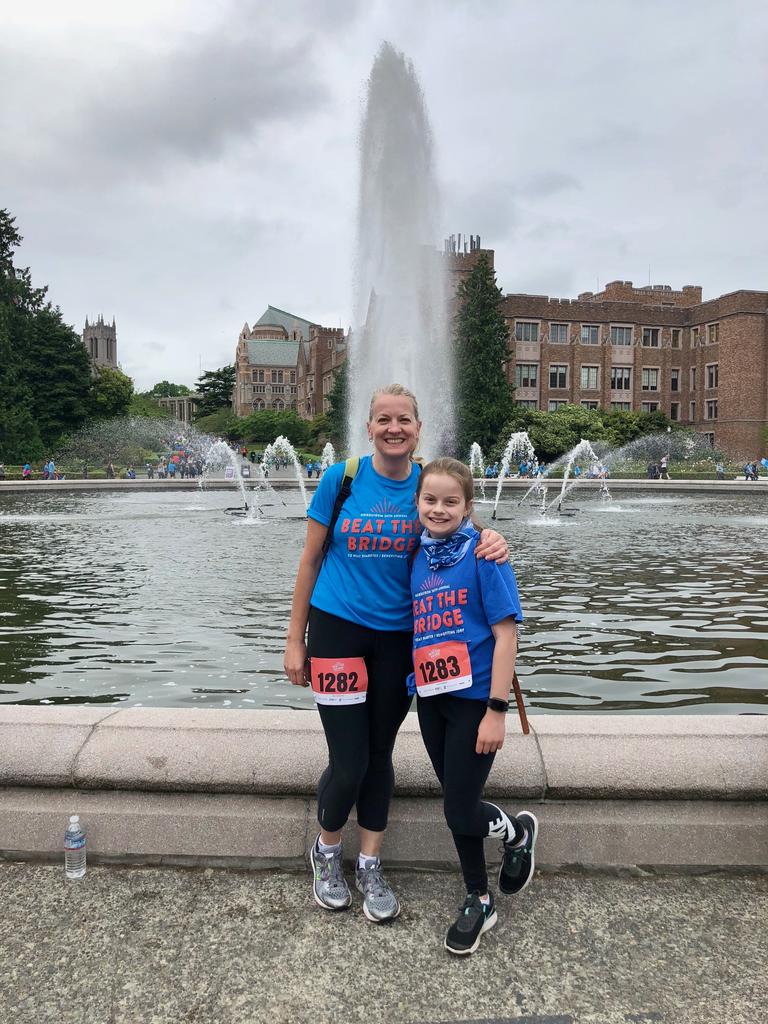
Conversely, the caregiver contributes the institutional memory of the household: the sleepless nights spent treating nocturnal hypoglycemia, the administration of school care plans, and the invisible mental load associated with long-term disease management. By merging these viewpoints, advisory councils ensure that clinical research remains humane, accessible, and grounded in daily reality. Public health analysts note that when researchers establish collaborative partnerships with families from the inception of a study, the overall quality of recruitment, protocol adherence, and translational impact improves markedly.
Broad Implications for the Future of T1D Therapeutics
The broader implications of integrating lived experience into medical research extend well beyond individual trial success. As the medical community moves further into an era of personalized medicine and advanced therapeutics—including disease-modifying therapies aimed at delaying or preventing T1D onset—the necessity for efficient, compassionate trial recruitment becomes paramount.
Public health frameworks increasingly recognize that patient-centric research accelerates the translation of laboratory discoveries into accessible consumer therapies. When clinical trials are designed with an acute awareness of participant burden, recruitment pipelines widen, demographic representation improves, and data accuracy is enhanced. For organizations like Breakthrough T1D, the PAC model serves as a scalable template for future medical investigations across various pediatric and chronic disease sectors.
Looking Ahead: The Ultimate Goal of Eradication
Despite significant advancements in artificial pancreas technology, continuous glucose monitoring, and immunotherapies, type 1 diabetes remains an unrelenting condition requiring 24/7 management. The ongoing contributions of advocates, researchers, and advisory councils are indispensable in navigating the interim period while scientific advancements progress toward more definitive solutions.
The commitment of families participating in advisory boards is ultimately anchored in a singular, shared objective: the complete eradication of the disease. Through sustained collaboration between scientific institutions and the communities they serve, the architecture of clinical research is undergoing a fundamental transformation. By ensuring that the voices of patients and caregivers are embedded at every level of development, the medical community moves steadily closer to a future where managing type 1 diabetes is a historical relic rather than a daily reality.