The Rise of the Easy Sprinkle Sugar Cookie: How a Simplified Baking Trend is Reshaping Home Confectionery

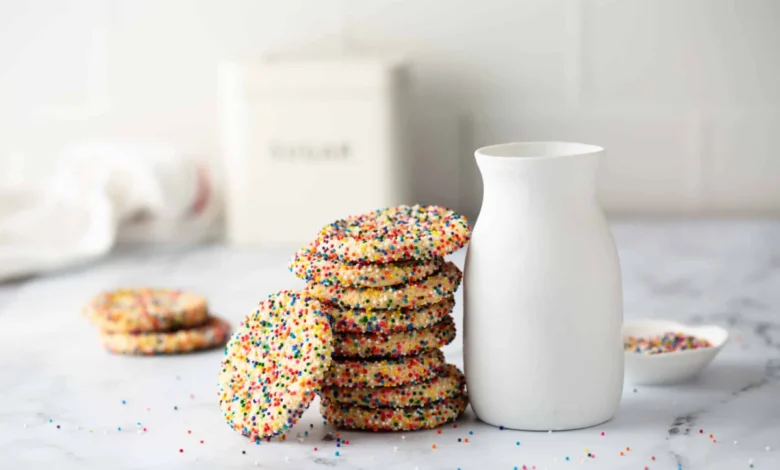
The landscape of home baking has experienced a noticeable shift toward streamlined, high-yield recipes that maximize visual appeal while minimizing post-baking labor. Among the frontrunners of this culinary movement is the easy sprinkle sugar cookie—a buttery, soft-centered confection characterized by a vibrant exterior crust of multicolored sprinkles. Far from being a mere novelty, this simplified baking trend has captured the attention of culinary professionals, busy parents, and food industry analysts alike, reflecting a broader consumer preference for accessible, low-stress baking projects that deliver bakery-quality aesthetics without the need for intricate pastry decorating skills.
Main Facts and the Mechanics of the Trend
At its core, the appeal of the sprinkle sugar cookie lies in its structural efficiency. Traditional decorated sugar cookies often require rolling, cutting, baking, cooling, and meticulous hand-piping with royal icing or buttercream—a multi-step process that can take hours and deter casual bakers. By contrast, the sprinkle sugar cookie eliminates post-bake decorating entirely.
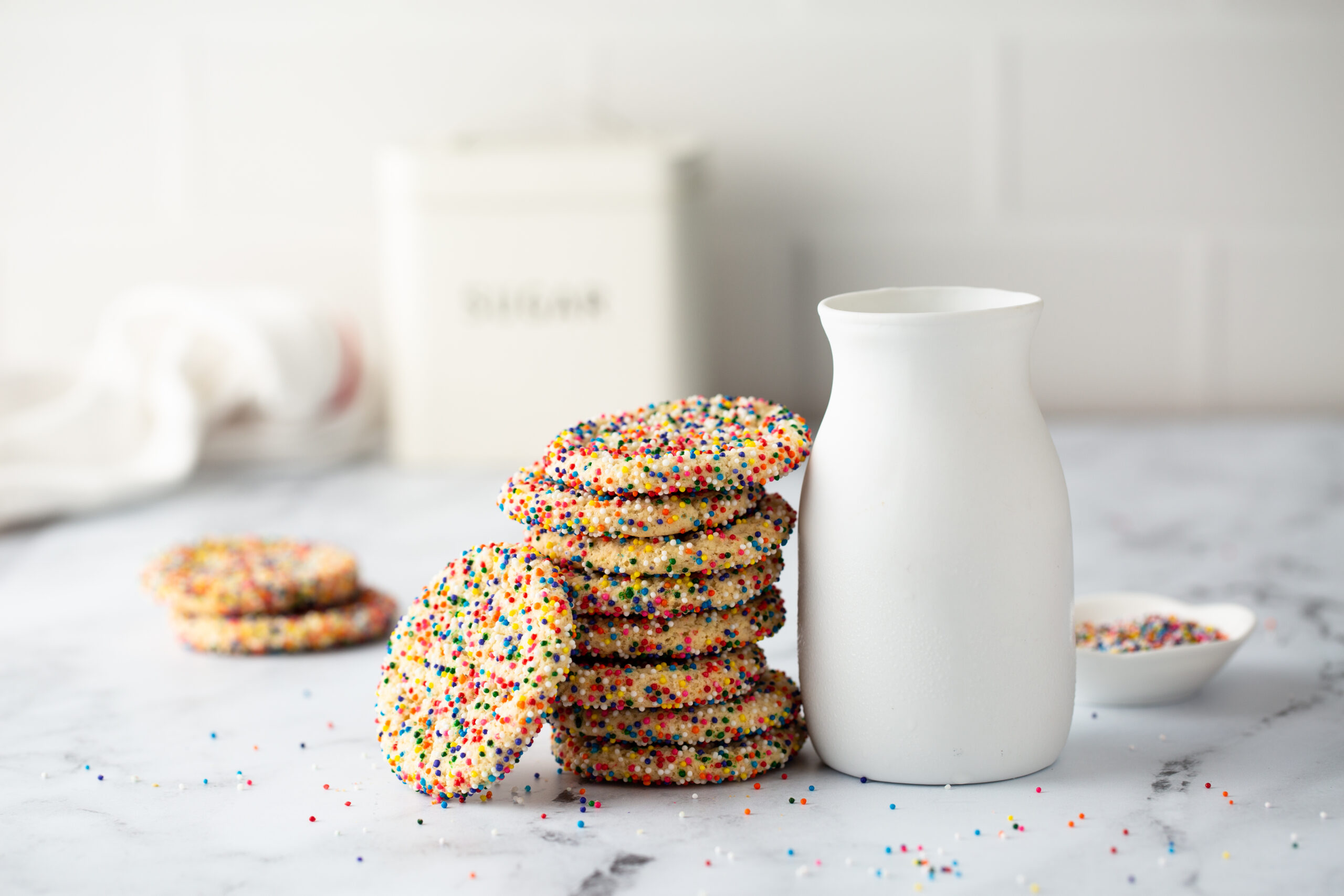
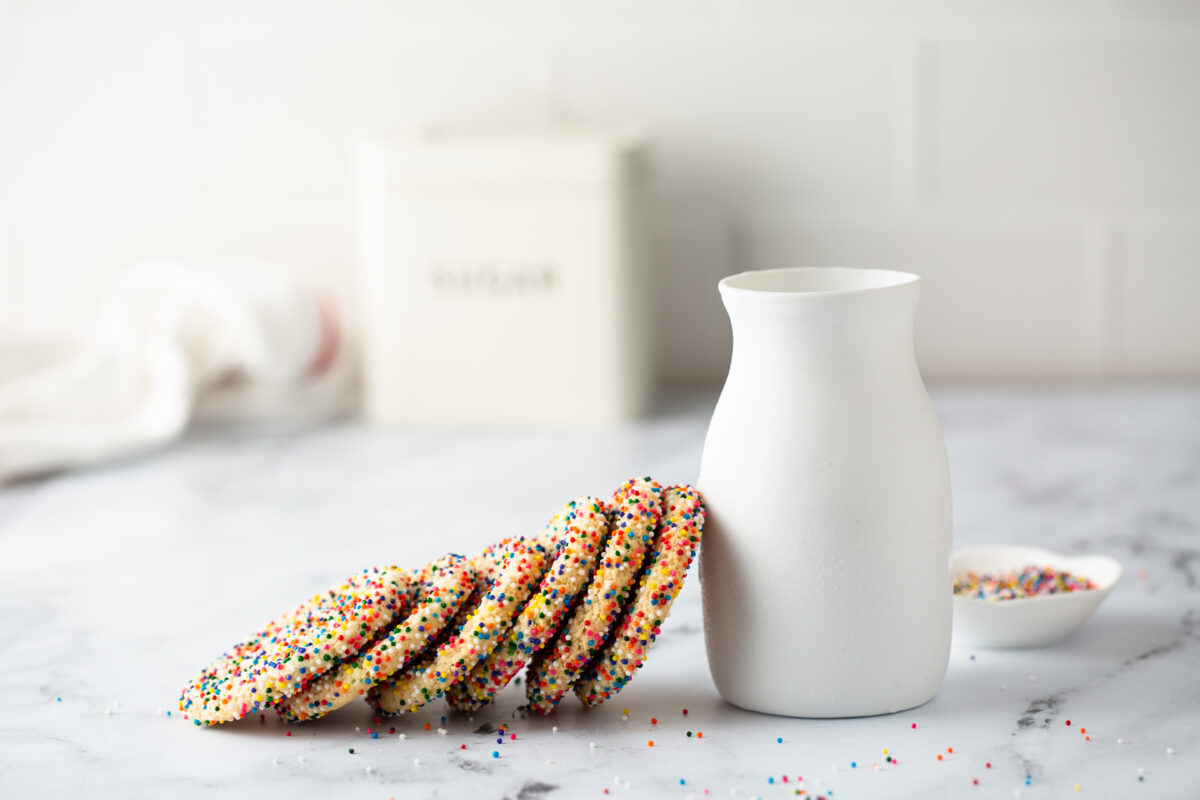
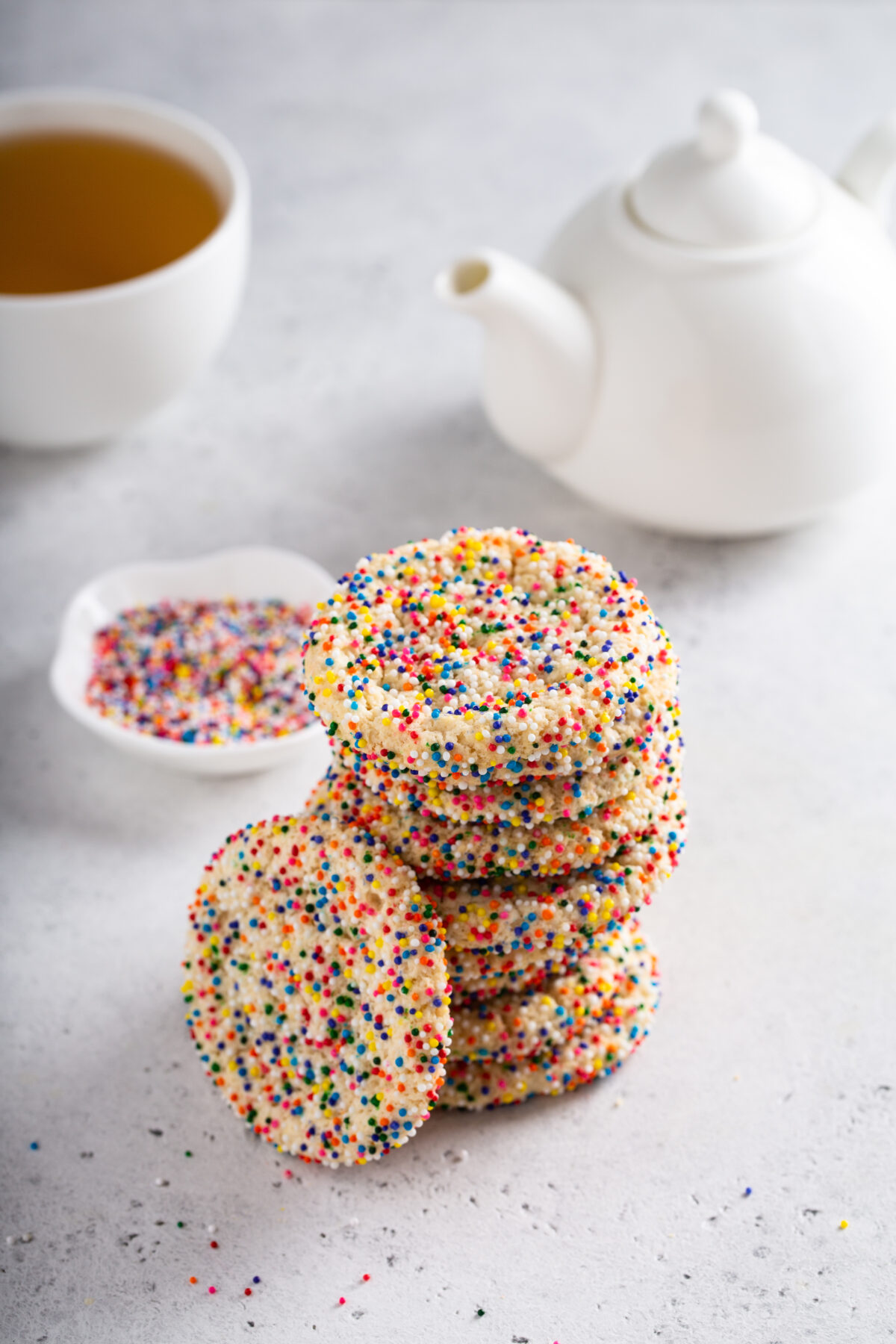
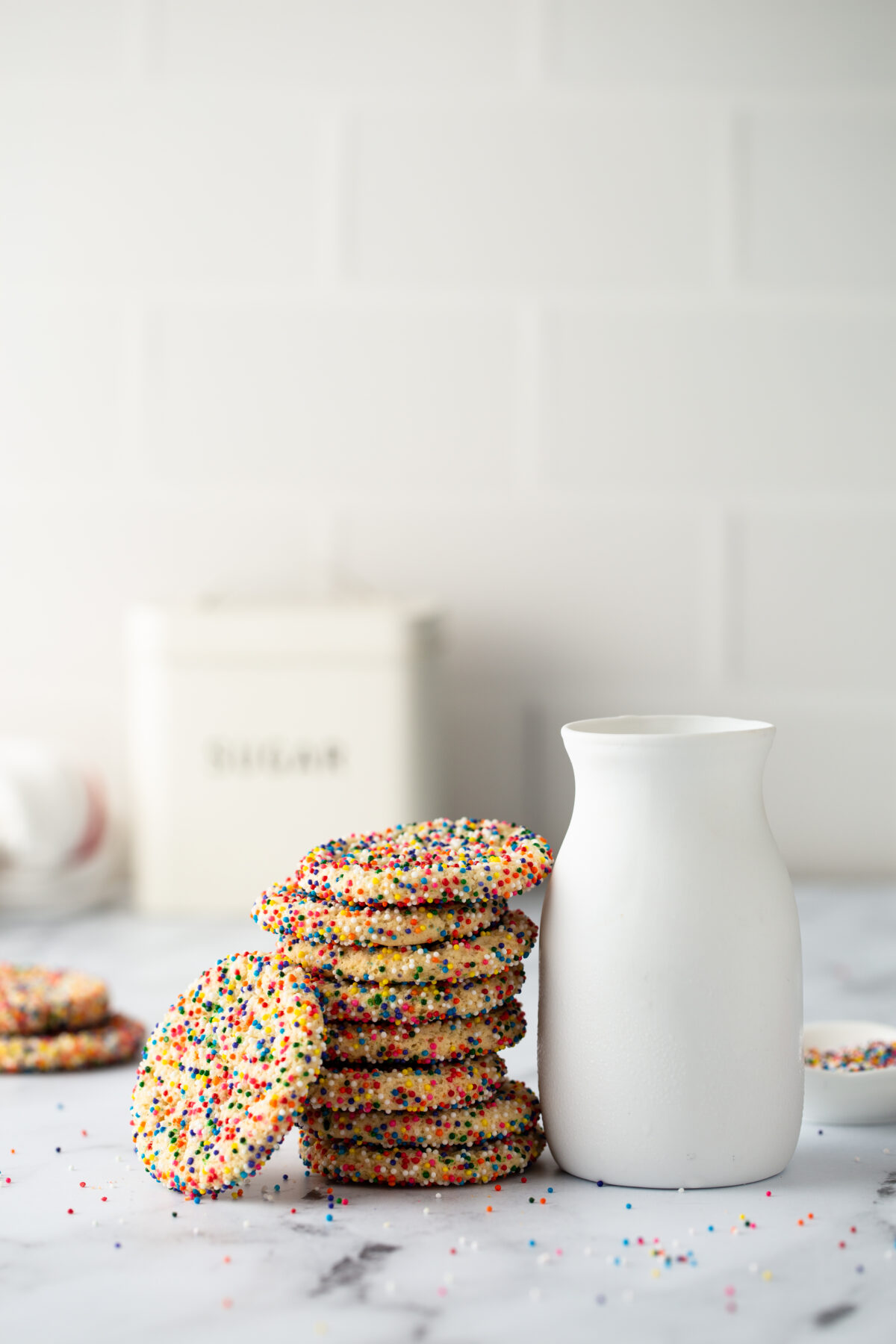
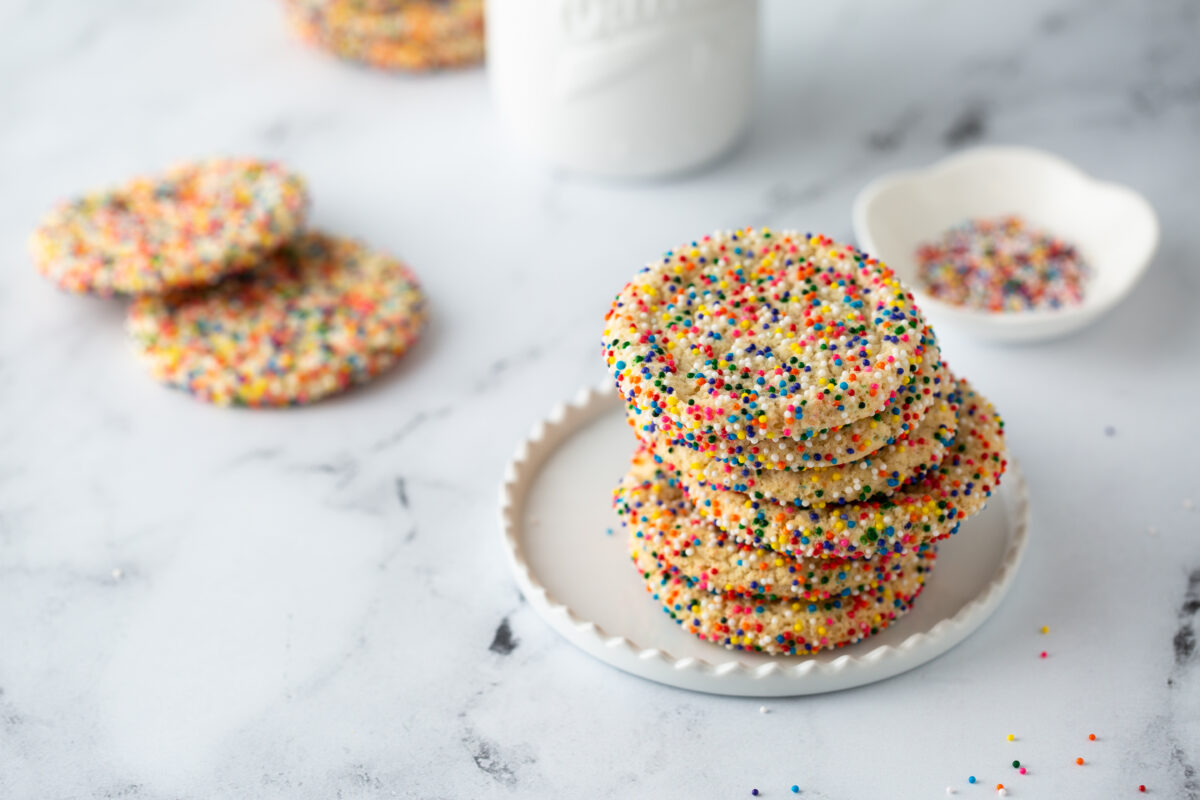
The process involves combining basic pantry staples—softened butter, granulated sugar, eggs, vanilla extract, all-purpose flour, baking powder, and salt—into a cohesive, chilled dough. Instead of rolling out sheets of dough and utilizing cookie cutters, the mixture is portioned into uniform balls and rolled directly in a shallow bowl of sprinkles prior to baking. As the cookies expand in the oven, the exterior coating stretches, yielding a bright, speckled finish that requires no additional embellishment.
Culinary experts note that the choice of sprinkle is critical to the success of the recipe. Traditional "jimmies"—the elongated, soft sugar cylinders commonly used in commercial bakeries—are widely favored because they hold their structural integrity and color vibrancy under heat without bleeding excessively into the dough. Conversely, smaller nonpareils offer a sharper crunch but carry a higher risk of color migration, while sanding sugar provides an alternative, crystalline sparkle.
Chronology and Background Context of the Everyday Baking Movement
The surge in popularity for simplified, family-oriented baking recipes can be traced back to shifting lifestyle patterns over the past decade, which accelerated sharply during global shifts toward home-centric living. As consumers spent more time in domestic spaces, the demand for accessible culinary projects that could safely engage children rose exponentially.
Traditional holiday baking had long anchored family kitchen activities, but weekday baking remained constrained by time deficits. The easy sprinkle sugar cookie emerged as a bridge between festive aesthetics and weekday practicality. Food historians and recipe developers observed a marked increase in search metrics for "one-bowl cookies," "no-frosting cookies," and "kid-friendly baking" beginning in the early 2020s. Culinary blogs and legacy food publishers responded by pivoting toward low-barrier recipes that required fewer specialized tools, shifting the focus from professional-grade pastry arts to inclusive, accessible home cooking.
Supporting Data and Nutritional Implications
While confections remain a discretionary component of the human diet, home bakers increasingly seek transparency regarding ingredient lists and yield economics. A standard batch of sprinkle sugar cookies typically yields approximately two dozen portions, making it economically efficient for classroom parties, bake sales, and community gatherings.
Nutritional science and culinary research emphasize the role of specific technique parameters in determining the final texture and density of baked goods. For instance, food safety and baking chemistry guidelines consistently highlight the necessity of chilling cookie dough. A standard thirty-minute refrigeration period allows the butter matrix to firm up, preventing excessive lateral spread during the initial stages of baking. This ensures a thicker, softer center and a lightly crisp outer perimeter.
Furthermore, precise flour measurement remains a primary variable in baking consistency. Industry standards recommend the "spoon and level" method rather than direct cup scooping, which can compact flour and lead to a dry, crumbly texture. By maintaining optimal moisture levels through controlled baking times—typically removing the cookies while the centers still appear slightly underbaked—home bakers can achieve a prolonged shelf life without artificial preservatives.
Statements and Reactions from Related Parties
Culinary educators and pediatric nutrition advocates have weighed in on the sociological and developmental benefits of simplified baking projects involving children.
"When recipes are designed to remove frustrating technical hurdles like piping icing or rolling out sticky dough, children can participate meaningfully in almost every stage of preparation," notes Dr. Elena Vance, a child development researcher specializing in domestic skill acquisition. "Rolling dough balls in sprinkles provides tactile sensory engagement, improves fine motor control, and fosters a positive association with food preparation from an early age."
Professional pastry chefs have also expressed a renewed appreciation for retro, straightforward flavor profiles. Chef Marcus Thorne, a consulting executive pastry chef based in Chicago, observes that modern consumers often gravitate toward nostalgic comfort foods over overly elaborate, high-concept desserts. "There is a distinct market fatigue regarding hyper-decorated, visually complex sweets that prioritize Instagram aesthetics over genuine flavor," Thorne explains. "A well-executed butter cookie with a clean vanilla profile and vibrant colors delivers immediate satisfaction. It proves that simplicity, when executed with correct technique, can compete with high-end patisserie."
Broader Market Impact and Industry Implications
The commercial footprint of items associated with sprinkle sugar cookies—such as bulk baking supplies, specialty food coloring, and themed jimmies—reflects sustained economic vitality within the home baking sector. Grocery data indicates that seasonal sales of decorative sugars and sprinkles peak during major celebratory windows, including the winter holidays, Halloween, and back-to-school periods. However, the versatility of the rainbow jimmie has turned sprinkle-coated cookies into a year-round staple for birthdays and casual weekend baking.
From a supply chain perspective, the reliance on stable, shelf-stable pantry ingredients positions these recipes as resilient against inflationary pressures affecting perishable or specialized commodities. As consumers navigate economic fluctuations, the ability to produce high-volume, visually appealing treats using flour, sugar, butter, and basic confectionery adornments offers a cost-effective alternative to commercial bakeries.
Future Outlook for Accessible Confectionery Trends
As culinary innovation continues to intersect with convenience, the trajectory of home baking points toward continued refinement of foundational recipes. The easy sprinkle sugar cookie serves as a case study in how traditional culinary methods can be streamlined to fit contemporary schedules without sacrificing quality or visual impact. Whether adapted for specific dietary preferences, scaled for large community events, or utilized as a vehicle for family bonding, the humble sprinkle sugar cookie remains a resilient and enduring fixture in modern domestic culture.