The Ultimate Guide to Baking Tender Pumpkin Scones with Maple Drizzle at Home This Autumn

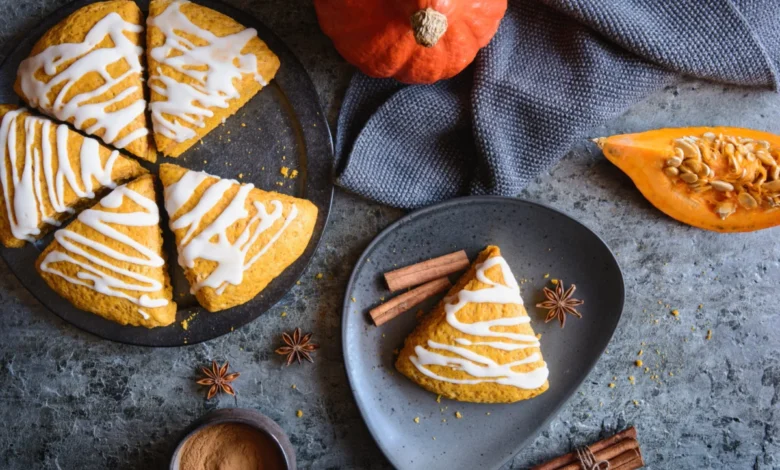
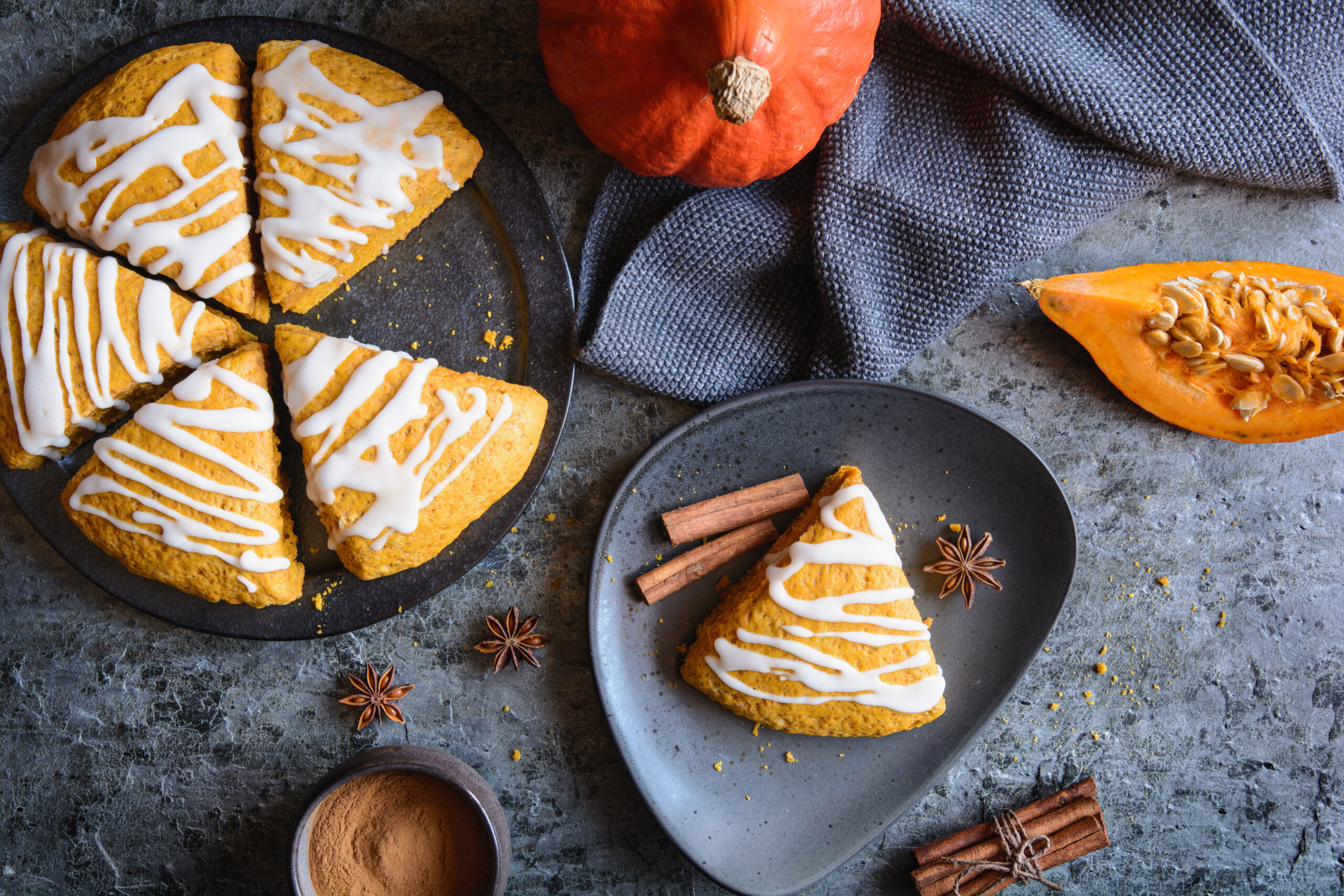
As autumn arrives, changing foliage and crisp morning air signal a distinct shift in culinary preferences toward warm spices and comforting baked goods. Among seasonal favorites, pumpkin-flavored treats remain a dominant fixture in bakeries and home kitchens alike. Recently, culinary experts introduced a refined recipe for Pumpkin Scones with Maple Drizzle, combining the natural moisture of pumpkin puree with a balanced blend of traditional autumn spices. This comprehensive overview examines the nutritional science, baking techniques, storage viability, and cultural significance of incorporating seasonal squashes into modern baking.
Main Facts and Culinary Composition
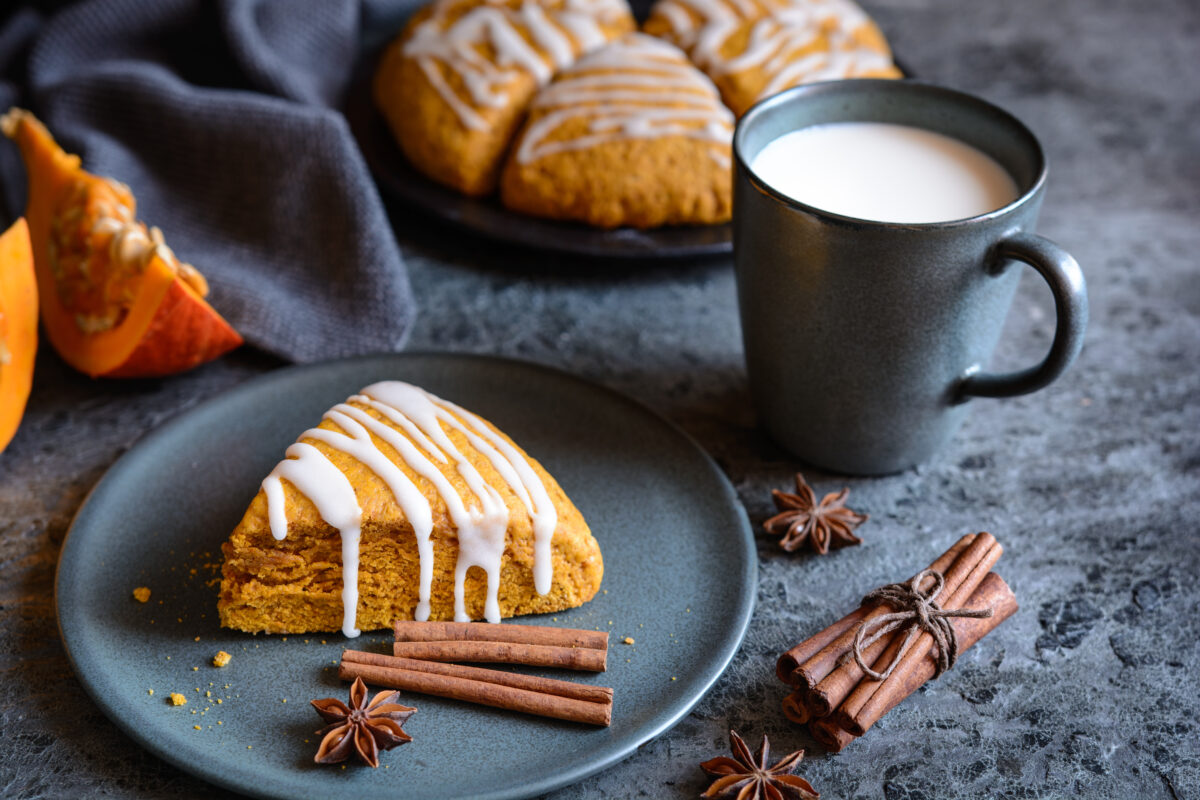
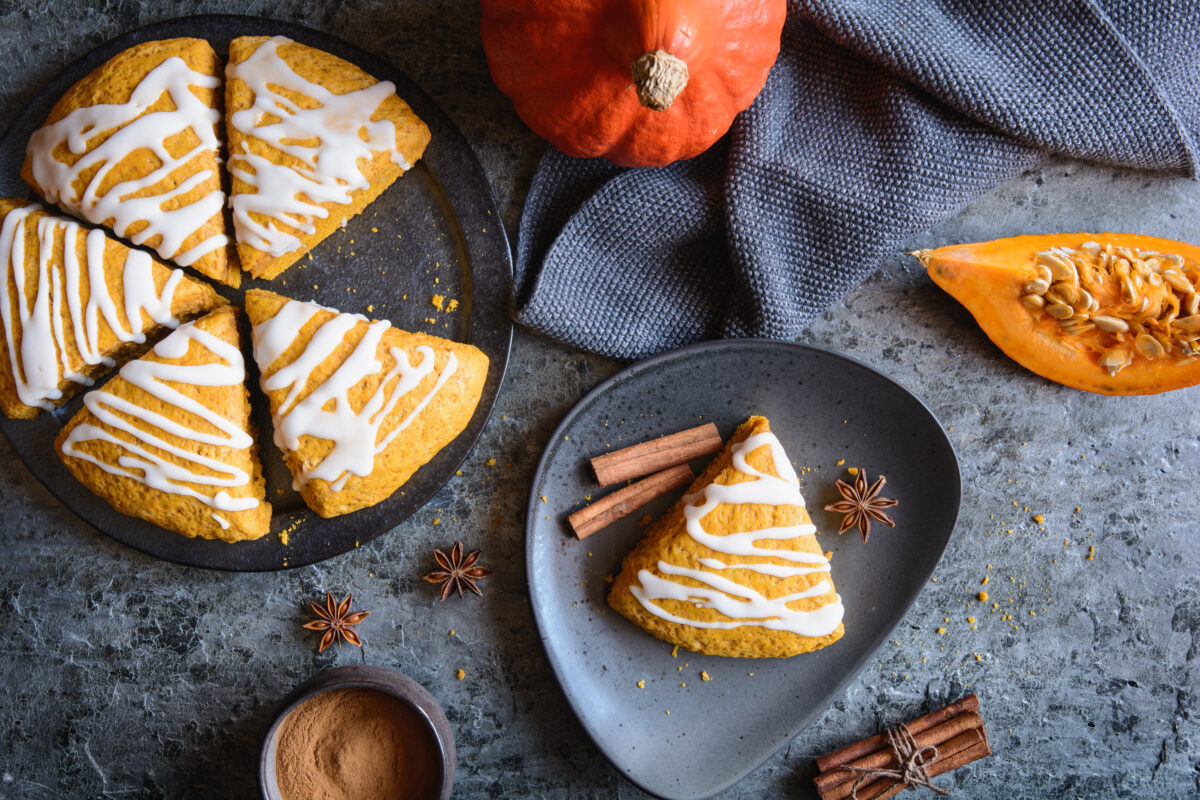
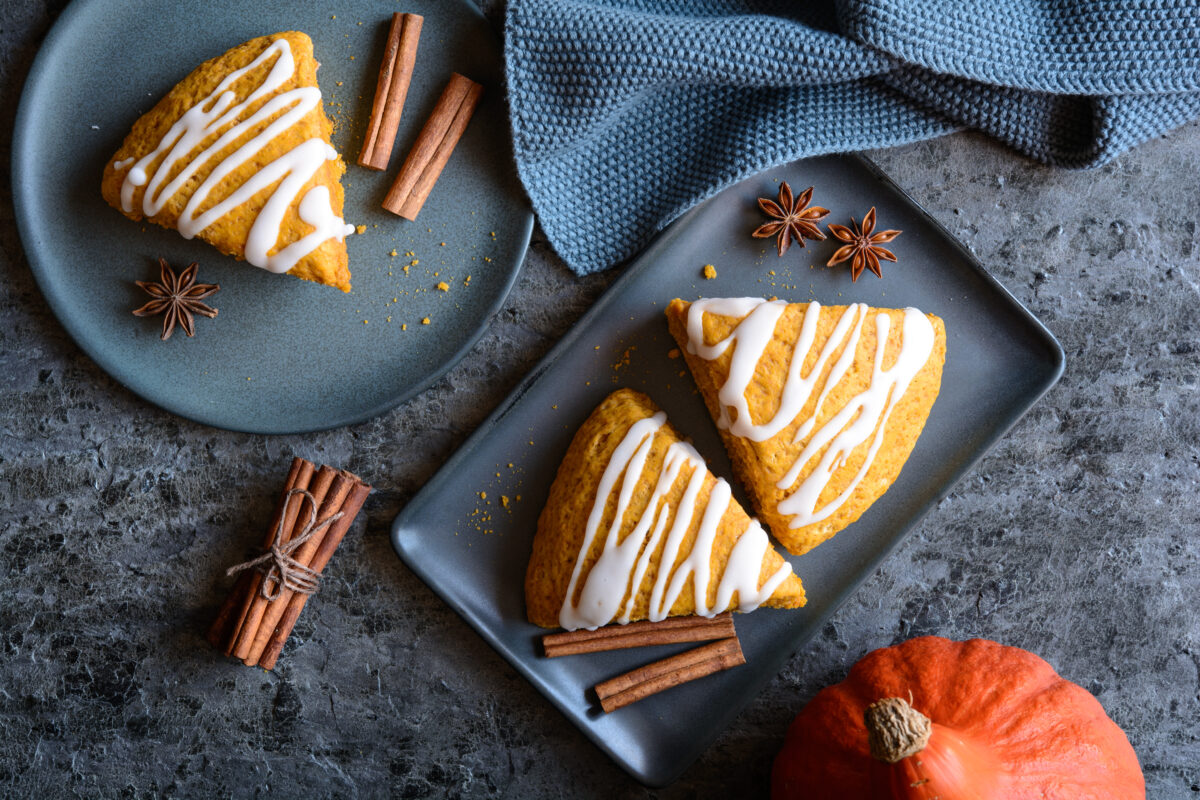
The appeal of the pumpkin scone relies heavily on chemical balance and ingredient selection. Unlike standard pastries that risk becoming dry or crumbly, pumpkin puree introduces high moisture content, yielding a soft, cake-like interior while maintaining the classic flaky exterior expected from a traditional scone.
Flavor profiles are established through a precise combination of ground cinnamon, ginger, nutmeg, and cloves. These warm aromatics provide the quintessential profile commonly associated with autumn baking. To balance the savory and earthy notes of the squash and spices, the pastries are finished with a sweet maple glaze. Culinary analysts note that maple syrup provides a complex, woody sweetness that enhances the underlying butter profile without overwhelming the palate.
The recipe requires a preparation time of approximately 15 minutes, with a cooking time of 22 minutes, bringing the total time investment to roughly 37 minutes. Designed to yield eight servings, the scones function variably as a breakfast item, an after-school snack, a brunch centerpiece, or a weekend family activity.
Chronology of Seasonal Baking Trends
The integration of pumpkin into mainstream Western baking has undergone a significant evolution over the past several decades. Historically, pumpkin consumption peaked primarily around Thanksgiving, limited largely to traditional pies.
By the early 2000s, the introduction of commercially standardized pumpkin spice profiles catalyzed a broader cultural phenomenon, expanding the flavor profile into coffee beverages, cereals, and quick breads.
In recent years, home bakers and culinary educators have pivoted toward scratch-made variations that prioritize real pumpkin puree over synthetic flavorings. The introduction of maple-drizzled pumpkin scones represents this current phase of culinary development—balancing nostalgia with a demand for elevated, wholesome ingredients that can be easily prepared in a domestic kitchen.
Supporting Data and Technical Baking Principles
Achieving optimal texture in scone production requires strict adherence to thermodynamic and biochemical principles. Food scientists and experienced pastry chefs emphasize several critical techniques:
-
Thermal Management of Fats: The inclusion of cold butter is essential. As the scones bake, water trapped within the butter turns to steam, creating pockets of air that result in a flaky texture. If the butter melts prior to entering the oven, the structural integrity of the crumb is compromised, leading to a dense product.
-
Gluten Control: Overmixing the dough activates wheat proteins, generating excess gluten. While desirable in chewy bread, excessive gluten toughens pastries. The optimal method requires mixing only until the ingredients coalesce.
-
Ingredient Differentiation: Culinary instructions explicitly mandate the use of plain pumpkin puree rather than canned pumpkin pie filling. Pre-made fillings typically contain pre-blended sugars, starches, and spices that distort the structural chemistry and flavor balance of a scratch recipe.
-
Hydration Limits: Pumpkin contains substantial inherent moisture. Excessive liquid or flour miscalculations can result in either an overly sticky dough or a dry final product. Maintaining a soft, slightly tacky consistency ensures a tender crumb.
Official Responses and Expert Commentary
Culinary educators and nutritional advisors have praised versatile seasonal recipes like the pumpkin scone for encouraging home cooking and family engagement. Nutritionists note that incorporating real vegetable purees into baked goods subtly increases fiber intake, offering a nutritional advantage over heavily processed alternatives.
Furthermore, family lifestyle experts highlight the educational value of weekend baking projects. Involving children in measuring ingredients, shaping dough, and monitoring baking times fosters practical life skills and promotes positive associations with wholesome foods.
Broader Impact and Economic Implications
The seasonal surge in pumpkin-related baking reflects a multi-million-dollar economic driver within the agricultural and retail food sectors. According to agricultural market reports, domestic production of processing pumpkins—varieties specifically cultivated for canning and puree rather than carving—remains robust, with states like Illinois supplying a vast majority of the national yield.
The popularity of at-home baking recipes further impacts grocery retail trends, showing consistent spikes in sales of baking staples such as flour, butter, spices, and maple syrup during the autumn months. As consumers increasingly seek comfort and value through home cooking, reliable, scratch-made seasonal recipes serve as an economic and psychological anchor during periods of seasonal transition.
Variations and Adaptability
To accommodate diverse dietary preferences and flavor profiles, the foundational scone recipe supports numerous culinary adaptations:
- Chocolate Chip: Incorporating half a cup of mini semi-sweet chocolate chips into the dough introduces a dessert-like profile suitable for younger palates.
- Nut-Infused: The addition of half a cup of toasted, chopped pecans or walnuts adds structural crunch and healthy fats.
- Fruit Additions: Dried cranberries provide a tart contrast to the sweet maple glaze.
- Seed Toppings: Sprinkling raw pepitas (pumpkin seeds) prior to baking enhances visual appeal and introduces a toasted, nutty flavor.
- Citrus Notes: Integrating orange zest into the scone dough paired with a splash of fresh orange juice in the glaze brightens the overall flavor profile.
Storage, Freezing, and Preservation Guidelines
Proper storage ensures maximum shelf-life and minimizes food waste. Baked pumpkin scones stored in an airtight container remain fresh at room temperature for up to two days. For extended storage, refrigeration preserves quality for up to five days, though warming the items briefly in a microwave or low-temperature oven is recommended before consumption.
For long-term preservation, the scones freeze exceptionally well for up to three months. Culinary guidelines suggest freezing the baked items prior to applying the maple glaze to prevent moisture degradation. Alternatively, unbaked shaped dough wedges can be frozen on a baking sheet and baked directly from a frozen state, requiring only a minor adjustment to the total baking time. This flexibility makes the recipe practical for meal-prepping and busy household schedules.