Accelerating the Translation of Cell Therapy for Type 1 Diabetes: A New Era in Endocrinology and Clinical Research

The landscape of endocrinology and autoimmune disease management is undergoing a profound transformation, driven by unprecedented breakthroughs in regenerative medicine. For more than a century, the diagnosis of type 1 diabetes (T1D) has meant a lifelong commitment to constant blood glucose monitoring and exogenous insulin administration. Today, however, clinical trials evaluating islet cell therapies are demonstrating that patients can achieve healthy, normalized blood sugar levels while coming off external insulin entirely. Behind these promising clinical milestones, an international coalition of researchers, clinicians, industry leaders, regulatory authorities, and patient advocates are working to transition these pioneering treatments from specialized laboratory procedures into scalable, widely accessible cures.
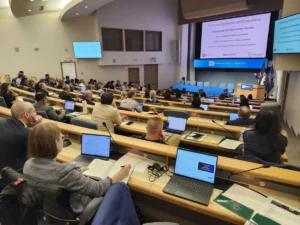
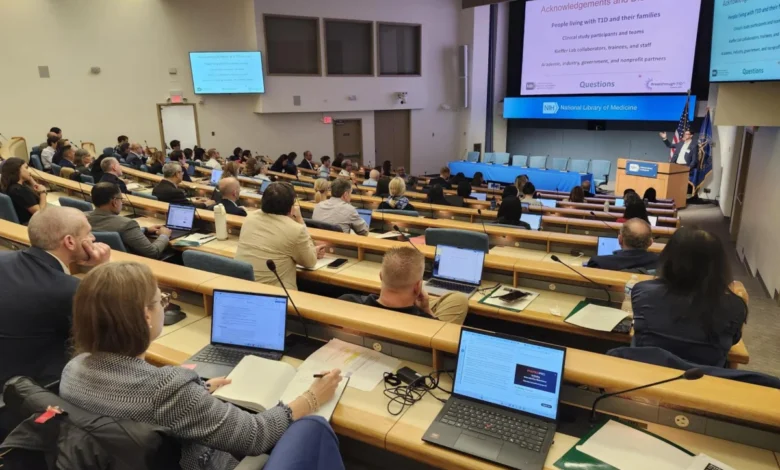
To sustain this scientific momentum, Breakthrough T1D recently partnered with the National Institute of Diabetes and Digestive and Kidney Diseases (NIDDK)—a division of the National Institutes of Health (NIH)—to co-host a landmark public workshop titled Accelerating the Translation of Cell Therapy for Type 1 Diabetes. This comprehensive gathering served as a critical nexus for the medical and scientific communities, establishing best practices, identifying regulatory pathways, and addressing the logistical hurdles required to bring next-generation manufactured islet cell therapies to the broader T1D population.
First- Versus Next-Generation Islet Cell Therapies: Bridging the Accessibility Gap
To fully appreciate the significance of current scientific advancements, it is necessary to examine the evolution of islet cell transplantation. First-generation islet cell therapies, many of which are actively being evaluated in advanced clinical trials, have achieved remarkable success in restoring endogenous insulin production. However, their clinical application has historically been restricted to a very specific, high-risk patient demographic: individuals suffering from severe, recurrent hypoglycemic events coupled with hypoglycemia unawareness—a dangerous condition where patients fail to feel the physiological warning signs of plummeting blood sugar.
While these first-generation therapies represent a monumental medical triumph, they rely heavily on donor pancreas tissue, which is inherently scarce. Furthermore, patients undergoing these procedures typically require systemic immunosuppressive regimens to prevent transplant rejection, balancing the risks of chronic immunosuppression against the severe dangers of labile diabetes.
Next-generation islet cell therapies seek to fundamentally dismantle these barriers. By leveraging manufactured, stem cell-derived islets that can be produced at scale in industrial settings, researchers envision a future where tissue scarcity is no longer a limiting factor. The ultimate goal shared by scientists and advocacy groups alike is to build a healthcare framework where any individual living with type 1 diabetes who desires an islet cell therapy can safely and effectively receive one, regardless of whether they experience hypoglycemia unawareness.
The Collaborative Workshop: Uniting Key Stakeholders
The NIDDK and Breakthrough T1D workshop was engineered to dismantle institutional silos by bringing together a diverse array of stakeholders. Attendees included academic researchers studying cellular biology, biopharmaceutical executives overseeing industrial-scale manufacturing, regulatory officials from the U.S. Food and Drug Administration (FDA), and, crucially, individuals with lived experience of type 1 diabetes.
The convergence of these distinct groups is essential for navigating the complex pipeline of modern medical translation. Regulatory agencies like the FDA require rigorous, reproducible data regarding safety, purity, and potency before granting authorization for human clinical trials. Simultaneously, industry partners must translate delicate laboratory protocols into standardized, high-yield manufacturing processes capable of meeting commercial demand. By embedding patient perspectives directly into the conversation from the earliest stages of trial design, the workshop ensured that the clinical endpoints being measured align with what patients value most: reduced disease burden, long-term safety, and meaningful improvements in daily quality of life.
Navigating the Pipeline: From Nonclinical Studies to Human Trials
The multi-day workshop was meticulously structured around three primary pillars of therapeutic development: nonclinical laboratory research, large-scale industrial manufacturing, and modern clinical trial design.
In the realm of nonclinical studies, researchers emphasized the absolute necessity of rigorous experimental design. Before any novel therapy can advance to first-in-human clinical trials, extensive preclinical data must establish a high probability of safety and efficacy. Presenters discussed the critical need to identify optimal animal models and data collection methodologies that yield reliable, reproducible results. Furthermore, the sessions highlighted cutting-edge preclinical data focusing on innovative islet cell sources, enhanced cell survival mechanisms, and novel approaches to localized immune protection, which aim to shield transplanted cells from autoimmune attack without necessitating broad systemic immunosuppression.
Once nonclinical safety is established, the bottleneck frequently shifts to large-scale manufacturing. Scaling up the production of human islets is an extraordinarily complex biochemical engineering challenge. Unlike traditional small-molecule drugs or even simple biologics, living cells are sensitive to shear stress, nutrient gradients, and microenvironmental variations. Presenters explored the distinct operating models of academic laboratories versus commercial industry settings. While academic labs excel at rapid innovation and protocol discovery, industrial partners provide the infrastructure necessary for standardized, high-volume production lots that meet stringent FDA regulatory standards. Navigating these shifting regulatory requirements as a therapy transitions from early-phase trials to pivotal, registration-grade studies remains one of the most formidable challenges facing the field.
Regarding clinical trial design, experts evaluated how future studies must evolve to support expanded inclusion criteria. Historical trials focused exclusively on severe cases, but next-generation therapies demand broader patient populations. Researchers and clinicians discussed how to define meaningful clinical endpoints—such as time-in-range, reduction in severe hypoglycemic episodes, and partial versus complete insulin independence—while educating both the broader medical community and patients to drive robust clinical trial recruitment.
The Integration of Artificial Intelligence in Regenerative Medicine
One of the most forward-looking themes of the workshop centered on the integration of artificial intelligence (AI) and machine learning across the entire islet cell therapy workflow. AI is rapidly shifting from a technological novelty to an indispensable tool in modern biomedicine.
During the sessions, researchers highlighted how machine learning algorithms are being deployed to individually forecast patient blood sugar responses up to one year post-transplant, providing clinicians with predictive analytics to guide personalized post-operative care. Furthermore, AI is revolutionizing the optimization of islet manufacturing processes. By analyzing vast multidimensional datasets from bioreactors, algorithms can predict how delicate islet cells will behave under varying environmental conditions, allowing engineers to modify production parameters in real time to ensure batch consistency.
Perhaps most excitingly, computational biology and AI are being harnessed to design novel, engineered cell therapies at the molecular level. Researchers are developing "smart" islet cells equipped with synthetic genetic circuits capable of sensing localized immune activity and autonomously deploying targeted, localized immune-protective measures. This represents a paradigm shift from passive protection via systemic drugs to active, autonomous cellular defense mechanisms.
Elevating Patient Voices: The Human Element of Clinical Research
Amidst the technical discussions of bioprocessing, regulatory frameworks, and machine learning, the workshop maintained a resolute focus on the human reality of living with type 1 diabetes. Several members of the T1D community shared their personal narratives, detailing decades of managing the relentless demands of blood glucose testing, insulin dosing, and the psychological burden of chronic disease management.
Panelists included individuals who have lived with T1D for generations within the same family, as well as participants who have undergone successful—and in some cases, unsuccessful—islet cell transplants. Their testimonies underscored a vital truth: for many patients, the potential benefits of achieving insulin independence vastly outweigh the medical risks associated with long-term immunosuppression. Notably, one panelist emphasized that even reducing their daily requirement to a single insulin injection post-transplant represented a life-changing, dramatically positive clinical outcome.
Organizers highlighted the ongoing contributions of initiatives like the Participant Advisory Council, which empowers patients to directly guide clinical trial protocols, consent procedures, and endpoint definitions. Ensuring that the lived experiences of the T1D community inform top-down research and development is foundational to creating person-centered therapies that address real-world patient needs.
Broader Impact and Implications for the Future of Endocrinology
The convergence of nonclinical innovation, advanced biomanufacturing, regulatory collaboration, and patient-centric trial design marks a watershed moment for the treatment of type 1 diabetes. Islet cell therapy science is advancing simultaneously on multiple fronts, creating an ecosystem where breakthroughs in the laboratory can be rapidly stress-tested, scaled, and translated into human therapies.
While significant scientific, logistical, and regulatory hurdles remain—particularly concerning scalable immune isolation and long-term graft survival—the collaborative spirit demonstrated at the Breakthrough T1D and NIDDK workshop signals a united front. By maintaining open dialogues with regulatory bodies, embracing emerging technologies like artificial intelligence, and keeping patient advocacy at the core of the enterprise, the global medical community is laying a robust foundation for a future where type 1 diabetes is no longer a lifelong burden, but a curable condition.