Beat the Heat and Your Blood Sugar: Delicious No-Cook Summer Meals for Diabetes Management

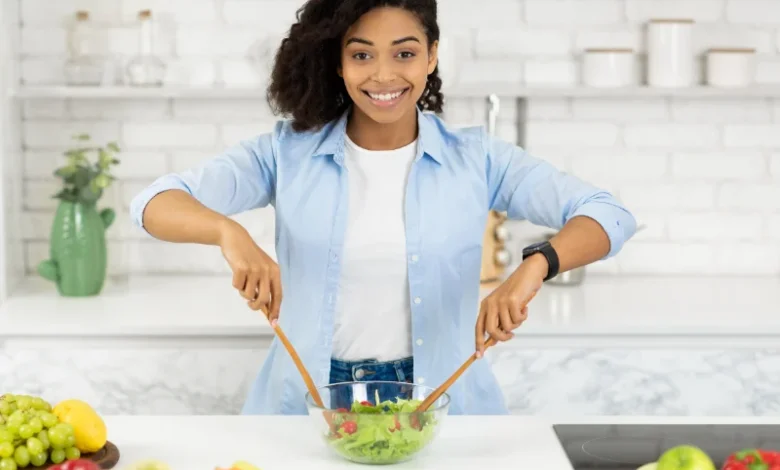
As summer temperatures ascend, the allure of a hot oven diminishes significantly for many, especially those managing diabetes. This season, however, presents a unique opportunity to embrace a healthier, more vibrant diet with minimal culinary effort. Fresh, seasonal produce, convenient pantry staples like canned proteins and legumes, and an abundance of fragrant herbs can form the foundation of delicious and satisfying meals that require little to no cooking. These recipes, specifically designed with blood glucose management in mind, adhere to the Diabetes Plate Method, a visual guide that encourages balanced eating. This method advocates for filling half of one’s plate with non-starchy vegetables, one quarter with lean protein, and the remaining quarter with carbohydrates. For personalized dietary guidance tailored to individual health goals and needs, consulting a registered dietitian nutritionist (RDN) is highly recommended.
The principles of the Diabetes Plate Method, championed by organizations like the American Diabetes Association, are rooted in decades of research demonstrating its efficacy in promoting stable blood glucose levels. By emphasizing non-starchy vegetables, individuals increase their intake of fiber, vitamins, and minerals while keeping carbohydrate counts manageable. Protein sources contribute to satiety, further aiding in blood sugar control, and carefully portioned complex carbohydrates provide sustained energy. This approach moves away from restrictive dieting and towards sustainable, enjoyable eating patterns.
Effortless Summer Delights: Recipes for Blood Glucose Harmony
The following recipes offer a testament to the fact that managing diabetes does not necessitate sacrificing flavor or convenience, particularly during the warmer months. Each dish is crafted to be quick, satisfying, and aligned with the tenets of balanced nutrition, making them ideal for busy summer days.
White Bean and Tuna Salad with Lemon-Herb Dressing
This no-cook wonder comes together in just 15 minutes and serves two, making it an exceptionally efficient option for a weeknight meal or a quick lunch. The combination of canned tuna and white beans is a testament to the power of pantry staples. White beans, rich in fiber and complex carbohydrates, provide sustained energy release, while tuna offers a lean protein punch. The bright, zesty lemon-herb dressing cuts through the richness and adds a refreshing finish.
Ingredients:
- 1 (15-ounce) can cannellini beans, rinsed and drained
- 1 (5-ounce) can chunk light tuna in water, drained
- 1 cup cherry tomatoes, halved
- 1/2 English cucumber, diced
- 2 cups mixed greens
- 2 tablespoons olive oil
- 1 tablespoon fresh lemon juice
- 1 teaspoon Dijon mustard
- Freshly ground black pepper to taste
- 2 tablespoons chopped fresh herbs (such as parsley, dill, or chives)
Preparation:
Begin by preparing the vibrant dressing. In a small bowl, whisk together the olive oil, fresh lemon juice, Dijon mustard, and a generous grinding of black pepper until well combined. In a larger bowl, gently combine the rinsed and drained cannellini beans, drained tuna, halved cherry tomatoes, and diced cucumber. Drizzle the prepared lemon-herb dressing over the bean and tuna mixture. Toss gently to ensure all ingredients are evenly coated. Serve this flavorful salad over a bed of mixed greens, and finish with a sprinkle of freshly chopped herbs for an extra burst of freshness.
Plate Method Tip: This salad naturally lends itself to the Diabetes Plate Method. The mixed greens, cherry tomatoes, and cucumber contribute significantly to the non-starchy vegetable half of your plate. The cannellini beans and tuna together effectively occupy the protein and carbohydrate quarters, offering a balanced nutritional profile. For convenient meal preparation, store the bean-tuna mixture and the mixed greens separately in airtight containers in the refrigerator. This allows for easy assembly of meals for up to three days, ensuring you always have a healthy option readily available.
Summer Chicken and Peach Lettuce Wraps
Requiring absolutely no cooking, these delightful lettuce wraps are a celebration of summer’s bounty and convenience. They are designed to be prepared in approximately 20 minutes and serve two. The star ingredients are pre-cooked chicken, such as rotisserie chicken or leftovers from a previous meal, and sweet, juicy summer peaches. The crisp texture of red cabbage and a tangy sesame dressing add layers of flavor and crunch, making these wraps feel like a gourmet treat.
Ingredients:
- 2 cups shredded rotisserie chicken or cooked chicken breast
- 1 large ripe peach, pitted and diced
- 1 cup shredded red cabbage
- 1/4 cup chopped fresh cilantro or mint
- 8 large lettuce leaves (such as butter lettuce or romaine)
- 2 tablespoons rice vinegar
- 1 tablespoon sesame oil
- 1 tablespoon soy sauce (or tamari for gluten-free)
- 2 tablespoons chopped peanuts, for topping (optional)
Preparation:
To create the flavorful dressing, whisk together the rice vinegar, sesame oil, and soy sauce in a medium bowl. Add the shredded chicken, diced peach, shredded red cabbage, and chopped fresh cilantro or mint to the bowl with the dressing. Toss gently to ensure all ingredients are thoroughly coated. Spoon the chicken and peach mixture into the prepared lettuce leaves. For an added textural element and a touch of crunch, sprinkle with chopped peanuts, if desired.
Plate Method Tip: These lettuce wraps are inherently designed for balanced eating. The large lettuce leaves naturally ensure a high proportion of non-starchy vegetables, keeping the carbohydrate count low. The inclusion of peach provides a natural sweetness from whole fruit, offering vitamins and fiber. To fully round out the meal and ensure it adheres to the Diabetes Plate Method, consider serving these wraps with a small side of whole-grain crackers or a cup of hearty lentil soup. This addition provides the necessary complex carbohydrates to complete the meal’s nutritional balance.
Black Bean and Mango Salad with Lime-Cumin Dressing
This vibrant, entirely plant-based salad is a testament to the versatility and flavor potential of legumes and tropical fruits. It can be prepared in a mere 10 minutes and yields 3-4 servings, making it an excellent option for meal prepping or serving as a crowd-pleasing side dish. Black beans are a nutritional powerhouse, providing a substantial source of plant-based protein, dietary fiber, and slowly digested carbohydrates that promote stable blood glucose levels. The American Diabetes Association actively recommends legumes, including black beans, as a vital component of a diverse eating pattern that supports cardiovascular health, particularly for individuals with diabetes.
Ingredients:
- 1 (15-ounce) can black beans, rinsed and drained
- 1 cup fresh or frozen corn kernels (thawed if frozen)
- 1 red bell pepper, diced
- 1/2 red onion, finely chopped
- 1 ripe mango, peeled and diced
- 2 tablespoons fresh lime juice
- 2 tablespoons olive oil
- 1 teaspoon ground cumin
- 1/4 teaspoon chili powder (or to taste)
- Salt and freshly ground black pepper to taste
- Optional additions: 1/2 cup shelled edamame or 1/4 cup plain Greek yogurt
Preparation:
To create the zesty lime-cumin dressing, whisk together the fresh lime juice, olive oil, ground cumin, chili powder, and a pinch of salt and pepper in a small bowl. In a large mixing bowl, combine the rinsed and drained black beans, corn kernels, diced red bell pepper, finely chopped red onion, and diced mango. Pour the prepared dressing over the salad ingredients and toss gently to combine. Allow the salad to sit for 5 to 10 minutes before serving, which allows the flavors to meld beautifully. This salad stores exceptionally well in the refrigerator for up to three days, making it an ideal make-ahead option.
Plate Method Tip: This salad offers a straightforward approach to the Diabetes Plate Method. The red bell pepper, red onion, and corn collectively contribute to the non-starchy vegetable half of your plate. The black beans effectively cover both the protein and carbohydrate quarters, providing a complete and satisfying meal base. For an enhanced protein boost, consider stirring in shelled edamame or a scoop of plain Greek yogurt. These additions can further elevate the protein content, contributing to increased satiety and improved blood glucose management.
Strategic Pantry Planning for Summer Meals
To facilitate the creation of these and similar healthy, no-cook meals, maintaining a well-stocked pantry with essential ingredients is key. The following items are invaluable for quick and nutritious summer cooking:
- Canned Beans: Black beans, cannellini beans, chickpeas – versatile for salads, dips, and side dishes.
- Canned Tuna or Salmon: Excellent sources of lean protein, ideal for salads and quick lunches.
- Rotisserie Chicken or Pre-cooked Proteins: Saves time and effort, providing a base for various dishes.
- Frozen Fruits and Vegetables: Corn, peas, berries – convenient and retain their nutritional value.
- Whole Grains: Whole-wheat crackers, oats, quinoa – for complex carbohydrate components.
- Healthy Fats: Olive oil, nuts, seeds – for dressings and added nutrients.
- Fresh Herbs: Parsley, cilantro, mint, basil – elevate flavors without adding calories.
- Vinegars and Spices: Essential for creating flavorful dressings and seasonings.
The Importance of Community and Support
Navigating the landscape of diabetes management can be a complex journey, and connecting with others who share similar experiences can be profoundly beneficial. Organizations like DiabetesSisters offer invaluable resources, including Meetup and Support Groups, where individuals can connect with other women who understand the unique challenges and triumphs of living with diabetes. These communities provide a space for shared learning, emotional support, and practical advice, fostering a sense of belonging and empowerment. The American Diabetes Association also emphasizes the role of social support in improving health outcomes and adherence to treatment plans. Research consistently shows that individuals with strong social support networks tend to exhibit better self-management behaviors, including adherence to dietary recommendations and increased physical activity.
The integration of these no-cook recipes into a summer diet offers a practical and delicious approach to managing blood glucose levels. By leveraging the abundance of fresh produce and convenient pantry staples, individuals can enjoy satisfying meals that are both healthy and time-efficient. The Diabetes Plate Method provides a clear, visual framework for balanced eating, and consulting with an RDN can further personalize dietary strategies for optimal health outcomes. Embracing these strategies not only benefits physical health but also contributes to an overall sense of well-being and control during the summer months. The American Diabetes Association’s continued emphasis on evidence-based dietary recommendations underscores the significance of such approaches in preventing complications and improving the quality of life for individuals with diabetes. The cyclical nature of summer, with its emphasis on fresh ingredients and outdoor activities, provides an ideal backdrop for cultivating sustainable healthy eating habits that extend beyond the season.