Empowering Women Through Community: DiabetesSisters Releases New Outreach Initiative to Combat Isolation in Chronic Disease Management

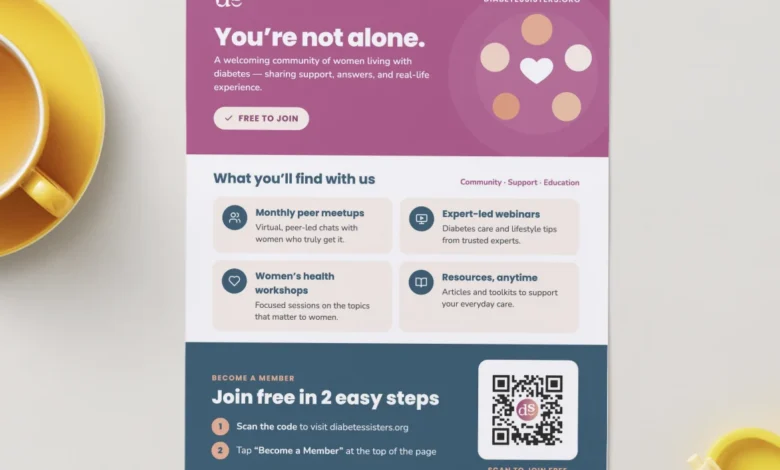
The landscape of chronic disease management is shifting from a purely clinical focus to one that increasingly prioritizes psychosocial support and community engagement. DiabetesSisters, a prominent non-profit organization dedicated to improving the health and quality of life of women living with all forms of diabetes, has launched a new, accessible outreach tool—a printable informational flyer—designed to bridge the gap between medical treatment and emotional support. By facilitating easier access to monthly virtual peer meetups, expert-led webinars, and specialized workshops, this initiative seeks to address the persistent, often overlooked issue of patient isolation in the diabetes community.
The Psychosocial Dimensions of Diabetes Management
Diabetes mellitus remains one of the most prevalent chronic conditions globally. According to the International Diabetes Federation (IDF), over 537 million adults are currently living with diabetes worldwide, with a significant proportion being women. The management of this condition is notoriously rigorous, requiring constant vigilance regarding blood glucose levels, dietary intake, physical activity, and pharmacological intervention.
However, clinical metrics—such as HbA1c levels—only tell part of the story. The "diabetes burden," characterized by the psychological weight of self-management, often leads to diabetes distress, burnout, and social withdrawal. Research published in the journal Diabetes Care has consistently demonstrated that peer support interventions can significantly improve patient outcomes, including enhanced medication adherence and reduced psychological distress. By fostering environments where women can share their lived experiences, organizations like DiabetesSisters fill a critical void that standard clinical appointments often cannot address due to time constraints and the primarily physiological focus of primary care visits.
Evolution of Support Networks: A Brief Chronology
The movement toward organized peer support for women with diabetes has evolved significantly over the past two decades. In the early 2000s, support was largely relegated to localized, in-person support groups, which were often geographically restrictive and difficult for patients with varying health statuses to attend consistently.
- 2008: The formation of DiabetesSisters was catalyzed by the recognition that women often manage their diabetes differently due to unique physiological challenges, such as hormonal fluctuations, pregnancy, and menopause, which are frequently underserved in generalized support settings.
- 2010–2015: The organization began scaling its efforts, transitioning from local grassroots advocacy to a national digital presence. This period marked the introduction of "PODS" (Part of DiabetesSisters), a program designed to create local, in-person support chapters.
- 2020–2022: The COVID-19 pandemic acted as a forced catalyst for digital transformation. The shift to virtual-first engagement proved that digital peer support was not merely a substitute for in-person interaction, but a highly effective, scalable model that allowed women from rural or underserved areas to connect with peers globally.
- 2024: The current rollout of the printable outreach flyer represents the next phase of this strategy—the integration of physical, tangible resources with digital membership portals to ensure that those who may not be active on social media platforms can still be integrated into the support network.
Analyzing the Impact of Peer-Led Initiatives
The strategy employed by DiabetesSisters—utilizing a low-barrier-to-entry resource like a QR-coded flyer—is rooted in the principles of health literacy and accessibility. Many patients, particularly those recently diagnosed, often feel overwhelmed by the sheer volume of information provided by their healthcare teams. A simple, physical flyer serves as a "soft entry" point.
Data from the Centers for Disease Control and Prevention (CDC) suggests that approximately 40% of patients with chronic diseases report feeling lonely or socially isolated. The implications of this are severe: social isolation is linked to higher mortality rates, comparable to smoking or obesity. By distributing these flyers in community hubs—such as libraries, primary care clinics, and endocrinology offices—DiabetesSisters is effectively embedding itself into the patient’s ecosystem.
From a clinical perspective, healthcare providers are often the primary gatekeepers for these resources. When a physician or nurse practitioner hands a patient a resource that provides emotional validation, it signals a holistic approach to care. This collaboration between clinical experts and patient advocacy organizations is increasingly viewed as a "best practice" in chronic disease management.
Strategic Objectives of the New Outreach Tool
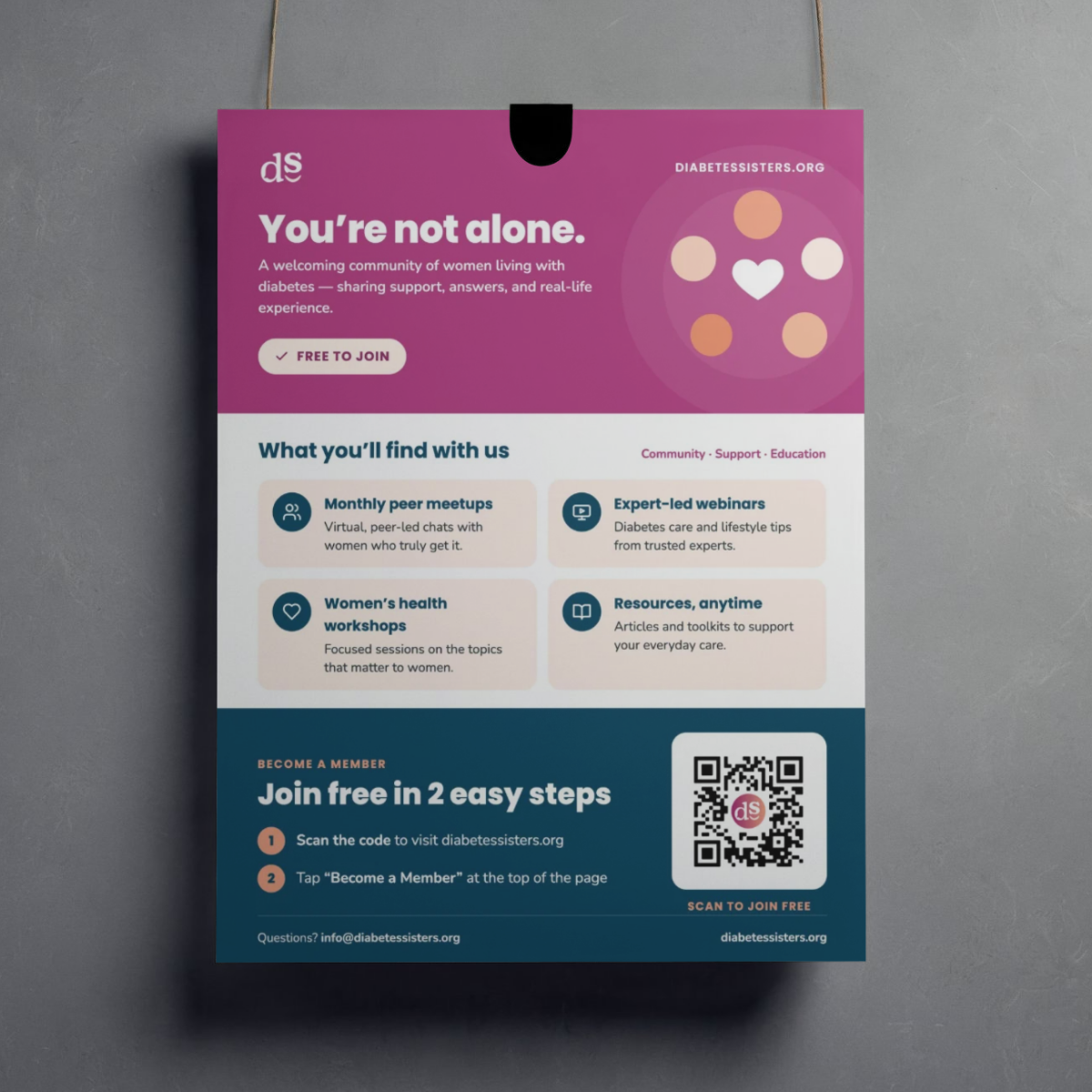
The newly released flyer is designed with multi-functional utility in mind. It serves three distinct audiences:
- The Newly Diagnosed: For a woman navigating the complexities of a recent diagnosis, the flyer provides a clear, non-intimidating pathway to resources. The inclusion of a QR code that leads directly to a "Become a Member" page minimizes the "friction" that often discourages individuals from seeking support.
- The Peer Advocate: The organization encourages current members to share the flyer within their own circles, essentially crowd-sourcing the expansion of the community. This leverages the "snowball effect" of community building, where existing members act as ambassadors.
- The Healthcare Professional: Medical professionals are encouraged to use the flyer as a standard takeaway during consultations. By offering this, providers can ensure that patients leave the clinic with more than just a prescription; they leave with a support network.
Challenges in Sustainable Patient Support
Despite the clear benefits of peer-to-peer support, the model faces inherent challenges. Funding for non-profit organizations that do not offer clinical services is often volatile. Unlike pharmaceutical companies or healthcare systems, advocacy groups rely heavily on grants, donations, and corporate partnerships.
Furthermore, there is the challenge of "digital divide" and inclusivity. While the flyer is printable, ensuring that it reaches populations in lower socioeconomic brackets—who may have higher rates of diabetes but less consistent internet access—is a hurdle. The physical nature of the flyer is a strategic choice, serving as a bridge between the physical and digital worlds. It allows the information to be placed on a refrigerator, a physical reminder that exists in the patient’s daily environment, rather than getting lost in the digital clutter of email inboxes or social media feeds.
Future Implications for Chronic Disease Care
The trajectory of this initiative points toward a broader trend in medicine: the "democratization" of health information. Patients are no longer passive recipients of care; they are active managers of their own health outcomes. Organizations that facilitate this active management, rather than simply providing information, are proving to be the most effective at driving long-term engagement.
Looking ahead, the success of the DiabetesSisters initiative will likely be measured by the growth of its membership and the retention rate of its participants. If the organization can successfully convert passive readers of the flyer into active participants in webinars and virtual meetups, it will provide a replicable model for other chronic disease advocacy groups.
The integration of such resources into standard clinical workflows could, in the long term, reduce the strain on healthcare systems by mitigating the mental health complications associated with diabetes. As medical professionals continue to recognize that emotional well-being is an integral component of glycemic control, the partnership between patient advocacy groups and the medical establishment will likely become increasingly formalized.
Conclusion
The release of this outreach flyer is a small, yet significant, step in the ongoing effort to transform the diabetes management experience for women. By addressing the fundamental human need for connection and understanding, DiabetesSisters continues to demonstrate that effective health management requires more than just insulin, sensors, and meters—it requires a community. As the healthcare landscape continues to evolve, the emphasis on peer-led, easily accessible support structures will likely remain a cornerstone of patient-centered care. Whether in a library, a doctor’s office, or on a home refrigerator, the simple presence of this resource serves as a reminder that in the face of a chronic, life-altering diagnosis, no woman needs to navigate the journey alone.