Black History Month Books for Preschoolers: Enhancing Early Childhood Education Through Diverse Representation

The integration of diverse literature into early childhood curricula has transitioned from a supplemental activity to a fundamental pillar of modern pedagogical standards. Educators and child development experts increasingly emphasize that the books provided to preschoolers serve as either "mirrors," reflecting a child’s own life and identity, or "windows," offering a view into the lives of others. During Black History Month, this dual role of literature becomes particularly vital. By thoughtfully selecting books that highlight the contributions, experiences, and voices of Black Americans, teachers and parents provide children with a broader understanding of the human experience, fostering empathy and social-awareness long before they enter primary school.
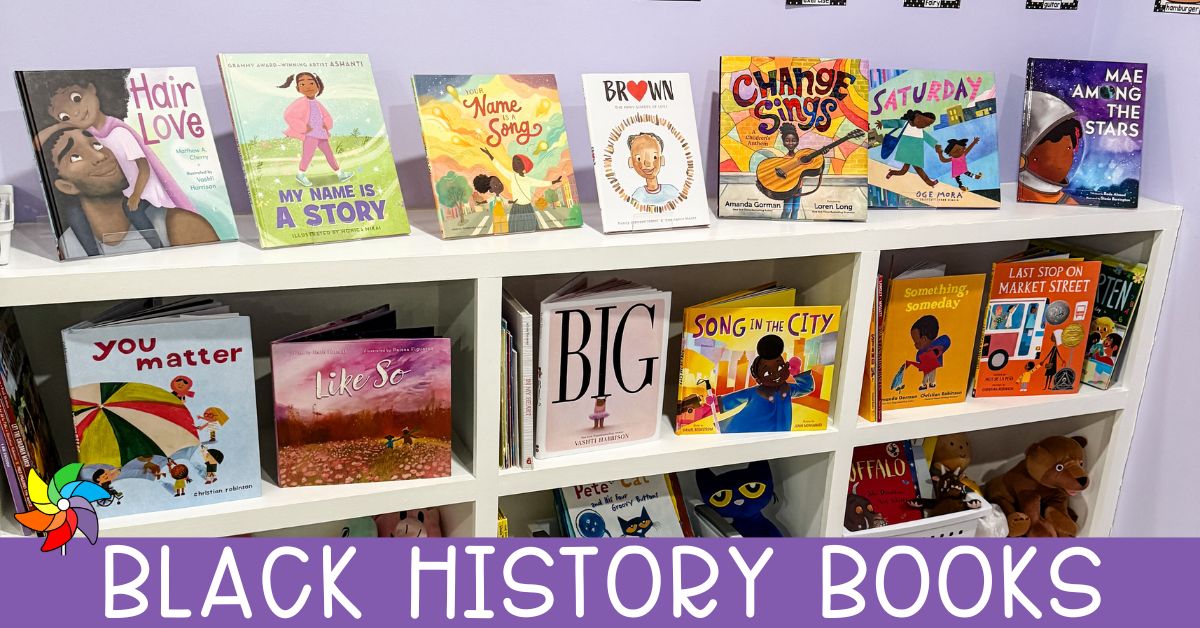
In rural or homogeneous environments, where a child’s daily interactions may be limited to a single cultural demographic, literature acts as a primary tool for global exposure. Conversely, in urban centers, diverse books validate the lived experiences of a multicultural student body. This educational strategy is not merely about historical rote learning; it is about building a foundation of respect and belonging that serves as a safeguard against the development of unconscious bias.
The Evolution of Representation in Children’s Literature
The history of Black representation in children’s books has undergone a significant transformation over the last century. For decades, the publishing industry largely ignored Black protagonists or relegated them to secondary, often stereotypical roles.

- 1926: Dr. Carter G. Woodson established Negro History Week, which eventually grew into Black History Month. During this era, literature for Black children was scarce and often produced by independent Black presses.
- The 1960s and 70s: The Civil Rights Movement spurred a demand for "multiethnic" books. The Council on Interracial Books for Children (founded in 1965) began advocating for authentic portrayals.
- The 1990s: Authors like Christopher Paul Curtis and Jacqueline Woodson began receiving major literary awards, signaling a shift toward mainstream acceptance of Black narratives.
- 2014–Present: The "We Need Diverse Books" movement, sparked by social media advocacy, forced a reckoning in the publishing industry. This led to a surge in both historical biographies and "everyday joy" stories featuring Black characters.
Despite this progress, data from the Cooperative Children’s Book Center (CCBC) at the University of Wisconsin-Madison indicates that as recently as 2018, only about 10% of children’s books featured Black protagonists. While that number is rising, the "diversity gap" remains a critical issue for educators seeking to build inclusive classroom libraries.
Supporting Data: The Impact of Representation on Early Development
Research in the field of early childhood education suggests that children begin to notice racial differences as early as six months of age and can internalize societal biases by age three. A 2020 study published in the Journal of Applied Developmental Psychology found that exposure to diverse stories can significantly reduce prejudice in preschool-aged children. When children see characters who look like them achieving greatness, it reinforces their sense of self-worth. Conversely, when children from the majority demographic see diverse heroes, it dismantles the "single story" narrative that can lead to stereotyping.

The National Association for the Education of Young Children (NAEYC) asserts that "anti-bias education" is a core component of quality care. This approach requires teachers to proactively select materials that reflect the diversity of the human family.
Non-Fiction and Biographies: Introducing Real-World Heroes
For preschoolers, historical concepts like "segregation" or "civil rights" can be abstract. Educators recommend focusing on universal themes such as courage, fairness, and perseverance. The following titles have been identified by literacy experts as effective tools for introducing Black history to young learners:

Stand Up! by Brittney Cooper
This book profiles ten Black women who influenced the course of history through peaceful protest and vocal advocacy. By including both historical figures like Ruby Bridges and modern activists like Bree Newsome, the book creates a timeline of continuous progress. It teaches preschoolers that "using your voice" is a powerful tool for fairness.
Mae Among the Stars by Roda Ahmed
Focusing on the childhood of Mae Jemison, the first African American woman in space, this story emphasizes STEM (Science, Technology, Engineering, and Math) aspirations. It provides a narrative of parental support and personal determination, making the concept of the "final frontier" accessible to four-year-olds.

Let the Children March by Monica Clark-Robinson
This title explores the 1963 Birmingham Children’s Crusade. While the subject matter is serious, the book focuses on the agency of children. It helps preschoolers understand that they are not too young to care about their community or to participate in making the world a better place.
The Oldest Student by Rita Lorraine Hubbard and Oge Mora
The story of Mary Walker, who learned to read at age 116, serves as a powerful testament to lifelong learning. It provides a unique chronological perspective, spanning from the era of enslavement to the flight of the first airplanes, teaching children that it is never too late to pursue an education.

The Importance of "Everyday Joy" and Positive Representation
A critical development in modern education is the recognition that Black History Month should not focus exclusively on trauma or the struggle against oppression. Educators argue that showing Black children in "ordinary" situations—playing in the snow, visiting a grandmother, or getting a haircut—is equally revolutionary. These stories celebrate the humanity and daily lives of Black families, providing a balanced view that avoids the "historical exception" trope.
Hair Love by Matthew A. Cherry
Originally an Academy Award-winning short film, this book celebrates the relationship between a father and daughter. It addresses the beauty of natural hair textures, promoting self-love and breaking down gender stereotypes regarding caregiving.

Last Stop on Market Street by Matt de la Peña
This Newbery Medal winner follows CJ and his grandmother on a bus ride through the city. It subtly addresses socioeconomic diversity while focusing on the "urban beauty" found in everyday life. The dialogue between the characters encourages preschoolers to practice gratitude and perspective-taking.
Saturday by Oge Mora
Highlighting the bond between a working mother and her daughter, this story deals with the universal experience of disappointment when plans go awry. Its vibrant collage illustrations and focus on resilience make it a staple for inclusive libraries.

Sulwe by Lupita Nyong’o
This book addresses the complex issue of colorism—discrimination based on the shade of one’s skin—in a way that is gentle and magical for young children. By using a celestial metaphor, it reinforces the message that every shade of skin is beautiful, providing a vital "mirror" for darker-skinned children.
Expert Analysis: The Implications for Classroom Community
The broader impact of curating these books extends beyond individual literacy. When a classroom library is diverse, it changes the social dynamics of the group. According to early childhood literacy consultants, a diverse book list:

- Reduces "Othering": By making diverse faces a standard part of the environment, children are less likely to view different cultures as "strange" or "exotic."
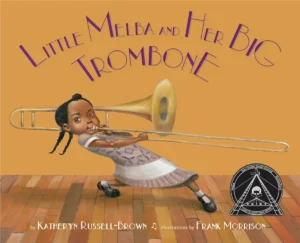
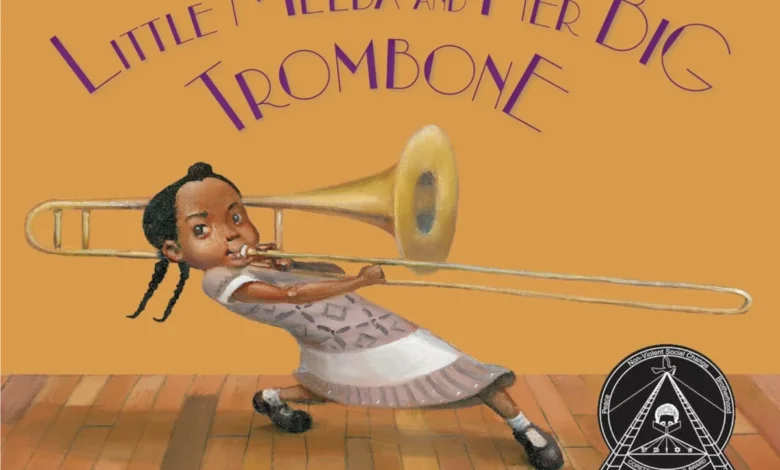
- Enhances Vocabulary: Many of these titles, such as Little Melba and Her Big Trombone or Black is a Rainbow Color, introduce children to rich cultural metaphors and specialized vocabulary related to music, art, and history.
- Promotes Critical Thinking: Books like Milo Imagines the World explicitly teach children to question their first impressions and assumptions about the people they see in public spaces.
Official Responses and Educational Standards
National educational bodies have increasingly codified the need for diverse literature. The American Library Association (ALA) and the Social Justice Training Institute have released guidelines for "Social Justice Literature," urging schools to move beyond "heroes and holidays" toward a year-round commitment to diversity.
In response to recent legislative debates regarding classroom content, many educational advocacy groups have doubled down on the importance of representation. A spokesperson for the "We Need Diverse Books" organization stated, "When children don’t see themselves in the pages of a book, they learn that they are invisible in the eyes of society. Our mission is to ensure that every child can find their story on the shelf."

Conclusion: Building a Shared American Story
Sharing Black History Month books with preschoolers is a foundational step in building a more equitable society. By blending historical narratives of courage with contemporary stories of joy, educators provide a comprehensive view of the Black experience. This balanced approach ensures that children grow up with a respect for the past and a positive outlook on the diverse world they inhabit.
Ultimately, Black history is an inseparable part of the broader American narrative. By introducing these stories during the formative preschool years, adults help children weave these threads into their own understanding of what it means to be part of a community. As the classroom library grows to reflect the "rich tapestry" described by Maya Angelou, it creates a space where every student—regardless of their background—feels valued, seen, and empowered to dream.
Related posts: