Summer Cookouts: Navigating Diabetes Management for a Joyful Season

The arrival of summer heralds a season of cherished traditions, with backyard cookouts standing as a quintessential celebration of warmth, camaraderie, and culinary delights. As families and friends gather to enjoy grilled fare and outdoor festivities, individuals managing diabetes often face the challenge of balancing these enjoyable occasions with their health goals. Experts emphasize that with thoughtful planning and informed choices, it is entirely possible to savor the season’s bounty while effectively managing blood glucose levels. This article explores strategies for navigating summer cookouts with diabetes in mind, offering practical advice and highlighting recipes designed to be both delicious and diabetes-friendly, with a particular focus on the unique considerations of the Fourth of July holiday.
Building a Balanced Plate: A Strategic Approach to Cookout Dining
The cornerstone of successful diabetes management at any social gathering, especially a cookout, lies in a proactive and planned approach to food consumption. Rather than focusing on restrictive memorization of carbohydrate counts or complete abstinence from favorite dishes, a simpler, visual strategy can prove highly effective. The "plate method," a widely recommended tool for diabetes meal planning, offers a practical framework. This method suggests dividing a standard 9-inch plate into three sections. The largest half (approximately 50% of the plate) should be dedicated to non-starchy vegetables, such as leafy greens, broccoli, bell peppers, and tomatoes. These vegetables are rich in fiber and nutrients, with a minimal impact on blood glucose. The remaining half of the plate is then divided equally. One quarter (approximately 25%) should be allocated to lean protein sources, like grilled chicken, fish, or plant-based proteins such as beans and tofu. The final quarter (approximately 25%) is reserved for carbohydrate-rich foods, which include items like corn on the cob, potato salad, baked beans, or whole-grain rolls.
Dr. Anya Sharma, a registered dietitian specializing in diabetes education, elaborates on the significance of this method. "The plate method is intuitive and empowers individuals to make informed choices without needing to constantly count every gram of carbohydrate. It emphasizes nutrient density and portion control, which are critical for stable blood sugar levels. By prioritizing non-starchy vegetables and lean proteins, individuals can fill their plates with satisfying foods that have a lower glycemic impact, leaving ample room for moderate portions of carbohydrate-containing favorites."
Beyond the plate method, several other proactive steps can enhance diabetes management during cookouts. Prior to attending, individuals can consider eating a small, balanced snack to avoid arriving overly hungry, which can lead to impulsive, less healthy food choices. Hydration is also paramount, especially in the summer heat. Opting for water, unsweetened iced tea, or sparkling water over sugary beverages is crucial. When presented with a buffet-style spread, taking a moment to survey all the available options before filling a plate allows for more deliberate selections. Identifying diabetes-friendly dishes and planning the meal composition in advance can prevent overindulgence.
Navigating the Fourth of July: Enhanced Considerations for a Festive Holiday
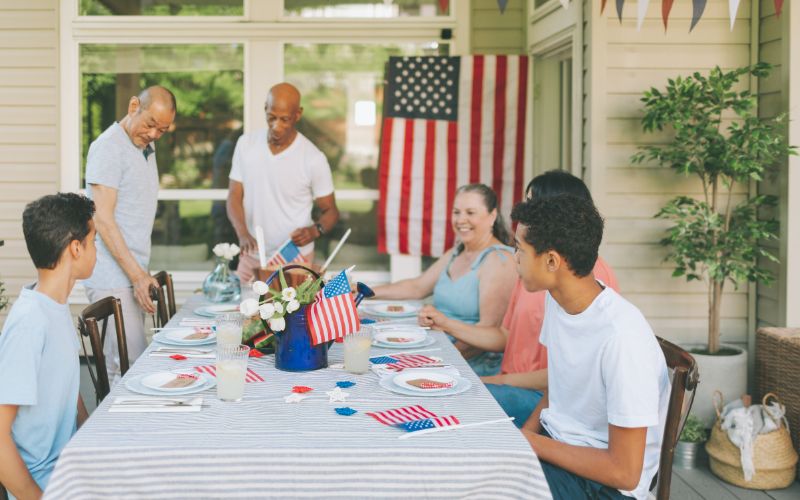
The Fourth of July, a holiday steeped in tradition and marked by widespread celebrations, often presents a confluence of challenges that can further complicate diabetes management. Beyond the typical cookout fare, this holiday frequently involves extended evening hours, increased alcohol consumption, heightened ambient temperatures, and disruptions to established daily routines. These factors can collectively influence blood glucose levels in unpredictable ways.
Late nights can disrupt the body’s natural circadian rhythms, affecting hormone production that regulates blood sugar. More alcohol, often consumed in social settings, can lead to hypoglycemia (low blood sugar) hours after consumption, particularly if consumed on an empty stomach or without adequate food intake. The intense summer heat can also impact the body’s ability to regulate blood sugar and can exacerbate dehydration, further complicating management. Furthermore, the deviation from regular meal times and medication schedules, common during holiday festivities, can create significant fluctuations.
To address these specific Fourth of July challenges, individuals managing diabetes are advised to take additional precautions. If alcohol is consumed, it should be done in moderation, preferably with food, and water should be alternated with alcoholic beverages to stay hydrated and slow absorption. Blood glucose monitoring should be increased, especially before, during, and after the celebration, and individuals should be prepared to treat potential highs or lows. For those relying on insulin, understanding how activity levels, food intake, and alcohol might affect insulin needs is essential. Consulting with a healthcare provider or certified diabetes educator prior to the holiday can provide personalized guidance.
Culinary Contributions: Bringing Diabetes-Friendly Dishes to the Table
One of the most effective strategies for ensuring there are suitable options at a cookout is to contribute a dish that aligns with diabetes management goals. This not only guarantees a safe and healthy choice for oneself but also offers a delicious alternative for others seeking lighter fare. The following recipes are designed to be flavorful, satisfying, and conducive to maintaining stable blood glucose levels.
Herb-Grilled Chicken Thighs with Lemon and Garlic
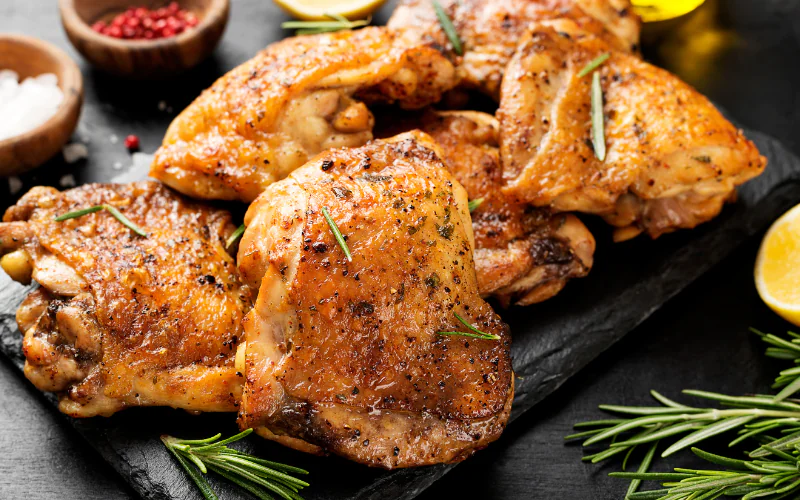
This recipe offers a protein-rich, flavorful centerpiece that avoids added sugars. Bone-in chicken thighs are ideal for grilling as they retain moisture and absorb smoky flavors exceptionally well. The simple marinade relies on fresh herbs, citrus, and aromatics for zest, eliminating the need for sugary sauces or marinades.
Prep Time: 10 minutes
Marinate Time: 2 hours or overnight
Grill Time: 20 minutes
Serves: 8
Ingredients:
- 8 bone-in, skin-on chicken thighs
- 1/4 cup olive oil
- 1/4 cup fresh lemon juice
- 1 tablespoon lemon zest
- 4 cloves garlic, minced
- 2 tablespoons fresh rosemary, chopped
- 2 tablespoons fresh thyme, chopped
- 1 teaspoon paprika
- 1 teaspoon salt
- 1/2 teaspoon black pepper
Instructions:
In a bowl or zip-top bag, combine olive oil, lemon juice, lemon zest, minced garlic, chopped rosemary, chopped thyme, paprika, salt, and pepper. Add the chicken thighs and ensure they are thoroughly coated. Refrigerate for at least 2 hours, or preferably overnight, to allow the flavors to meld. Approximately 20 minutes before grilling, remove the chicken from the refrigerator to bring it closer to room temperature. Preheat your grill to medium-high heat. Place the chicken thighs skin-side down on the grill and cook for 8 to 10 minutes until the skin is golden and crispy. Flip the thighs and continue to cook for another 10 to 12 minutes, or until the internal temperature reaches 165 degrees Fahrenheit. Allow the chicken to rest for 5 minutes before serving.
Plate Method Tip: These herb-grilled chicken thighs are a protein-forward dish with no added sugars. The natural fats in the chicken skin can help slow down digestion, which may moderate any subsequent rise in blood glucose levels when consumed alongside other foods. For a complete meal, pair these chicken thighs with a generous serving of a large green salad and a small portion of a bean salad, adhering to the plate method guidelines.
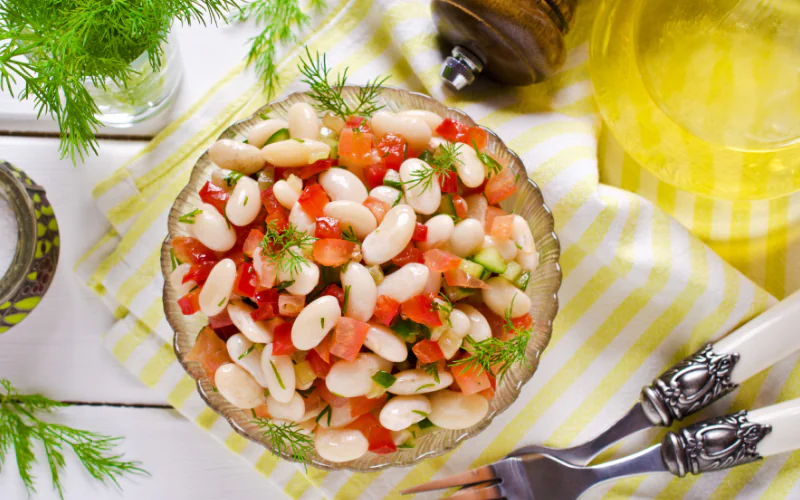
Cucumber, Tomato, and White Bean Salad
This vibrant, no-cook salad is packed with fiber and plant-based protein, making it an excellent choice for blood glucose management. It travels well, holds up admirably in warmer temperatures, and appeals to a broad range of palates, making it a crowd-pleasing addition to any cookout.
No Cook
Prep Time: 15 minutes
Serves: 8
Ingredients:
- 2 (15-ounce) cans cannellini beans (white kidney beans), rinsed and drained
- 1 pint cherry tomatoes, halved
- 1 large cucumber, seeded and diced
- 1/2 red onion, thinly sliced
- 1/4 cup olive oil
- 2 tablespoons red wine vinegar
- 1 tablespoon Dijon mustard
- Salt and freshly ground black pepper to taste
- 1/4 cup fresh parsley, chopped
- 2 tablespoons fresh mint, chopped (optional)
Instructions:
In a small bowl, whisk together the olive oil, red wine vinegar, Dijon mustard, salt, and pepper until well combined to create the dressing. In a large bowl, combine the rinsed and drained cannellini beans, halved cherry tomatoes, diced cucumber, and thinly sliced red onion. Pour the prepared dressing over the bean mixture and toss gently to coat all the ingredients. Add the chopped fresh parsley and mint (if using) and toss again, being careful not to overmix. Refrigerate the salad until ready to serve. This salad can be prepared the night before, allowing the flavors to deepen.
Plate Method Tip: White beans, such as cannellini beans, are a fantastic source of both plant-based protein and dietary fiber. These components work synergistically to slow the absorption of carbohydrates into the bloodstream, contributing to more stable blood glucose levels. This salad can effectively serve as a substantial side dish or a lighter main course option.
Red, White, and Blueberry Skewers with Honey-Lime Yogurt Dip
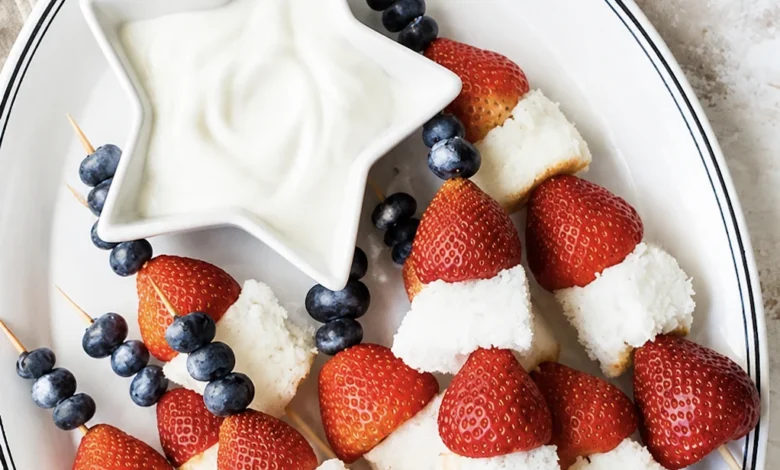
A festive and naturally sweet dessert option, these skewers are particularly fitting for the Fourth of July. The natural sugars from the fresh fruit are accompanied by fiber, and the yogurt dip provides a protein boost. This combination offers a healthier alternative to traditional, sugar-laden desserts.
No Cook
Prep Time: 15 minutes
Makes: 16 skewers
Ingredients:
- 1 pint strawberries, hulled and quartered
- 1 pint blueberries
- 1 cup cubed white fruit (e.g., melon, pineapple chunks, jicama)
- 16 small skewers
- 1 cup plain Greek yogurt
- 1 tablespoon fresh lime juice
- 1 teaspoon lime zest
- 1 teaspoon honey (optional, adjust to taste)
Instructions:
Carefully thread the strawberries, white fruit, and blueberries onto the small skewers, arranging them in a patriotic red-white-blue pattern. For the dip, whisk together the plain Greek yogurt, fresh lime juice, lime zest, and honey (if using) until smooth and well combined. Arrange the prepared skewers on a platter and serve alongside the honey-lime yogurt dip.
Plate Method Tip: Fresh fruits contain natural sugars but also provide dietary fiber, which helps to moderate their impact on blood glucose levels compared to fruit juices or highly processed fruit-flavored sweets. The Greek yogurt in the dip adds protein, which can further slow the absorption of any carbohydrates consumed. To minimize the glycemic impact, it is advisable to limit consumption to one to two skewers at a time, especially when other foods have already been eaten.
A Balanced Perspective on Diabetes Management
It is crucial to remember that managing diabetes, particularly in social settings like summer cookouts, is not about achieving absolute perfection. Rather, it is about approaching these occasions with a degree of awareness, making informed choices when possible, and extending oneself grace when deviations occur. The goal is sustainable management that allows for enjoyment of life’s pleasures without compromising long-term health.
For individuals seeking further support and connection, engaging with communities that understand the unique challenges of living with diabetes can be invaluable. Platforms such as online forums, local support groups, and organized meetups provide opportunities to learn from peers, share experiences, and access a wealth of practical advice. These resources can empower individuals to navigate various situations, including seasonal celebrations, with greater confidence and resilience. By fostering a supportive network, the journey of diabetes management can become a more collaborative and less isolating experience.