Accelerating the Cure: How Breakthrough T1D and the NIDDK are Paving the Way for Next-Generation Islet Cell Therapies in Type 1 Diabetes

The landscape of type 1 diabetes (T1D) treatment is undergoing a monumental shift, moving beyond the daily management of blood glucose levels toward true biological restoration. In clinical trials across the globe, participants receiving advanced islet cell therapies are experiencing something once thought impossible: coming off external insulin entirely while maintaining healthy, natural blood sugar levels. Behind this medical revolution is an intense, coordinated effort by researchers, clinicians, biotech innovators, and regulatory bodies to transition these breakthroughs from specialized experimental procedures into scalable, widely accessible cures. As momentum builds, stakeholders across the medical community are doubling down on collaborative strategies to clear the path for next-generation manufactured islet cell therapies.
Bridging the Gap: First- Versus Next-Generation Treatments
To understand the magnitude of current scientific advancements, it is essential to examine the evolution of islet cell transplantation. First-generation islet cell therapies, including those currently undergoing rigorous clinical evaluation, have delivered remarkable results, but their application remains severely restricted. Presently, these therapies are largely limited to individuals suffering from severe hypoglycemic events and hypoglycemia unawareness—a dangerous condition where patients lose the physiological warning signs of plummeting blood sugar.
Next-generation islet cell therapies aim to dismantle these limitations. By leveraging manufactured and stem cell-derived versions that can be mass-produced in controlled laboratory and industrial environments, the scientific community is targeting a vastly expanded patient demographic. The ultimate vision driving current research initiatives is clear: a future where every individual diagnosed with type 1 diabetes who desires an islet cell therapy can access one safely and efficiently.
A Collaborative Milestone: The National Workshop on Translation
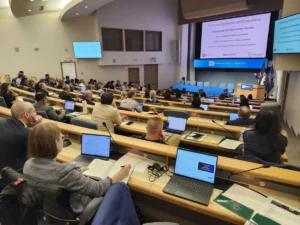
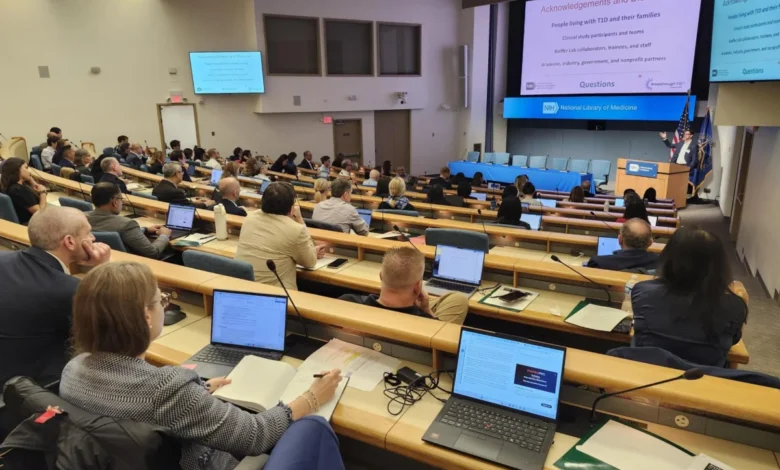
To sustain this clinical momentum and address the multifaceted challenges of scaling production, Breakthrough T1D—formerly known as JDRF—recently co-hosted a pivotal public workshop alongside the National Institute of Diabetes and Digestive and Kidney Diseases (NIDDK). Entitled Accelerating the Translation of Cell Therapy for Type 1 Diabetes, the event served as a central hub for cross-disciplinary dialogue.
The workshop convened a diverse coalition of experts, including leading academic researchers, practicing endocrinologists, biotechnology executives, regulatory officials from the U.S. Food and Drug Administration (FDA), and individuals with lived experience of type 1 diabetes. By bringing these key voices together, the organizing committee fostered an environment of transparent problem-solving, focusing on best practices, regulatory pathways, and clinical recommendations designed to accelerate the deployment of next-generation therapies.
The Conversation: From Bench to Bedside and Beyond
The comprehensive agenda of the workshop addressed the entire lifecycle of cellular therapy development, spanning preclinical research, large-scale industrial manufacturing, innovative clinical trial design, the integration of artificial intelligence, and direct patient perspectives.
Advancing Nonclinical Research and Preclinical Models
Before any novel therapeutic candidate enters human clinical trials, exhaustive nonclinical studies must be conducted to establish robust evidence of safety and efficacy. Presenters at the workshop emphasized that selecting optimal experimental designs is critical for generating accurate, reliable, and reproducible data. This process requires identifying precise T1D animal and cellular models alongside sophisticated data collection methodologies capable of answering complex immunological questions.
Furthermore, researchers shared encouraging data concerning alternative islet cell sources, cellular survival rates under physiological stress, and novel methods for achieving immune protection without relying on overly toxic systemic immunosuppression. These preclinical foundations are essential for mitigating risks before human translation begins.
Scaling Up: The Manufacturing Challenge
One of the most formidable hurdles in the commercialization of islet cell therapies is large-scale manufacturing. To ensure an adequate supply of islets for the global type 1 diabetes population, production must scale exponentially while maintaining absolute consistency and purity.
FDA manufacturing requirements present a stringent regulatory framework that shifts dynamically as studies transition from small-scale preclinical evaluations to first-in-human clinical trials. Presenters during the industrial manufacturing sessions explored the distinct operational models of academic laboratories versus commercial biotechnology settings. While academic centers excel at innovation and early-stage production, industry partners provide the infrastructure necessary for high-throughput manufacturing. Balancing these environments is teaching the scientific community how to produce large, reliable batches of uniform islet cells—a notoriously complex biochemical feat.
Redesigning Clinical Trials for Broad Accessibility
Evidence from ongoing and historical studies clearly demonstrates that islet cell therapies work, with many recipients successfully reducing or completely eliminating their reliance on exogenous insulin injections. Moreover, qualitative and quantitative data indicate that for a significant portion of the T1D community, the long-term health benefits of a functioning islet transplant far outweigh the risks associated with modern immunosuppressive regimens.
Looking forward, clinical trial designs must evolve. Experts discussed strategies for expanding inclusion criteria to a broader patient demographic, establishing meaningful and standardized clinical endpoints, and educating both the wider T1D community and primary healthcare providers to drive robust patient referrals and trial participation. To secure ultimate regulatory approval, researchers must align manufacturing rigor, safety profiles, and efficacy endpoints with the expectations set by agencies like the FDA.
Artificial Intelligence as a Catalyst for Innovation
In recent years, artificial intelligence (AI) has emerged as an indispensable tool across numerous branches of medicine, and islet cell therapy is no exception. Researchers are actively applying machine learning algorithms to optimize multiple stages of the therapeutic workflow.
For instance, AI models are now being utilized to forecast individual blood sugar responses up to one year post-transplant, providing clinicians and patients with predictive insights to guide personalized post-transplant care. In the manufacturing sector, AI systems predict how cellular populations will behave under varying environmental conditions, allowing technicians to dynamically modify production processes in real time. Perhaps most promisingly, AI is being leveraged to design novel therapies at the cellular level. This includes the conceptualization of "smart" islet cells engineered with synthetic biology features capable of autonomously sensing immune attacks and deploying targeted, localized immune-protective measures.
Centering the Patient Voice: Lived Experiences in T1D Research
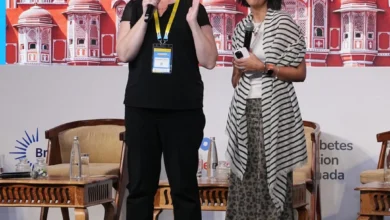
Scientific progress cannot occur in a vacuum; it must remain anchored to the real-world experiences of those living with the condition. The workshop featured powerful testimonials from members of the T1D community, including individuals who have managed the disease for decades, parents navigating a child’s diagnosis, and patients who have undergone experimental islet cell transplants—with varying outcomes.
Panelists discussed the relentless psychological and physical burdens of daily diabetes management, the realities of living with immunosuppression, and the transformative impact of successful cellular restoration. Notably, one participant shared that even requiring a single insulin injection per day following a partial transplant represented a life-changing, overwhelmingly positive clinical outcome. By integrating these lived experiences into the research and development pipeline, developers ensure that person-centered design remains at the core of next-generation therapies. Organizations like the Breakthrough T1D Participant Advisory Council continue to lead this charge, guiding clinical trial protocols through the lens of patient advocacy.
The Broader Implications and Future Outlook
The current acceleration of islet cell therapy science represents a coordinated tri-fold advance: nonclinical research in the laboratory, human validation through clinical trials, and industrial innovation in large-scale manufacturing. While scientists and clinicians push the boundaries of regenerative medicine, organizations like Breakthrough T1D play an indispensable role in maintaining an open, collaborative dialogue across sectors.
By facilitating transparent discussions on manufacturing bottlenecks, regulatory navigation, and emerging technological partnerships, the medical community is systematically dismantling the barriers that have historically delayed cellular therapies. Furthermore, by ensuring that the voices of individuals with type 1 diabetes remain central to the conversation, researchers are steering the field toward outcomes that are not only scientifically revolutionary, but profoundly meaningful to patients.
As the collaborative efforts between organizations such as Breakthrough T1D, the NIDDK, regulatory bodies, and industry leaders continue to mature, the horizon for type 1 diabetes care is visibly shifting. The collective commitment displayed at recent forums signals that the scientific community is closer than ever to transforming next-generation islet cell therapies from experimental promise into an accessible, scalable, and enduring reality for millions worldwide.