Creamy Chicken and Cashew Curry Emerges as the Ultimate Family-Friendly Weeknight Meal Solution

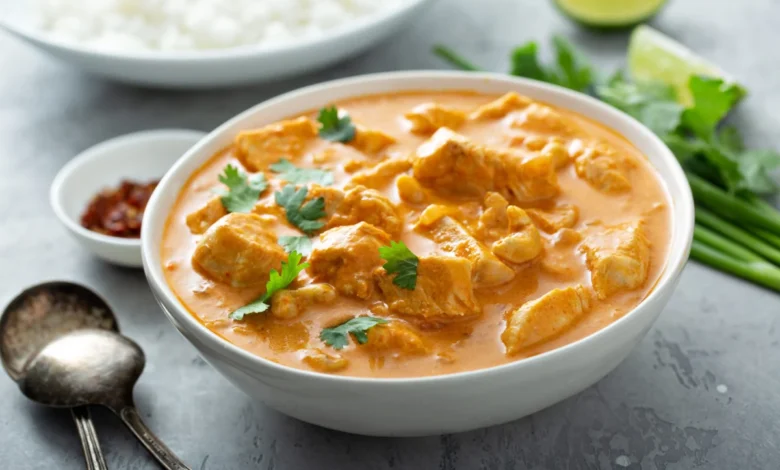
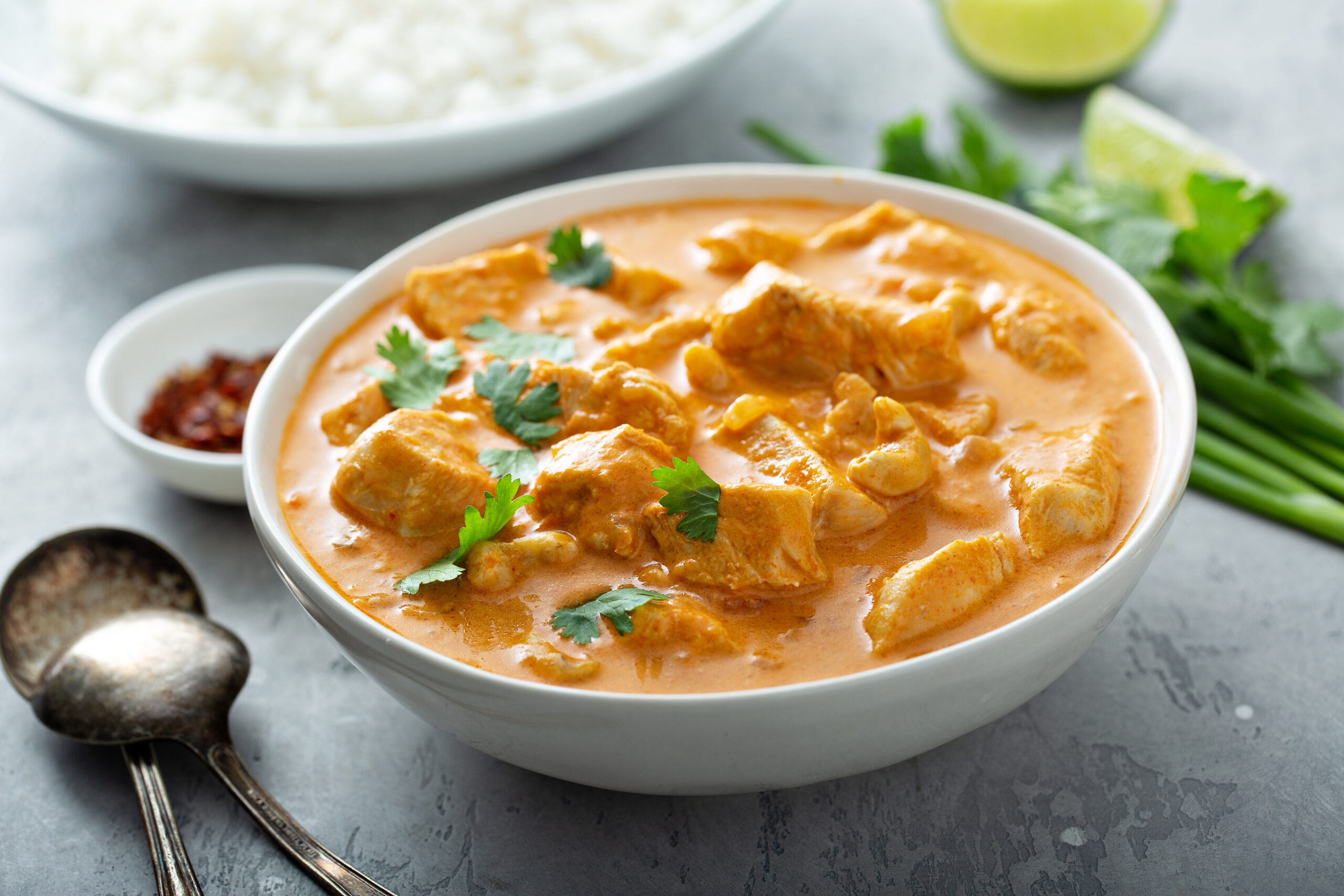
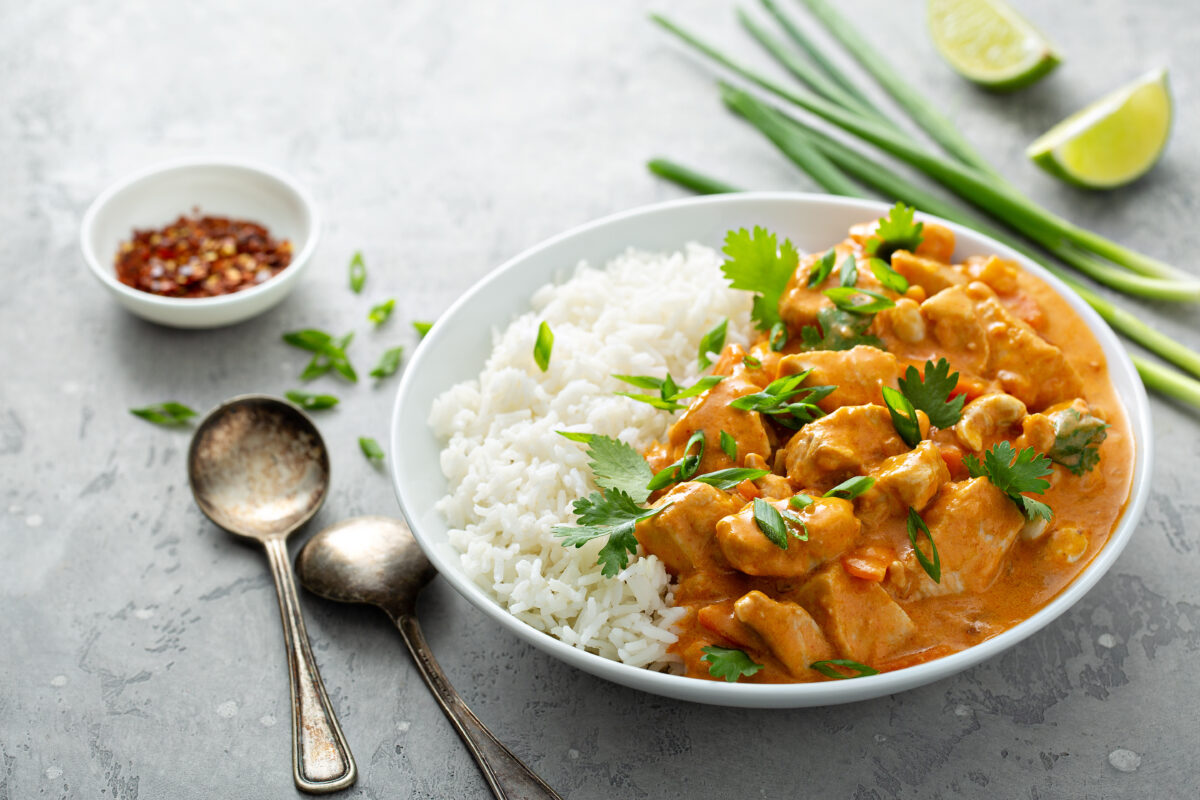
In the fast-paced landscape of modern family life, the nightly endeavor of preparing a meal that simultaneously satisfies nutritional requirements, pleases young palates, and remains manageable for busy parents is an ongoing challenge. Recent culinary trends and family nutrition reports highlight a growing demand for dinners that bridge the gap between comforting familiarity and exploratory dining. Enter the one-pan Chicken and Cashew Curry, a dish that has rapidly gained traction among household cooks for its harmonious blend of tender poultry, textural contrast from crunchy nuts, and a velvety, mild coconut-based sauce.
Culinary experts and family nutritionists note that introducing complex flavor profiles to children often fails when dishes rely on excessive heat or unfamiliar textures. This particular curry addresses those barriers by utilizing aromatic spices that are gently toasted to release deep, savory notes without overwhelming the palate. As households increasingly lean toward streamlined cooking methods that minimize cleanup, the one-pan approach of this curry has positioned it as a dominant staple in contemporary weeknight meal planning.
The Evolution of Weeknight Curry and Global Influences in Home Cooking
The adaptation of South Asian-inspired curries into Western household routines represents a broader shift in culinary globalization. Over the past several decades, spice consumption in domestic kitchens has evolved dramatically. Ingredients once considered specialty items—such as turmeric, cumin, and coconut milk—are now mainstream staples found in virtually every major supermarket.
Nutritional anthropologists and food historians trace this shift to increased multicultural exposure and a growing appreciation for the health benefits associated with traditional spices. Turmeric, widely recognized for its active compound curcumin, has been studied extensively for its anti-inflammatory properties. Similarly, cumin and coriander contribute not only depth of flavor but also digestive benefits. By incorporating these elements into an approachable, coconut-milk-based sauce, modern home cooks can introduce children to diverse culinary traditions without triggering resistance to overly spicy foods.
The addition of cashews further elevates the dish, bridging texture and nutrition. Tree nuts are a rich source of healthy monounsaturated fats, plant-based protein, and essential minerals such as magnesium and zinc. By strategically adding the cashews at the final stage of cooking, the recipe preserves their characteristic crunch, offering a sensory experience that appeals particularly to children who often reject uniformly soft or puréed textures.
Nutritional Profile and Dietary Flexibility
From a dietary standpoint, the Chicken and Cashew Curry aligns with modern nutritional recommendations that emphasize lean proteins, healthy fats, and vegetable integration. Standard preparations feature skinless chicken breast or thigh meat, which provides high biological value protein essential for muscle repair and growth, particularly in developing children.
Dietitians emphasize that the dish’s adaptability is one of its strongest nutritional assets. The foundational sauce readily accommodates a wide array of produce, allowing families to boost their micronutrient and fiber intake effortlessly. Common modifications include:
- Cruciferous vegetables: Folding in small broccoli or cauliflower florets during the final minutes of simmering introduces Vitamin C, K, and essential glucosinolates.
- Leafy greens: Stirring in fresh spinach just before serving melts down into the sauce, providing a seamless source of iron and folate without altering the core flavor profile.
- Root vegetables: Diced sweet potatoes can be simmered until tender, adding complex carbohydrates, beta-carotene, and natural sweetness that further mellows the spices for younger diners.
- Plant-based alternatives: Substituting chickpeas for a portion of the chicken increases soluble fiber content, aligning with flexitarian dietary patterns.
Furthermore, the choice of dairy-free full-fat coconut milk provides a rich, creamy mouthfeel while supplying medium-chain triglycerides (MCTs), which are metabolized efficiently by the body for energy. For households managing specific dietary restrictions, the dish is naturally gluten-free and can easily be adapted to vegetarian or vegan parameters by swapping the poultry for plant-based proteins or robust vegetables.
Culinary Techniques: Achieving the Ideal Balance of Texture and Flavor
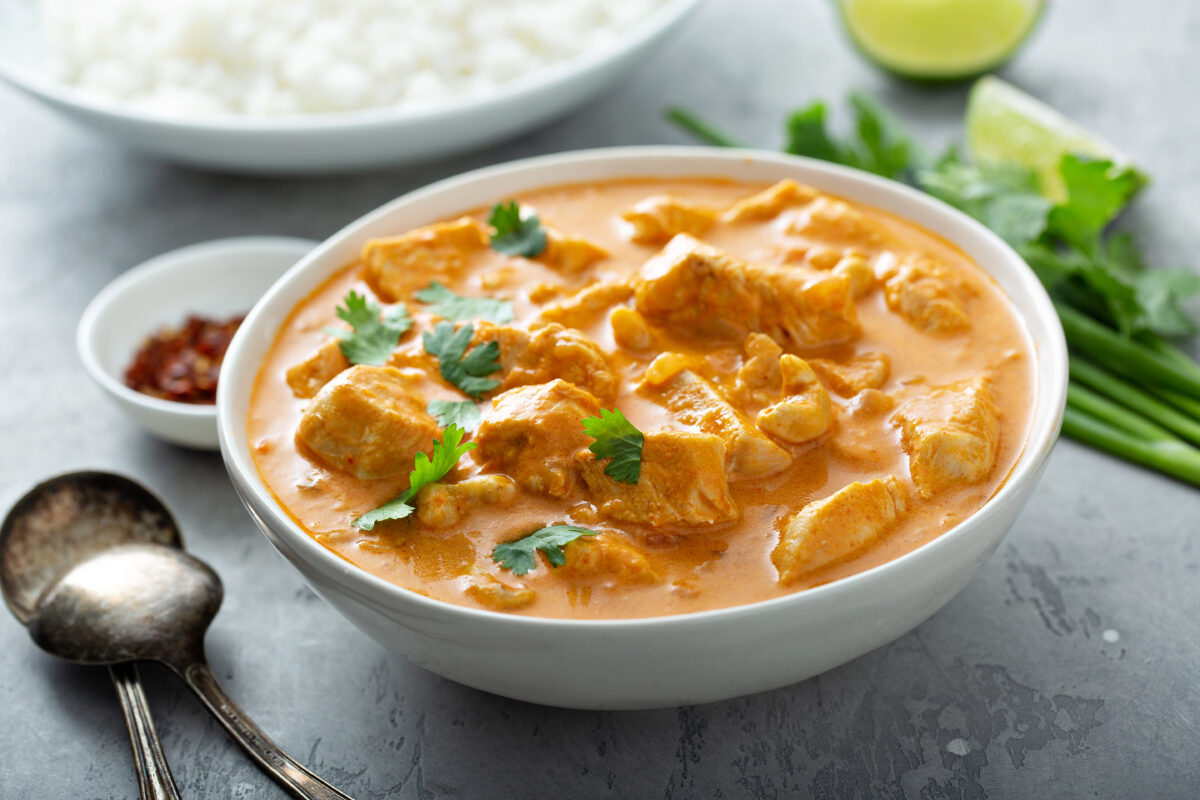
Achieving restaurant-quality results in a home kitchen requires adherence to specific culinary techniques, particularly when working with delicate proteins and dairy-free emulsions. Professional chefs and recipe developers recommend several key practices for executing a successful chicken and cashew curry:
- Spice Blooming (Chungk/Thalim): Toasting ground spices such as curry powder, cumin, and turmeric in fat prior to introducing liquids is a critical step. This process activates fat-soluble flavor compounds, neutralizing the raw, dusty taste often associated with powdered spices and yielding a deeply aromatic base.
- Protein Management: Searing the chicken pieces until lightly browned and removing them from the pan before the sauce is fully constructed prevents overcooking. Poultry left to simmer continuously in a boiling liquid can become dry and stringy; returning it to the sauce near the end of the cooking process ensures it remains succulent.
- Emulsion Stability: When utilizing coconut milk, the choice between full-fat and light varieties dictates the final viscosity and mouthfeel of the sauce. Full-fat coconut milk contains natural emulsifiers and higher lipid content, which resist separation and create a luxurious texture. If light coconut milk is substituted, reducing the sauce uncovered over medium-low heat is necessary to achieve the desired consistency.
- Acid Balancing: The inclusion of fresh lime juice at the conclusion of cooking serves a vital chemical function. The acidity cuts through the richness of the coconut milk and fats, brightening the overall flavor profile and tying the disparate elements together.
Meal Preparation, Storage, and Food Safety Protocols
In an era where meal prepping has become an essential strategy for time-pressed families, the adaptability of recipes for make-ahead dining is a primary consideration. The Chicken and Cashew Curry excels in this regard, as the resting period allows the complex flavor compounds to meld and deepen.
When prepared in advance, the curry can be stored in an airtight container in the refrigerator for up to four days. Food safety guidelines recommend rapid cooling of cooked poultry before refrigeration to prevent the proliferation of pathogens. For optimal textural integrity, culinary experts advise omitting the cashews until the reheating phase; storing nuts in a liquid environment for extended periods causes them to absorb moisture and lose their signature crunch.
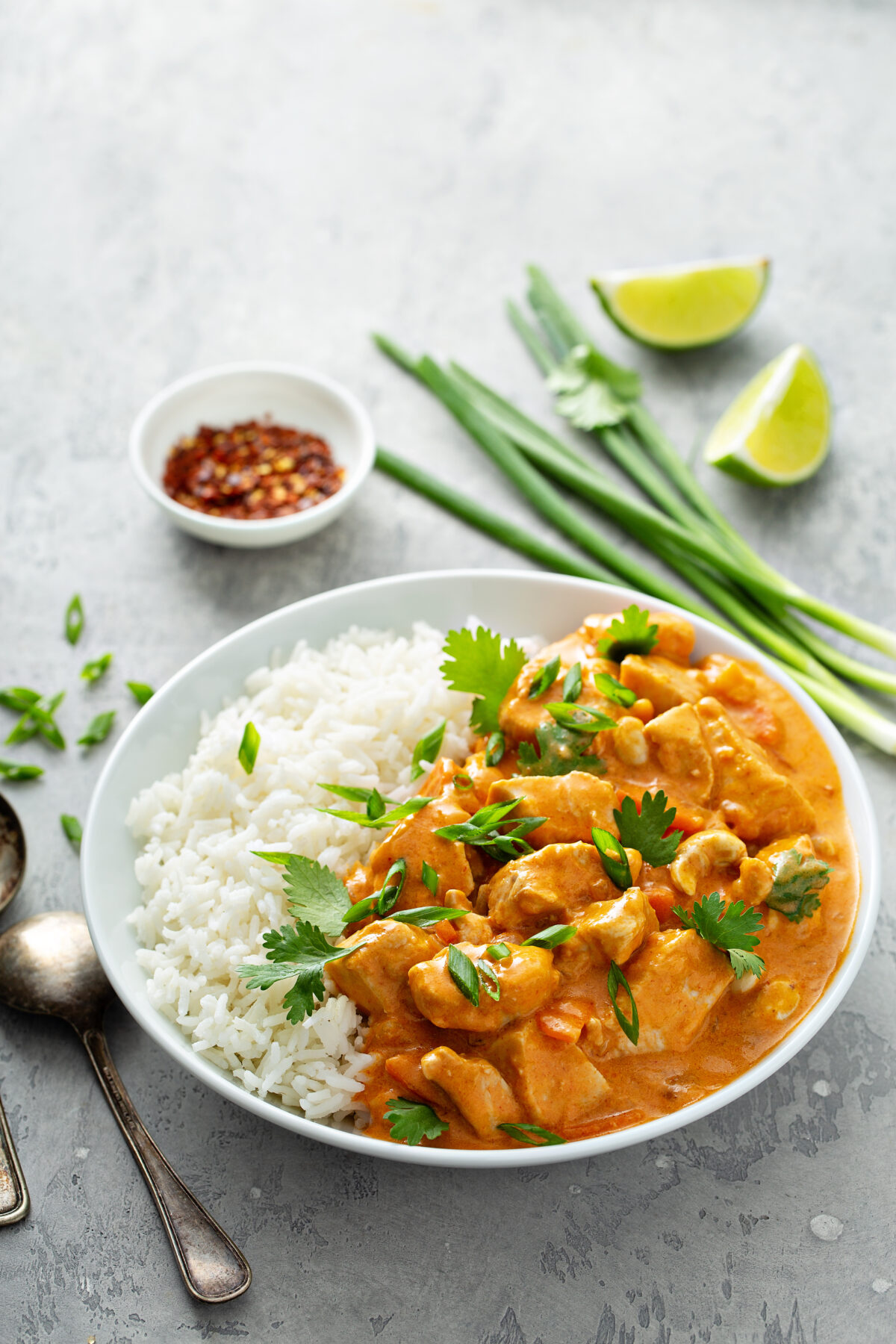
For longer-term storage, the base curry—minus the cashews—freezes exceptionally well for up to three months. When reheating frozen coconut-based sauces, gentle application of heat on the stovetop or in a microwave, accompanied by vigorous stirring, ensures that any minor separation of the coconut fats is successfully re-emulsified. A minor splash of chicken broth or water can be incorporated during reheating if the sauce has thickened significantly during storage.
Broader Socioeconomic Implications and the Modern Kitchen
The rising popularity of adaptable, globally inspired weeknight dinners reflects broader socioeconomic shifts in how households allocate time and resources toward food preparation. With dual-income households and remote work environments blurring the boundaries of the traditional workday, the demand for high-efficiency, multi-functional kitchen equipment—such as the single skillet utilized in this recipe—has surged.
Market analysts observe that consumers increasingly seek recipes that minimize dishwashing labor while maximizing sensory satisfaction and nutritional value. By delivering a meal that satisfies both the culinary aspirations of adults and the cautious palates of children, recipes like the Chicken and Cashew Curry fulfill a vital role in reducing household stress around meal times.
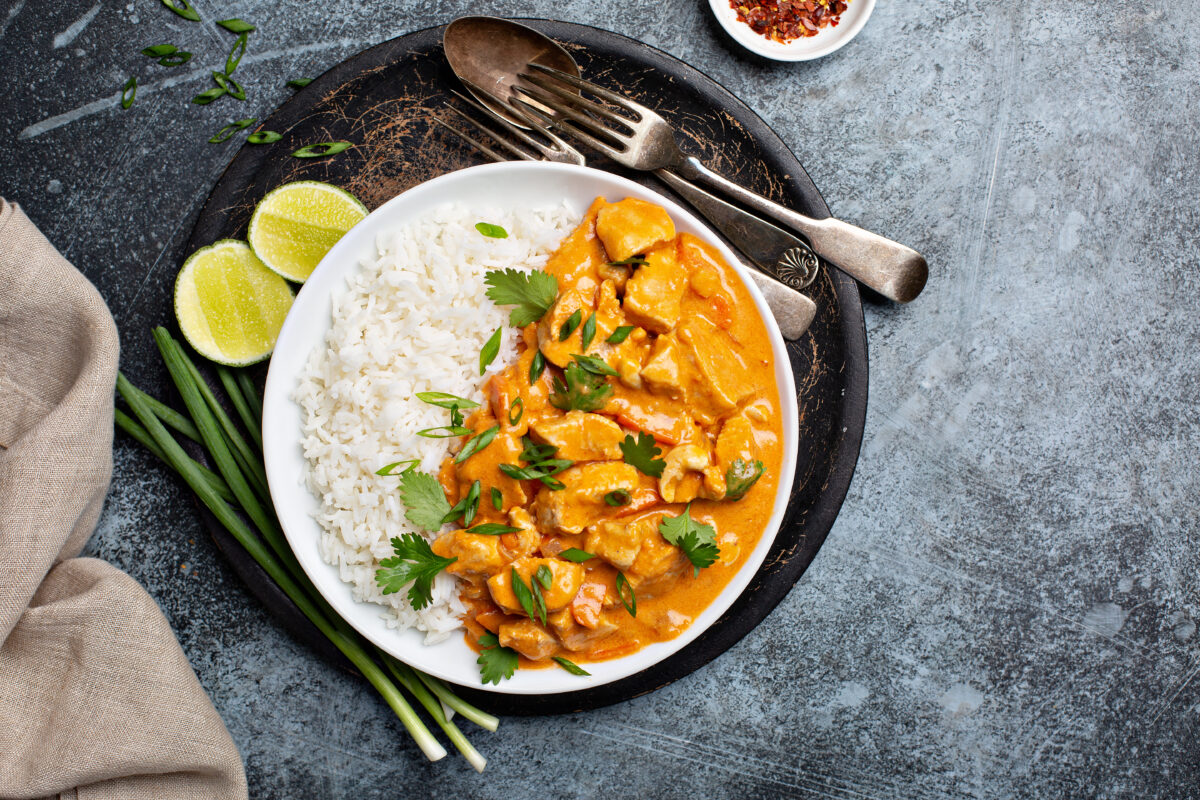
Ultimately, the dish exemplifies how contemporary home cooking successfully merges global flavors with practical household logistics. By prioritizing approachable spice profiles, nutrient-dense ingredients, and streamlined preparation methods, modern families continue to redefine the boundaries of everyday dining, proving that weeknight meals can be simultaneously nourishing, culturally expansive, and universally comforting.
Related posts: