The Ultimate Guide to the Best Store-Bought Popsicle Brands for Summer 2026

As the summer heat intensifies, consumers are increasingly seeking refreshing and healthier frozen treat options. For summer 2026, a discerning approach to popsicle selection is paramount, moving beyond sugary, artificially flavored varieties towards those made with real fruit and minimal added sugars. This guide, curated by a registered dietitian and mother of three, delves into the top store-bought popsicle brands that align with health-conscious choices, offering a refreshing alternative to traditional frozen desserts.
Understanding the Nutritional Landscape of Popsicles
The market for frozen treats is vast, but not all popsicles are created equal. Traditional popsicles often contain a significant amount of added sugar, with many brands exceeding 20 grams per serving. This high sugar content can contribute to energy spikes and subsequent crashes, making them less than ideal for regular consumption, especially for children. The distinction between "real fruit" and "fruit-flavored" popsicles is crucial. Real fruit varieties utilize blended whole fruits or 100% fruit juices, which can provide natural vitamins, minerals, and even dietary fiber. In contrast, fruit-flavored options typically rely on water, artificial flavorings, and synthetic sweeteners.
When examining ingredient lists, consumers should prioritize popsicles made with 100% fruit juice or fruit puree. For those containing added sugars, cane sugar is generally preferred over high-fructose corn syrup and artificial sweeteners like sucralose. The inclusion of natural colorings derived from sources like spirulina extract, as opposed to artificial dyes such as Yellow 5, is another indicator of a healthier choice.
Decoding Nutrition Labels for Smarter Choices
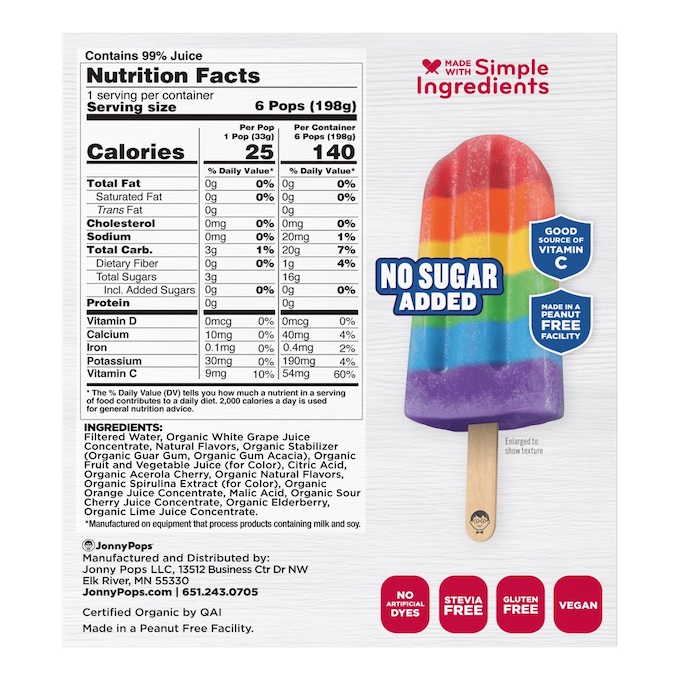
Navigating the nutrition labels of frozen treats requires a keen eye. A key metric to observe is the difference between "total sugar" and "added sugar." While total sugar content may be influenced by the naturally occurring sugars present in fruits, a low or zero added sugar count signifies that minimal external sweeteners have been incorporated. Furthermore, the presence of fiber, protein, or even a small amount of fat can contribute to a more sustained energy release and help mitigate rapid blood sugar fluctuations. These macronutrients can make a popsicle a more satisfying and balanced treat.
Top Picks for Healthier Popsicle Consumption in Summer 2026
1. Creamy Indulgence: Yasso Bars
For those who crave a creamy texture without the heavy cream typical of ice cream, Yasso Bars offer a compelling alternative. These bars are crafted using Greek yogurt as a primary ingredient, providing a good source of protein. While they typically contain around 8-9 grams of added sugar per serving, their protein content offers a nutritional advantage over many traditional ice cream bars. This makes them a popular choice for consumers seeking a treat that is both satisfying and offers some nutritional benefits.
2. Wholesome Fruit Flavors: Deebee’s Organic
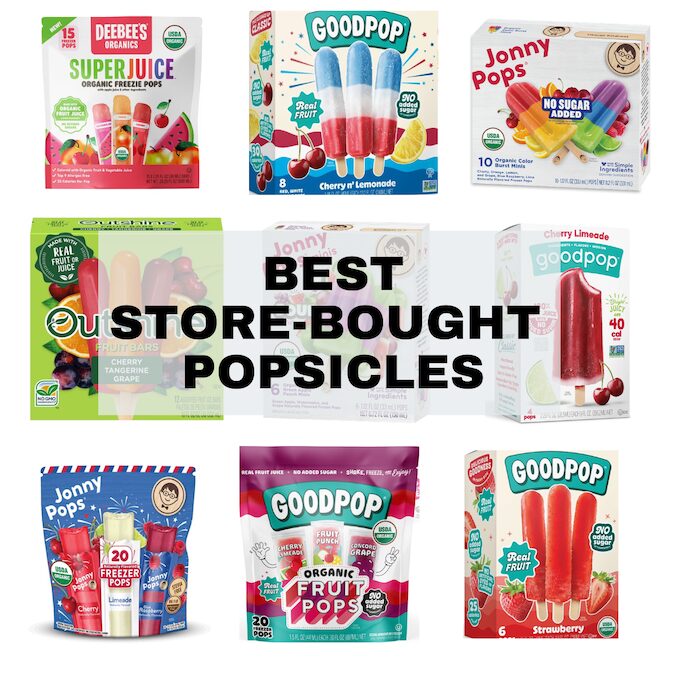
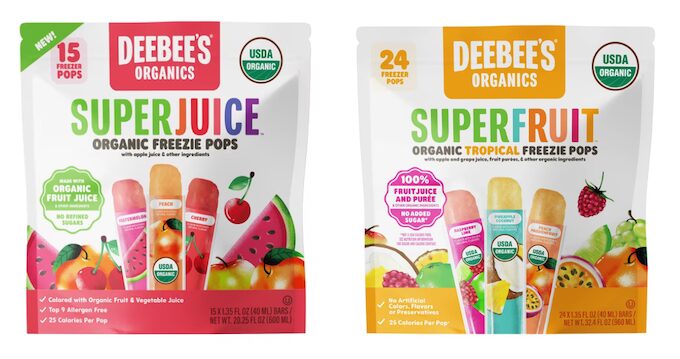
Deebee’s Organic SuperFruit & SuperJuice Freezies stand out for their commitment to using fruit juice without any added sugars. These options are a direct reflection of the growing consumer demand for transparent ingredient lists and products free from unnecessary additives. Their focus on natural sweetness derived solely from fruit makes them a strong contender for those prioritizing minimal sugar intake.
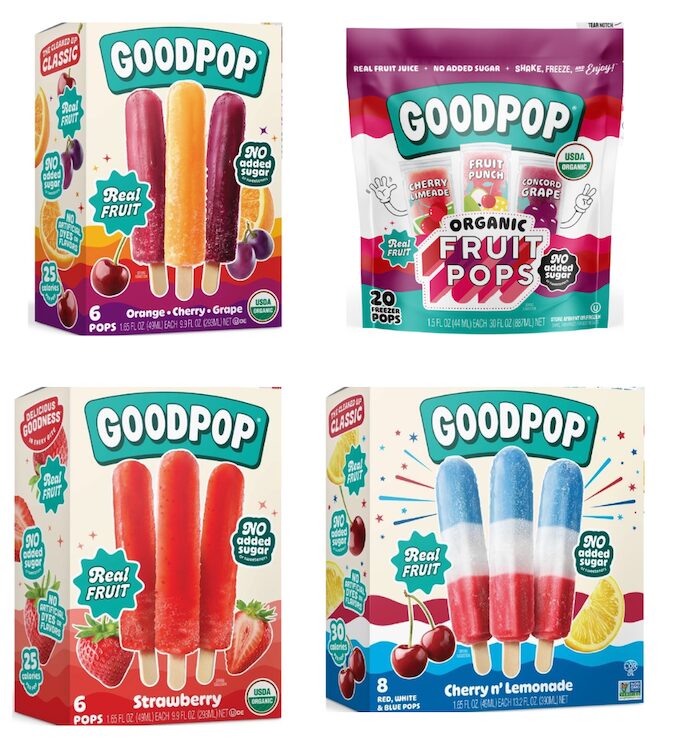
3. Naturally Sweetened Options: Goodpop
Goodpop Freezer Pops offer a variety of flavors made with 100% fruit juice. Their commitment to natural coloring, using ingredients like spirulina and carrot juice, further enhances their appeal. While many of their products contain no added sugar, it is essential to carefully review the labels, as some Goodpop varieties do include added sugars. This emphasis on natural ingredients and transparency positions Goodpop as a reliable choice for health-conscious consumers.
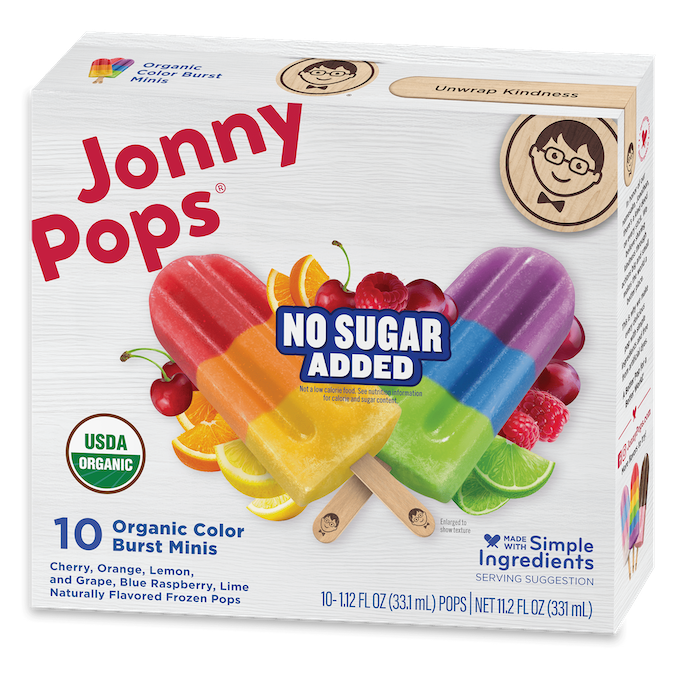
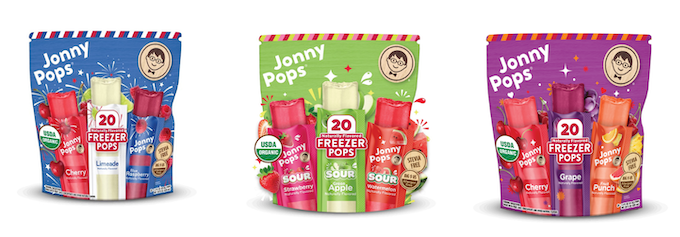
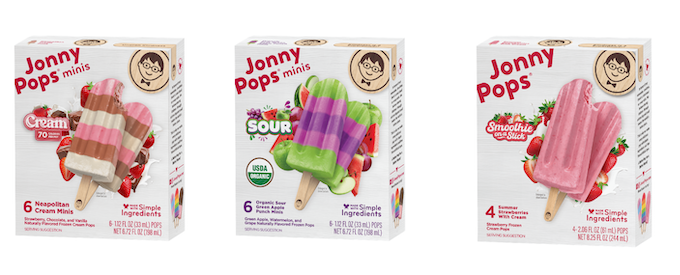
4. Simple Ingredients: Jonny Pops
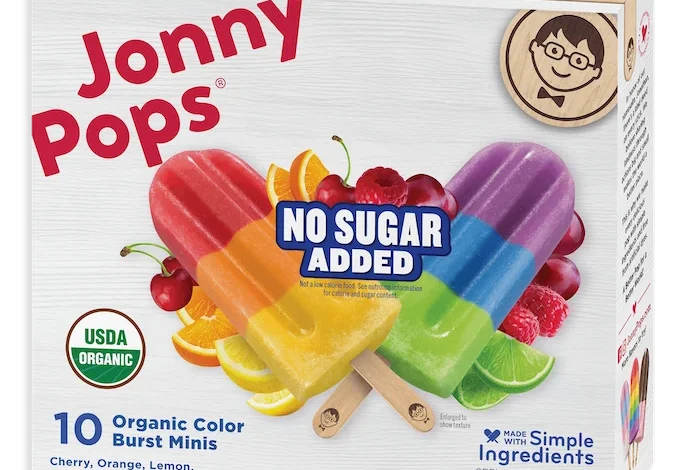
Jonny Pops has carved a niche in the market with its straightforward ingredient lists. Their Organic Color Burst Minis and other varieties often contain no added sugars or sweeteners, relying solely on the natural sweetness of fruit. Even when added sugars are present, such as in their Freezer Pops sweetened with cane sugar, the amounts are typically modest (around 6 grams per serving), making them a more sensible option compared to conventional alternatives. Some of their smoothie-on-a-stick varieties, made with fruit, sugar, and heavy cream, offer a richer texture with approximately 9 grams of added sugar.
5. Fruit-Forward Choices: Outshine Fruit Bars
Outshine Mini Fruit Pops are a widely available option that utilizes fruit purees, water, and sugar. The mini fruit pop varieties, in particular, are often found to contain around 8 grams of added sugar per serving. While Outshine does offer no-added-sugar versions, these are frequently sweetened with artificial sweeteners like sucralose, which may not align with the preferences of all health-conscious consumers. Therefore, the fruit puree-based options with moderate added sugar are generally the preferred choice from this brand.
6. Classic Simplicity: Otter Pops (100% Fruit Juice Varieties)
The classic Otter Pop has undergone a healthier transformation with their 100% fruit juice varieties. These offer a simple and accessible option, typically containing a low amount of added sugar, around 3 grams per serving. Their colorless, 100% fruit juice ice pops also cater to those seeking to avoid artificial dyes, aligning with the growing trend towards natural food coloring.
7. Organic Purity: Kisko Freezies (Country Orchard Organic Juice Freeze Pops)
For consumers seeking certified organic options, Country Orchard Organic Juice Freeze Pops are a noteworthy selection. Made with 100% juice, these are readily available through online retailers and align with the growing preference for organic ingredients in everyday food products.
Beyond Popsicles: Alternative Healthy Frozen Treats
The quest for healthy frozen treats extends beyond the traditional popsicle. Several other options offer refreshing alternatives:
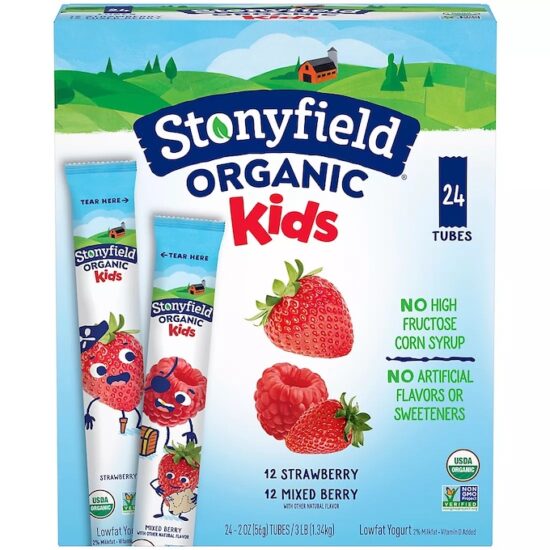
- Frozen Yogurt Tubes: Freezing lower-sugar yogurt tubes or filling disposable tubes with favorite yogurts or smoothies provides a creamy and customizable frozen treat. Brands like Stonyfield Organic YoKids and Wallaby Organic Aussie Greek Whole Milk Yogurt are often cited for their lower sugar content.
- Dole Dippers: These frozen fruit-covered treats offer a combination of fruit and a chocolate or yogurt coating.
- Tru Fru: This brand specializes in flash-frozen fruits, often coated in chocolate, providing a natural sweetness and satisfying texture.
- Wyman’s Juice Fruit: Similar to Tru Fru, Wyman’s offers frozen fruit options that can be enjoyed as a healthy dessert.
Addressing Common Concerns: Dyes, Sugar, and Health Perceptions
A frequent question surrounding popsicles is the presence of artificial dyes. Fortunately, brands like Good Pop, Jonny Pops, Deebees Organics, and Outshine Bars offer dye-free options. OtterPops also provides a colorless variety. For parents seeking the best for their children, Good Pop, Jonny Pops (especially their no-added-sugar versions), Outshine Mini Fruit Bars, and DeeBees Organic Freezie Pops are frequently recommended due to their ingredient profiles.
The distinction between "freezer pops" and "regular popsicles" is often a matter of packaging and storage. Freezer pops are typically sold unfrozen and stored in pantries, offering convenience. Depending on the specific product, they may also have smaller serving sizes, potentially leading to lower overall consumption of added sugar and calories compared to larger, stick-based popsicles.
The Broader Implications for the Frozen Treat Industry
The increasing consumer demand for healthier frozen treats signifies a significant shift in market preferences. The growing emphasis on transparency in ingredient lists, the avoidance of artificial additives, and the preference for natural sweeteners are driving innovation within the industry. Brands that prioritize these elements are likely to see continued growth and consumer loyalty. This trend also highlights the power of informed consumers in shaping product development and promoting healthier choices for families. As the market evolves, consumers can anticipate a wider array of delicious and nutritious frozen options that cater to a variety of dietary needs and preferences, ensuring that summer indulgence can also be a health-conscious choice.