Easy Chicken Salad: A Nutritional and Culinary Analysis of Modern Pantry Staples

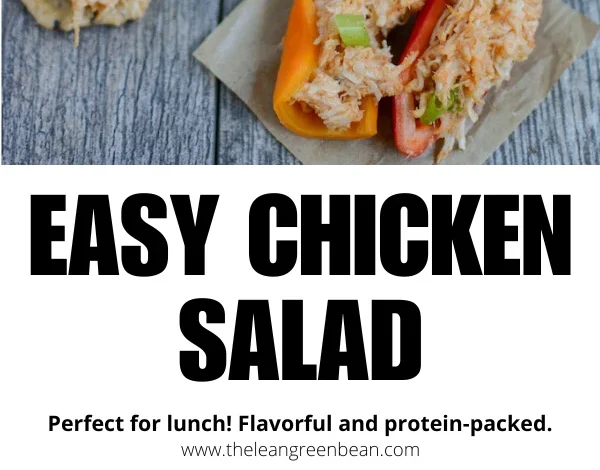
The preparation of chicken salad has evolved from a traditional delicatessen staple into a versatile, high-protein meal solution favored by home cooks seeking efficiency and nutritional density. As consumer interest in shelf-stable, protein-rich ingredients grows, the use of canned and rotisserie chicken as a foundation for quick meals has become a significant trend in domestic culinary practices. This analysis examines the composition, preparation methodologies, nutritional implications, and logistical advantages of modern chicken salad preparation, particularly within the context of meal planning and school-aged nutrition.
The Evolution of Convenience-Based Protein Preparation
Historically, chicken salad was a labor-intensive dish requiring the boiling or poaching of whole birds, cooling, and manual deboning. The modern iteration relies on high-quality, pre-cooked protein sources, most notably canned chicken breast and rotisserie-style poultry. According to market data on home food consumption, the transition toward convenience proteins is driven by time-constrained schedules, particularly during peak periods such as the "back-to-school" season.
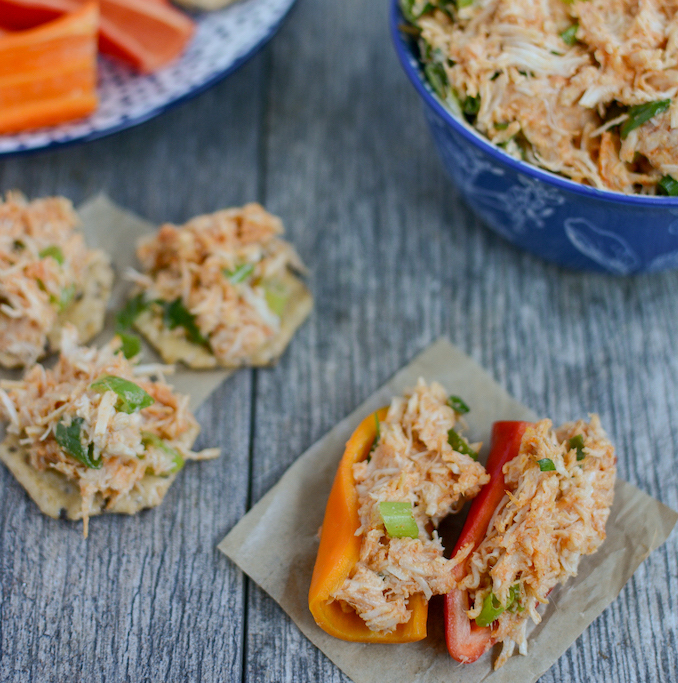
Canned chicken, a product processed under stringent food safety regulations to ensure shelf stability, provides a consistent texture and flavor profile. It serves as a sterile, ready-to-use ingredient that eliminates the risks associated with improper handling of raw poultry. Rotisserie chicken, conversely, offers a roasted flavor profile and superior structural integrity, making it a preferred choice for consumers who prioritize sensory experience over long-term shelf storage.
Chronology of Culinary Preparation and Storage
The lifecycle of a standard chicken salad preparation follows a specific protocol to ensure food safety and structural stability.
- Procurement and Preparation (T-minus 0): The base protein—whether canned, shredded rotisserie, or diced breast—is selected. If using canned product, moisture extraction via draining is essential to prevent a diluted binder consistency.
- Binding and Emulsification (T+5 minutes): The integration of a fat-based binder, such as mayonnaise, Greek yogurt, or avocado, serves to emulsify the protein particles. The choice of binder significantly impacts the glycemic and lipid profiles of the final product.
- Stabilization (T+15 minutes): Ingredients are chilled to allow for flavor melding and viscosity stabilization.
- Shelf-Life Threshold (T+96 to 120 hours): Per regulatory food safety standards, prepared chicken salad containing mayonnaise or dairy-based binders maintains peak quality and safety for four to five days when stored at temperatures below 40°F (4°C).
Nutritional Analysis and Ingredient Composition
From a nutritional perspective, chicken salad acts as a high-protein, low-carbohydrate vehicle. Lean poultry is an excellent source of niacin, Vitamin B6, and selenium. However, the nutritional profile is heavily dictated by the secondary ingredients.
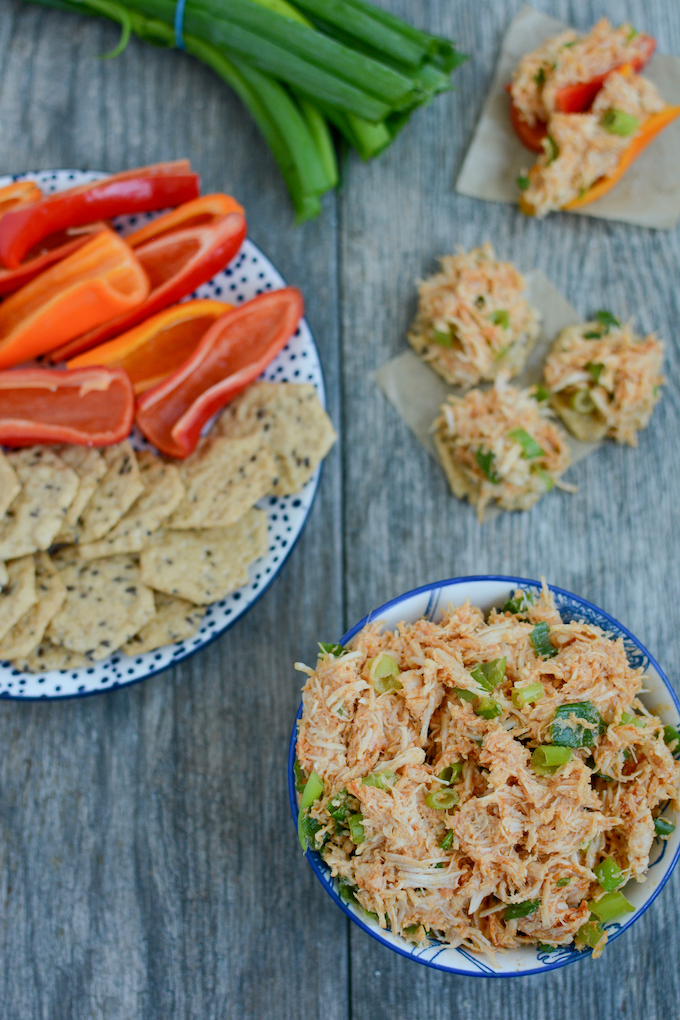
The inclusion of mayonnaise, while traditional, is often substituted by health-conscious consumers with plain Greek yogurt. This substitution effectively increases the probiotic content and protein density while reducing saturated fat intake. Furthermore, the addition of produce—such as diced celery, green apples, or grapes—introduces essential dietary fiber and micronutrients, shifting the meal from a simple protein dish to a more balanced, nutrient-dense serving.
Research indicates that the "wateriness" often associated with homemade chicken salad is a result of osmotic pressure, where salt in the seasoning draws moisture out of raw, watery vegetables like cucumbers or tomatoes. Professional culinary techniques, such as blotting vegetables or using full-fat binders, are effective methods for mitigating this issue and maintaining an ideal texture for assembly.
Market Context: The Impact of Lunchbox Logistics
The surge in demand for simple, portable protein options is closely linked to the logistical challenges of providing school lunches. Educational and health organizations have long emphasized the importance of sustained energy for children, and the ease of assembly for chicken salad allows it to function as a customizable option that meets various dietary preferences.
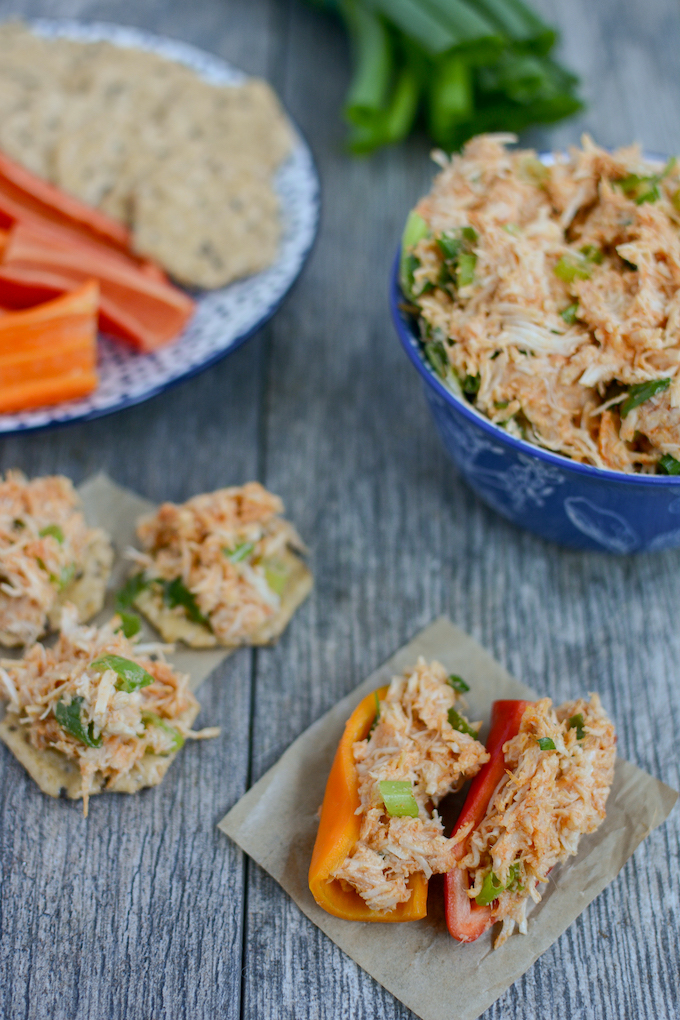
The primary concern regarding the inclusion of chicken salad in packed lunches is temperature control. Because poultry is a high-protein, moist food, it is highly susceptible to bacterial growth if kept in the "danger zone" (between 40°F and 140°F). Consequently, the integration of an insulated container and a cooling element is a non-negotiable requirement for school-aged consumers. The logistical success of this meal hinges on the ability to maintain thermal regulation from the morning assembly until the lunch hour.
Strategic Implications for Home Food Management
The versatility of chicken salad offers broader implications for household food waste reduction. By utilizing leftover rotisserie chicken or pantry-stored canned goods, households can effectively repurpose ingredients that might otherwise be discarded.
The "base recipe" concept—which treats chicken salad as a blank canvas—allows for the incorporation of diverse flavor profiles. For instance, the addition of "everything bagel" seasoning, cayenne pepper, or fresh herbs like dill can transform a standard recipe into a culturally diverse dish, catering to individual preferences without requiring a complete overhaul of the preparation process.
Expert Perspectives on Food Safety and Preparation
Food safety experts consistently highlight that the most common failure in chicken salad preparation is the lack of proper cooling after the protein is cooked. When individuals choose to prepare their own chicken from scratch, it is imperative that the meat is chilled to 40°F before the binder is added. The application of warm chicken to a mayonnaise-based binder significantly accelerates the degradation of the sauce’s texture and increases the risk of spoilage.
Furthermore, regarding the freezing of chicken salad: while technically possible, it is widely discouraged by culinary professionals. The emulsion of mayonnaise breaks down during the freezing and thawing process, leading to a watery, unpalatable texture. Additionally, the crispness of added vegetables is compromised by ice crystal formation within the cellular structure of the produce.
Future Trends and Culinary Adaptability
As the culinary landscape shifts toward more personalized nutrition, the trend of replacing mayonnaise with non-traditional binders such as mashed avocado or hummus is expected to continue. Avocado, in particular, offers monounsaturated fats that complement the protein in chicken. However, the oxidation process—which causes avocado to brown—presents a aesthetic challenge, limiting the longevity of the salad unless treated with citrus juice to inhibit enzymatic browning.
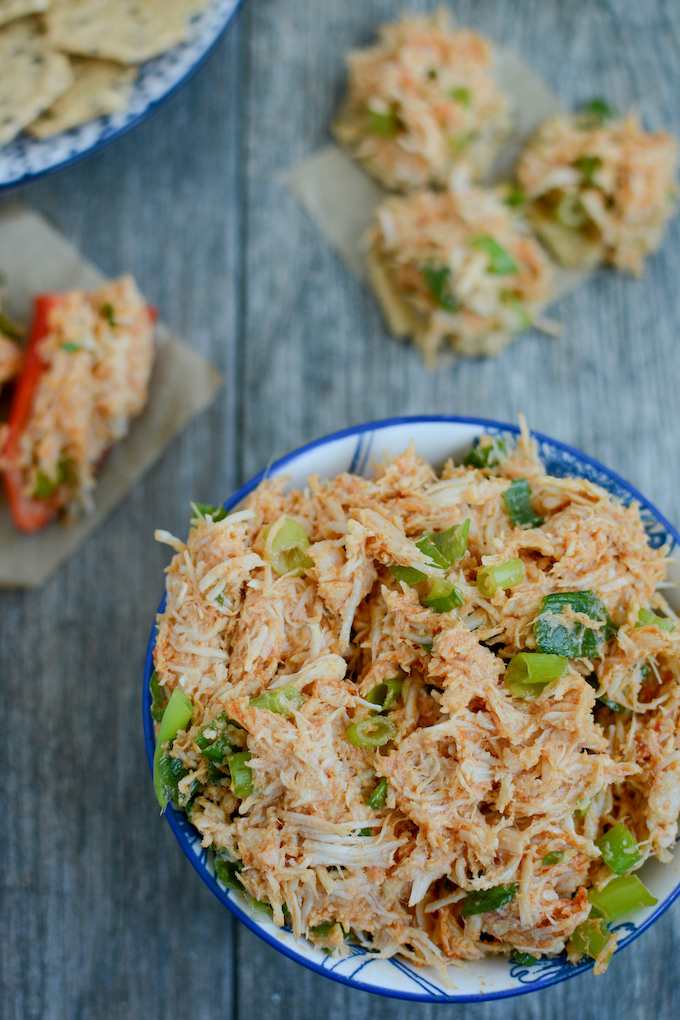
In summary, the preparation of chicken salad remains a cornerstone of efficient, high-protein meal planning. Whether using traditional methods or modern, ingredient-driven shortcuts, the dish provides a robust framework for balancing convenience with nutritional necessity. By adhering to established food safety protocols and leveraging diverse mix-ins, home cooks can continue to utilize this staple as a reliable, health-conscious solution for both daily lunches and long-term meal preparation strategies. The transition from a static, recipe-based approach to a dynamic, ingredient-based methodology underscores the broader evolution of the home kitchen toward greater flexibility and efficiency in the 21st century.
Related posts: