Building Independence in Preschool: A Comprehensive Guide to Fostering Early Childhood Autonomy

In modern early childhood education, the simple phrase "I can do it" serves as a cornerstone for lifelong learning and emotional resilience. Across preschool classrooms globally, educators and child development specialists are placing an increasingly heavy emphasis on self-directed learning and autonomy. Far beyond merely keeping children occupied, fostering independence during the formative preschool years lays down critical neurological and psychological pathways. From organizing personal belongings upon arrival to making autonomous choices during play, these everyday occurrences build the scaffolding necessary for long-term self-help skills, academic competence, and robust self-esteem.
Child development experts emphasize that independence is rarely an innate trait that emerges overnight; rather, it is a gradual developmental continuum. It requires carefully structured daily routines, transparent classroom expectations, and the presence of emotionally supportive adults who understand the delicate balance of knowing when to step in and when to step back. As educational institutions continue to adapt their curricula to meet the holistic needs of young learners, understanding the mechanics of early independence has become a vital priority for both teachers and parents.

The Developmental Imperative: Why Independence Matters in Early Education
The transition into preschool often marks a child’s first major foray into a structured society outside the immediate family unit. During this period, fostering independence helps children internalize a self-image that is fundamentally capable and resilient. When youngsters are granted regular, safe opportunities to attempt tasks independently—whether opening a stubborn snack container or negotiating sharing terms with a peer—they begin to cultivate an intrinsic trust in their own capabilities.
Contemporary developmental research underscores that this burgeoning self-reliance does not remain isolated within the classroom walls. Instead, confidence gained through autonomous problem-solving spills over into a myriad of developmental domains. According to data from early childhood advocacy groups, children who practice autonomy in preschool exhibit superior executive functioning skills, demonstrate advanced emotional regulation during social interactions, and adapt more seamlessly to structural transitions in kindergarten and primary school.
To quantify these impacts, longitudinal educational studies frequently point to several core benefits derived from self-directed preschool environments:

- Enhanced cognitive flexibility through trial-and-error experimentation.
- Reduced anxiety during daily transitions due to familiarized routines.
- Stronger fine-motor skill development via hands-on self-help tasks.
- Improved peer-to-peer communication and conflict resolution strategies.
Structuring the Day: Daily Routines as Vehicles for Autonomy
Daily routines provide some of the most organic and meaningful opportunities to cultivate independence. Because these events repeat predictably day after day, they offer young children a reliable framework in which to practice self-care without feeling overwhelmed. Predictability breeds confidence, allowing children to anticipate what comes next and take ownership of their responsibilities.
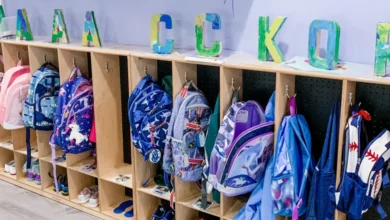
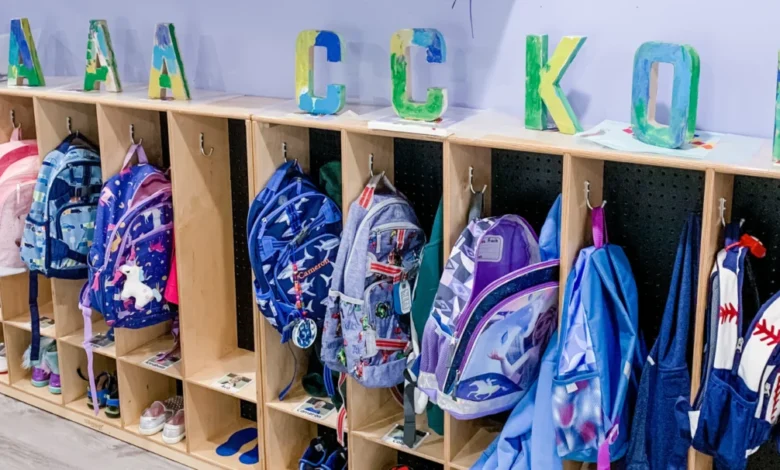
The morning arrival sets the foundational tone for the entire school day. Rather than having parents or teachers manage their belongings, children are encouraged to take charge of their immediate environment. Hanging up coats, stowing away backpacks in designated cubbies, and utilizing visual sign-in sheets transform mundane chores into meaningful acts of personal responsibility. This routine establishes a physical boundary between home and school, signaling to the child that they are active participants in their educational community.
As the day progresses, snack and lunch times introduce practical self-help milestones. Pouring liquids from small pitchers, opening tricky packaging, and managing the inevitable spills through designated "spill stations" allow children to care for their physical needs. Rather than fostering helplessness by rushing to clean up every minor mess, educators use these moments to teach resilience and practical life maintenance.

Transitions—often a historic flashpoint for behavioral friction in preschool settings—are vastly smoothed through the implementation of visual schedules. By utilizing picture cards and visual timelines, classrooms empower children to independently track the flow of the day. When a child can look at a chart and deduce that outdoor play follows storytime, they no longer need to rely exclusively on adult direction, thereby fostering internal locus of control.
Designing the Environment: Classroom Centers That Encourage Choice
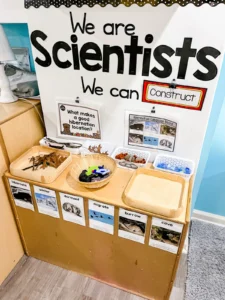
The physical architecture of a preschool classroom plays an indispensable role in shaping child autonomy. Modern early childhood design relies heavily on accessible, low-shelf storage systems that place materials directly into the hands of the learners. When supplies are within reach, children do not need to seek adult permission or assistance to begin exploring an idea.
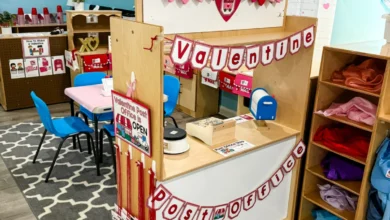
Dramatic play centers, for instance, are meticulously stocked with accessible props that encourage collaborative storytelling. Children can independently establish narratives, delegate roles, and negotiate rules of play with minimal adult intervention. Similarly, block and construction zones provide open-ended materials that challenge spatial reasoning. As children design towering structures and inevitably watch them collapse, they engage in iterative problem-solving, learning directly from physical cause and effect as well as from the observational strategies of their peers.

Art and sensory centers further amplify this self-directed ethos. By stocking open-ended art supplies in clearly labeled bins, educators eliminate the need for step-by-step instructional directives. Children are free to experiment with textures, colors, and mediums based entirely on their internal creative impulses rather than a prescribed template. This freedom nurtures divergent thinking and artistic confidence.
Pedagogical Shifts: Teacher Strategies and the Art of Stepping Back
One of the most challenging adjustments for early childhood educators is mastering the art of constructive non-intervention. Human instinct often drives adults to rush to the aid of a struggling child—tying a shoe, picking up dropped markers, or solving a peer dispute before it can fully unfold. However, educational experts note that over-assisting can inadvertently signal to a child that they are incapable.
Effective preschool teachers deliberately practice strategic patience. By pausing before stepping in, educators provide children with the precious cognitive window needed to process a challenge and formulate a solution.

Key pedagogical strategies employed in modern independent-focused classrooms include:
- Scaffolding: Offering verbal hints or minimal physical adjustments rather than taking over a task entirely.
- Process-Focused Praise: Commending effort, persistence, and strategy rather than innate intelligence or the final product.
- Open-Ended Questioning: Asking prompts such as, "What do you think we should try next?" to stimulate critical thinking.
- Reflective Listening: Acknowledging a child’s frustration while encouraging them to articulate their next step independently.
Bridging Home and School: Communicating with Families
A significant challenge in fostering early childhood independence lies in bridging the philosophy of the classroom with the realities of the home environment. Parents, operating under tight schedules and morning commutes, frequently find it more efficient to dress their children, pack their bags, and manage their tasks for them. While efficient in the short term, this well-intentioned assistance can inadvertently stall the development of self-help competencies.
To address this, preschool administrators and teachers have prioritized transparent, collaborative communication with families. Workshops, informational handouts, and digital newsletters are regularly deployed to help parents understand the profound developmental value of "slow parenting." Educators explain that a child taking five extra minutes to zip their own jacket is not merely a logistical hurdle, but a crucial neurological workout.

Conversations during parent-teacher conferences often center on actionable strategies families can implement at home, such as setting up low clothing drawers for independent dressing, establishing predictable visual chore charts, and allowing children to participate in simple meal preparation tasks. By aligning expectations between home and school, children receive a consistent message regarding their capabilities, accelerating their journey toward self-reliance.
Broader Impact and Long-Term Implications
The deliberate cultivation of independence during the preschool years yields ripples that extend far beyond the early childhood classroom. Longitudinal studies tracking cohorts of autonomous learners indicate that children who master self-regulation and self-help skills early on display higher academic resilience when confronted with the rigorous curriculum shifts of elementary and middle school.
Furthermore, the psychological implications are profound. Children who view themselves as autonomous agents are less susceptible to peer pressure and exhibit stronger intrinsic motivation. By laying this sturdy foundation of independence through daily routines, thoughtful classroom design, and measured adult guidance, modern preschool education equips children not just for kindergarten, but for the complex challenges of life.