Creamy Chicken and Cashew Curry Emerges as the Ultimate Family-Friendly Weeknight Meal Solution

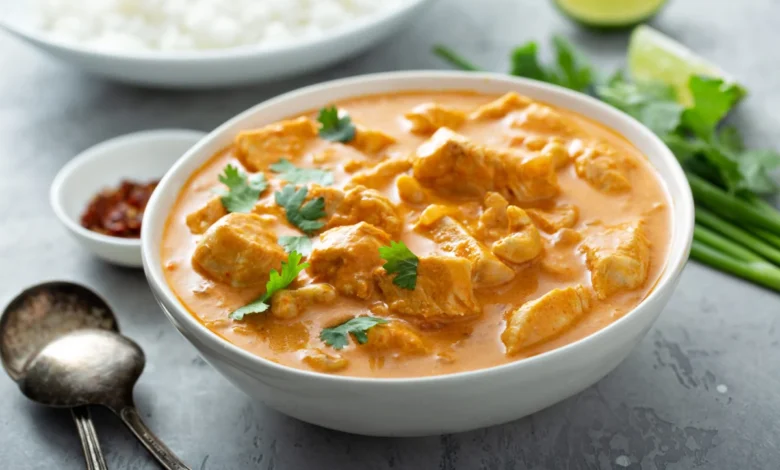
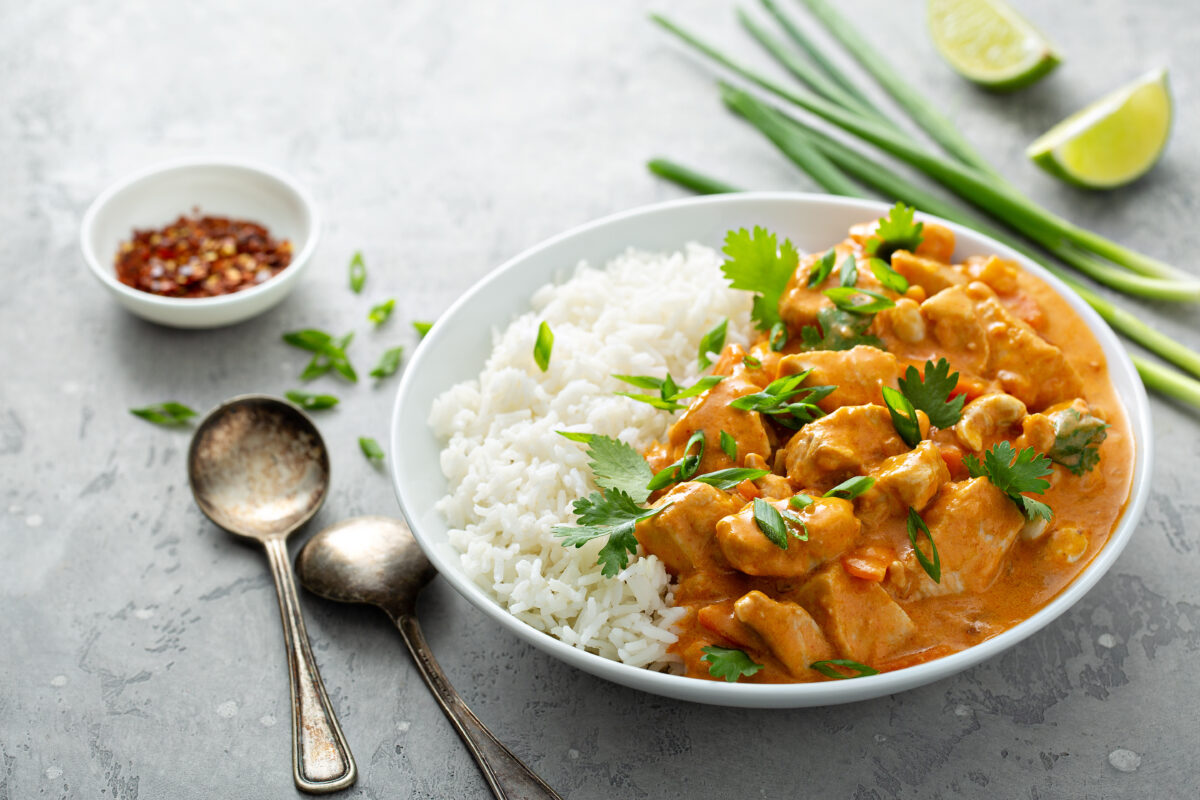
In the fast-paced landscape of modern family life, the nightly endeavor of preparing a meal that simultaneously satisfies nutritional requirements, appeals to developing palates, and requires minimal cleanup remains a universal challenge. Enter the latest culinary favorite capturing the attention of home cooks and nutritional experts alike: a one-pan Chicken and Cashew Curry that bridges the gap between comforting traditional flavors and the practical demands of busy households. Designed to be both deeply flavorful and approachable, this dish addresses a common dietary dilemma by introducing complex global spices in a format that remains accessible to children.
Nutritional Profile and Culinary Background
The rising popularity of mild, coconut-based curries aligns with broader consumer shifts toward scratch-cooking utilizing accessible pantry staples. Culinary historians note that while traditional South Asian curries often feature assertive heat profiles and intricate spice blends, Western adaptations tailored for family dining prioritize aromatic warmth over capsicum-driven spice.
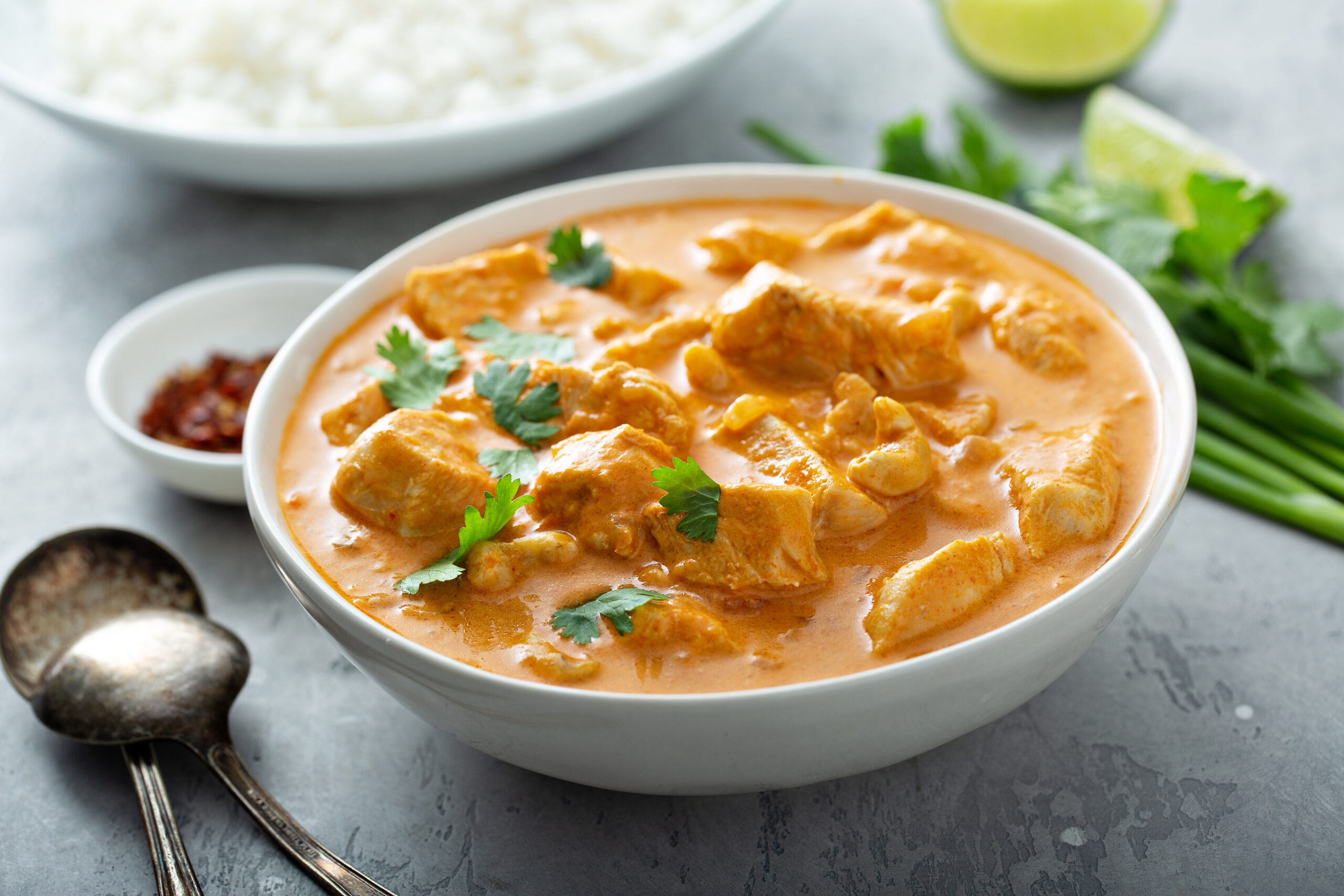
This specific recipe relies on a harmonious balance of protein, healthy fats, and complex carbohydrates. By incorporating full-fat coconut milk, the dish delivers a velvety texture while providing medium-chain triglycerides (MCTs), which are metabolized differently than long-chain fatty acids. Furthermore, the inclusion of cashews introduces essential minerals such as magnesium, zinc, and iron, alongside plant-based protein and monounsaturated fats that support cardiovascular health.
Dietary analyses of home-cooked poultry and vegetable curries indicate that they significantly outperform processed convenience foods in sodium control and fiber content. When paired with whole grains like brown basmati rice or quinoa, and bolstered by optional vegetable additions such as broccoli, spinach, or sweet potatoes, the meal fulfills major nutritional guidelines for a balanced dinner.
Step-by-Step Preparation and Technique
Achieving the ideal balance of flavor and texture in a single-pan recipe requires careful attention to culinary technique. Professional kitchen standards emphasize sequential cooking to prevent overprocessing delicate ingredients.
The Foundation: Spice Toasting
The process begins by briefly blooming dry spices—such as mild curry powder, ground cumin, and turmeric—in heated fat before introducing liquids. This essential culinary step, known as tempering or blooming, utilizes heat to release the fat-soluble flavor compounds locked within the spices, transforming a flat powder into a deeply aromatic base.
Protein Management
To prevent the chicken from becoming rubbery or dry, chefs recommend cutting the protein into uniform pieces and searing them only until lightly browned on the exterior. Removing the chicken from the pan temporarily ensures it finishes cooking gently in the simmering coconut sauce, retaining its tenderness.
Textural Contrast
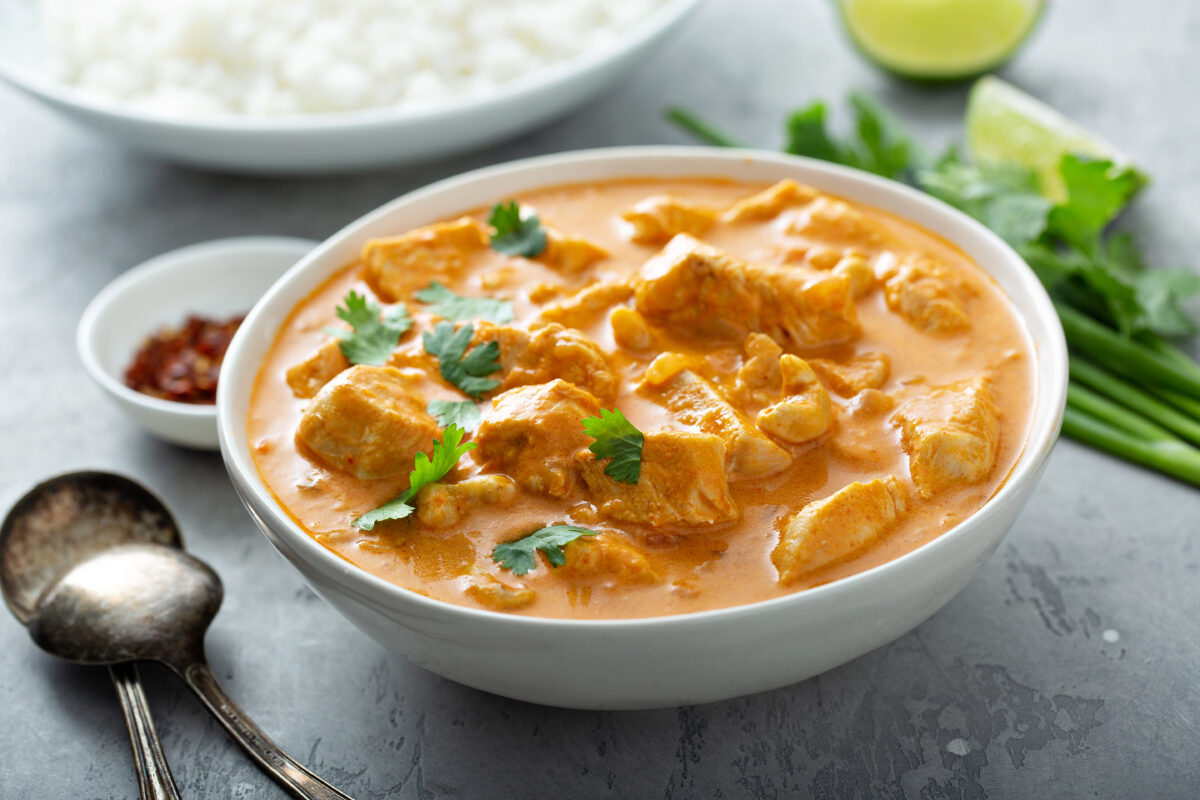
A hallmark of a successful cashew curry is the interplay between the smooth, rich sauce and the distinct crunch of the nuts. Culinary experts advise incorporating roasted or raw cashews at the very final stage of cooking, or serving them as a garnish at the table. This prevents the nuts from becoming waterlogged and soggy within the simmering liquid.
Customization and Adaptability
One of the primary drivers behind the dish’s widespread adoption is its inherent versatility. Recognizing that households often contend with varying dietary restrictions and picky eaters, the recipe functions as a flexible template rather than a rigid formula.
- Vegetable Integration: Home cooks can easily fold in nutrient-dense produce based on seasonal availability or refrigerator contents. Diced sweet potatoes, florets of cauliflower or broccoli, and handfuls of baby spinach integrate seamlessly into the simmering coconut sauce.
- Protein Alternatives: For households seeking meatless options or pescatarian alternatives, the chicken can be successfully substituted with firm chickpeas, lentils, or sustainably sourced shrimp cooked briefly at the termination of the cooking cycle.
- Allergy Modifications: In environments where tree nut allergies are present, roasted pumpkin seeds (pepitas) or sunflower seed kernels can replace cashews, offering a comparable textural crunch without the allergen risk.
Storage, Meal Prep, and Economic Efficiency
With grocery budgets remaining a primary concern for households globally, meal-planning efficiency has become an essential metric for home cooking success. The Chicken and Cashew Curry excels in this domain, functioning exceptionally well as a make-ahead or batch-cooking component.
Food safety guidelines dictate that cooked poultry dishes can be safely stored in airtight containers within refrigeration for up to four days. Because flavor compounds continue to meld and deepen over the initial twenty-four hours, the curry often tastes superior on the second day. For long-term preservation, the dish can be frozen for up to three months, provided the crunchy cashew garnish is added post-thaw during the reheating phase.
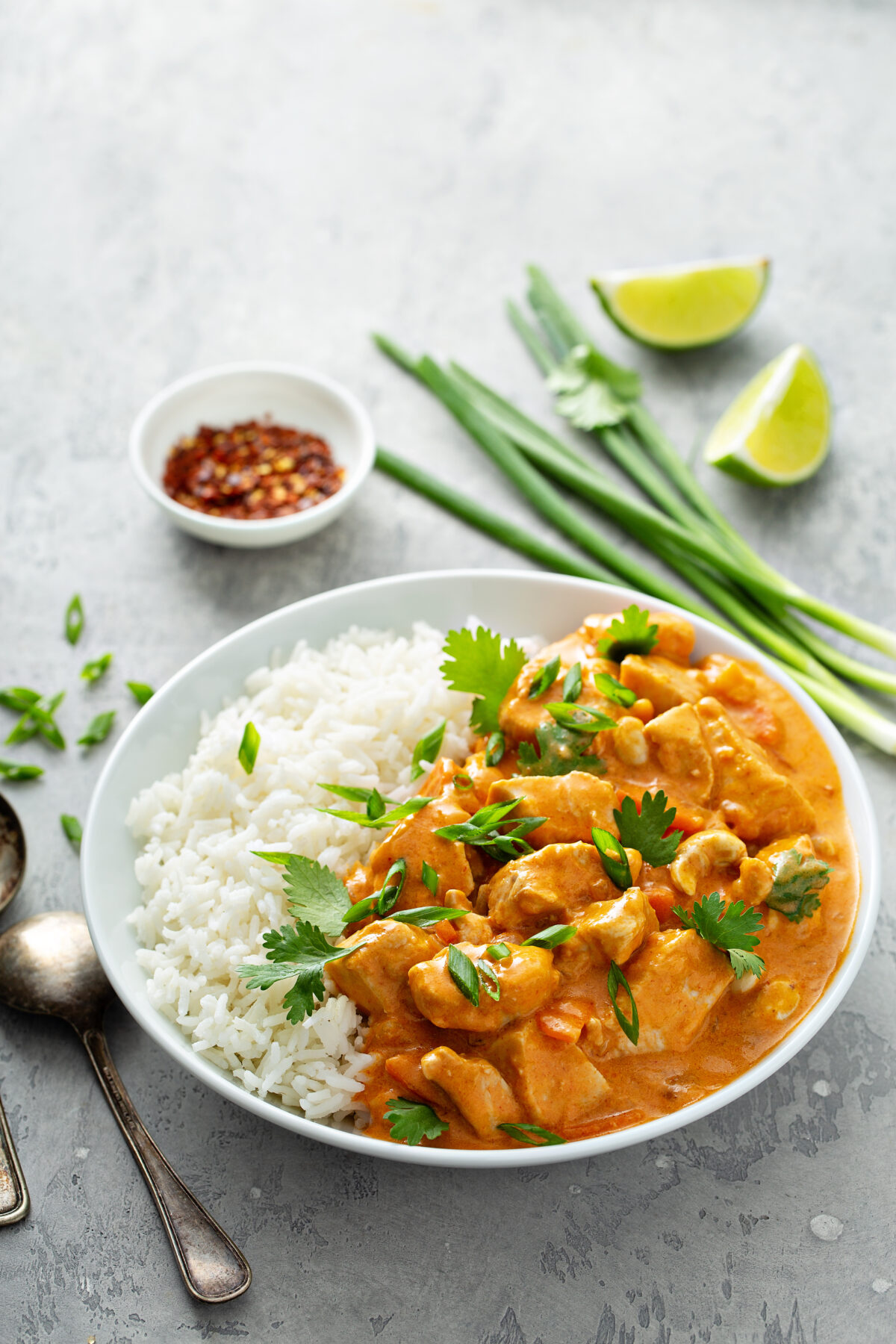
Reheating is best executed gradually on a stovetop over medium-low heat. Because coconut milk emulsions can occasionally separate during freezing or prolonged refrigeration, a minor splash of vegetable broth, chicken stock, or additional coconut milk during the warming process restores the sauce to its original velvety consistency.
Broader Culinary Implications
The widespread embrace of approachable curry dishes reflects a broader multicultural shift in home kitchens. As global flavors become increasingly mainstream, parents are finding that the gateway to adventurous eating does not lie in intense heat, but in creamy textures and familiar delivery systems, such as a comforting bowl of rice paired with mild aromatics.
By demystifying curry preparation and consolidating the process into a single vessel with minimal cleanup, recipes of this nature empower individuals with limited time to produce wholesome, scratch-made dinners. As culinary trends continue to favor efficiency without sacrificing depth of flavor, accessible global fusion dishes are expected to remain a cornerstone of domestic menu planning for the foreseeable future.