Fourth Trimester Podcast Episode 171: Resilient Parenting Helps You Handle the Early Months After Baby


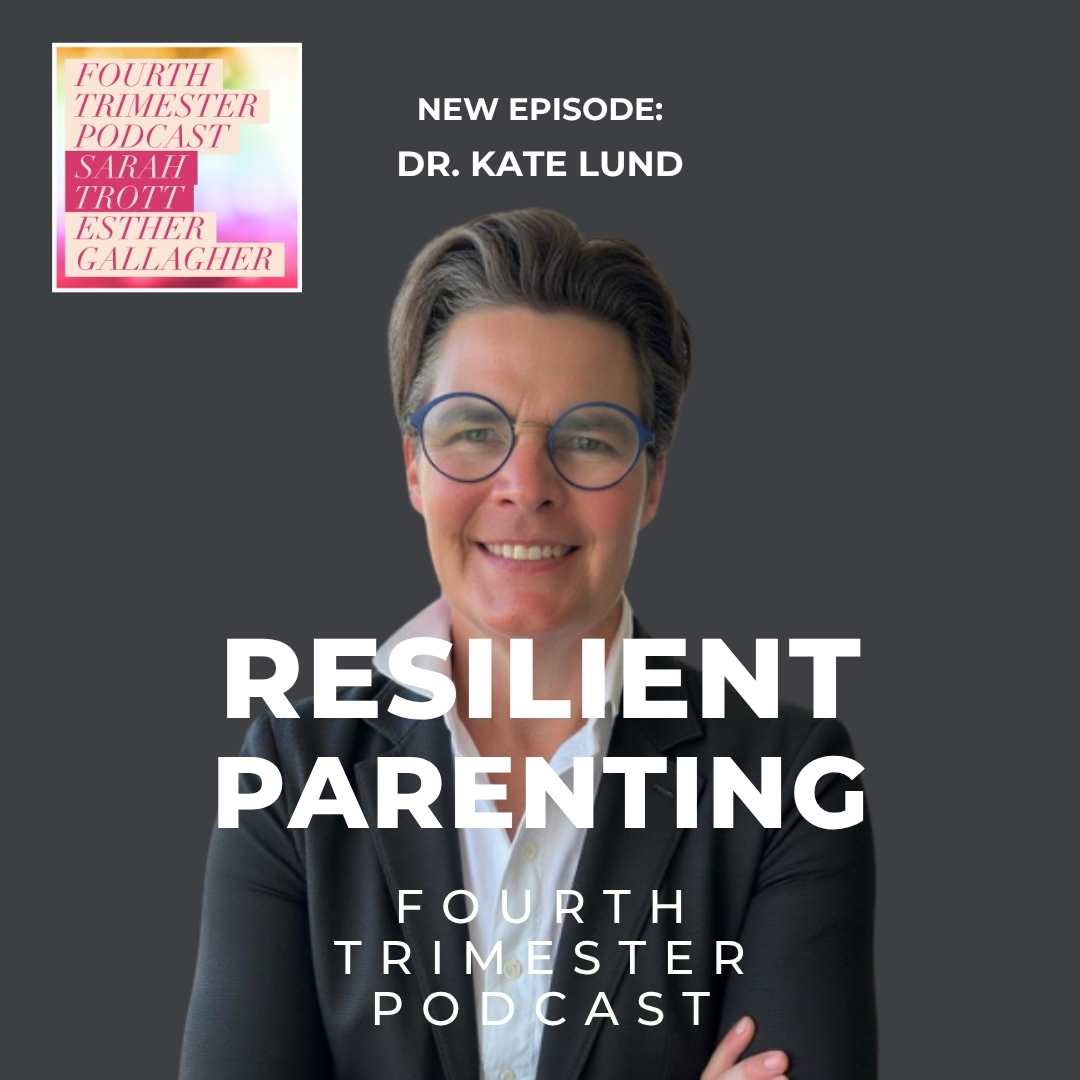
The transition into parenthood, particularly the period known as the "fourth trimester," represents one of the most significant physiological and psychological shifts an individual can experience. In the latest installment of the Fourth Trimester Podcast, Episode 171, licensed clinical psychologist and TEDx speaker Dr. Kate Lund joined host Sarah Trott to explore the concept of resilient parenting. The discussion moved beyond the traditional, often stigmatized view of resilience as "toughing it out," instead framing it as a dynamic set of tools designed to help new parents navigate the heightened stress baselines that characterize the first three months of a child’s life.
Redefining Resilience in the Postpartum Era
Resilience in the context of early parenthood is frequently misunderstood as the ability to maintain a facade of composure despite overwhelming exhaustion and hormonal fluctuations. However, Dr. Lund argues that true resilience is rooted in flexibility, the capacity to ask for assistance, and the psychological agility to "repair" emotional connections after moments of stress. This paradigm shift is essential for the modern parent, who often faces the challenges of the fourth trimester without the traditional "village" support systems that historical generations relied upon.
According to the American Psychological Association, resilience is the process of adapting well in the face of adversity, trauma, tragedy, or significant sources of stress. For a new parent, these stressors include sleep deprivation, the physical recovery from childbirth, and the cognitive load of caring for a newborn. Dr. Lund emphasizes that resilience is not an innate trait but a skill set that can be developed through intentional practice. By focusing on modulating the nervous system, parents can move from a state of reactive survival to one of responsive caregiving.
The Biological Reality of the Fourth Trimester
The "fourth trimester" refers to the 12-week period immediately following childbirth. This term, popularized by Dr. Harvey Karp and others, suggests that human infants are born "three months early" compared to other mammals and require a transitional period to adapt to life outside the womb. This phase is equally critical for the mother and the birthing partner.
Data from the Centers for Disease Control and Prevention (CDC) indicates that approximately 1 in 8 women experience symptoms of postpartum depression (PPD). Furthermore, the sudden drop in estrogen and progesterone levels following delivery, combined with the spike in cortisol due to sleep interruption, creates a biological environment where stress is the default state. Dr. Lund notes that the fourth trimester naturally raises the baseline stress level for parents. Without a framework for resilience, this elevated baseline can lead to burnout, strained partner relationships, and difficulties in infant bonding.
The Science of Co-Regulation: How Parents Influence Infants
One of the most compelling aspects of the discussion between Trott and Dr. Lund is the focus on the "nervous system connection" between parent and child. Neurobiological research supports the idea of co-regulation, a process where a caregiver’s physiological state influences the infant’s developing nervous system.
Infants do not possess the ability to self-soothe in the early months; they rely entirely on the proximity and emotional stability of their caregivers to regulate their own heart rates and stress levels. Dr. Lund explains that when a parent takes steps to modulate their own nervous system—through deep breathing, grounding exercises, or simply pausing before responding—they are providing a "regulatory anchor" for the baby.
"When we modulate our nervous system, we’re able to show up more fully and respond instead of react," Dr. Lund stated during the episode. "Our babies really do pick up on that." This implies that parental self-care is not a luxury but a fundamental component of infant developmental health.
Chronology of Resilience: From Pregnancy to Postpartum
The development of a resilient parenting style ideally begins before the child is born. Dr. Lund and Trott outlined a chronological approach to building these skills:
- The Prenatal Phase: During pregnancy, parents are encouraged to identify their support networks and establish a "postpartum plan" that goes beyond nursery aesthetics. This includes identifying who can provide meals, who can watch the baby so the parents can sleep, and which professional resources (such as doulas or therapists) are available.
- The Immediate Postpartum (0-4 Weeks): This period is characterized by acute recovery. Resilience here looks like radical self-compassion and the lowering of expectations. Dr. Lund suggests that "small daily practices"—even those lasting only 60 seconds—can prevent the nervous system from becoming chronically overwhelmed.
- The Transitional Phase (4-12 Weeks): As the baby becomes more alert, parents begin to model resilience. This involves "rupture and repair"—recognizing when a parent has reacted out of frustration and consciously working to reconnect with the infant once the parent has regained their composure.
Breaking the Myth of the "Perfect Parent"
A significant barrier to resilience is the societal pressure to achieve "perfect parenting." Dr. Lund argues that perfectionism is the enemy of resilience. When parents believe they must be calm and "in control" at all times, they are less likely to seek help when they are struggling.
The concept of "the good enough parent," originally introduced by pediatrician and psychoanalyst Donald Winnicott, suggests that children actually benefit from a parent who is not perfect. In failing to meet every need instantly but eventually providing comfort, the parent helps the child develop their own small measures of frustration tolerance. Dr. Lund expands on this by noting that children begin learning resilience by watching how the adults in their lives handle mistakes. Showing a child that a difficult moment can be met with flexibility and support provides a foundational blueprint for the child’s own future coping mechanisms.
Societal Implications and Official Responses
The conversation regarding resilient parenting arrives at a time when maternal health is under intense scrutiny in the United States. Advocacy groups like the National Partnership for Women & Families have long argued that the lack of paid family leave and affordable childcare places an undue burden on new parents, making individual resilience harder to maintain.
Health organizations are increasingly recognizing the need for systemic support to bolster parental resilience. The World Health Organization (WHO) recently updated its postnatal care guidelines to emphasize the importance of mental health screenings and the involvement of partners in the postpartum process. Analysts suggest that when parents are equipped with resilience tools, there is a measurable decrease in long-term healthcare costs associated with parental mental health disorders and childhood developmental delays.
Practical Frameworks: Dr. Lund’s "Step Away" and "Bounce"
Dr. Lund’s written works, including Step Away: The Keys to Resilient Parenting and Bounce: Help Your Child Build Resilience and Thrive, provide actionable frameworks for families. The "Step Away" philosophy encourages parents to create mental and physical space when they feel their "window of tolerance" closing. This does not mean neglecting the child, but rather taking a strategic pause to prevent a reactive outburst.
Key strategies discussed include:
- The Power of the Pause: Taking three deep breaths before picking up a crying infant to reset the vagus nerve.
- Asking for Help: Explicitly naming needs (e.g., "I need a 20-minute nap" rather than "I’m tired") to reduce resentment and increase support efficiency.
- Self-Trust: Moving away from external "expert" advice and tuning into the specific cues of one’s own child.
Conclusion: The Long-Term Impact of Resilient Parenting
The implications of fostering resilience during the fourth trimester extend far beyond the early months. By establishing a household culture where stress is acknowledged and managed through healthy coping mechanisms, parents set the stage for their child’s emotional intelligence and future success in school, sports, and social environments.
As Dr. Lund concluded in the episode, the goal of resilient parenting is not to eliminate stress—an impossible task in the modern world—but to ensure that stress does not become the defining feature of the parent-child relationship. Through connection, consistency, and the willingness to repair, parents can navigate the complexities of the fourth trimester and emerge with a stronger, more flexible family unit.
The Fourth Trimester Podcast continues to serve as a vital resource for new and expecting parents, offering expert insights that bridge the gap between clinical psychology and the lived experience of early parenthood. Episode 171 stands as a reminder that the most important thing a parent can do for their baby is to care for their own well-being.