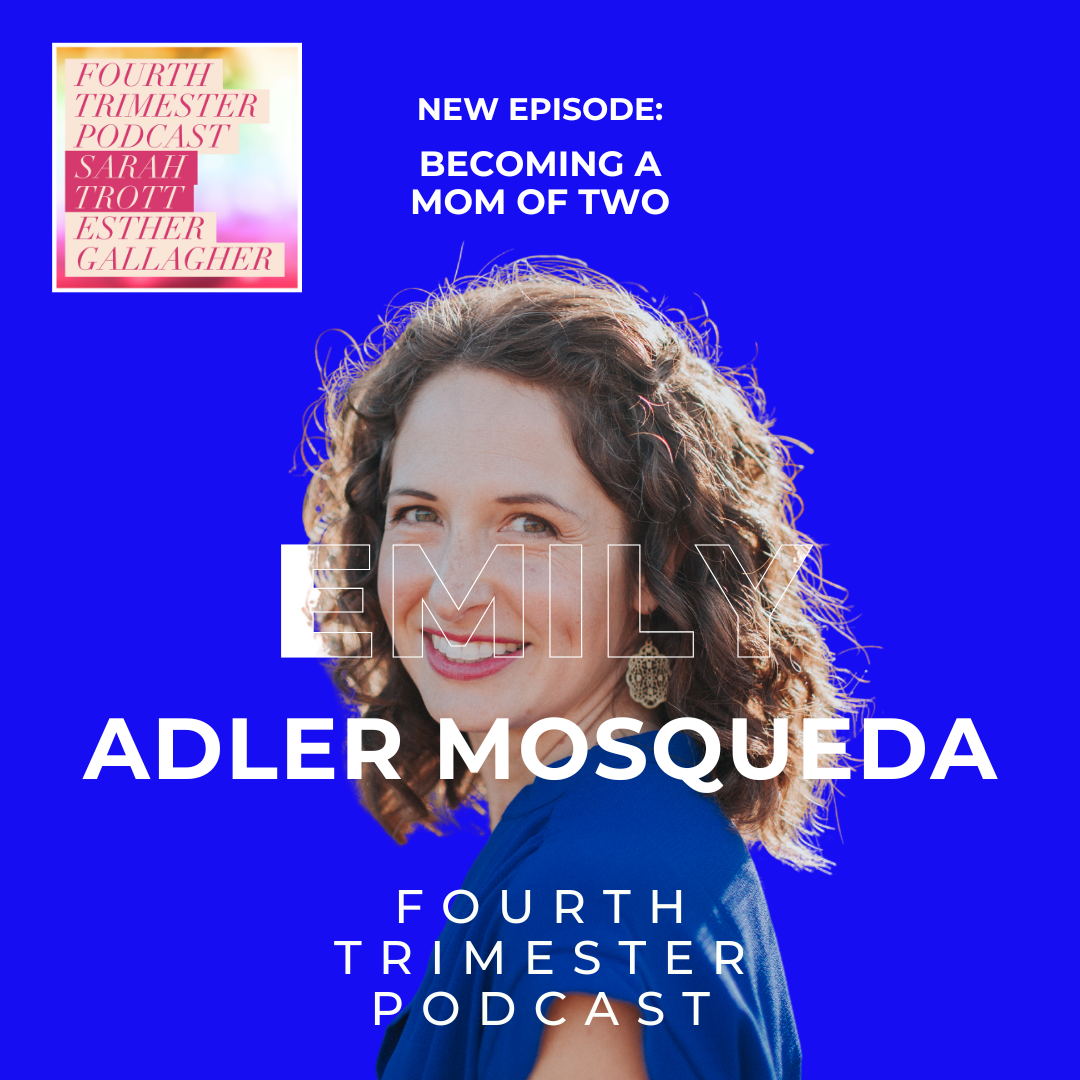
Fourth Trimester Podcast Episode 181: Becoming a Mom of Two Without Doing It All Yourself


The transition from parenting one child to managing two is frequently characterized by seasoned mothers and family specialists as a seismic shift—one that often proves more psychologically and logistically demanding than the initial leap into parenthood. Addressing this complex domestic milestone, the latest installment of the Fourth Trimester Podcast, Episode 181, tackles the multifaceted challenges of expanding a family without falling into the trap of maternal martyrdom. Hosted by Sarah Trott and Esther Gallagher, the episode features pediatric speech-language pathologist and author Emily Adler Mosqueda, whose personal and professional insights offer a pragmatic roadmap for modern mothers navigating the often-overwhelming postpartum landscape of a second-born child.
The conversation centers on a fundamental paradox of modern parenting: while society often prepares expectant mothers meticulously for childbirth and the arrival of a first infant, the profound structural adjustments required for a second child are frequently glossed over. Mosqueda, drawing from her own experiences documented in her memoir, Unexpected: A Postpartum Memoir, emphasizes that the second postpartum period demands an entirely distinct playbook. By dissecting the common pitfalls of trying to "do it all," the podcast episode provides actionable strategies for soliciting targeted help, sharing domestic responsibilities, and carving out vital one-on-one time for an older sibling who is simultaneously navigating a monumental shift in family dynamics.
Background Context: The Hidden Complexities of the Second Postpartum Period
To understand the weight of transitioning to a family of four, one must examine the socio-cultural expectations placed upon mothers. Sociological research and maternal health studies consistently show that second-time mothers face unique psychological pressures. Unlike the first-time experience, where attention is singularly focused on a newborn, the mother of two must instantaneously divide her physical and emotional availability between a demanding infant and a toddler or young child who still requires intensive developmental support.
Furthermore, societal safety nets often fray significantly after the birth of a second child. Friends and extended family members who rally with meals and visits during a first-born’s arrival are often less present for subsequent children, assuming the parents "know what they are doing." This phenomenon can lead to a sense of isolation and burnout. Mosqueda and the podcast hosts highlight this systemic gap, noting that planning for postpartum support must extend far beyond the initial "fourth trimester" weeks—traditionally defined as the first three months following birth—into the entirety of the child’s first year.
Chronology of the Transition: Planning Beyond the Newborn Phase
Addressing the temporal nature of postpartum preparation, the discussion underscores the necessity of a long-term strategy. Traditional birth plans and basic fourth-trimester outlines typically concentrate on hospital delivery, immediate recovery, and the first six weeks of newborn care. However, Mosqueda advocates for a chronological expansion of this planning horizon.
In the initial weeks following delivery, the primary focus is physical recovery and establishing feeding routines. Yet, the true test often begins around months three through twelve, when the novelty wears off, partners return to work, and the older sibling’s behavioral regression or emotional adjustment peaks. By mapping out a timeline that anticipates these shifting phases—such as arranging predictable childcare for the older child, setting up meal delivery chains for months two and three, and scheduling intentional check-ins on the parents’ relationship—families can mitigate acute crises before they manifest.
Data, Statistics, and Expert Observations on Maternal Burnout
While specific quantitative data varies by region, public health surveys from organizations focused on maternal wellness indicate that postpartum anxiety and burnout are frequently underreported among multi-child mothers. According to studies highlighted in family psychology literature, approximately 15% to 20% of women experience postpartum mood disorders, and this vulnerability can resurface or intensify with subsequent pregnancies due to chronic sleep deprivation and the compounding responsibilities of sibling care.
Experts note that a primary driver of this burnout is the inability to relinquish control. Mosqueda addresses this directly in the podcast, urging mothers to accept help even when caregivers—such as partners, grandparents, or hired doulas—execute tasks differently than the mother would. The insistence on perfectionism and micro-management acts as a major catalyst for maternal exhaustion. By lowering the threshold for domestic standards and learning to articulate exact, functional needs—such as asking a visitor to fold a specific basket of laundry or manage the older child’s bedtime routine rather than simply asking generally "for help"—mothers can reclaim critical cognitive bandwidth.
Statements and Frameworks from Related Parties
The dialogue on the Fourth Trimester Podcast is enriched by the diverse professional and personal backgrounds of its participants. Esther Gallagher, a seasoned postpartum doula, frequently emphasizes the concept of community-based child-rearing, arguing that the nuclear family model places an unnatural burden on the primary caregiver.
"Planning for postpartum looks different the second time around," Mosqueda observes, encapsulating the core thesis of her interview. Her perspective is reinforced by contemporary researchers in maternal studies, such as Dr. Sophie Brock, who advocate for dismantling the myth of the "good enough mother" in favor of realistic, sustainable domestic ecosystems. These frameworks collectively argue that institutional and interpersonal support systems must evolve to recognize that mothering two children is qualitatively different—not merely quantitatively larger—than mothering one.
Broader Implications and Practical Takeaways
The implications of Episode 181 extend well beyond individual household management, touching upon public health, workplace policies, and gender equity. When mothers are left to shoulder the invisible load of managing two children without adequate support systems, the long-term consequences manifest as career stagnation, strained marital partnerships, and compromised mental health.
To combat these systemic pressures, the episode provides listeners with concrete, accessible tools. Central among these is the recommendation to identify one ordinary, high-stress part of the day—such as the late-afternoon witching hour when dinner must be prepared while an infant cries and a toddler acts out—and design a specific, verbalized plan of intervention for that exact window. Utilizing frameworks such as the customizable Fourth Trimester Plan offered through the podcast’s resources allows families to structure these conversations proactively.
Ultimately, the transition to becoming a mom of two without "doing it all yourself" requires a cultural shift away from self-reliance as a badge of honor. By embracing vulnerability, setting realistic expectations, and deliberately expanding the circle of care, mothers can navigate the complexities of a growing family with greater resilience and well-being.
Related posts: