A Fresh Culinary Fusion Emerges as the Chickpea Caprese Salad Takes Center Stage in Modern Home Cooking

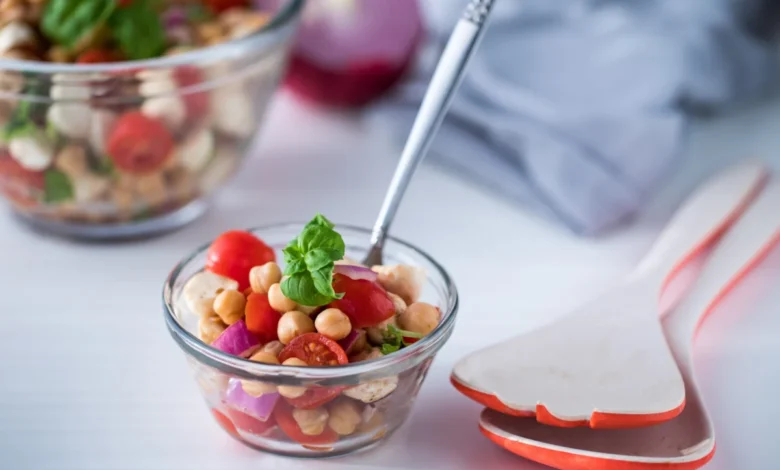
The culinary landscape has long revered the traditional Italian Caprese salad as a masterclass in minimalism, relying on the vibrant harmony of ripe tomatoes, fresh mozzarella, and sweet basil, united by a drizzle of extra-virgin olive oil and balsamic vinegar. However, as contemporary consumers increasingly prioritize nutrient-dense meals that do not compromise on flavor or convenience, food innovators and home cooks alike have begun adapting classic recipes to meet modern dietary demands. Enter the Chickpea Caprese Salad—a modernized iteration that bridges the gap between Mediterranean heritage and plant-based nutrition by introducing hearty legumes to an iconic dish.
This culinary development reflects a broader shift in domestic gastronomy over the past decade. With rising interest in flexitarian, vegetarian, and fiber-rich diets, nutritionists and recipe developers have focused on finding seamless ways to incorporate plant-based proteins into everyday meals. By integrating rinsed canned chickpeas into the traditional Caprese framework, home cooks can significantly elevate the dish’s protein and dietary fiber content. The result is a vibrant, multi-textured side dish or light lunch that transitions effortlessly from a quiet weeknight dinner to a large neighborhood potluck, all without requiring a single minute of stove-top or oven cooking.
Main Facts and Nutritional Profile of the Modernized Dish
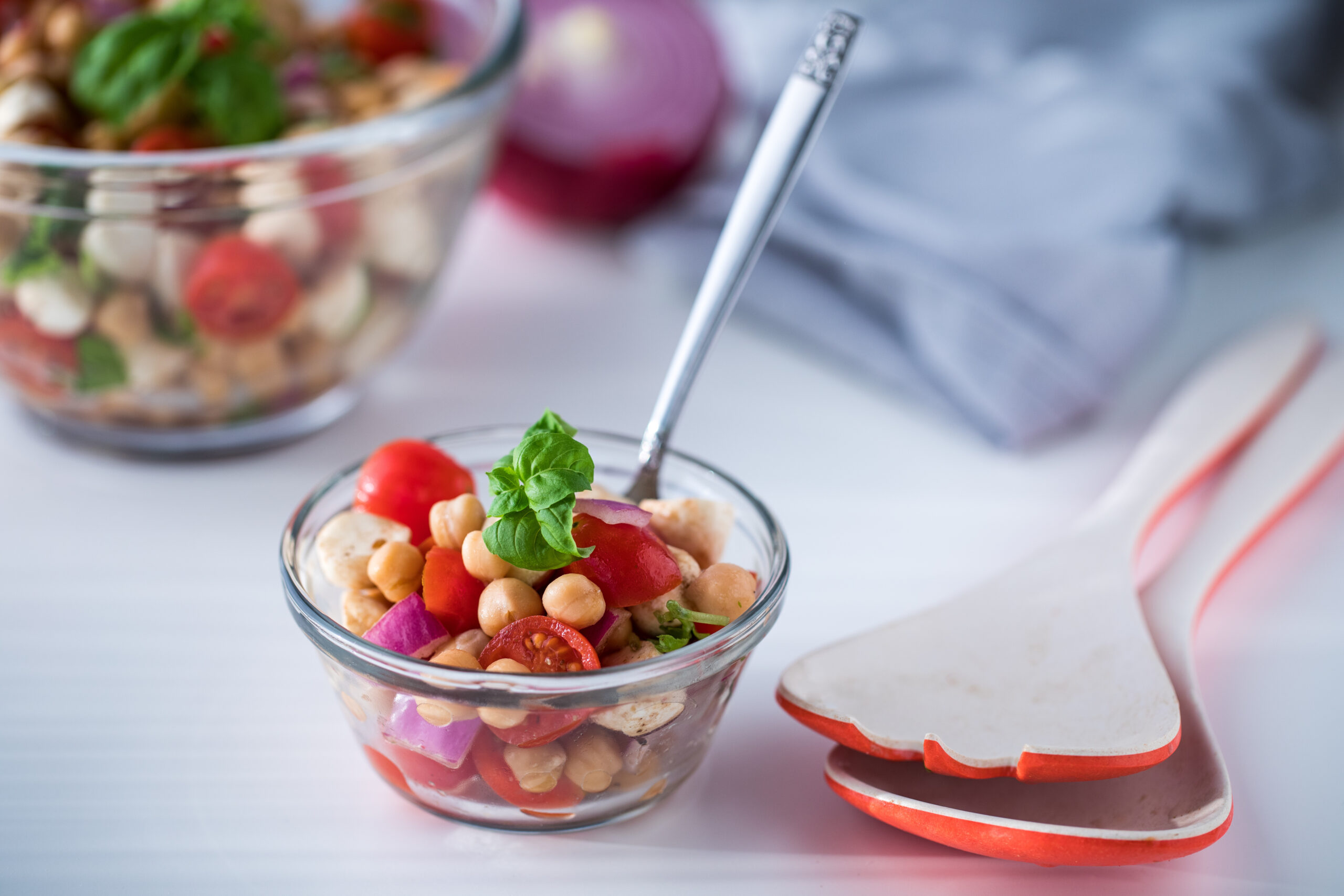
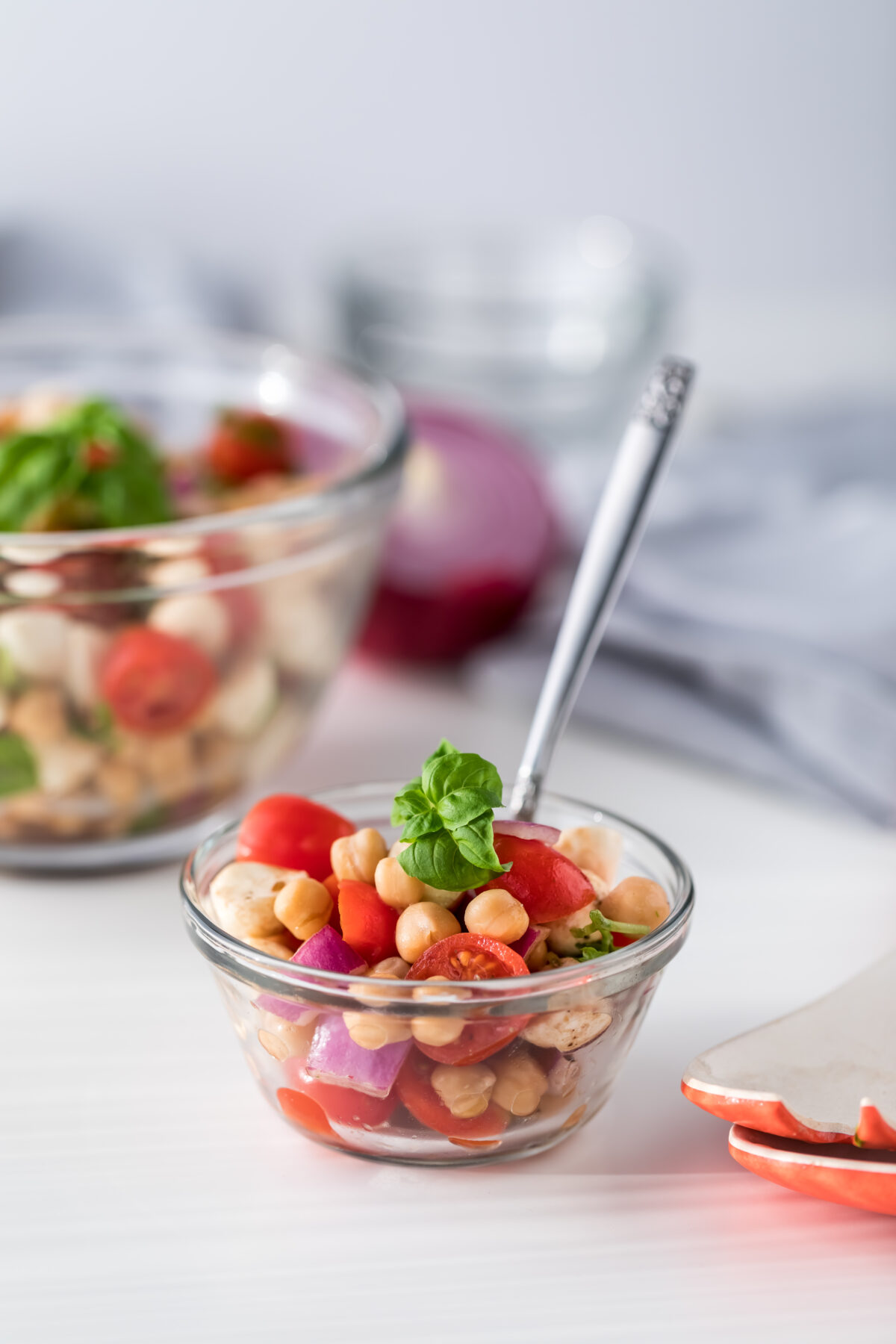
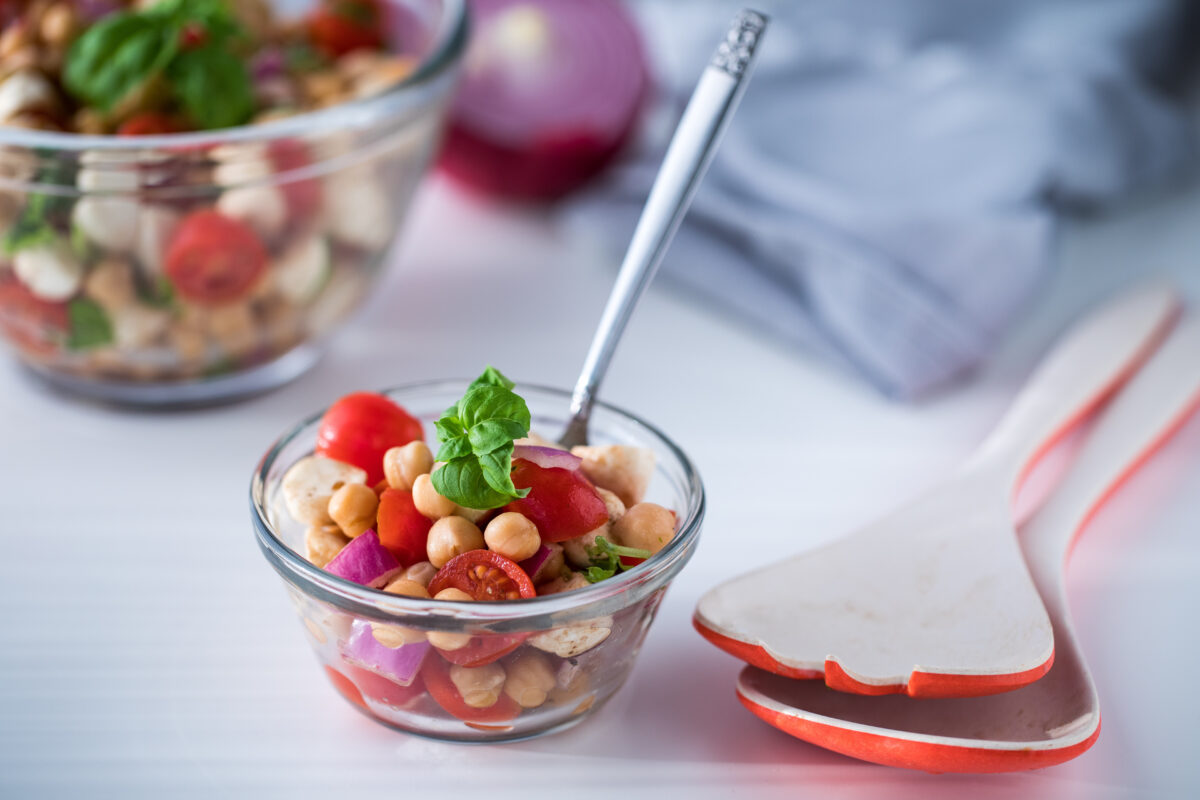
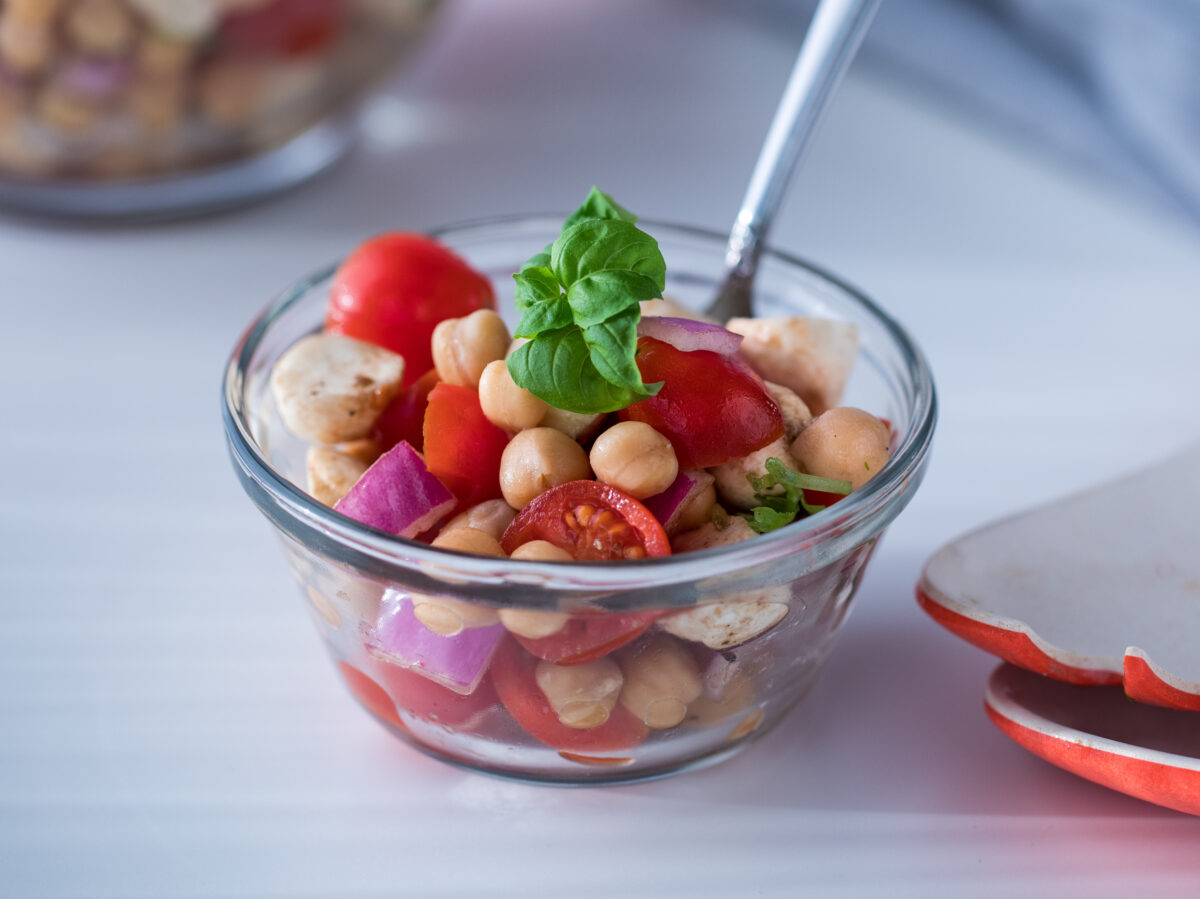
At its core, the Chickpea Caprese Salad maintains the foundational flavor pillars of its predecessor while introducing critical structural upgrades. The primary components consist of juicy cherry or grape tomatoes, bite-sized fresh mozzarella pearls—often referred to as ciliegine—fragrant fresh basil leaves, and tender chickpeas. The dressing remains delightfully uncomplicated, typically utilizing high-quality extra-virgin olive oil, balsamic vinegar or glaze, and elementary seasonings such as salt and black pepper.
Nutritionally, the addition of chickpeas transforms a traditionally light, fat-and-dairy-centric appetizer into a more balanced macronutrient profile. While standard mozzarella and olive oil provide healthy fats and calcium, chickpeas contribute complex carbohydrates, soluble fiber, and a substantial boost of plant-based protein. This structural modification appeals directly to health-conscious demographics seeking satiety without heaviness. Culinary experts note that the dish’s zero-cook preparation method makes it an ideal culinary solution during periods of elevated seasonal temperatures, mitigating the need for heated kitchen appliances while maximizing the use of peak-season produce.
Chronology of the Caprese Evolution
To understand the advent of the Chickpea Caprese Salad, one must examine the timeline of the classic Caprese’s global migration. Originating on the Isle of Capri in the Campania region of Italy, the traditional insalata Caprese was originally conceived as a patriotic homage to the Italian flag, featuring red tomatoes, white mozzarella, and green basil. For generations, the recipe remained largely untouched, prized precisely for its strict adherence to regional simplicity.
As global food exchange accelerated in the late 20th and early 21st centuries, chefs began experimenting with deconstructed and fusion interpretations of the salad. The introduction of proteins into classic green and vegetable salads gained mainstream momentum during the 2010s fitness boom, as consumers actively sought out grain bowls and legume-infused dishes. By the mid-2020s, food blogs, digital recipe developers, and culinary publications began featuring legume-enhanced variations of Mediterranean staples. The Chickpea Caprese specifically gained traction due to the pantry-staple nature of canned beans, allowing households to execute a gourmet-style dish with minimal logistical friction.
Supporting Culinary Data and Preparation Best Practices
Achieving optimal flavor and texture in a Chickpea Caprese Salad requires careful attention to ingredient quality and preparation techniques. Because the recipe relies on a remarkably short list of components, the flaws or virtues of each item are immediately apparent.
Culinary professionals recommend several standardized practices to maximize the dish’s potential:
- Legume Preparation: Canned chickpeas must be thoroughly drained and rinsed under cool running water. This crucial step removes excess sodium and washes away the starchy canning liquid, ensuring a clean flavor profile that does not overpower the delicate dairy and herbs.
- Produce Selection: Ripeness is paramount. Cherry and grape tomatoes are universally favored by recipe developers because their high sugar content provides concentrated sweetness, and their structural integrity prevents them from collapsing under the weight of the dressing.
- Dairy Quality: Authentic fresh mozzarella—specifically soft varieties like ciliegine or torn fresh buffalo mozzarella—provides the requisite creamy mouthfeel. Low-moisture or pre-shredded industrial cheeses are strongly discouraged, as their rubbery texture clashes with the tender consistency of the beans and tomatoes.
- Herb Timing: Fresh basil is notoriously delicate and prone to enzymatic browning (oxidation) once sliced or bruised. To preserve visual appeal and aromatic pungency, cooks are advised to integrate chiffonaded basil strictly at the final moment before service.
Broader Variations and Customization Trends
The inherent versatility of the Chickpea Caprese Salad has sparked a wave of secondary culinary adaptations. As home cooks seek to personalize the basic blueprint, numerous variations have emerged across digital recipe platforms.
For those desiring additional fats and textural contrast, folding in diced ripe avocados has become a popular modification. Others looking to convert the side dish into a more substantial entrée frequently introduce grilled chicken breast, wild-caught tuna, or cooked ancient grains such as quinoa and farro. Regional twists incorporate Mediterranean elements like Kalamata olives and sliced red onions for a sharp flavor counterpoint, or peppery baby arugula and fresh baby spinach to increase the dish’s overall leaf-vegetable volume. Furthermore, substituting standard balsamic vinegar with aged balsamic glaze or folding in a spoonful of basil pesto allows for heightened flavor complexity without complicating the assembly process.
Storage, Make-Ahead Logistics, and Practical Implications
Logistical flexibility is a primary driver behind the recipe’s widespread adoption in contemporary domestic routines. The base components—comprising the rinsed chickpeas, halved tomatoes, and fresh mozzarella—exhibit strong durability when combined and refrigerated several hours in advance. This characteristic makes the salad an efficient option for meal-prep enthusiasts and event hosts who prefer to complete labor-intensive tasks prior to guest arrival.
However, food safety and quality management dictate specific handling protocols regarding dressings and garnishes. Culinary analysts note that introducing acidic vinegars and salt too early causes the tomatoes to undergo osmotic pressure, releasing cellular water and rendering the salad unpleasantly watery while softening the mozzarella. Consequently, best practices dictate that oil, vinegar, seasonings, and fresh basil should be withheld until immediately prior to consumption. Leftovers generally maintain acceptable quality for up to 72 hours when stored in a sealed airtight container in refrigeration, though natural softening of the produce dictates that the dish is best consumed within the first twenty-four to forty-eight hours.
Broader Economic and Nutritional Implications
The popularity of nutrient-dense, pantry-friendly recipes like the Chickpea Caprese Salad underscores a broader economic shift in household food management. Amid fluctuating grocery costs and persistent inflation, consumers increasingly value recipes that maximize nutritional output while utilizing accessible, cost-effective staples like canned legumes. Chickpeas represent an economical protein source that boasts an extended shelf life, reducing food waste and mitigating the financial pressures associated with fresh meat consumption.
From a public health perspective, dietary guidelines continually emphasize the importance of increasing daily dietary fiber and plant-based protein intake to combat chronic metabolic conditions. By reimagining a beloved comfort food through a nutrient-forward lens, modern home cooking successfully demonstrates that dietary health and culinary indulgence are not mutually exclusive. As these hybrid recipes continue to circulate through global food networks, they signal a lasting evolution in how traditional dishes are preserved, adapted, and valued in the twenty-first century kitchen.