Home Sweet Homecoming: A Comprehensive Guide to Preparing for Your Newborn’s First Days


Bringing a newborn home from the hospital is widely recognized by developmental psychologists and pediatricians as one of the most significant life transitions for a family. This milestone, often referred to as the "fourth trimester," requires not only emotional readiness but also a strategic approach to logistical preparation. Ensuring that the home environment is properly equipped with the necessary safety equipment and essential care items is a fundamental step in facilitating a smooth transition from clinical care to the home environment.
The Critical Role of Pre-Birth Logistics
Medical professionals emphasize that the period leading up to labor is the optimal time for securing essential gear. According to the American Academy of Pediatrics (AAP), the installation of a car seat is the single most critical task a parent must perform prior to discharge from the hospital. The safety implications are profound; statistics from the National Highway Traffic Safety Administration (NHTSA) indicate that car seats, when installed correctly, reduce the risk of fatal injury in passenger cars by 71% for infants.
The logistical timeline for parents should ideally begin in the second trimester. By the 34th to 36th week of pregnancy, the primary infrastructure—specifically the car seat and sleep environment—should be fully vetted and installed. This proactive timeline minimizes the stress associated with potential early arrivals and ensures that parents are well-versed in the operation of their equipment before the physical recovery process of postpartum begins.
Evaluating Modern Safety and Comfort Standards
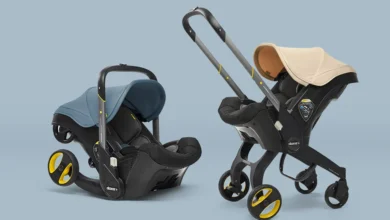
When selecting a vehicle safety system, parents are increasingly prioritizing modularity and longevity. The Doona, a notable innovation in the space, integrates a car seat with a stroller chassis, allowing for a seamless transition from vehicle to pavement. This reduces the need for waking a sleeping infant during transfers. Conversely, for families seeking long-term investment, "all-in-one" systems like the Maxi Cosi Pria offer multi-stage utility, transitioning from rear-facing to forward-facing and finally to a booster seat, covering a developmental span from birth to approximately ten years of age.
The nursery environment serves as the second pillar of home preparation. Pediatric sleep experts recommend a safe sleep space that is free of loose bedding, pillows, or soft toys, as outlined in the AAP’s Safe Sleep guidelines. The adoption of smart bassinets, such as the Halo BassiNest, reflects a growing trend toward "co-sleeping" proximity without the inherent risks of bed-sharing. These devices often feature swivel mechanics and soothing soundscapes, which clinical observations suggest can assist in stabilizing an infant’s sleep cycle during the early weeks of life.
The Cultural and Aesthetic Significance of the "Coming Home" Outfit
Beyond the functional requirements of safety and sleep, the tradition of the "Take Me Home" outfit carries significant cultural and social weight. Historically, these ensembles—often featuring intricate hand-smocking, delicate embroidery, and heirloom-quality fabrics—have functioned as a ceremonial introduction of the child to the extended family and community.
Brands like Feltman Brothers have maintained a market presence for over a century by focusing on these traditional textiles. The current market shows a bifurcated preference: one segment favors the vintage, woven gown aesthetic, which is often preserved as a keepsake, while another segment opts for modern, functional knitwear. Premium cotton layettes, which include matching hats and bonnets, are increasingly sought after not just for their aesthetic appeal but for their breathability and skin-friendly properties, which are essential for a newborn’s sensitive epidermis.
Strategic Mobility: Choosing the Right Stroller
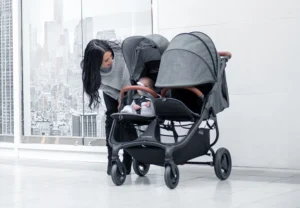
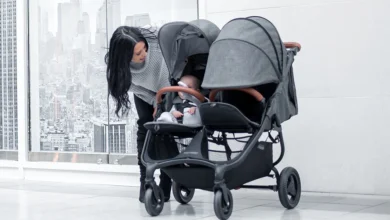
The choice of a stroller is often dictated by the environmental context of the family. Urban dwellers, who frequently navigate public transit, narrow sidewalks, and stairs, require a different technical specification than suburban parents who may prioritize trunk space and all-terrain suspension.
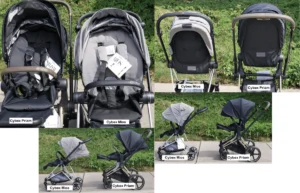
Industry data suggests that high-end strollers like the Bugaboo Fox5 are specifically engineered for the high-frequency demands of city living, focusing on maneuverability and a small turning radius. For families with active lifestyles, jogging strollers such as the Bumbleride Indie offer air-filled tires and robust suspension systems, which are essential for maintaining stability on uneven surfaces. Experts recommend that parents test these units in a retail setting to ensure that the fold-and-carry mechanisms align with their physical capabilities and vehicle dimensions.
Economic and Logistical Support for New Parents
The proliferation of "one-stop-shop" platforms, such as PishPosh Baby, has changed how families approach the acquisition of these high-cost items. By providing access to certified product experts, these platforms help mitigate the "analysis paralysis" that often affects expectant parents. The economic structure of these retailers often includes loyalty programs, such as cash-back initiatives or points-based rewards, which provide a tangible benefit when stocking up on consumables like diapers, undershirts, and swaddles—items that are frequently needed in high volume due to the nature of infant care.
The Financial Impact of Preparation
Analyzing the costs associated with welcoming a new baby, researchers note that the first year of a child’s life is typically the most expensive. By investing in multi-functional items—such as a convertible car seat or a bassinet that transitions into a portable play space—parents can effectively lower their total cost of ownership over the long term.
Furthermore, the rise of "baby registries" and personalized shopping consultations has allowed families to crowdsource the financial burden of these essentials while ensuring that the products selected meet current safety standards. Industry analysts suggest that the emphasis on high-quality, durable goods is a direct response to a generation of parents who prioritize sustainability and resale value alongside immediate utility.
Broader Implications for Child Development and Parental Well-being
The overarching goal of this preparation is to create a "low-friction" environment for the parents. The stress associated with a newborn is largely tied to the uncertainty of their needs. When a parent has a pre-organized nursery, a properly installed car seat, and a reliable, easy-to-use stroller, they can focus their mental energy on bonding and recovery rather than troubleshooting missing equipment.
Furthermore, the act of preparing the nursery and selecting the "Take Me Home" attire serves a psychological function, often described by psychologists as "nesting." This biological drive is a healthy, natural manifestation of the anticipation of parenthood. By engaging in these tasks, parents begin the cognitive transition into their new roles, fostering a sense of readiness and agency that is vital for the initial postpartum period.
Expert Recommendations for Future-Proofing
As the market for baby gear continues to evolve, the consensus among experts is clear: quality and safety must always take precedence over design. While aesthetic trends change, the physics of a car seat or the air-flow requirements of a crib remain constant.
For parents navigating these choices, the best practice remains a combination of thorough research and hands-on testing. Utilizing expert-led retail services ensures that the gear is not only purchased correctly but also understood in its operation. Whether it is the classic, timeless style of a century-old brand like Feltman Brothers or the high-tech integration of a modern stroller, the focus remains on ensuring that the baby’s first transition—from the hospital to the sanctuary of the home—is as safe, comfortable, and memorable as possible.
In conclusion, the preparation for a new baby is a multi-faceted endeavor that balances safety, aesthetics, and economic practicality. By systematically addressing these areas—car safety, nursery readiness, apparel, and mobility—parents can set the stage for a healthy and stable beginning for their child, ultimately ensuring that their transition into parenthood is defined by confidence and connection.